Why So Few Mummies Survive Intact for Study
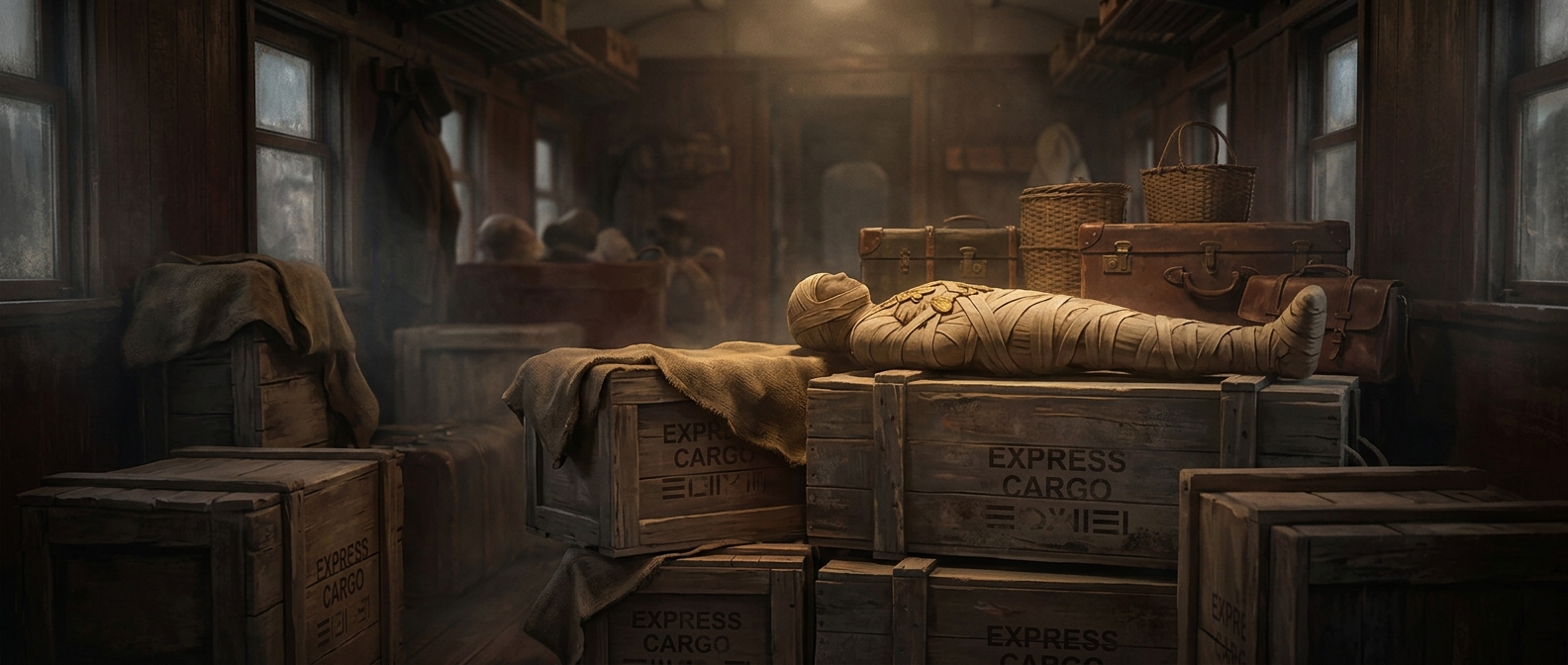
The irony is that ancient Egypt produced many mummies, but a body surviving is not the same as a body remaining available for careful study. Over centuries, tombs were robbed, burials were disturbed, and human remains were removed from their original settings. Once a mummy was separated from its coffin, grave goods, and burial place, archaeologists lost clues about who it was and how it was prepared.
Some Mummies Were Used Up
In medieval and early modern Europe, a substance called mummia—made from what people believed were ancient mummies—was sold as medicine. The trade encouraged the import and grinding of remains. Later, collectors and audiences prized mummies as curiosities. Unwrapping them could be treated as public entertainment, destroying the layers and materials that researchers might otherwise examine.
These losses were not always the result of deliberate scientific investigation. A mummy might be taken from a tomb, handled repeatedly, or broken apart because its value was seen in its objects, its supposed medicinal properties, or the spectacle of opening it—not in preserving evidence for future researchers.
The Missing Context Matters
Even when remains survive, their condition can limit what can be learned. Dampness, heat, insects, and earlier handling may damage bodies and wrappings. And a mummy removed from its burial without careful records can no longer be reliably connected to its original place, possessions, or fellow burials. Those details help researchers reconstruct identity, social status, burial customs, and the steps used in mummification.
So the shortage is less a lack of Egyptian mummies altogether than a shortage of intact, well-documented remains that have not already been damaged or stripped of context. A mummy’s survival in a museum may preserve the body—but if its burial story was lost, much of the evidence that made it valuable to archaeology has vanished too.