Why Elvis needed a larger home
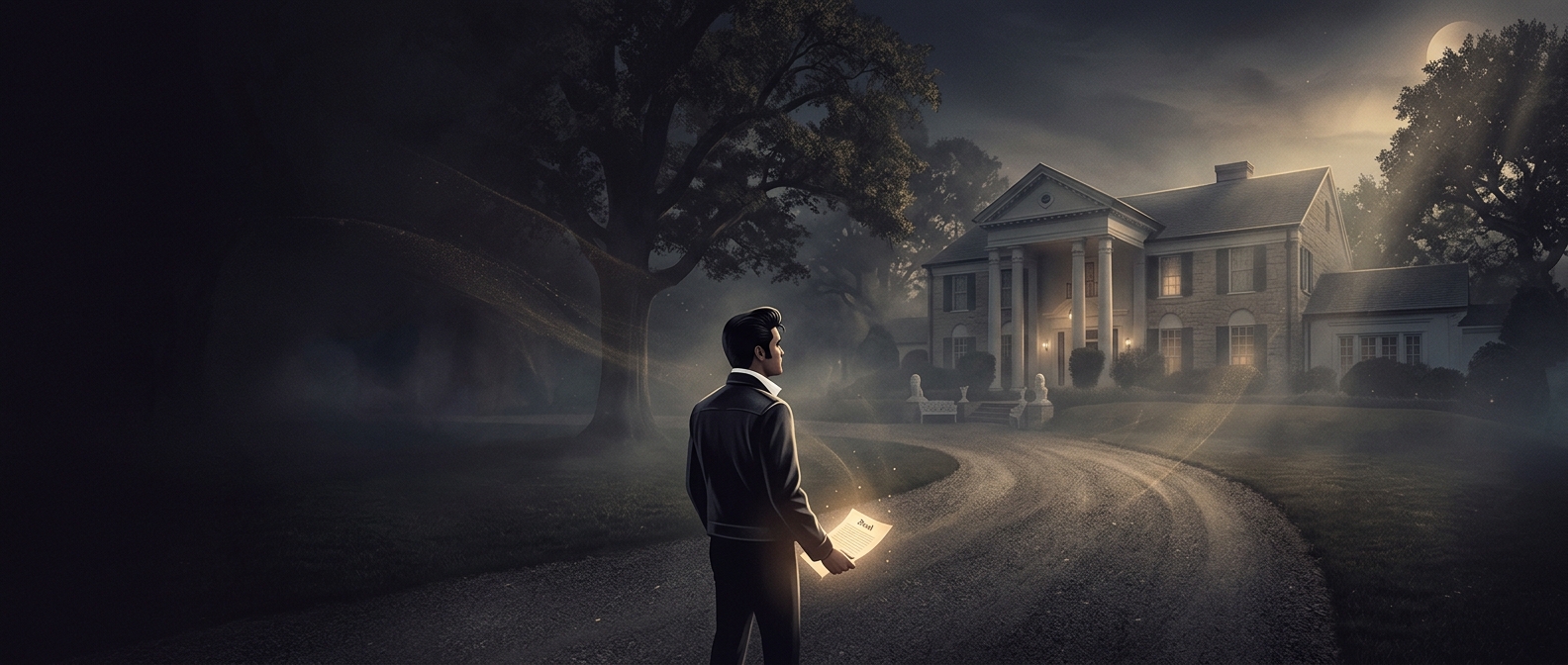
By 1957, Elvis Presley’s rise had changed what an ordinary home could offer him. His earlier Memphis house on Audubon Drive had become a gathering place for fans, making privacy difficult. Graceland, farther south in Whitehaven, gave him a more secluded property where family life and the demands of his growing career could coexist.
The purchase was not simply a matter of finding a bigger house. A 14-acre estate offered room to spread out: visitors, staff, and members of Presley’s traveling circle could come and go without all crowding into the family’s living space. The grounds also created distance between the home and the public attention that followed him.
A private retreat became a public landmark
That separation could only go so far. Presley’s fame made his home a focus of curiosity even behind its gates, and Graceland eventually became closely associated with his public image. After his death, the estate opened to visitors, turning a place chosen for privacy into a destination where people could encounter the setting of his daily life.
The striking reversal is built into the property’s story: the acreage that once helped buffer a young star from crowds is now part of what draws crowds to Graceland.