How an axolotl rebuilds a limb
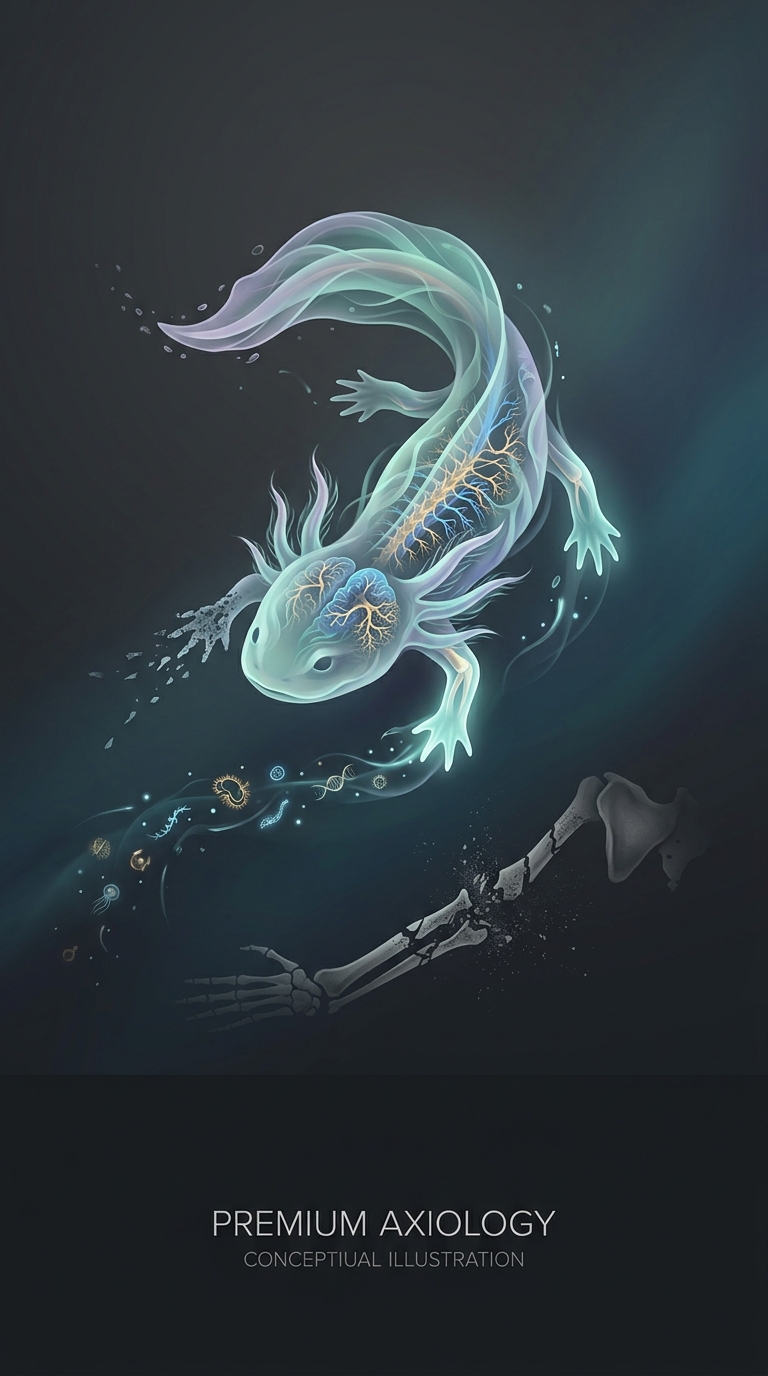
After an injury, an axolotl first seals the wound with a layer of skin. Nearby cells then gather beneath it into a blastema: a temporary mass of growing cells that supplies the new tissue. It is not simply a pile of interchangeable stem cells. Some cells retain clues about the tissue they came from, while others become more flexible and can help produce the structures needed for repair.
Signals from the wound, surrounding tissues, and nerves help coordinate the work. Cells multiply and specialize into bone, muscle, skin, and other components, while chemical cues help determine where those parts belong. The result is not just a lump of replacement tissue but a limb organized in the right sequence, from upper segments to toes.
Repair without a lasting scar
In many mammals, healing quickly lays down dense collagen—a structural protein that closes and strengthens a wound. That can leave a scar, which restores the surface but does not recreate the original arrangement of tissues. Axolotl wounds instead support a regenerative response: the wound covering and local signals allow rebuilding to proceed rather than locking the site into scar tissue.
The immune response matters, too. Immune cells help clear damaged material and shape the healing environment. If that environment is disrupted, regeneration can be impaired, showing that the outcome depends on coordinated interactions among cells, not on one magical repair cell.
Why the replacement fits
The deeper puzzle is how cells know what is missing. Axolotls appear to use positional information—molecular cues that tell cells where they are in the body and what structures should be nearby. Researchers study these signals because they may reveal why some animals can restore complex anatomy while adult humans generally close comparable injuries with scar tissue instead.
A regenerated limb is therefore more than a repair job: it is a body plan reconstructed from local instructions, with cells rebuilding the missing parts in the right place.