What “Dead Butt” Means After a Day at a Desk
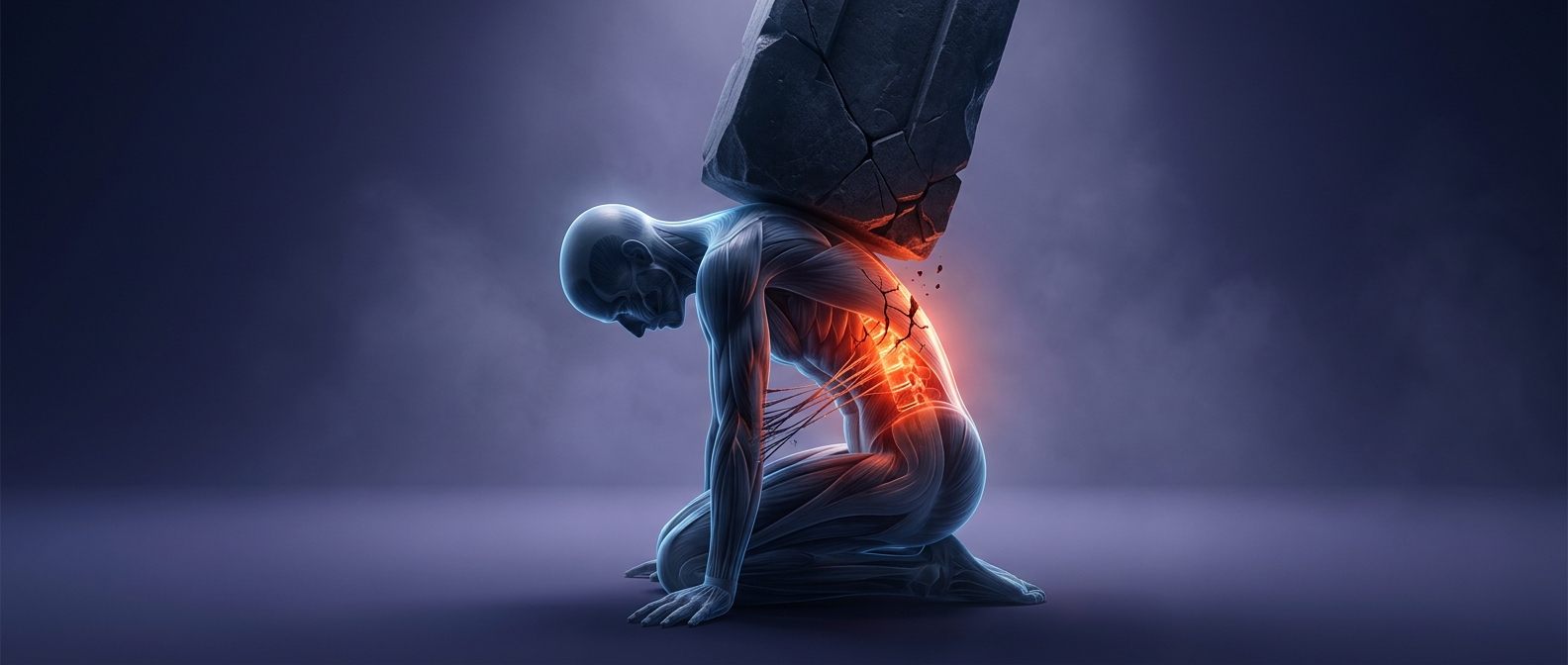
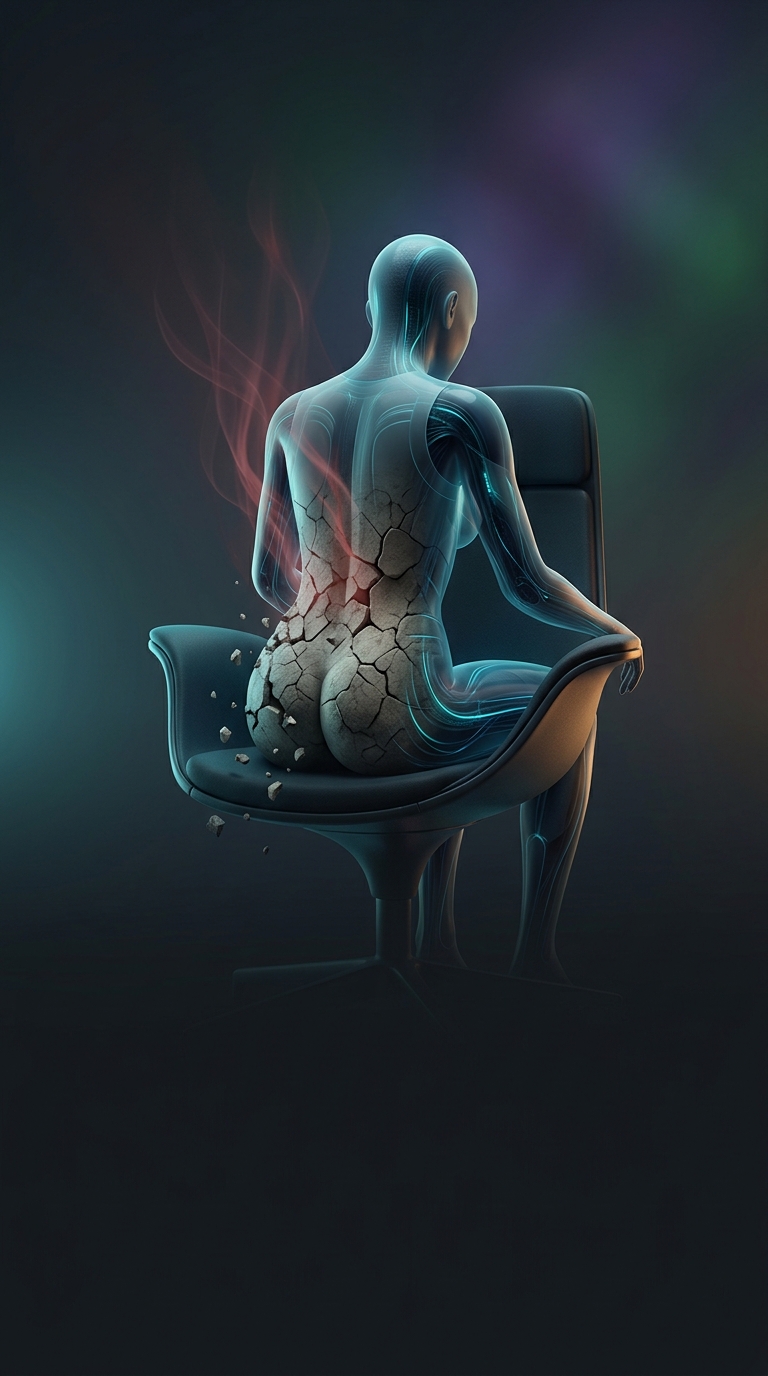
“Dead butt syndrome” is an informal name for aching, stiffness, tingling, or a sense that the buttocks have gone numb after prolonged sitting. It is not a single formal diagnosis. The phrase usually points to what happens when the hips stay bent and the gluteal muscles—the muscles that extend and stabilize the hips—get little opportunity to work.
Sitting does not switch those muscles off or make them forget how to function. But hours in one position mean less movement and less demand on them. When you stand, climb stairs, or exercise, the glutes may feel stiff or slow to engage, especially if you have been inactive. Pressure from the chair can also temporarily irritate or compress nerves and soft tissues, causing tingling or numbness.
Why Movement Helps
Standing up changes the hip’s position and gives the muscles a chance to contract. Walking, taking stairs, and doing controlled hip-extension movements—such as bridges—can restore that activity. The useful change is not one magic stretch; it is breaking up long, motionless stretches with regular movement and gradually building strength.
A brief, familiar ache that eases when you move is different from persistent or worsening pain. Numbness that does not clear, weakness, or symptoms traveling down the leg deserve medical attention, since they can have causes beyond sitting. The practical takeaway: your chair may be part of the problem, but your body benefits most from changing position and using the muscles that sitting leaves idle.