Why Blinks Don’t Make the World Flicker
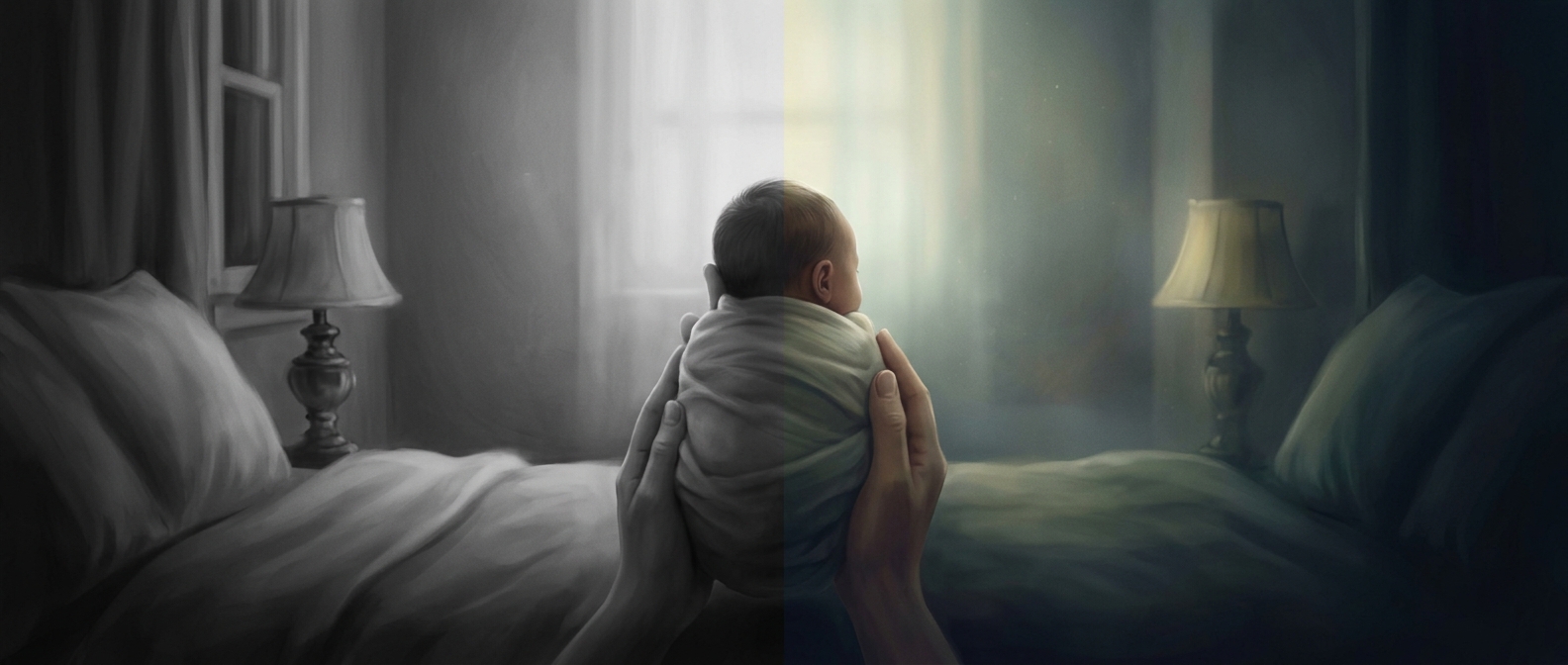
Each blink briefly blocks incoming light, but the interruption is too short for you to experience as a clear blackout. Your brain also becomes less responsive to visual input around the blink, reducing the chance that the momentary loss of sight will register as a change in the scene.
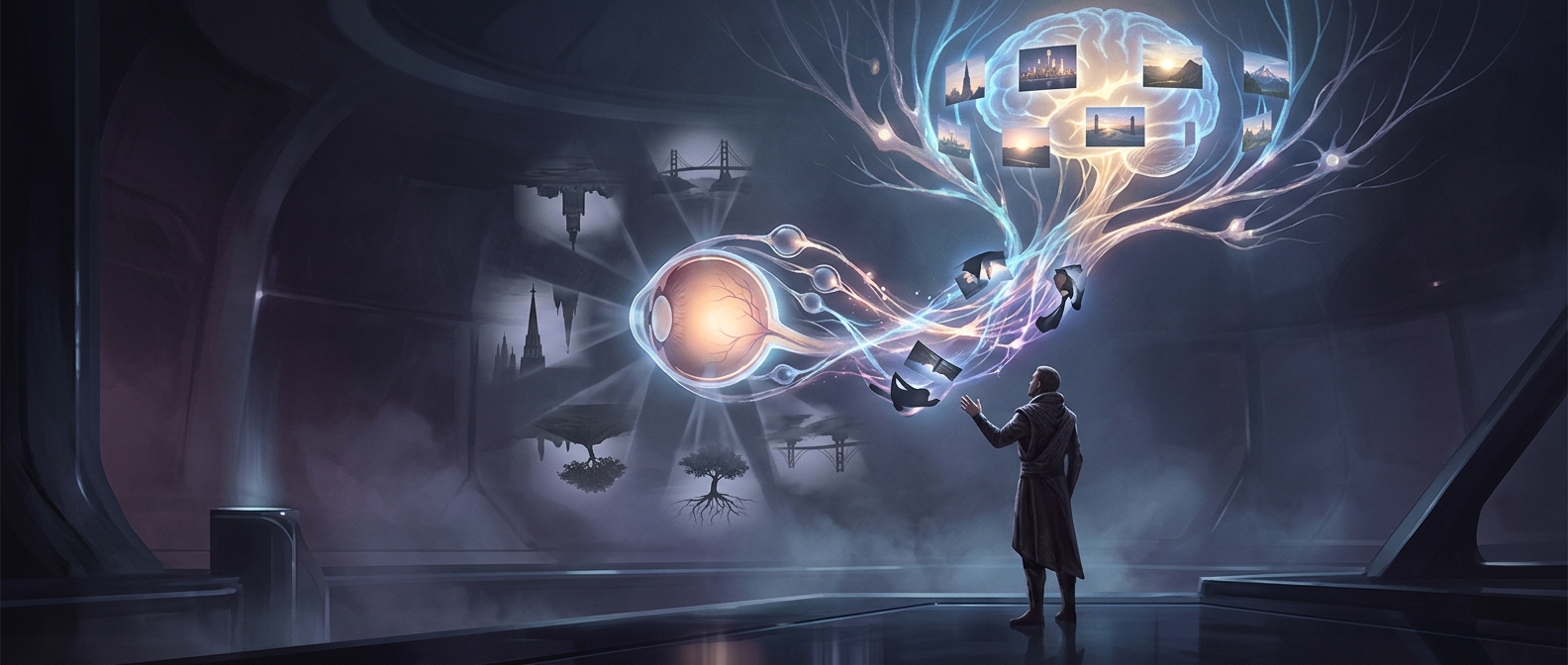
This is not the same as the eyes continuing to see through closed lids. Rather, the visual system gives less weight to the brief gap and connects what it sees before and after it. Because the surrounding scene usually remains stable, your experience feels continuous instead of broken into tiny episodes.
A Tiny Reset for the Eye’s Surface
A blink also serves a physical purpose: it spreads a thin layer of tears across the eye. That film helps keep the surface moist and smooth, which supports clear vision. Between blinks, the tear layer can become uneven, so blinking restores it—much like wiping a clear window before dust or smears interfere with the view.
The two functions work together. Blinking interrupts vision for an instant, but it also helps maintain the surface that vision depends on. Most of the time, the brain’s handling of the interruption means you can keep reading a sentence or following someone’s expression without noticing each blink.
When the Seam Becomes Noticeable
A blink is easier to notice when you deliberately pay attention to it or when something makes the interruption unusually salient. But in ordinary conversation, each blink is a small maintenance break that rarely reaches awareness. You keep seeing a steady world while your eyes quietly refresh the film that lets light form a clear image.