Why the First Harley Needed Pedal Power
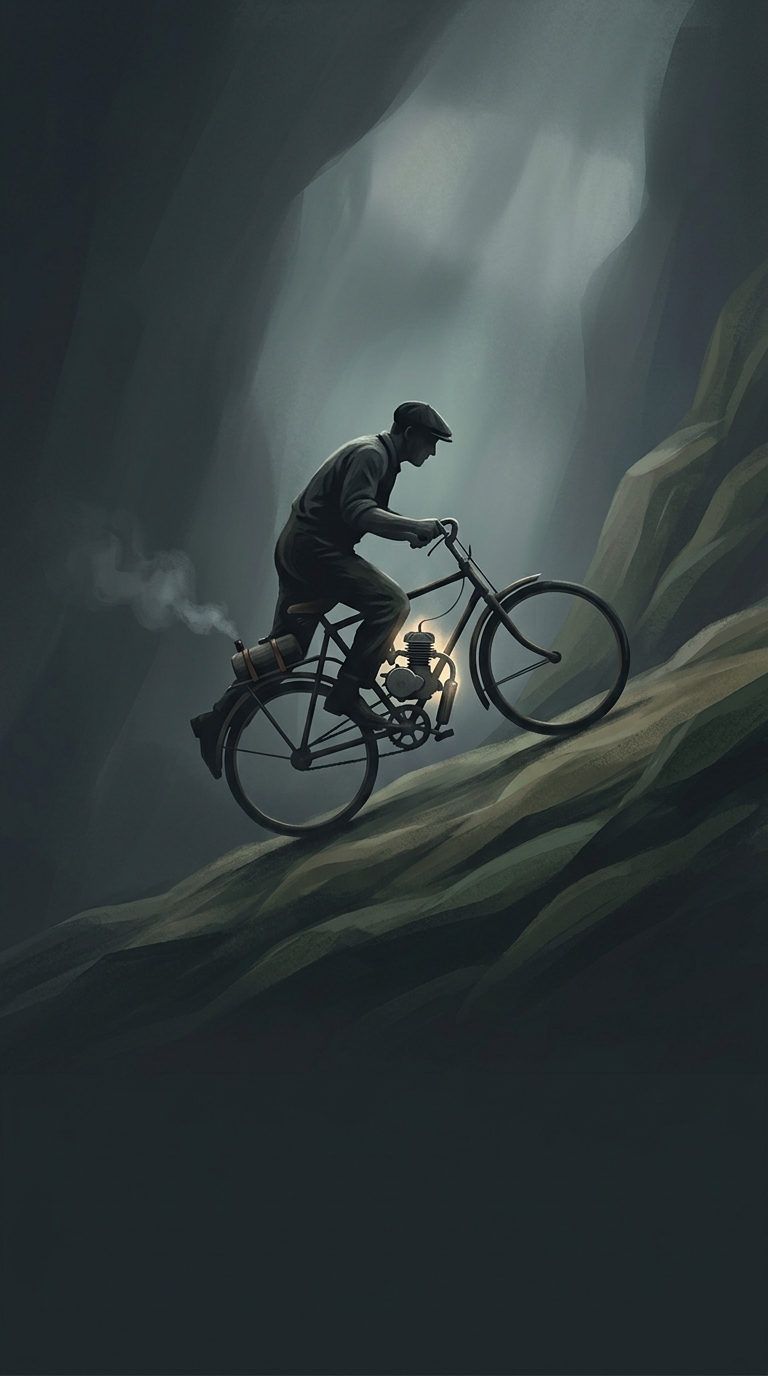
A hill changes the job a small engine has to do. On level ground, a motor can keep a light bicycle moving with modest effort. Climbing means lifting the combined weight of rider and machine against gravity, so the engine must deliver more force at the wheel. Harley-Davidson’s first motorcycle, built in 1903, did not have enough power to manage every incline on its own.
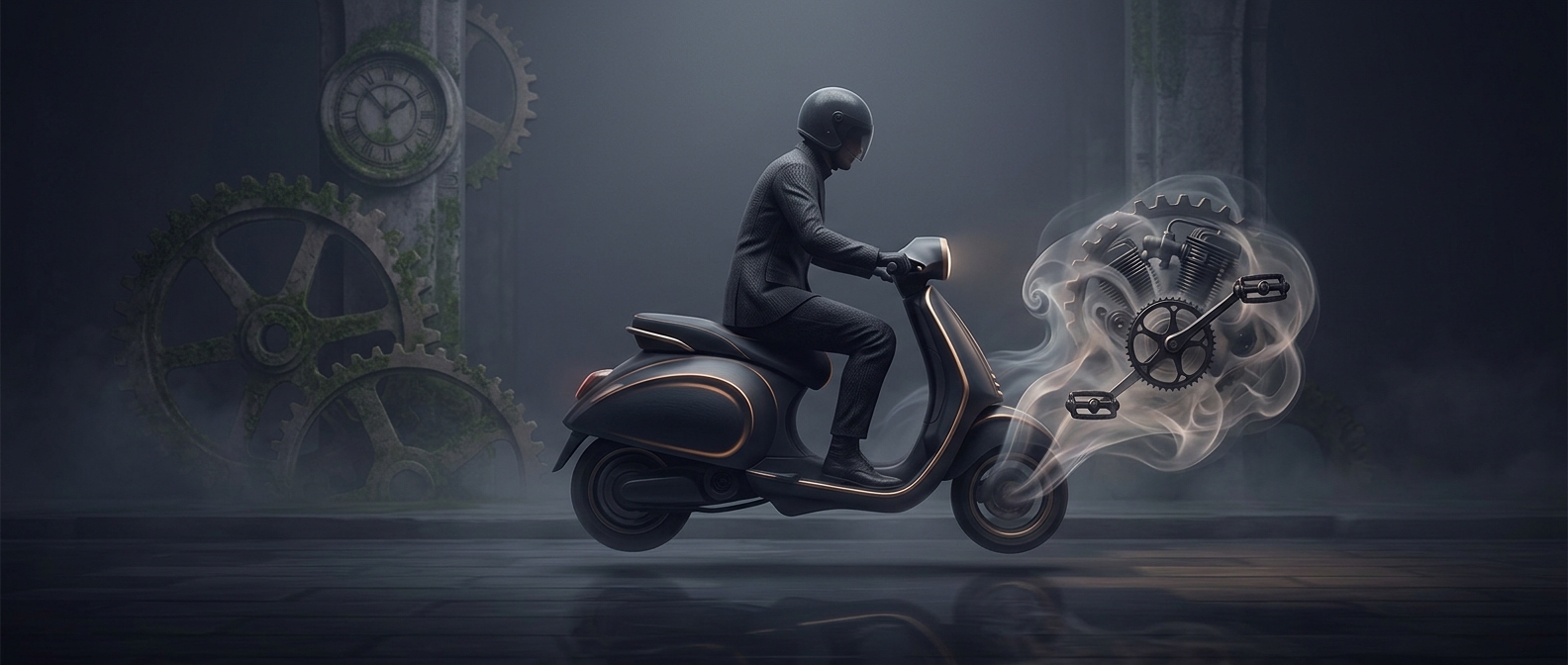
When the road rose, the rider supplied the missing force by pedaling. The machine was therefore neither a bicycle with a decorative motor nor a motorcycle that had made human effort obsolete: engine and rider shared the work, with the pedals becoming especially useful when the motor struggled uphill.
A Motorbike Still in Transition
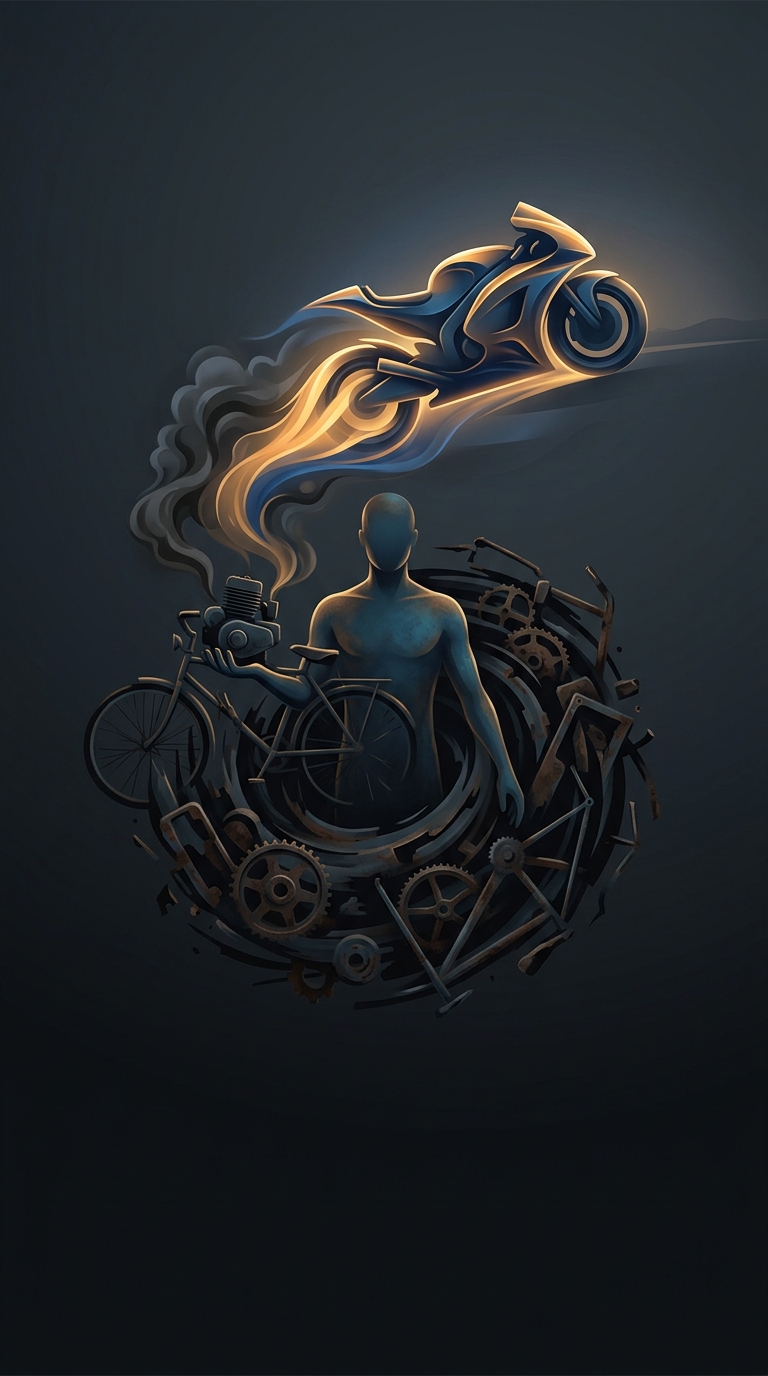
That arrangement reflects an early stage in motorcycle design. Builders were adapting the familiar bicycle—light, pedal-driven, and already equipped with wheels and a frame—to carry a gasoline engine. The result could offer powered travel without yet delivering the strength or reliability riders would later expect from a mature motorcycle.
Calling the 1903 Harley a “hybrid” is a playful modern description, not a claim that it used today’s electric-and-gasoline technology. Its backup power came from the rider. The practical point is more revealing: the first Harley’s engine did not replace pedaling everywhere. On a steep enough road, the rider had to become part of the powertrain again.