How Ants Turn Food into a Managed Resource
An ant colony does more than search for whatever food happens to be available. In some species, workers tend living food sources, shaping how nourishment is produced and collected. That makes ant agriculture less like a single clever trick and more like a set of practical solutions to a colony’s recurring problem: keeping a dependable supply close at hand.
Fungus Gardens Need Care
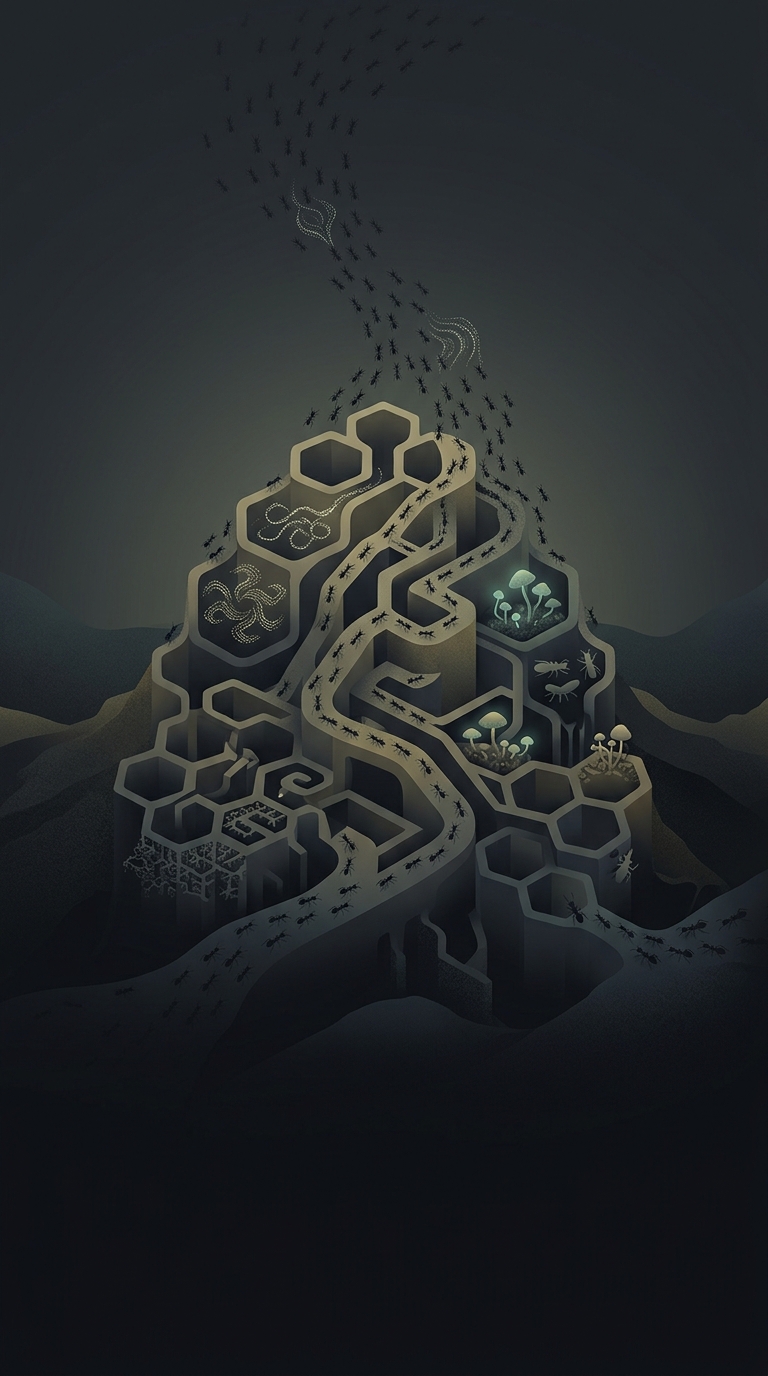
Leaf-cutting ants do not eat the leaves they carry underground. They chew them into a growing medium for a cultivated fungus, which becomes food for the colony. Workers maintain the garden by adding fresh plant material, removing waste and keeping the crop from being overrun by unwanted microbes. The ants are not simply storing food; they are tending an organism that converts tough leaves into something they can use.
The arrangement links the colony’s labor to the crop’s health. A damaged or contaminated garden can threaten a steady food supply, so workers’ everyday maintenance—cleaning, sorting and feeding—helps protect it.
Aphids Are a Different Kind of Livestock
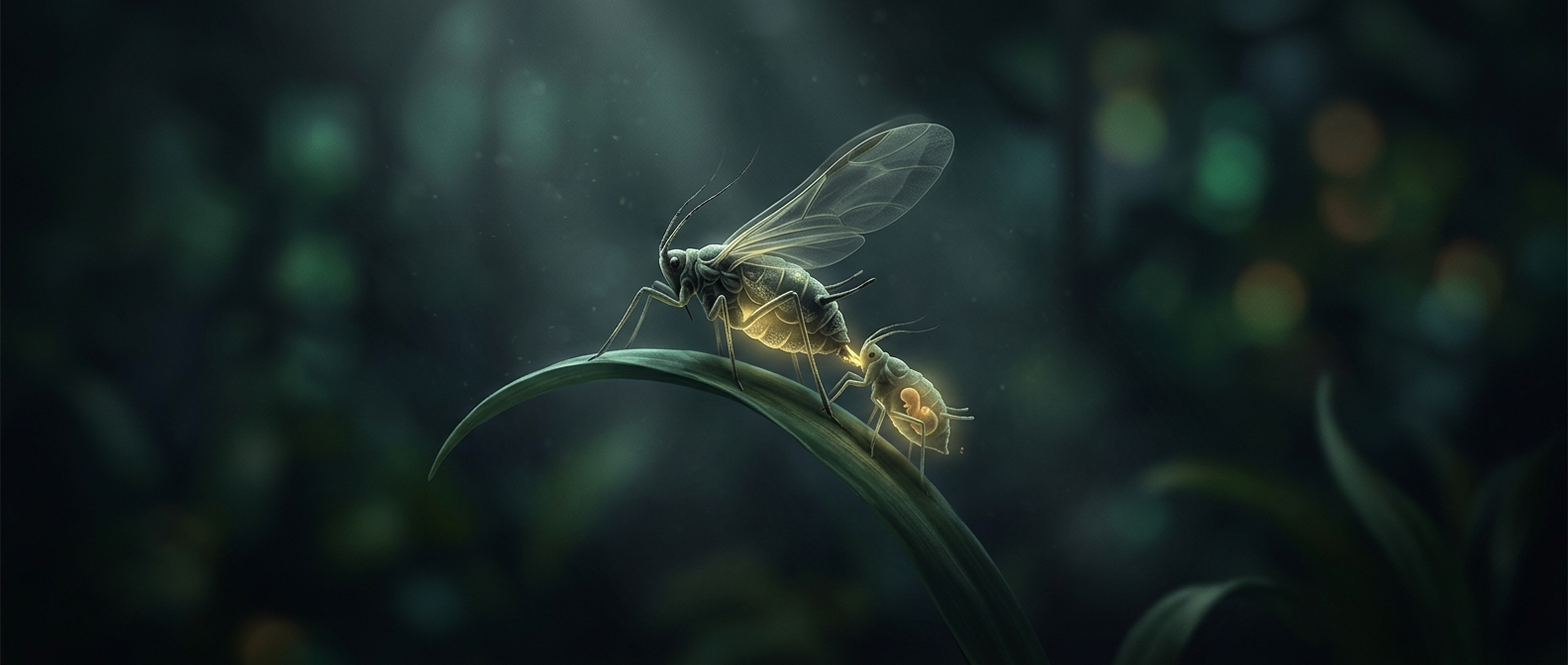
Some ants instead collect honeydew, a sugary liquid excreted by aphids as they feed on plant sap. Ants may guard aphids from predators and move them to suitable feeding sites, then gather the honeydew they produce. The benefit flows both ways: ants gain a concentrated food source, while their protection can help aphids survive.
These relationships are not identical to human farming, and they vary among ant species. But the underlying shift is striking: workers influence the conditions under which food is produced, rather than merely harvesting what they find.
That strategy is part of what makes ants so consequential at planetary scale. Estimates put their combined population at roughly twenty quadrillion; together, their living mass is comparable to or greater than that of all wild birds and mammals. Their gardens and guarded herds are small operations individually, but they are repeated across an immense number of colonies.