How the bladder lining makes room
The bladder has to expand repeatedly without letting urine seep into the tissues beneath it. Its inner surface is lined with urothelium, a specialized tissue that can accommodate this changing volume while maintaining a protective barrier.
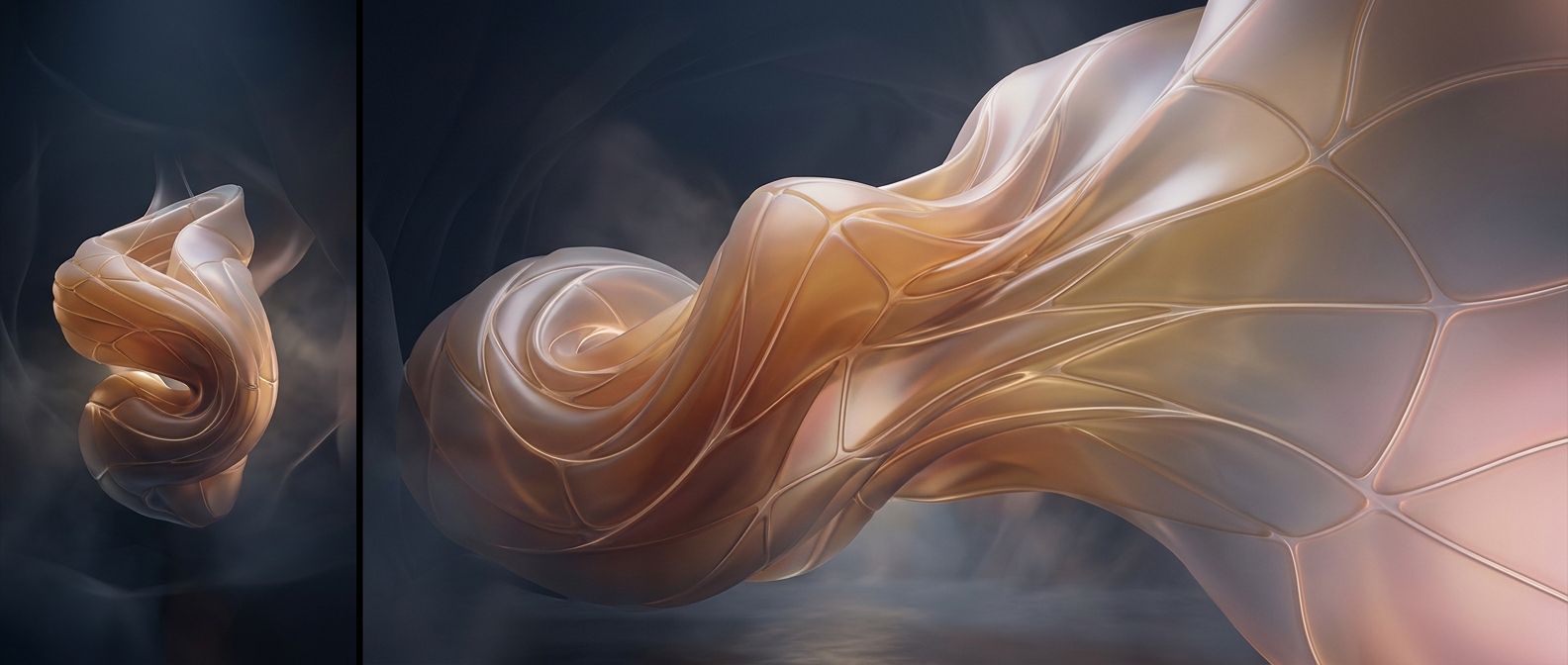
When the bladder is relatively empty, the lining has folds, and its large surface cells—often called umbrella cells—look rounded and thick. As urine accumulates, the folds flatten and those cells become broader and thinner. The lining is not simply pulled tight like a sheet; its structure rearranges as the bladder wall expands.
Stretch without losing the seal
The umbrella cells fit closely together, and their surface is equipped to resist the chemical effects of urine. As the lining stretches, connections between cells help keep the barrier intact. This matters because the bladder is a storage organ: urine can remain inside for hours, while the tissues around it need protection from its contents.
The lining works alongside the bladder’s muscular wall, which expands during filling and contracts during urination. Together, these features let the bladder increase its capacity without requiring a permanently large, rigid chamber. Once it empties, the wall and lining return toward their less-stretched state.