A name can vanish while the dinosaur remains
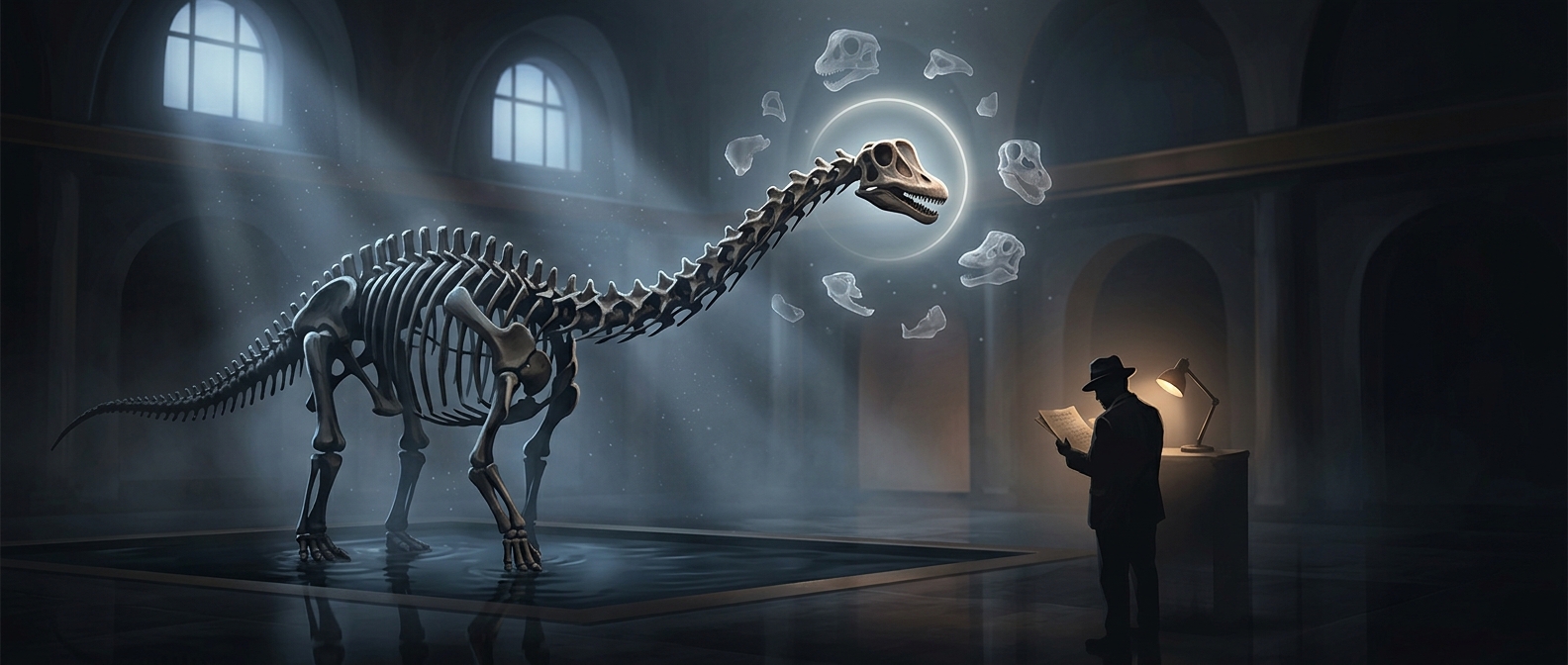
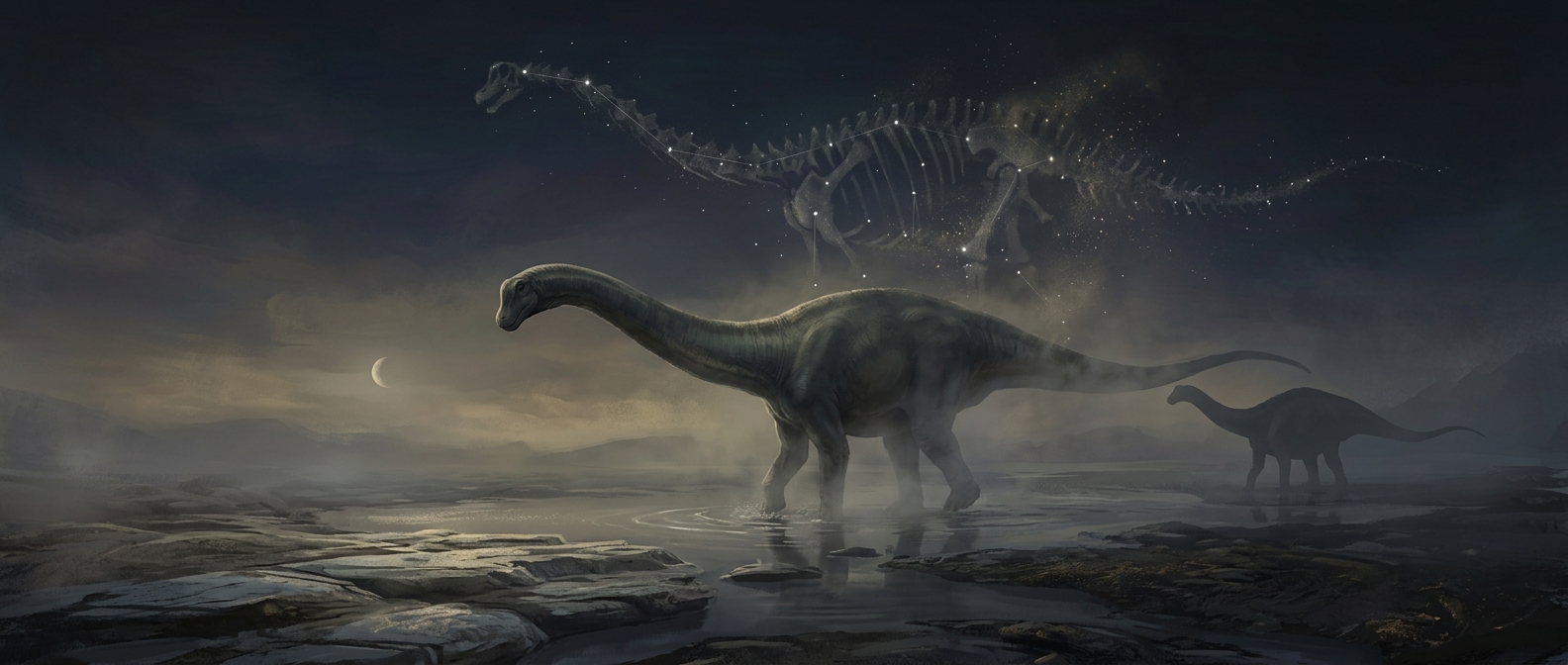
Brontosaurus did not disappear from the fossil record. Its fossils were still there; the question was what scientific name they should carry. In biology, a genus is a group of closely related species, and researchers disagreed about whether Brontosaurus belonged in a genus of its own or in Apatosaurus.
That distinction matters because scientific names follow rules. When two names are judged to refer to the same genus, the older name generally takes precedence. Once researchers grouped Brontosaurus with Apatosaurus, Brontosaurus fell out of scientific use—not because its bones had been rejected, but because the animals were considered too similar to warrant separate genus names.
How the name came back
Later researchers compared fossil features across specimens and argued that the differences between Brontosaurus and Apatosaurus were substantial enough to distinguish the genera. That case restored Brontosaurus as a scientific name, but it did not settle the issue for everyone. The disagreement reflects a real challenge in paleontology: fossils are incomplete, and researchers must decide whether observed differences mark separate lineages or variation within one group.
So Brontosaurus’s return was not a discovery of a new dinosaur. It was a change in how scientists interpreted known bones—and a reminder that a name on a museum label can depend on an ongoing argument about where one group ends and another begins.