Why a Low, Soft Seat Can Leave Your Back Stiff
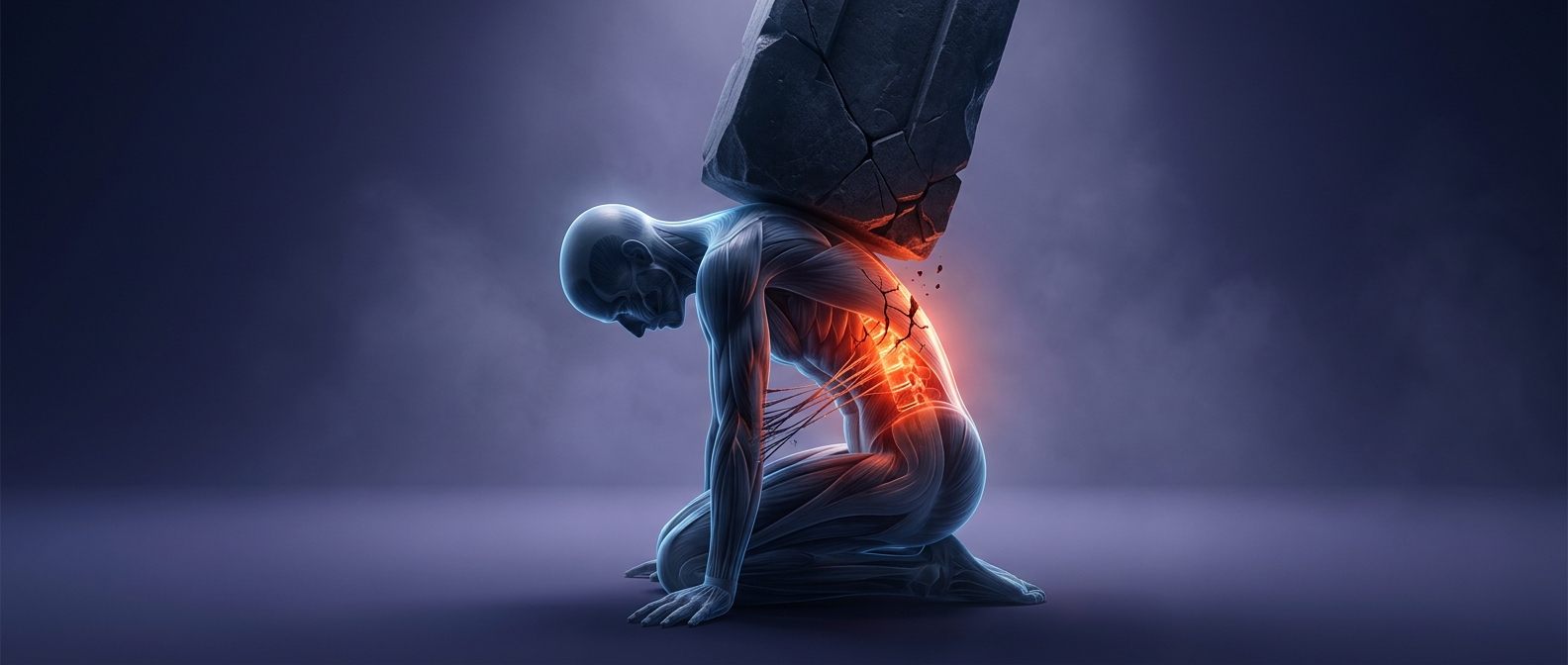
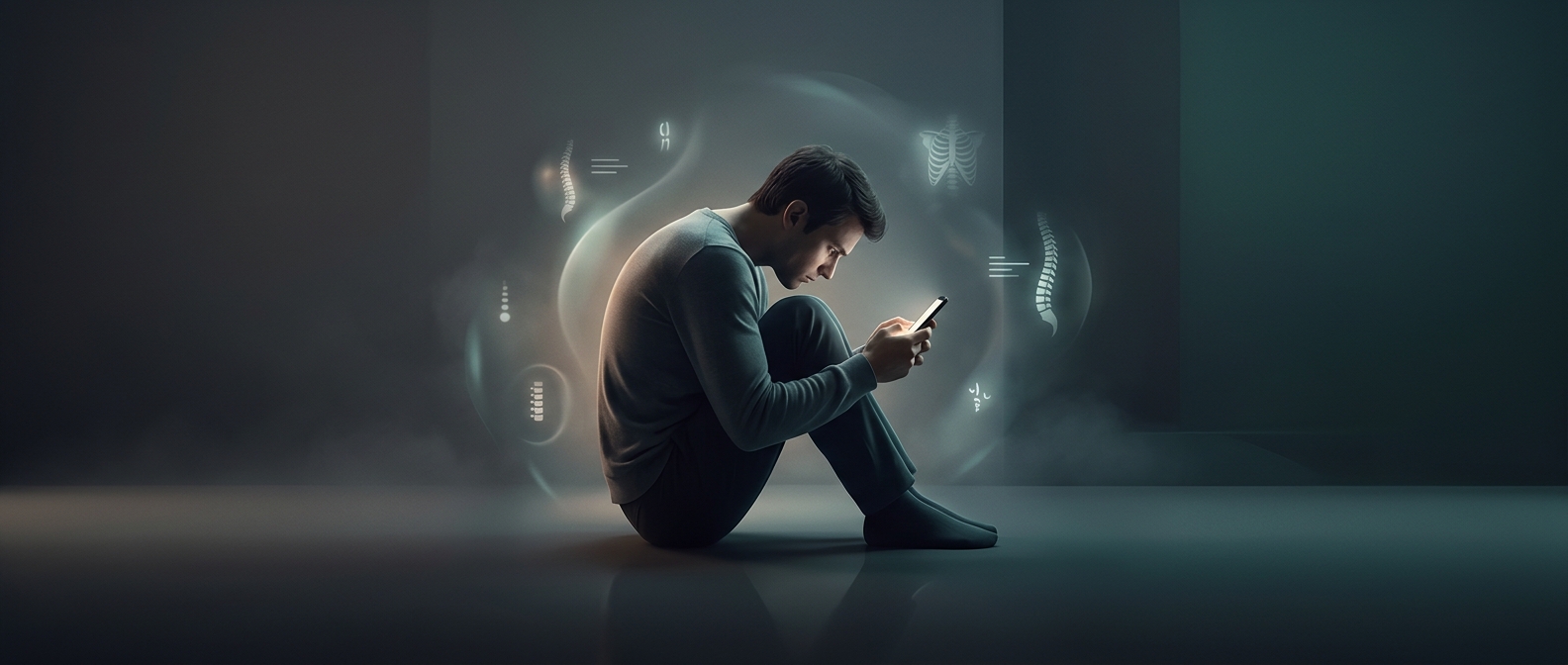
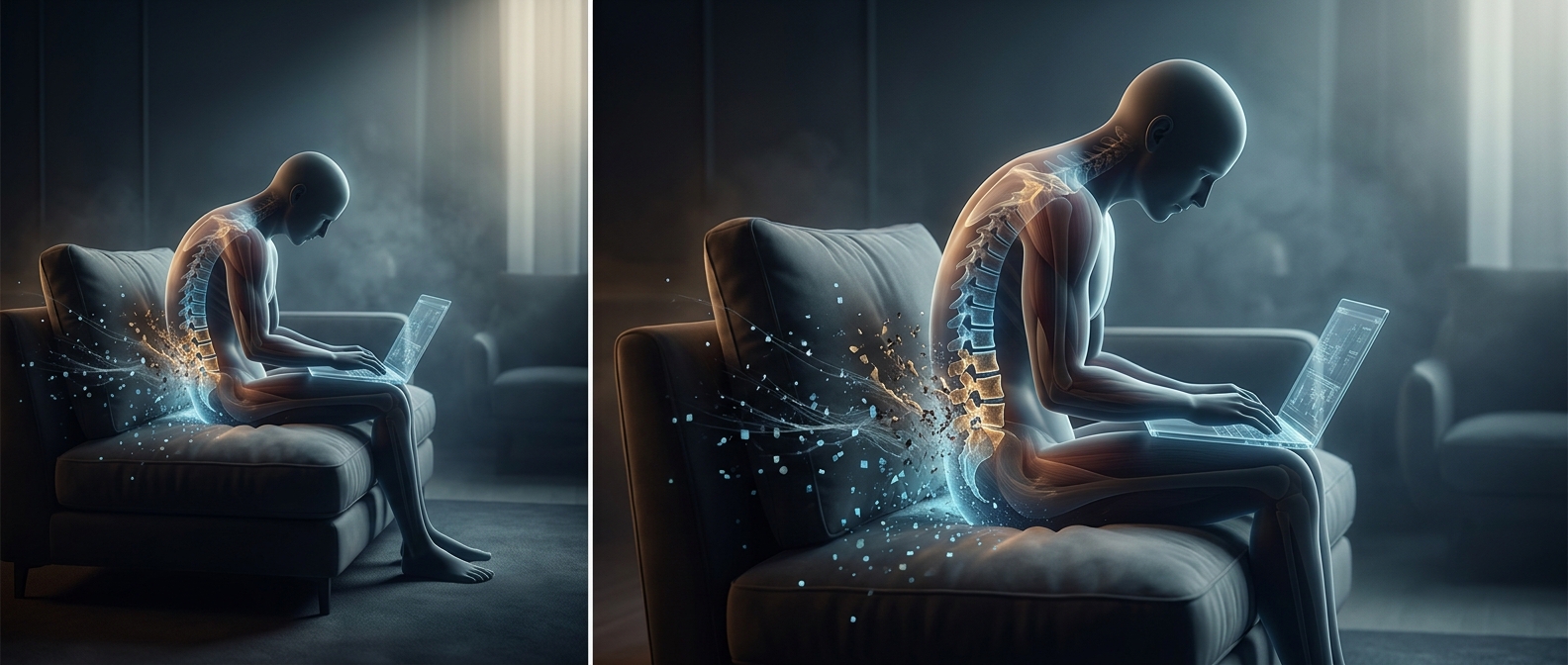
When a couch cushion gives way beneath the pelvis, the body often settles into a slouched position. The lower back’s usual inward curve may flatten, and the head and shoulders can drift forward toward a screen. The spine is not being damaged simply by taking this shape, but the muscles and other tissues supporting the trunk must accommodate it.
The key issue is often staying nearly still. Muscles that hold a posture keep working, while joints and surrounding tissues remain in the same position for a long stretch. When you stand and ask them to move differently, they may feel temporarily stiff or achy. That sensation is not evidence that the back has permanently lost its support.
Small Changes Reduce the Long, Static Load
A work surface that is too low can make slouching harder to avoid: reaching toward a laptop draws the upper body forward, while a deep seat may leave the feet unsupported. Bringing the screen closer to eye level, supporting the feet, or adding a firm cushion behind the lower back can make a more comfortable position easier to maintain.
No single posture has to be held perfectly. Shifting position or standing briefly gives the body a chance to move rather than endure one arrangement for hours. The practical takeaway is simple: a couch can make prolonged slouching more likely, but regular movement—not a rigidly “correct” pose—is what keeps a work session from becoming one long, unbroken load.