Why a sponge can become a microbial nursery
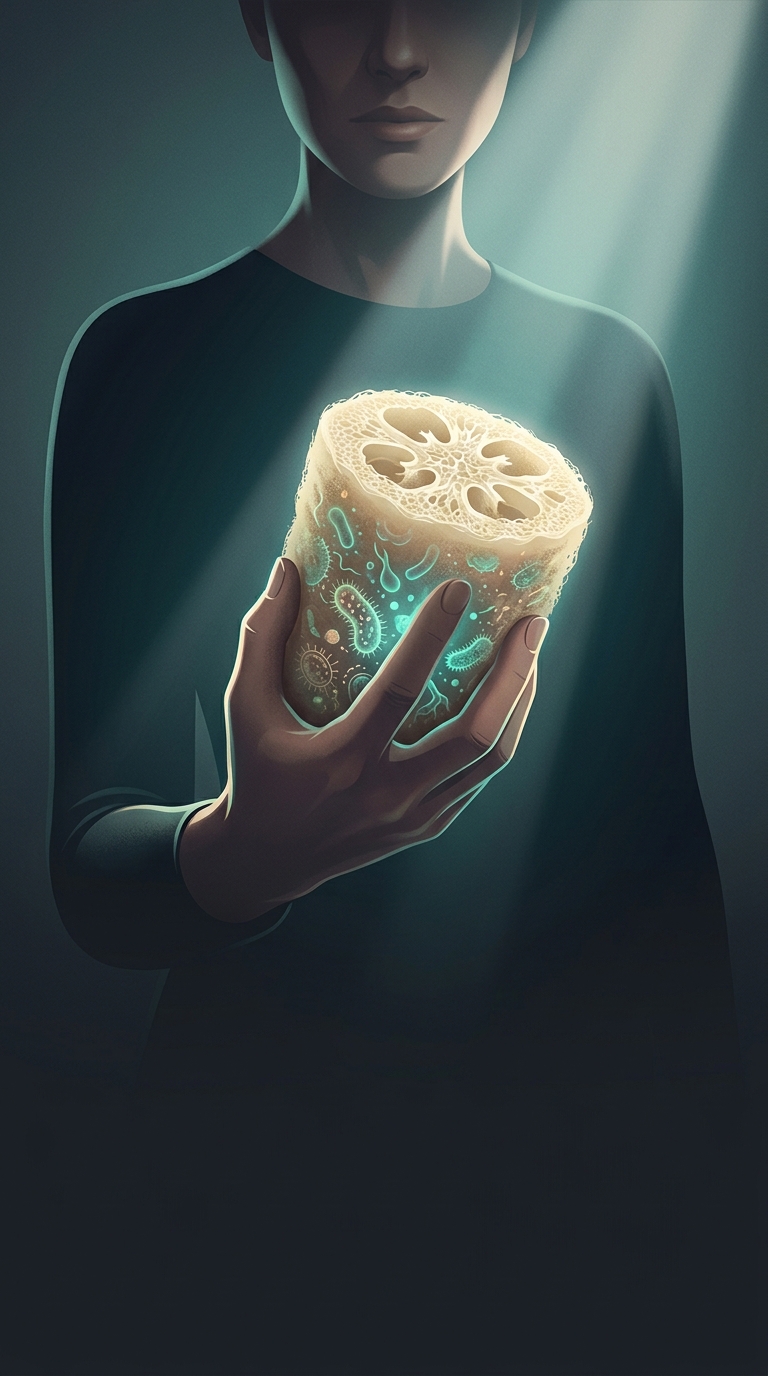
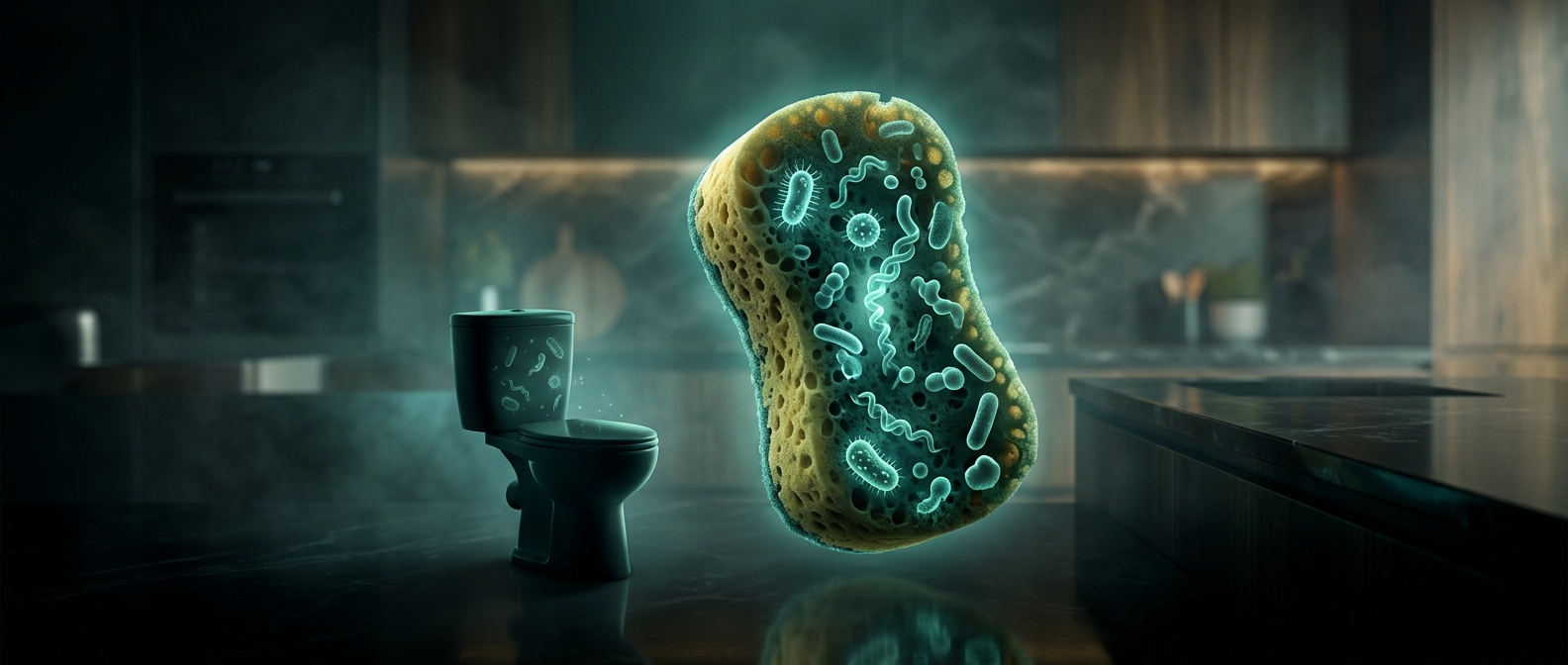
A sponge does more than soak up a spill: its maze of pores traps tiny bits of food and keeps them moist. That combination supplies both water and nutrients, while the sponge’s interior offers sheltered surfaces where microbes can remain between uses. A quick rinse may wash away visible crumbs without clearing everything lodged inside.
Each time the sponge is used again, it can pick up more residue—and spread microbes from one surface to another. A sponge used on a food spill, for instance, may later carry some of that material to a counter. Smell or discoloration can signal that it is time to replace it, but a sponge can harbor microbes before either appears.
“Dirtier” is not the same as more dangerous
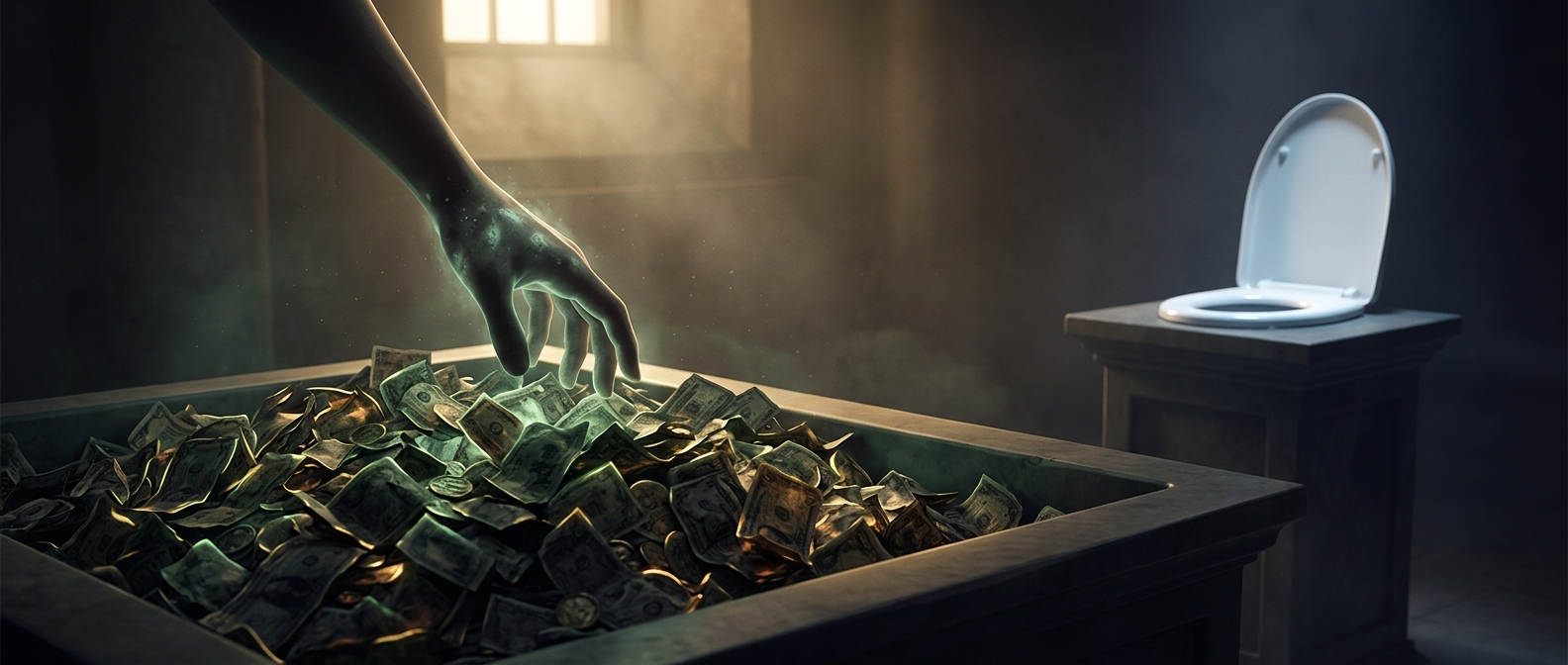
The comparison with a toilet is about how many microbes may be present, not a guarantee that a sponge holds more dangerous germs or poses a greater health risk. Microbes are everywhere; the kind of organism, how much is present, and whether it reaches food or a vulnerable person all matter. A high microbial count is not, by itself, a measure of danger.
The practical concern is repeated contact: a damp sponge can move residue around instead of removing it. Letting it dry thoroughly between uses and replacing it when it stays grimy, smells, or begins to break down helps limit that cycle. Its handy absorbency is also why it needs more care than its clean-looking surface might suggest.