How a Locker Becomes a TV Treasure Hunt
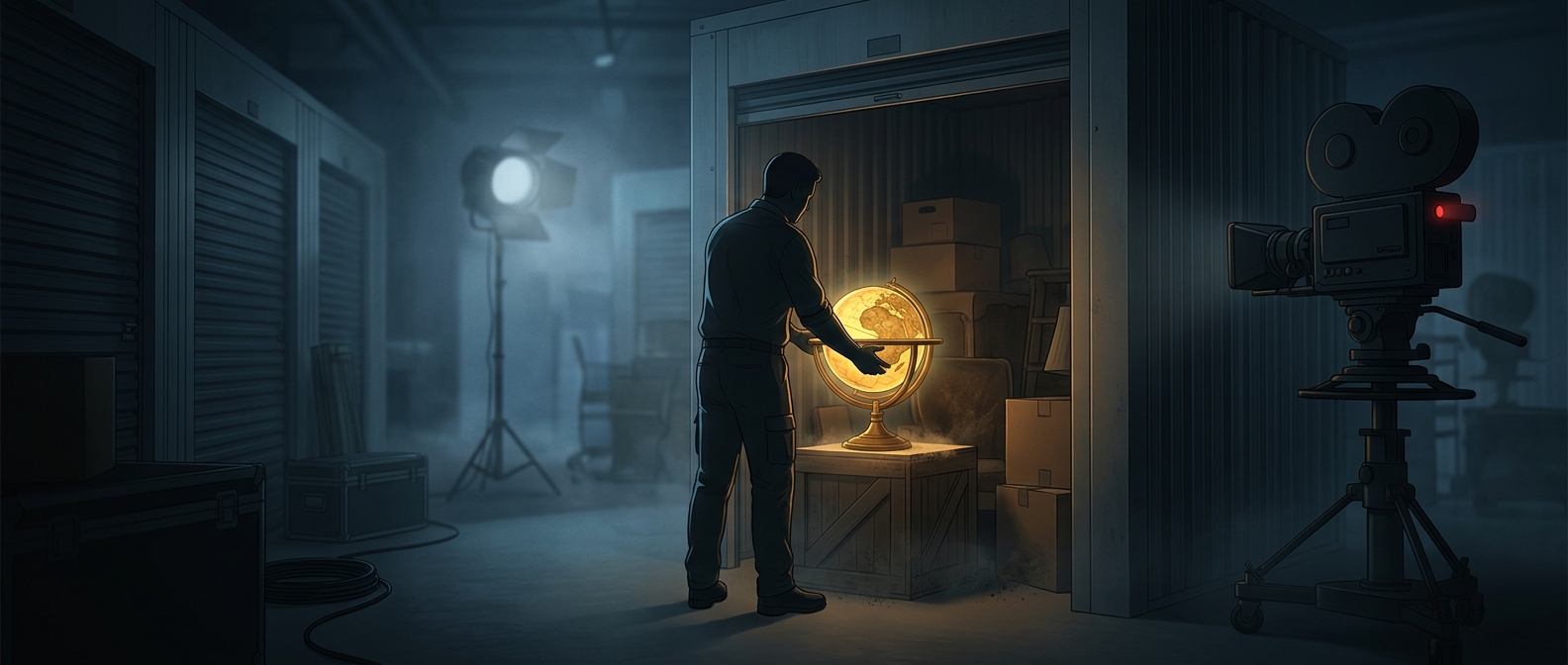
An abandoned-looking storage unit offers little suspense if it contains only boxes of worn-out household goods. For some reality shows, producers make the reveal more watchable by placing selected items in a locker before filming. The discovery can then build toward objects that are visually distinctive or seem worth investigating, rather than relying entirely on whatever happens to be inside.
That changes the scene from a purely chance find into a produced sequence. The camera can follow a visible clue—a striking object, an old-looking container, or something whose purpose is unclear—and let the audience wonder what it might be. The item does not need to be valuable; it needs to give the scene a question to resolve.
The Difference Between a Find and a Reveal
A stocked locker does not mean every part of the show is invented. Bidders may still react to what they see, and an object’s actual worth can remain uncertain. But the placement of an item shapes what viewers encounter and when. The production is arranging the opportunity for a discovery, not simply recording an untouched locker.
That distinction matters because the appeal of these programs rests on suspense: a glimpse, a guess about value, then an explanation or appraisal. A carefully chosen object can supply that structure in minutes. What looks like luck on screen may therefore begin with a producer deciding which surprise the audience is most likely to remember.