Why Philae Could Not Stick the Landing
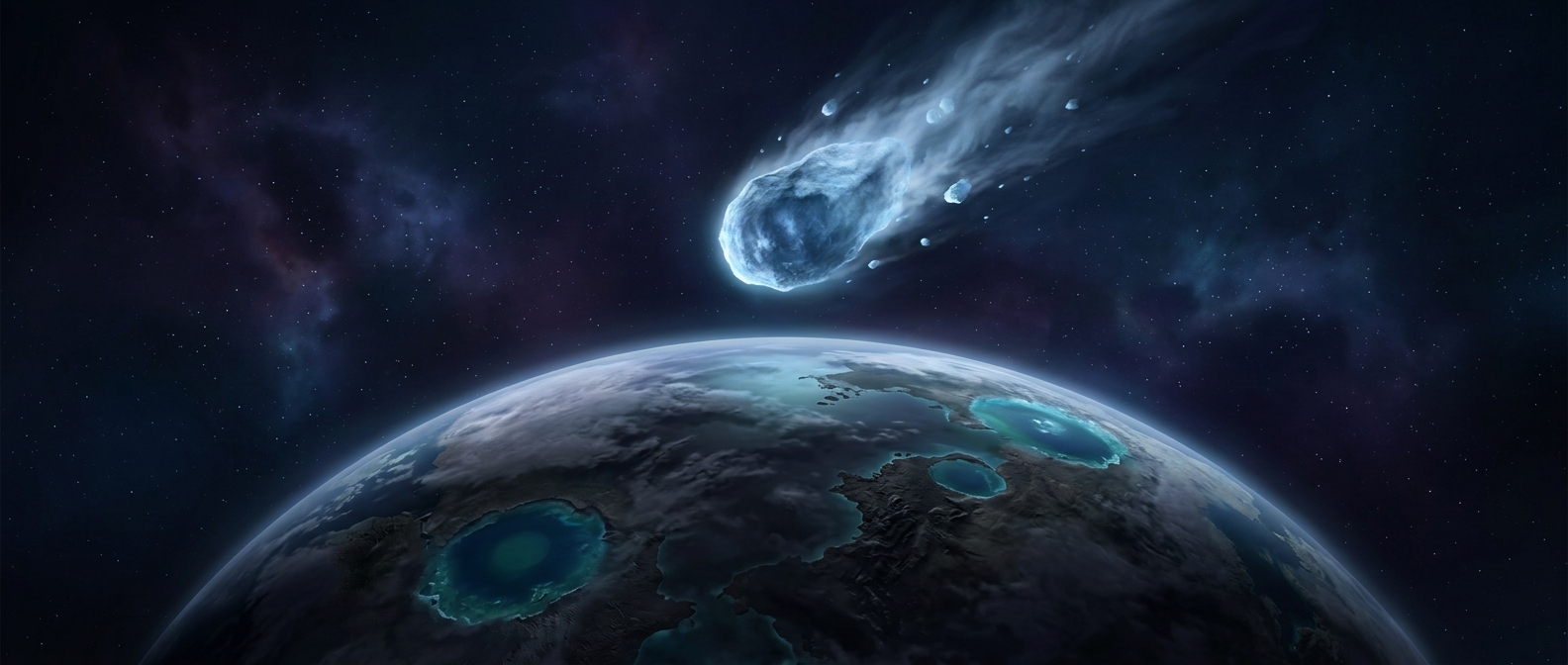
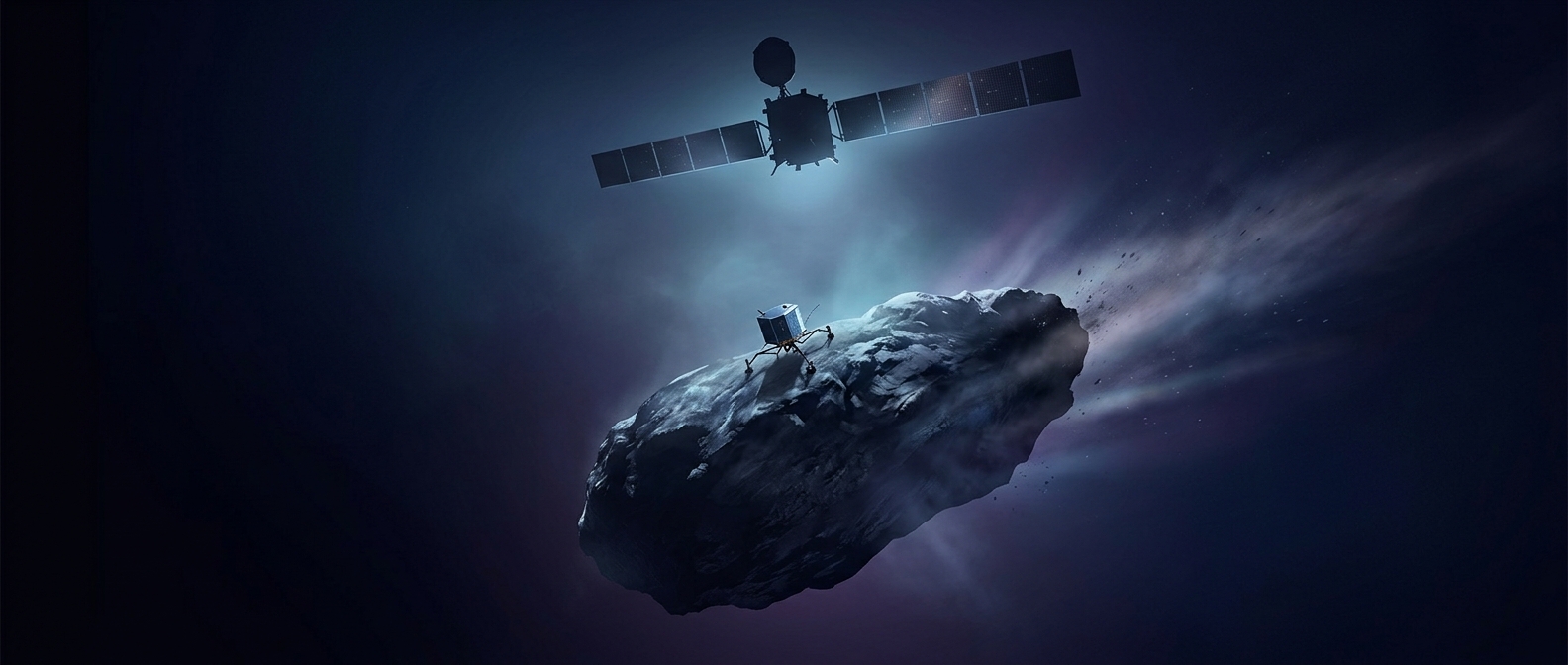
Touching down on a comet was not like landing on a runway. Comet 67P/Churyumov–Gerasimenko is so small that its gravity barely tugged on the lander. Philae could make contact and still drift back up instead of staying put.
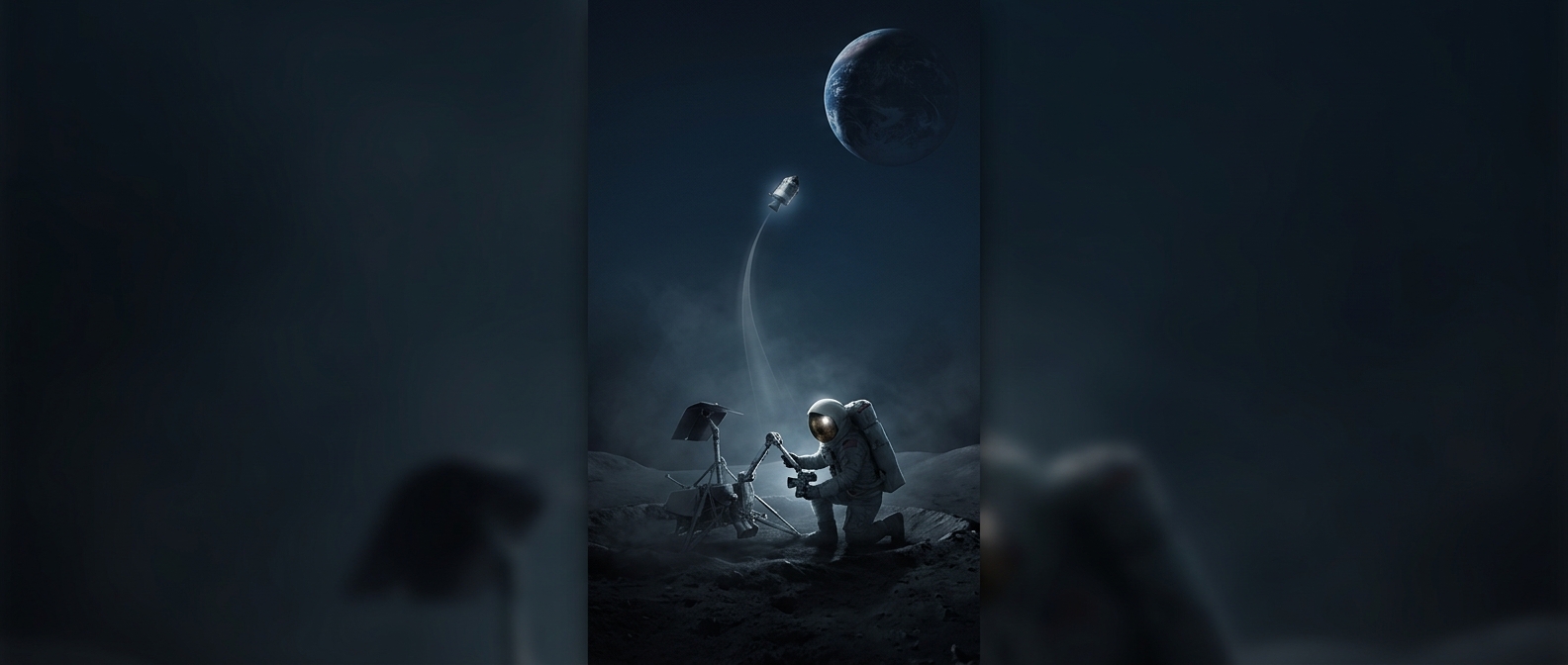
To hold it down, the lander carried harpoons meant to fire into the surface at touchdown. Its feet also had screws intended to grip the ground. But the harpoons did not anchor Philae, and the feet could not secure it during the first contact. With little gravitational pull pressing it against the comet, the lander rebounded.
A Bounce Became a New Landing Site
Philae spent about two hours moving away from the first touchdown point before coming down again, then made another brief contact before finally settling. The unexpected travel carried it into a shadowed spot, rather than the planned landing area.
That changed the mission’s practical limits. Philae relied on solar panels to recharge its batteries, and the shadows left them with too little sunlight for sustained operation. The lander still conducted a short sequence of experiments on battery power, but its location curtailed what it could do afterward.
The episode exposed the central engineering problem of landing on a tiny world: the ground can be reached without being captured. On a comet, a failed anchor does not merely mean a rough touchdown—it can send a spacecraft drifting to a place where its power supply no longer works.