Why Solitaire Makes a Good Detour
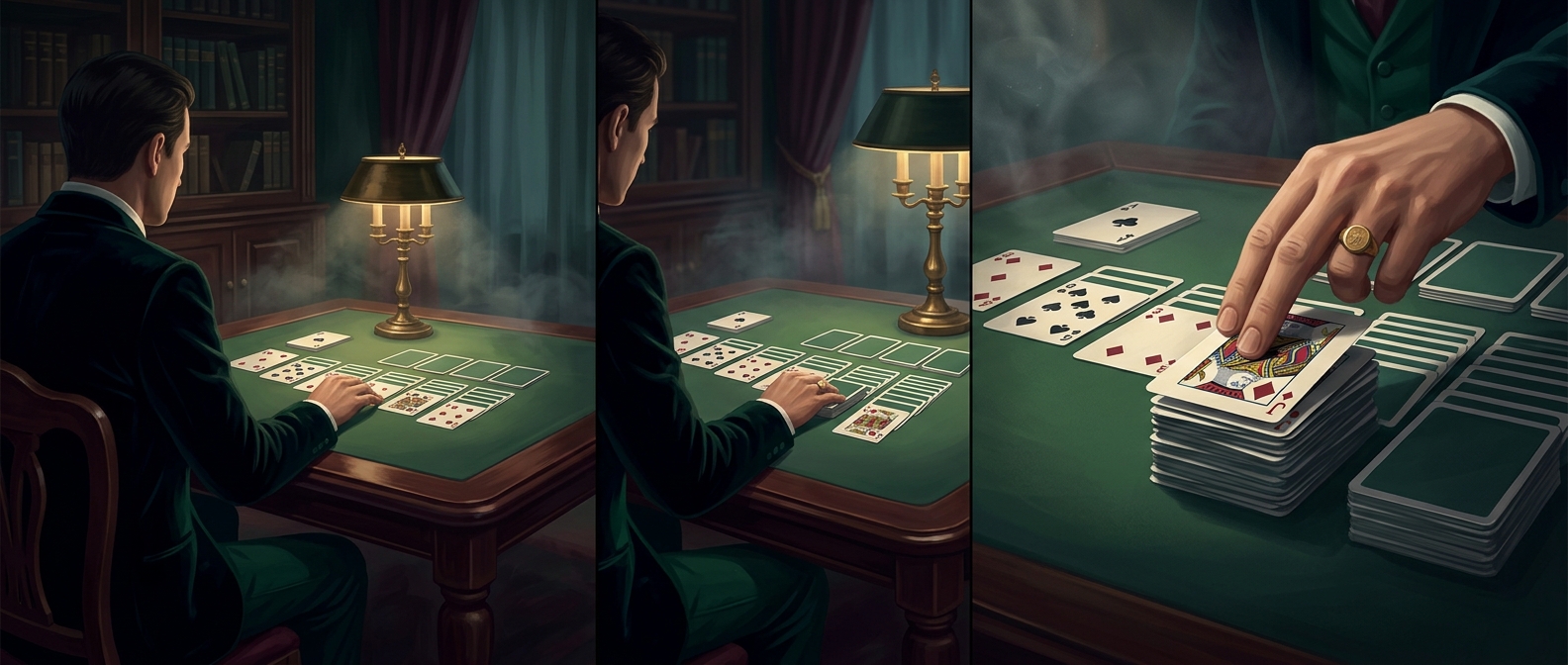
In Klondike solitaire, the familiar one-player card game, each move has a clear local goal: uncover a face-down card, build a descending sequence, or move a card to a suit pile called a foundation. The rules are simple enough to hold in mind, but the cards are dealt in a way that leaves some information hidden. A move can reveal a useful card—or leave you searching for another route.
That mix turns a quiet moment into a chain of small decisions. A newly uncovered card offers an immediate reward, and each rearrangement makes the board look a little more solvable. A to-do list, by contrast, often has no tidy sequence of moves or instant sign that anything has improved. Sorting cards can feel like progress because the change is visible and the next step is obvious.
A Loop With a Built-In “One More”
A deal eventually ends in a win or a dead end, but either result can lead straight to another round. Winning invites a fresh deal; getting stuck offers the tempting thought that the next arrangement may work better. The game therefore supplies its own stopping points while also making it easy to restart.
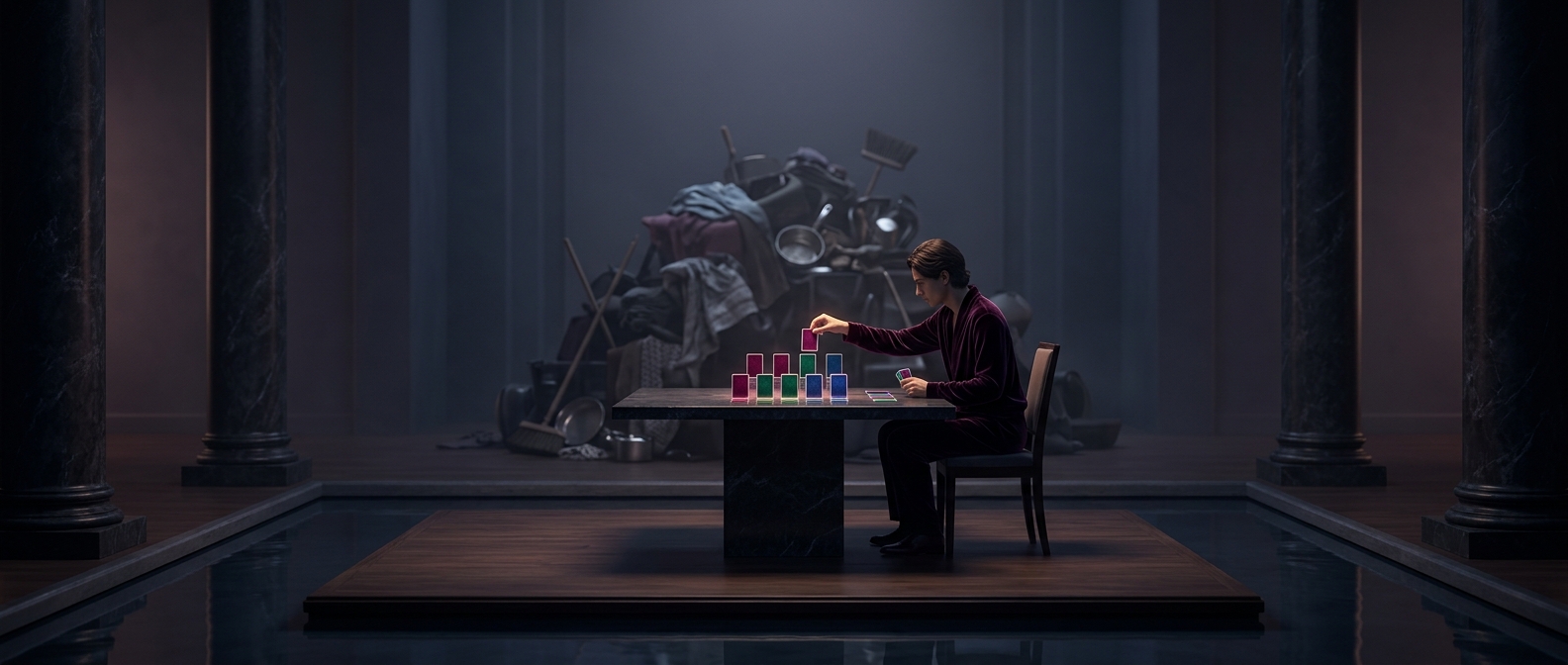
That is the procrastination loop: not an endless game, but a series of short, self-contained tasks that are easier to begin than a larger obligation. The cards keep presenting the next move, while the chore remains exactly where it was.