How Anti-D Turns a Dangerous Exposure Into a Preventable One
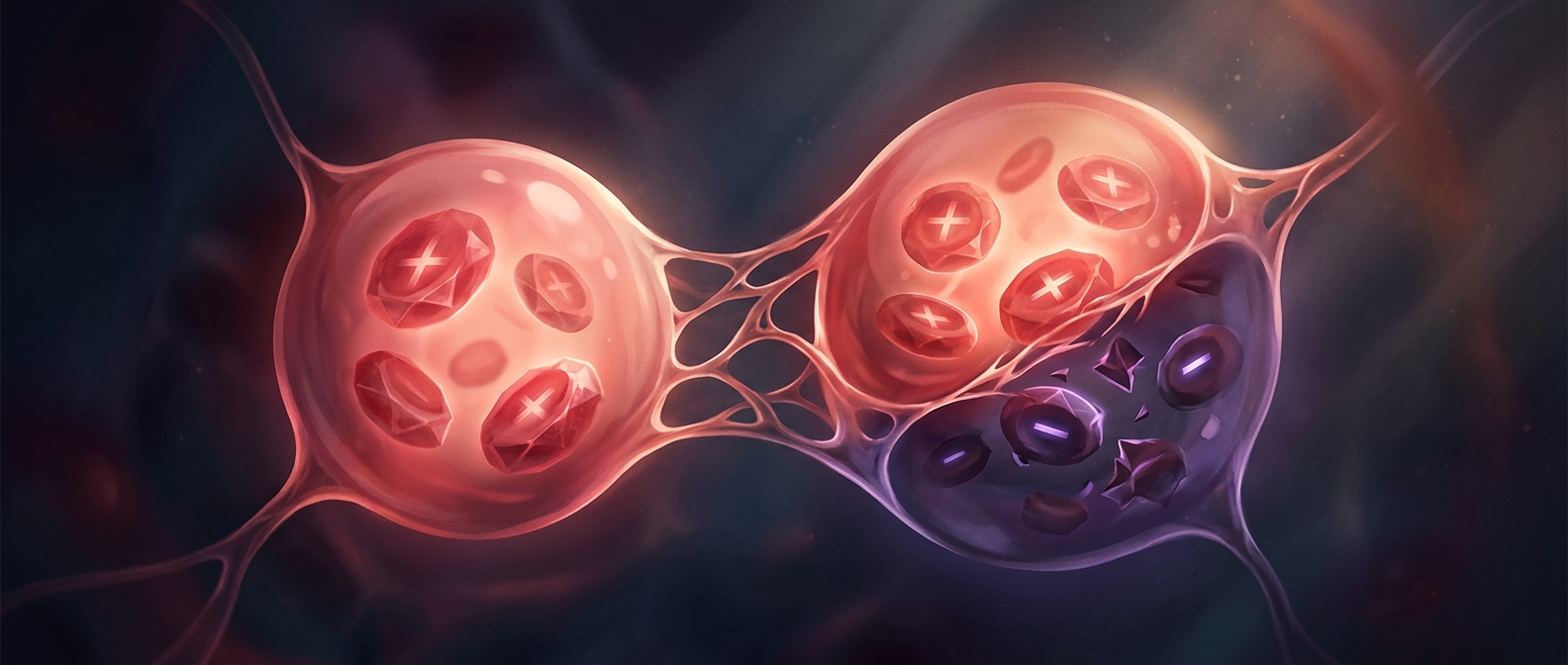
A small number of a fetus’s red blood cells can cross into the mother’s bloodstream, especially around birth. If the mother is Rh-negative and those cells carry the Rh-D marker, her immune system may treat them as foreign and build antibodies against them. This is called sensitization: the immune system learns to recognize the marker and can respond more forcefully the next time it encounters it.
That timing matters. A first Rh-positive pregnancy may pass without serious harm, while antibodies produced afterward can cross the placenta in a later pregnancy and destroy an Rh-positive fetus’s red blood cells. The danger is not simply that the mother and baby have different blood types; it is the lasting immune response that difference can trigger.
Why Donor Antibodies Can Prevent the Chain Reaction
Harrison’s plasma contained anti-D antibodies—proteins that recognize the Rh-D marker. Specialists use these antibodies to make anti-D immunoglobulin, a medicine given to an Rh-negative mother after a possible exposure to Rh-positive blood.
The administered antibodies attach to fetal red blood cells that have entered her circulation. Those cells are then cleared before her immune system is likely to mount its own lasting response. In effect, the medicine handles the marker-bearing cells quietly, reducing the chance that the mother’s immune system will build its own anti-D defenses. It is prevention, not a treatment that repairs damage to an already affected fetus.
The Benefit Can Reach Beyond One Pregnancy
Preventing sensitization protects more than the pregnancy in which the medicine is given: it can also lower the risk in later Rh-positive pregnancies. That is why a donor’s unusual antibody supply could have consequences across families and generations. Harrison’s plasma became valuable not because it changed a baby’s blood type, but because it helped interrupt the immune system’s chance to remember it as a threat.