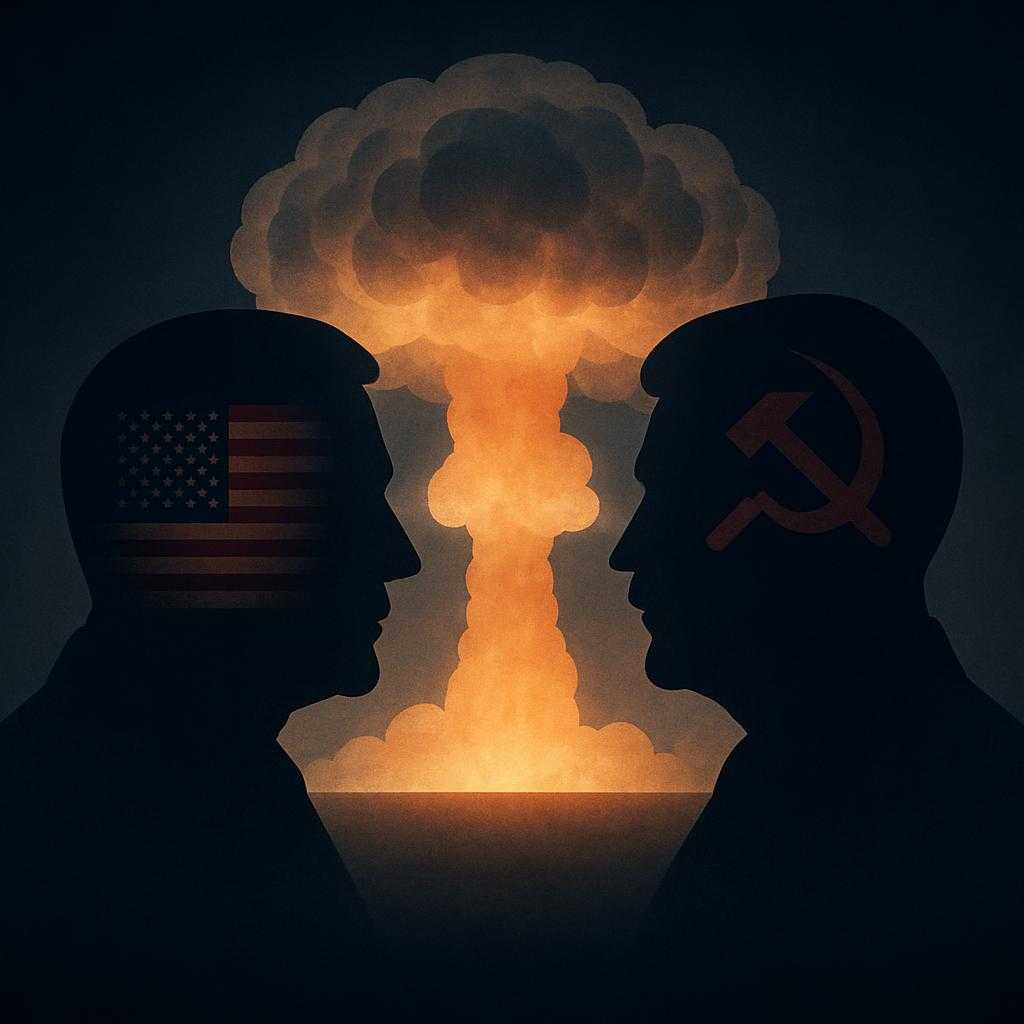
Cuba turned a strategic rivalry into an immediate crisis
In October 1962, the United States discovered that the Soviet Union was installing nuclear-capable missiles in Cuba, close enough to threaten much of the continental United States. Soviet leader Nikita Khrushchev had sent them to strengthen his position and deter another US-backed invasion of Cuba. For President John F. Kennedy, allowing the installations to become operational risked changing the balance of power; attacking them could trigger a wider war.
Kennedy chose a naval “quarantine”—a blockade-like barrier meant to stop more Soviet military shipments without immediately launching air strikes. For days, US and Soviet forces moved toward a possible clash. The danger grew when a U-2 spy plane was shot down over Cuba and another US aircraft strayed into Soviet airspace. Each incident narrowed the room for leaders to make decisions without escalation.
How the confrontation was defused
The crisis did not hinge on a single button or one dramatic moment. It was a chain of choices under pressure. The two governments had to communicate while military commanders and ships operated amid uncertainty about what the other side would do next. A confrontation at sea, an attack on Cuba, or a mistaken response to an incident could have made retreat much harder.
Khrushchev agreed to remove the missiles from Cuba in return for a US public pledge not to invade the island. In a separate, private understanding, the United States also agreed to remove its Jupiter missiles from Turkey. The settlement let both leaders step back without publicly presenting the outcome as a simple defeat.
The episode’s lasting lesson was practical: when nuclear forces are involved, even a limited crisis can become dangerous through miscalculation, not just deliberate orders. The United States and Soviet Union later established a direct communications link between their governments, intended to make urgent contact easier when the next crisis left little time to explain.