How a gourd turns into a scrubber
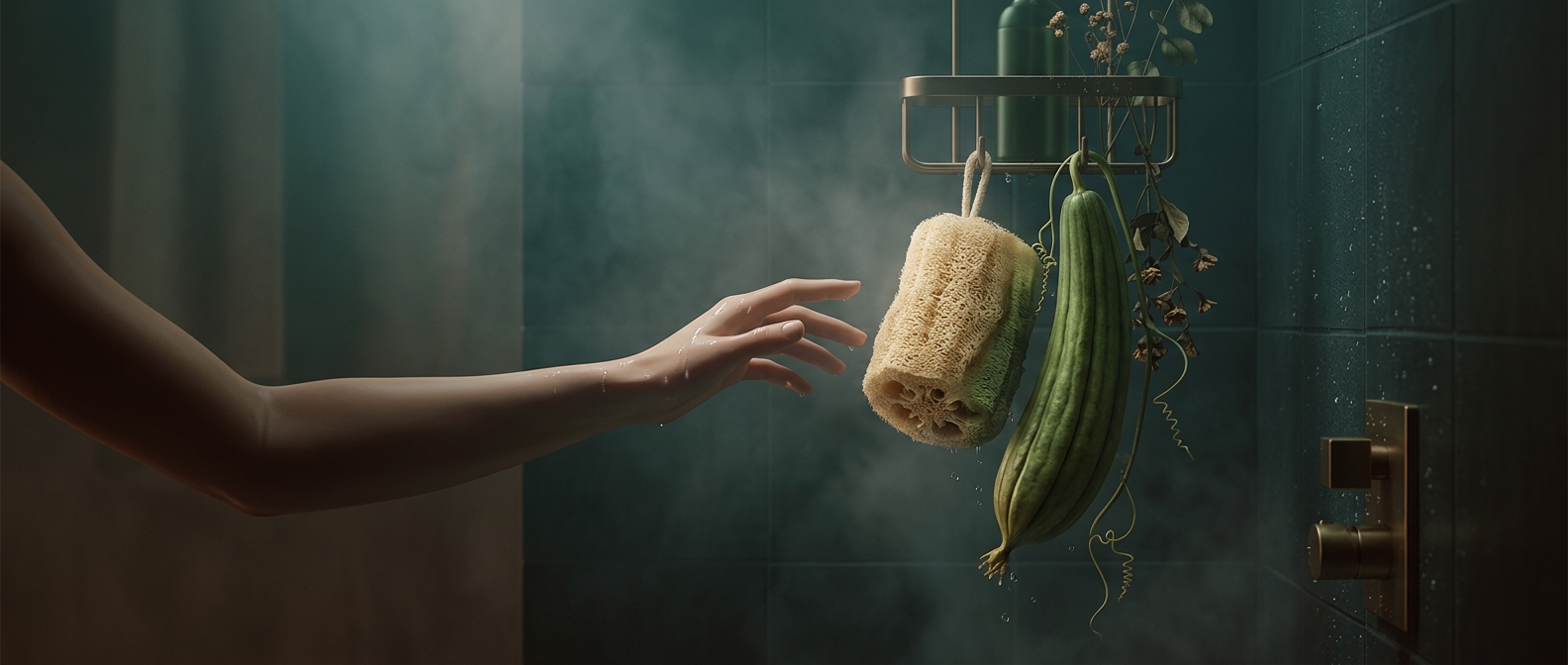
A natural loofah is the mature fruit of a luffa vine. When the fruit is young, its flesh is soft enough to eat. If it stays on the vine and matures, that flesh dries away, leaving a sturdy mesh of fibers that once carried water and nutrients through the growing fruit.
After harvest, the outer skin and seeds are removed. The remaining fiber is rinsed and dried, then cut or shaped for use. What feels like a purpose-built bath accessory is really the fruit’s inner support network, preserved after the edible parts are gone.
Why the texture matters on skin
The interwoven fibers create a rough surface that can lift away loose flakes of skin when rubbed over it. That texture is also why pressure matters: scrubbing hard, or using a loofah on irritated or broken skin, can cause irritation. A gentler touch lets the fibers do the work without turning exfoliation into abrasion.
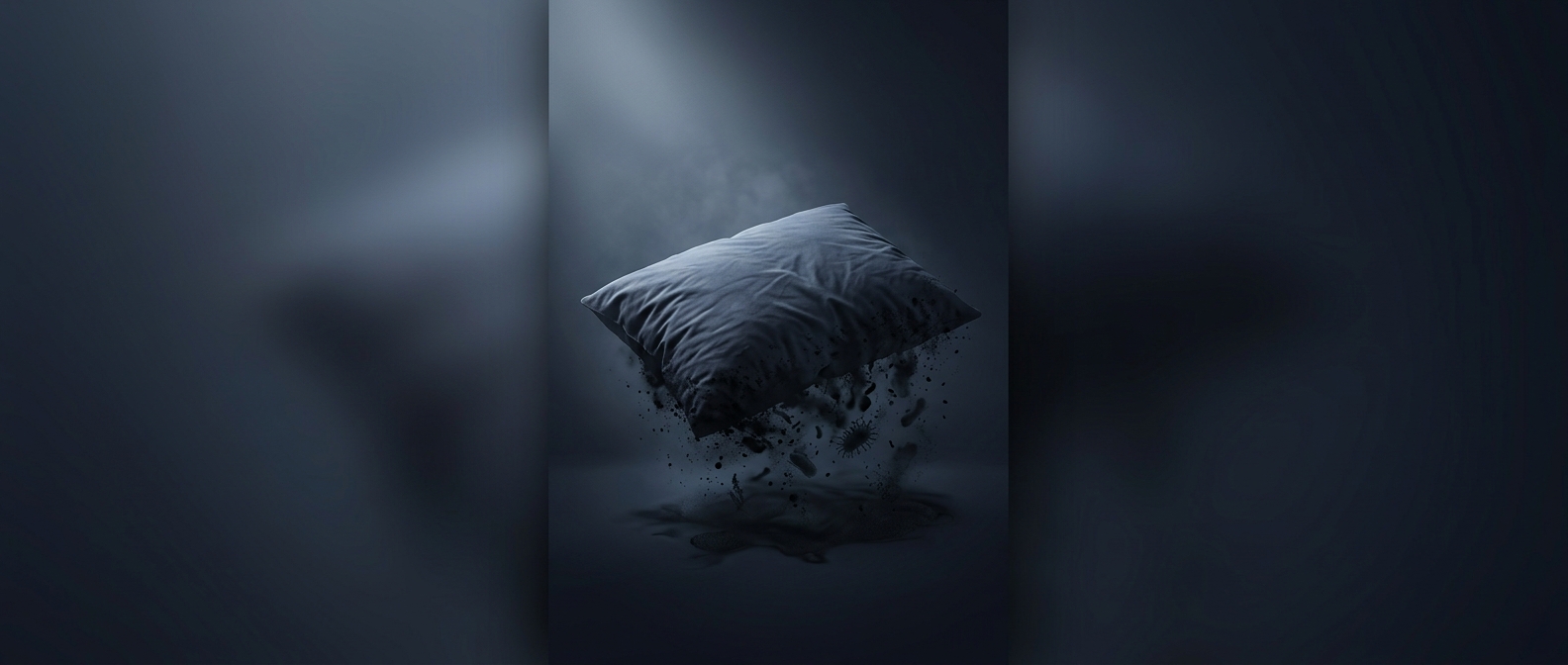
Because a loofah gets wet and holds bits of soap and skin, it needs to dry between uses; leaving it damp can encourage microbes to grow. Its natural origin does not make it self-cleaning. The same fruit can have two very different lives: eaten while tender, or left to mature until its soft flesh gives way to a durable web of fibers.