How a Small Amount of Water Reaches Every Dish
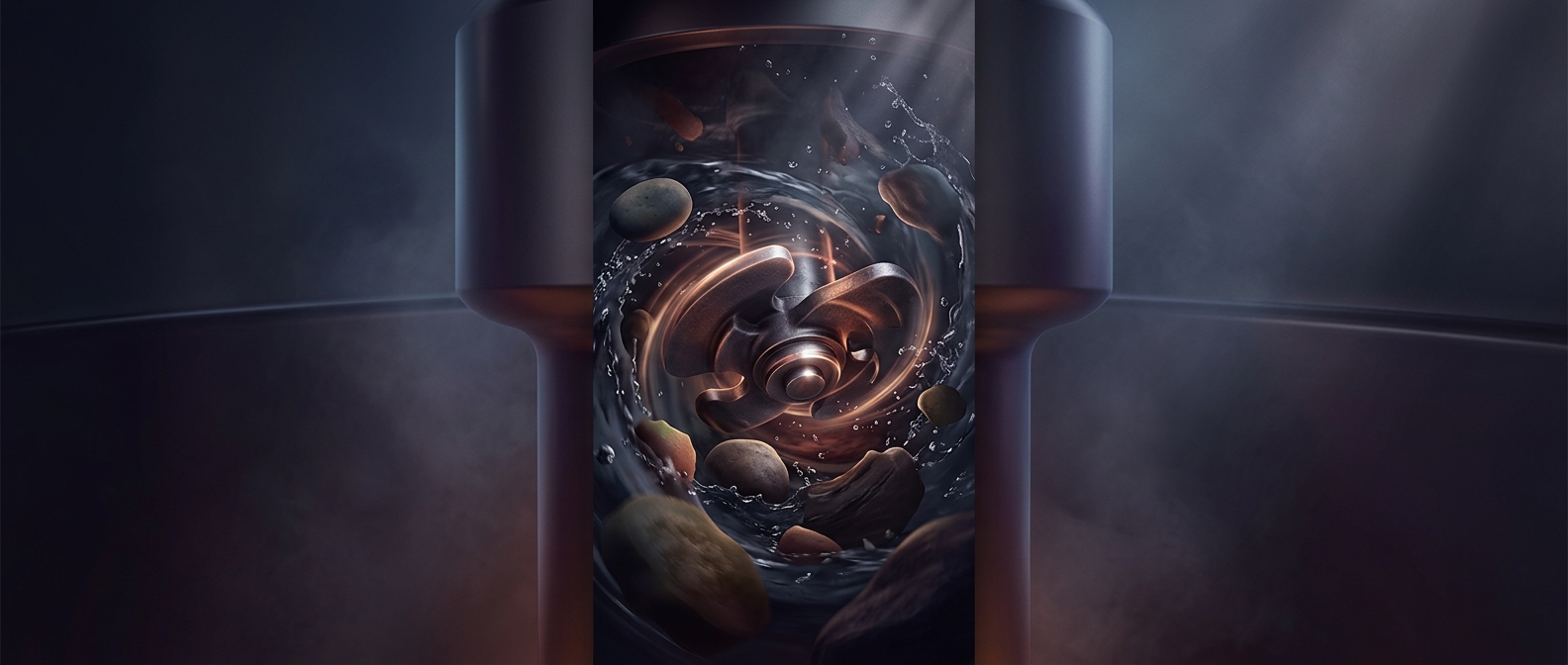
A dishwasher’s pump draws water from the shallow pool at the bottom and forces it through narrow openings in the spray arms. The jets shoot out at angles, and their push makes the arms rotate—much like a sprinkler. As the arms sweep around, they send streams across the racks from changing directions, helping water reach the fronts, backs, and undersides of dishes.
The spray is forceful, but cleaning depends on more than pressure. Hot water softens greasy residue, while detergent helps loosen food and keep it from settling back onto surfaces. The combination lets moving water do useful work without filling the whole tub.
The Water Does More Than One Pass
During the main wash, the machine repeatedly pumps and sprays the same water. A filter catches food particles so they are less likely to be sent back onto the dishes. The dishwasher then drains the dirty wash water and brings in fresh water for rinsing; some machines also heat water during the cycle.
This reuse is why a dishwasher can wash a full load with a relatively small pool rather than a continuous flood. The tradeoff is that dishes need to be arranged so spray can travel between them. A plate that blocks another plate may stay dirty even when the spray arms are working normally.
Why Loading Changes the Result
Spray arms need room to turn, and their jets need open paths through the racks. Large items can shield smaller ones, while a utensil lodged below can stop an arm from spinning. The machine’s cleaning system is therefore a moving route for water: give the jets access, and the same recirculated pool can reach far more surfaces than its volume suggests.