Why animated characters borrow the look of babies
A large head, big eyes, rounded cheeks, and a small nose can make a character feel appealing before it says a word. These are features of baby schema: a cluster of infant-like traits that tends to prompt attention and care in people. The response has evolutionary roots in the need to notice and protect vulnerable young, but it can also be elicited by fictional faces.
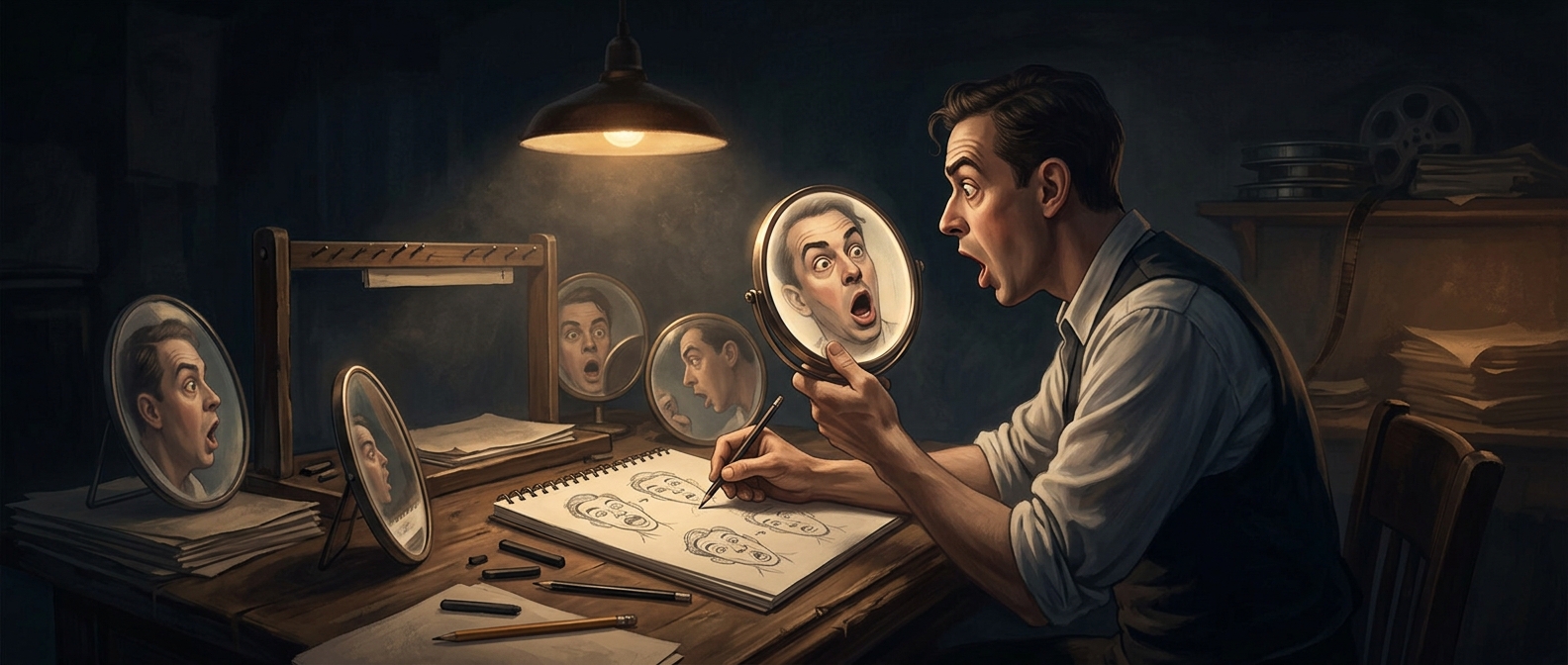
Animation gives artists unusual control over those cues. They can enlarge the eyes, soften the jaw, or shorten the nose beyond realistic proportions, making a face easier to read and more emotionally inviting. The result can feel like an evolutionary “exploit”: a designed image taps into a response that did not evolve for cartoons.
Why the effect can feel unsettling
The trick works best when the character remains recognizably a person or animal. If its features are pushed too far—or if a nearly realistic face moves in ways that seem slightly wrong—the same attention-grabbing design can become uncomfortable. Viewers may sense a mismatch between familiar human cues and an unfamiliar face or motion.
That tension helps explain why character design is a balancing act. Too little exaggeration can make an animated face hard to read at a glance; too much can turn cuteness into oddness. Not every Disney or Pixar character uses the same recipe, but infant-like proportions are one powerful tool for making a character seem approachable. The unsettling part is that a made-up face can borrow the visual signals our minds treat as worth caring for.