Why snowboarders angle both feet outward
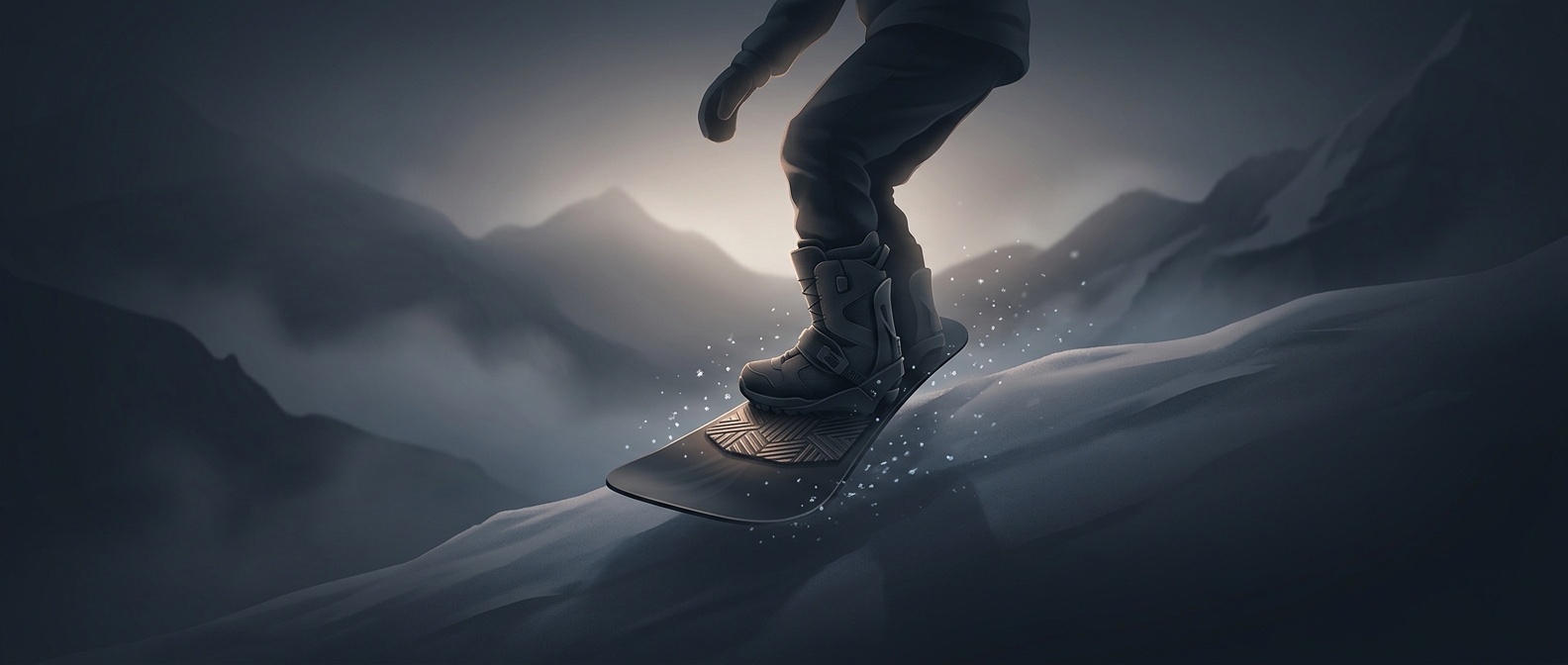
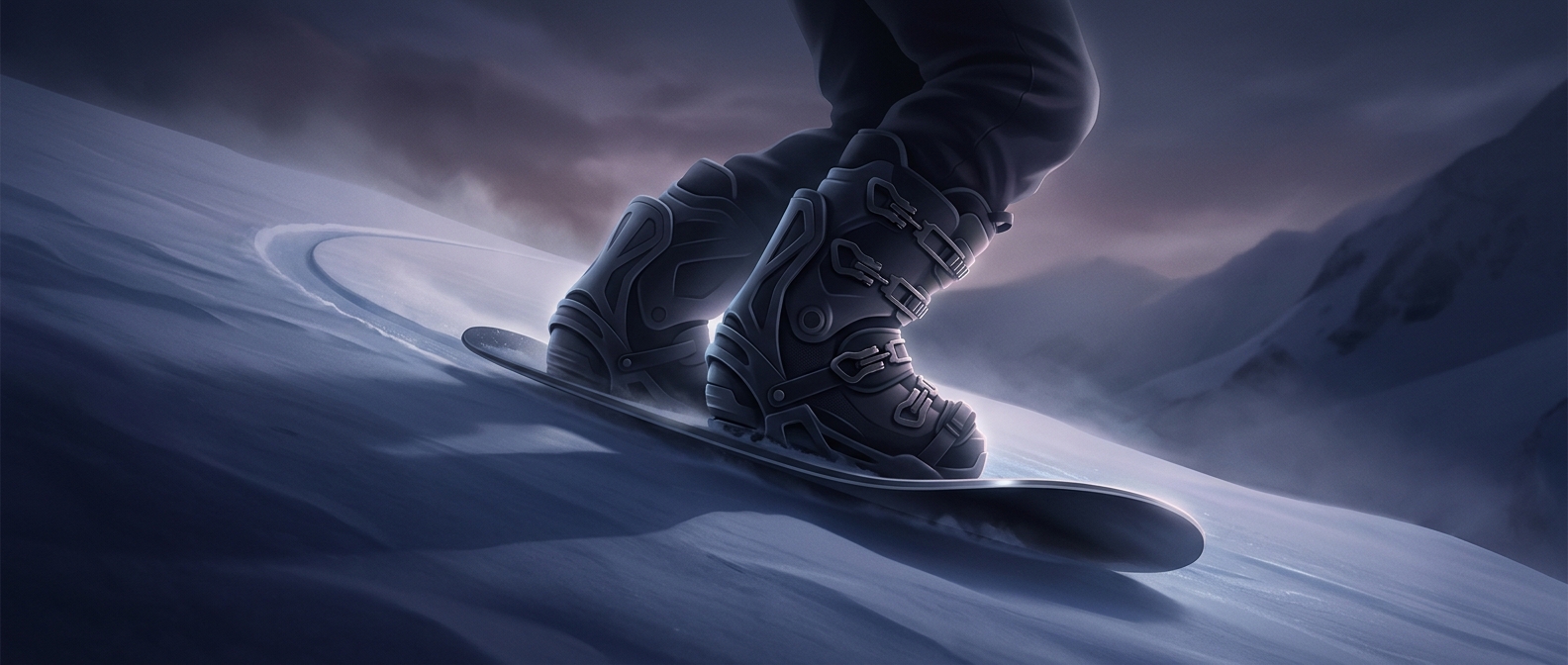
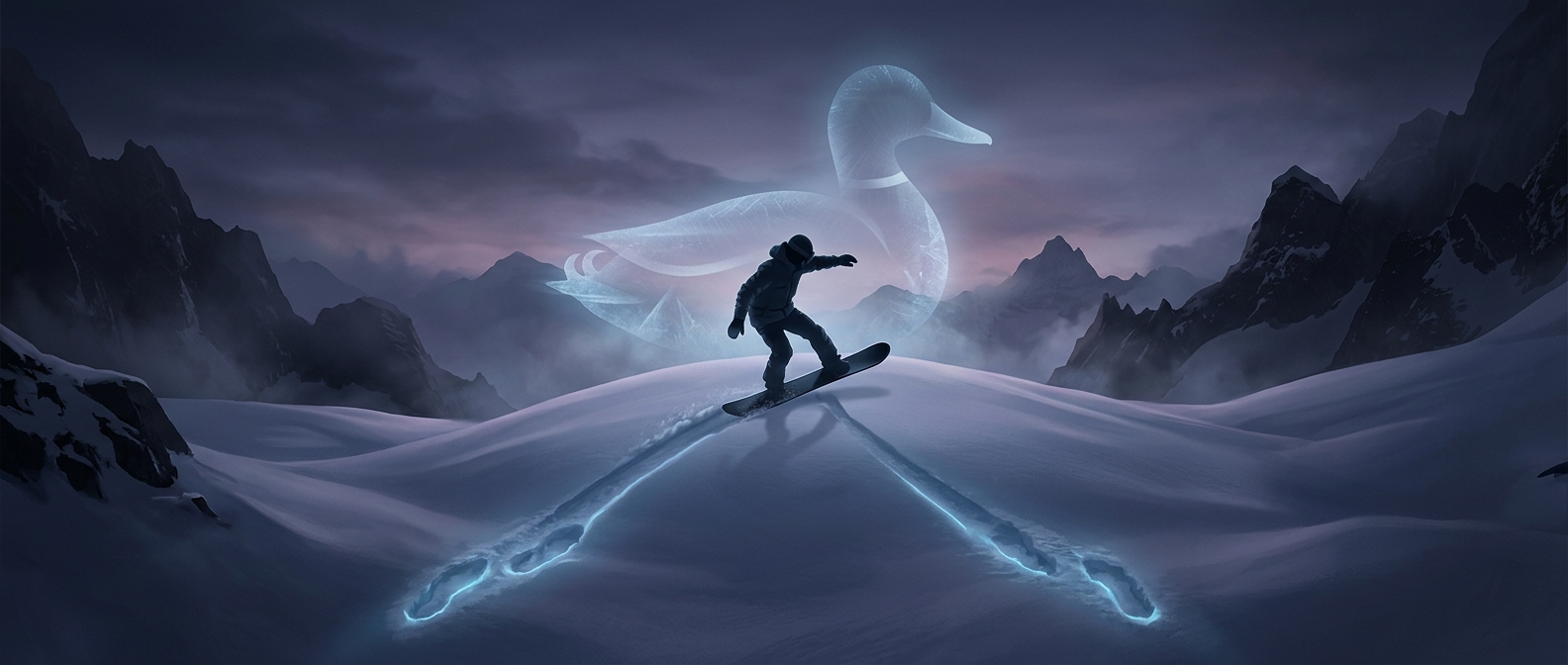
In a duck stance, the front binding points toward the board’s nose while the rear binding points toward its tail. The feet form a shallow V, rather than both pointing the same way. That opposing setup gives the rider a more balanced position when traveling either direction: the foot that leads changes, but neither leg has to rotate sharply to make the switch.
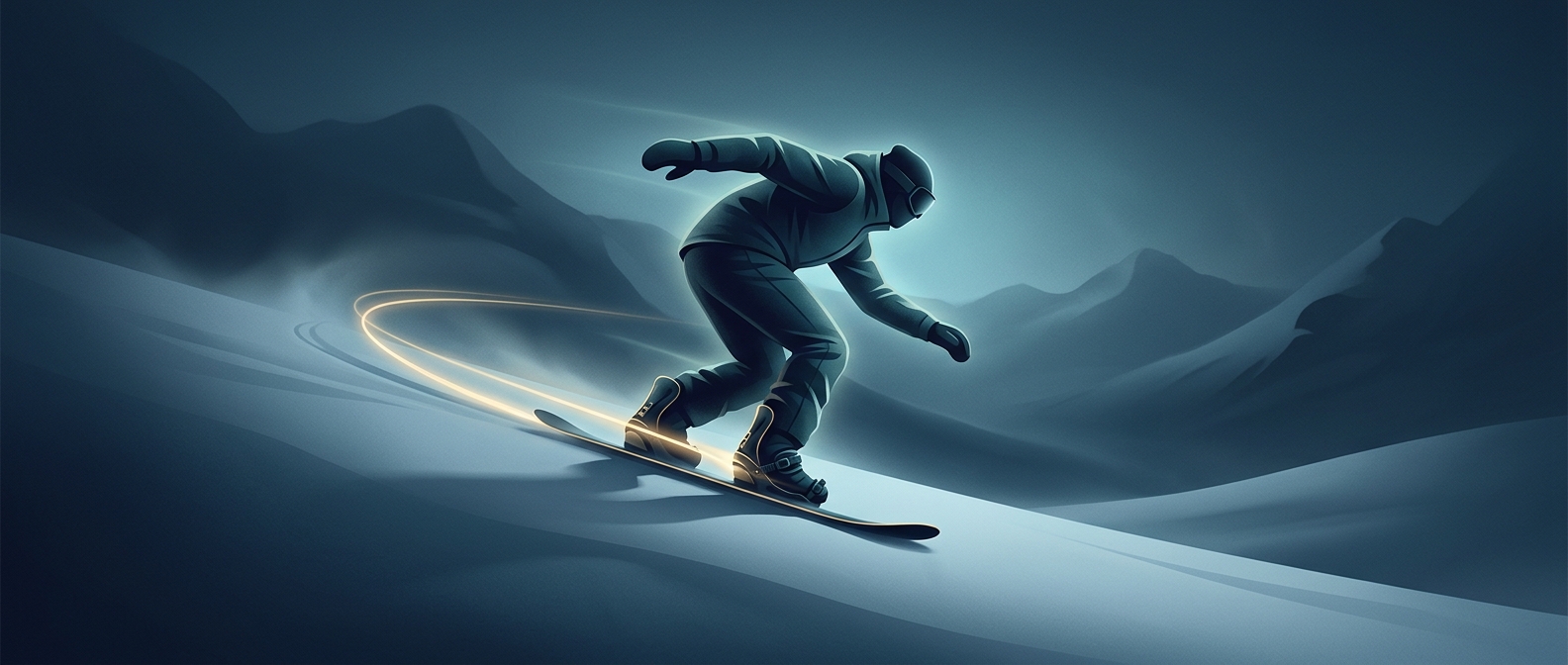
That matters because a snowboarder’s hips and knees follow the direction of the feet. With both bindings angled forward, riding backward—called switch—can feel cramped: the rear leg is asked to lead while the hips remain oriented for the other direction. Turning the rear foot outward gives that leg room to take over, helping the rider keep a centered stance and use familiar movements to steer and absorb bumps.
A versatile setup, not a universal one
Duck stance is useful for riders who switch directions often, including those practicing spins or riding in terrain parks. It can also make basic practice less lopsided because turning and balancing in one direction does not require a completely different foot position from the other.
The angles are adjustable, and riders do not necessarily set the bindings equally. A modest outward angle can preserve a comfortable forward-facing posture while still making switch riding easier. The tradeoff is that a strongly symmetrical setup may not feel as natural to someone who almost always rides with the same foot forward. The point is not to force a particular style, but to make either end of the board usable as the front—so changing direction does not demand an awkward twist through the knees and hips.