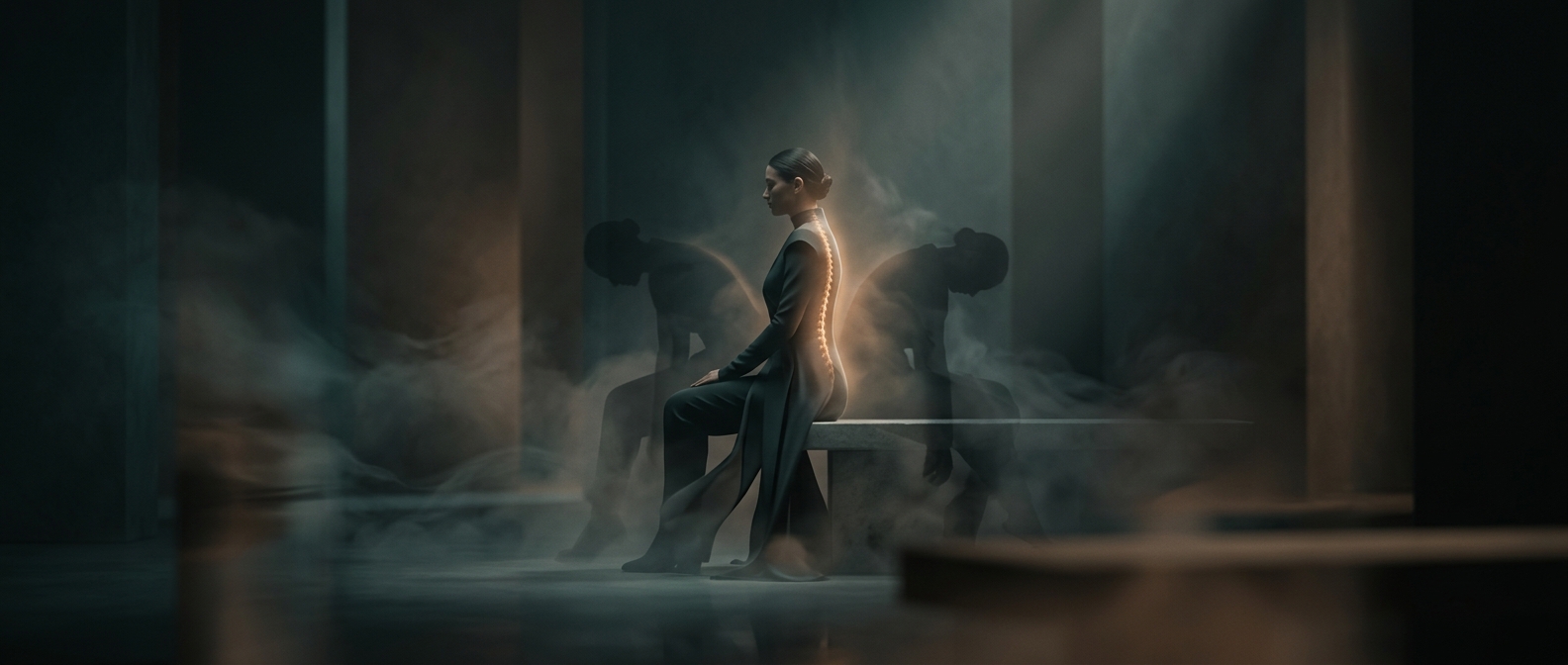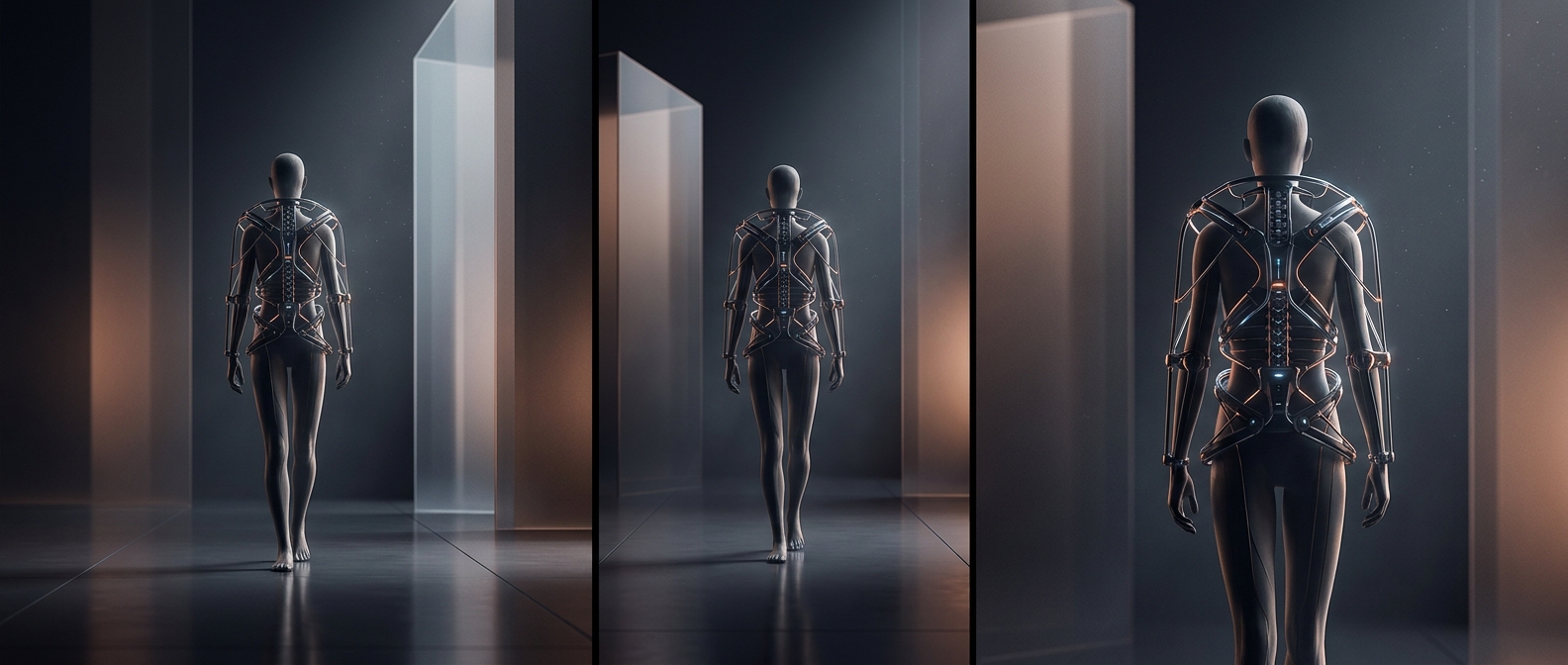
Why posture braces can feel harder to wear than they look
A posture brace works partly by making a slouched position harder to maintain. Its straps create a backward pull or pressure that reminds the wearer to change position. That cue may help in the moment, but it does not automatically build the strength or endurance needed to hold a comfortable posture without the brace.
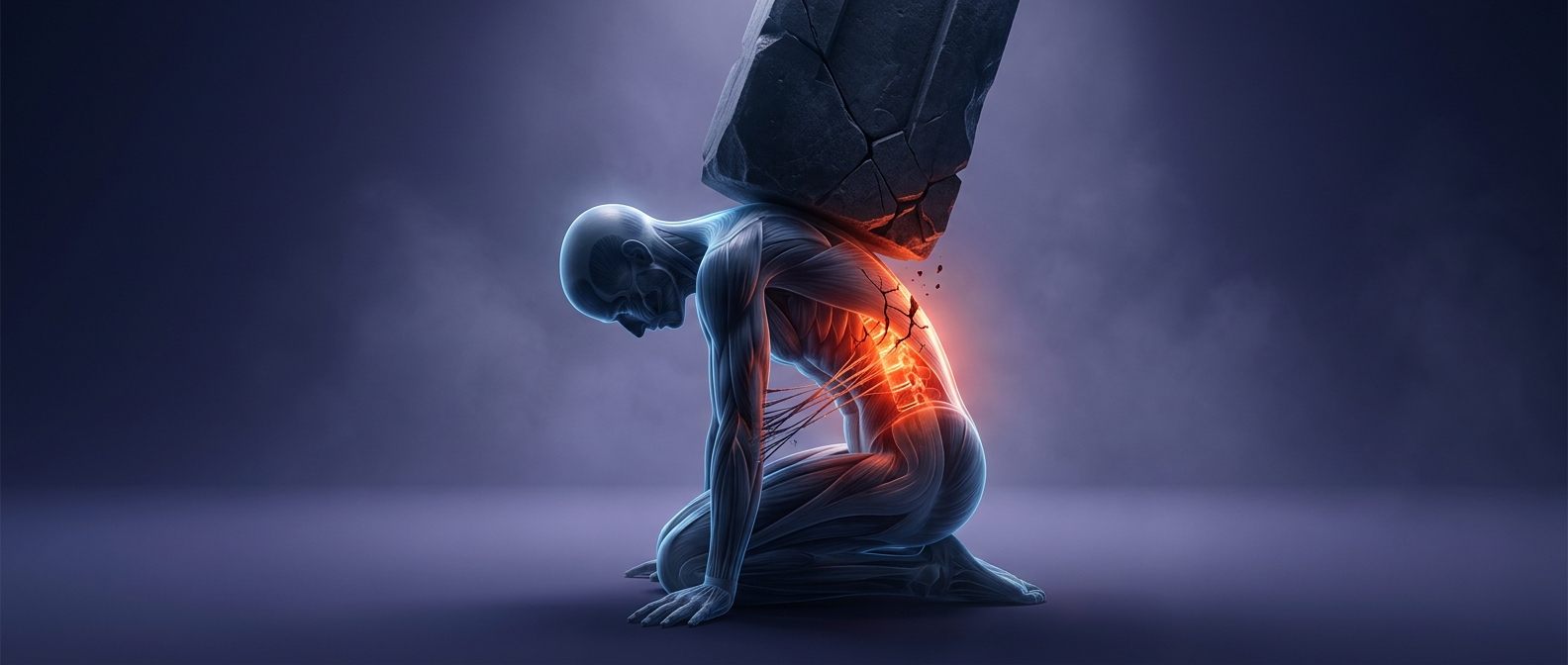
The body also resists being held in one position for long. Straps can press on skin, rub at the underarms, or restrict ordinary movement; a brace that is too tight or poorly fitted can make those problems worse. Even a correctly fitted device may become uncomfortable if it is worn for too long at once.
A brace is a cue, not a complete fix
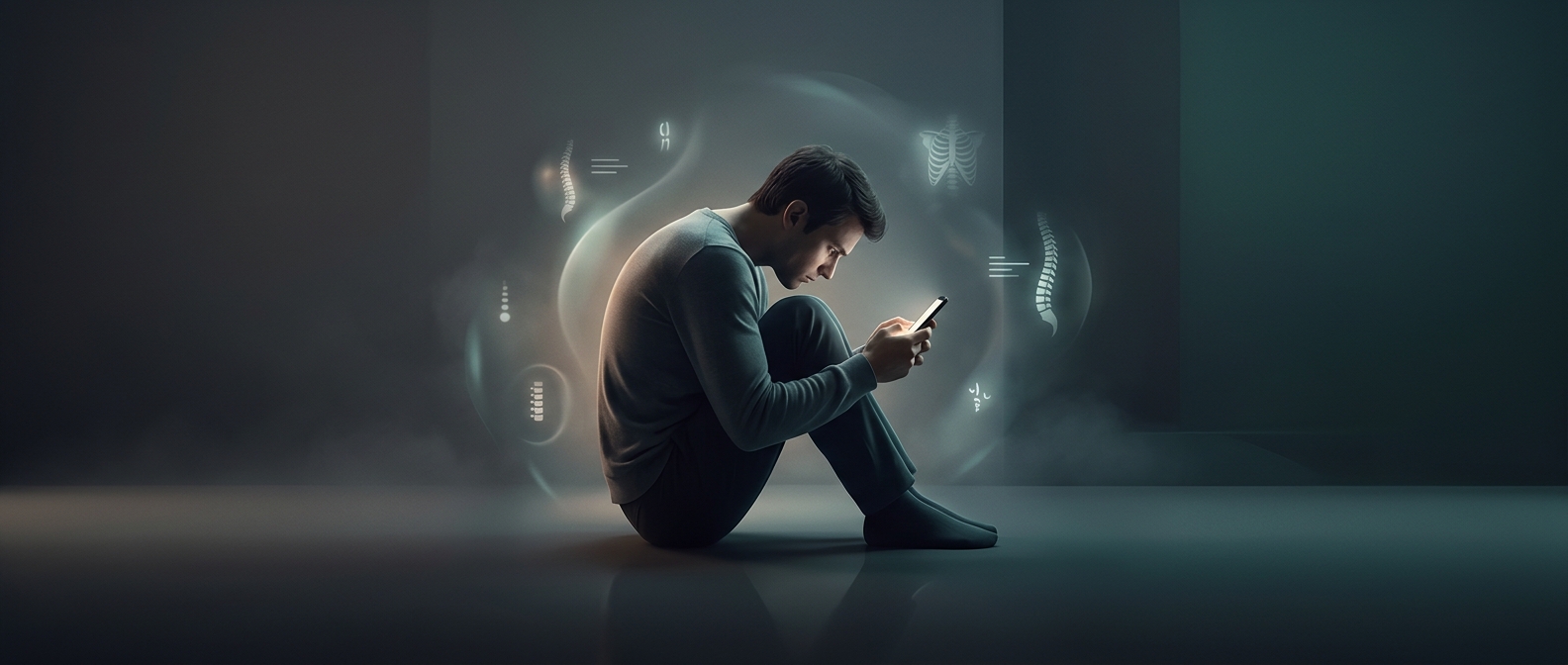
Many over-the-counter posture braces are meant to encourage awareness, not permanently reshape the spine. The underlying discomfort may also reflect a workstation, repetitive habits, or muscles tiring during a long day. A harness cannot change those conditions by itself. For some people, gradual movement and exercises selected by a clinician are more useful parts of a longer-term plan.
That is why wearability matters: a device that is abandoned cannot provide its intended reminder. If a brace causes pain, numbness, skin injury, or breathing difficulty, stop using it and seek medical advice. Braces prescribed for specific spinal conditions are a different matter; their fit and wearing schedule should follow the treating clinician’s instructions. The practical test is not how forcefully a brace pulls, but whether it can be used safely and comfortably enough to serve its purpose.