Why a Wrong Train Can Carry You Far Off Course
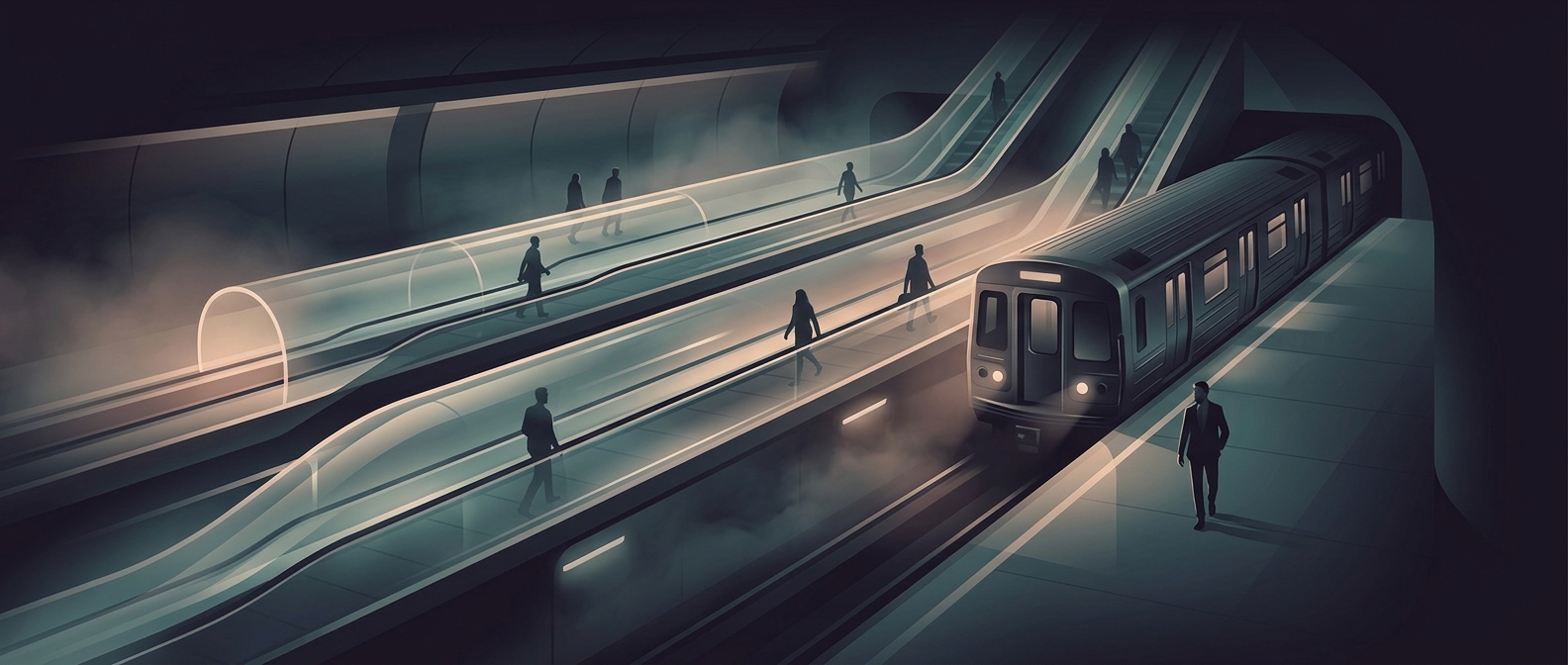
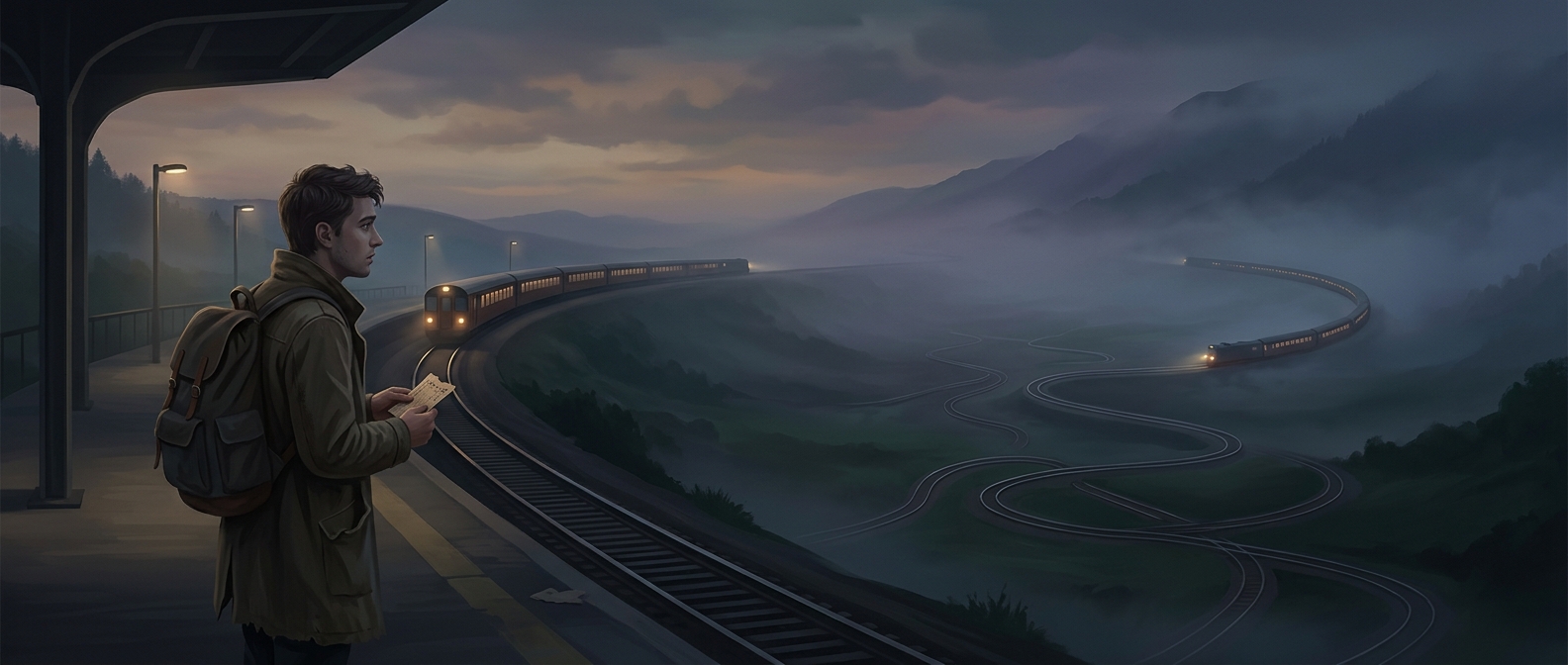
A rail network is less like a road, where a driver can turn around at the next corner, and more like a set of connected corridors. Each train can travel only on tracks physically linked to its route. To change lines, it must reach a junction where rails split or merge—and that junction may be several stations away.
At a junction, switches move sections of rail to direct a train onto one branch or another. They are coordinated with signals and other trains, so a driver cannot simply steer onto a different track when a passenger notices the mistake. On many systems, the track layout also lacks a convenient place for a train to reverse direction between stations.
The Detour Is a Network Problem
The quickest way back is often to ride to a station where the train’s route connects with the line you actually need, then transfer or travel in the opposite direction. If that connection is beyond the intended destination—or if the train skips stations where lines meet—the mistake can add a surprisingly long stretch of travel.
Schedules matter, too. A route may share tracks with another service for part of its journey, then branch away. That makes a train seem headed the right way at first, even though it is bound for a different part of the network. The practical lesson is to check the route’s destination and major stops before boarding: on rails, a small platform-side mistake can become a long detour because the train’s next possible turn is built into the network, not chosen on the fly.