How the mountains changed the fight
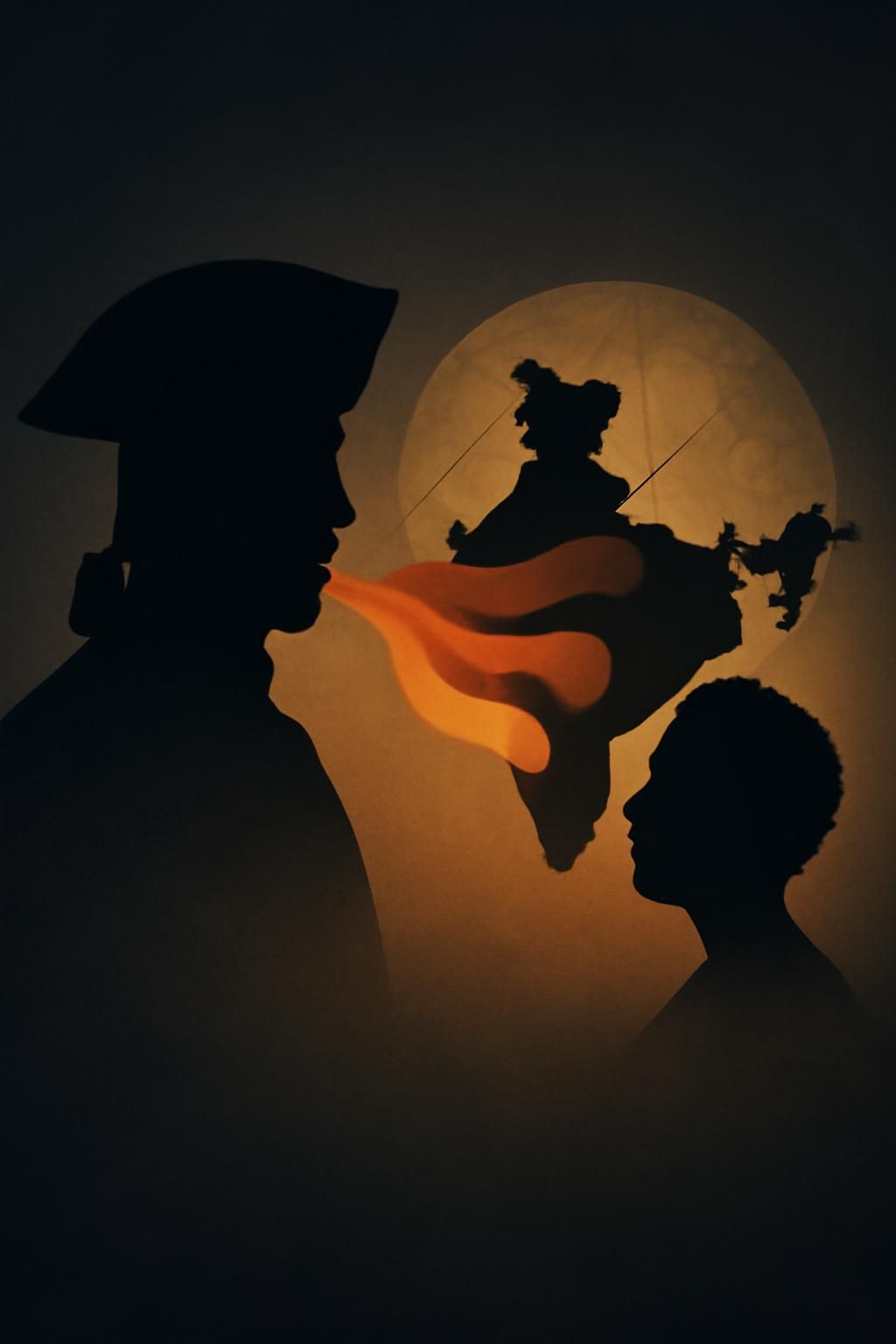
Queen Nanny is remembered as a leader of the Windward Maroons, communities formed by Africans who escaped slavery and built independent settlements in Jamaica’s interior. In the early 18th century, British forces trying to capture those settlements faced a problem: the Blue Mountains were steep, forested, and unfamiliar terrain. A conventional army could struggle to move, see, and keep its supply lines intact there.
Maroons could use that landscape differently. Small groups familiar with the routes could strike and withdraw before a larger force could respond. Maroon communities also used the abeng, a horn made from a cow’s horn, to send signals across distances. Concealment and surprise made military strength less important than local knowledge and mobility.
A war that ended in negotiation
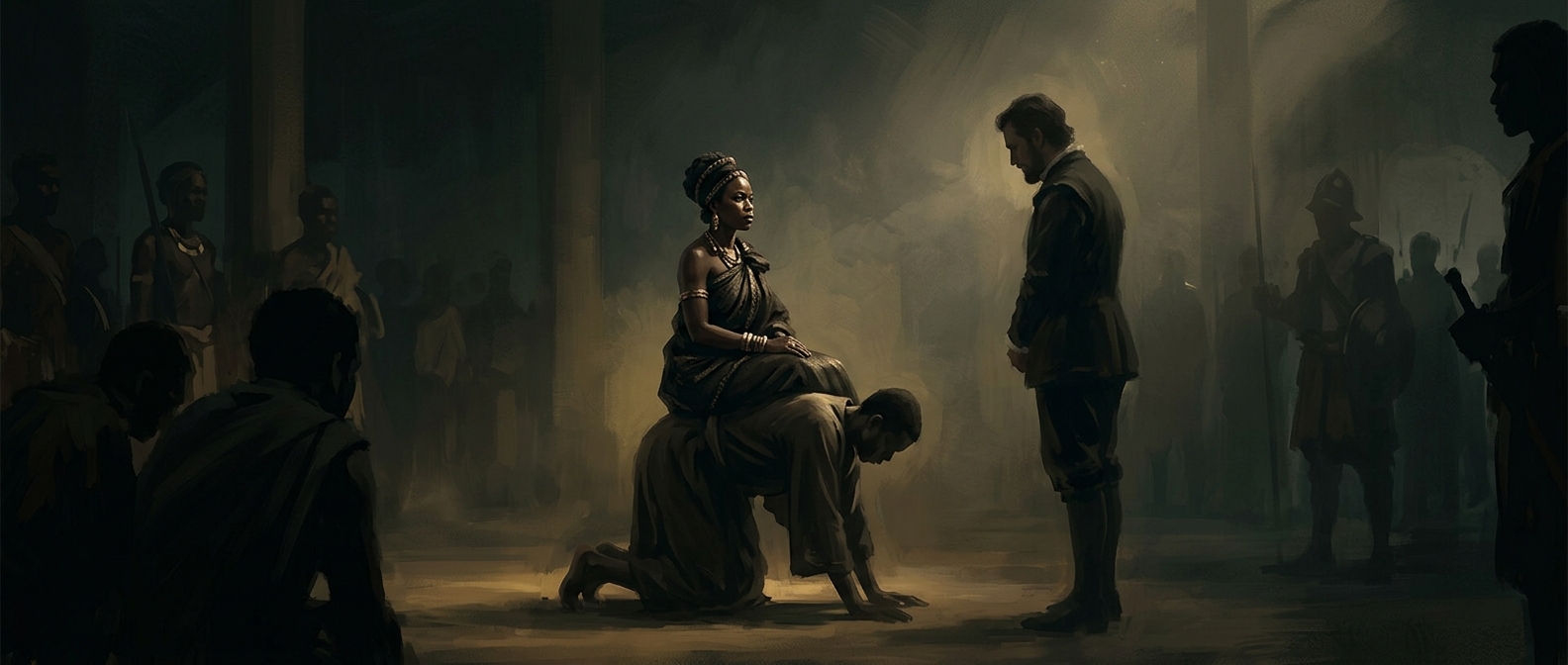
This kind of resistance helped make the conflict costly and difficult for the colonial government to control. British authorities eventually made treaties with Maroon groups, recognizing some of their settlements and self-government while imposing conditions, including obligations to help return people who escaped slavery. These agreements were compromises, not the end of colonial power or slavery in Jamaica.
The best-known 1739 treaty was made with the Leeward Maroons under Cudjoe. The Windward Maroons reached a separate agreement the following year, associated with the leader Quao. Nanny’s name is closely tied to Windward resistance, but surviving colonial records are limited, and later accounts do not always agree on her precise role in the negotiations or particular battles.
The consequence of resistance
Nanny’s lasting significance lies in what the story represents: people who had escaped enslavement defended communities the British could not simply absorb into plantation society. The treaties acknowledged that reality, even as they placed limits on Maroon independence. Jamaica now honors Nanny as a National Hero, and her story remains a vivid reminder that difficult terrain, shared signals, and collective resistance could force an empire to negotiate.