Why a Paper Cut Can Feel So Sharp
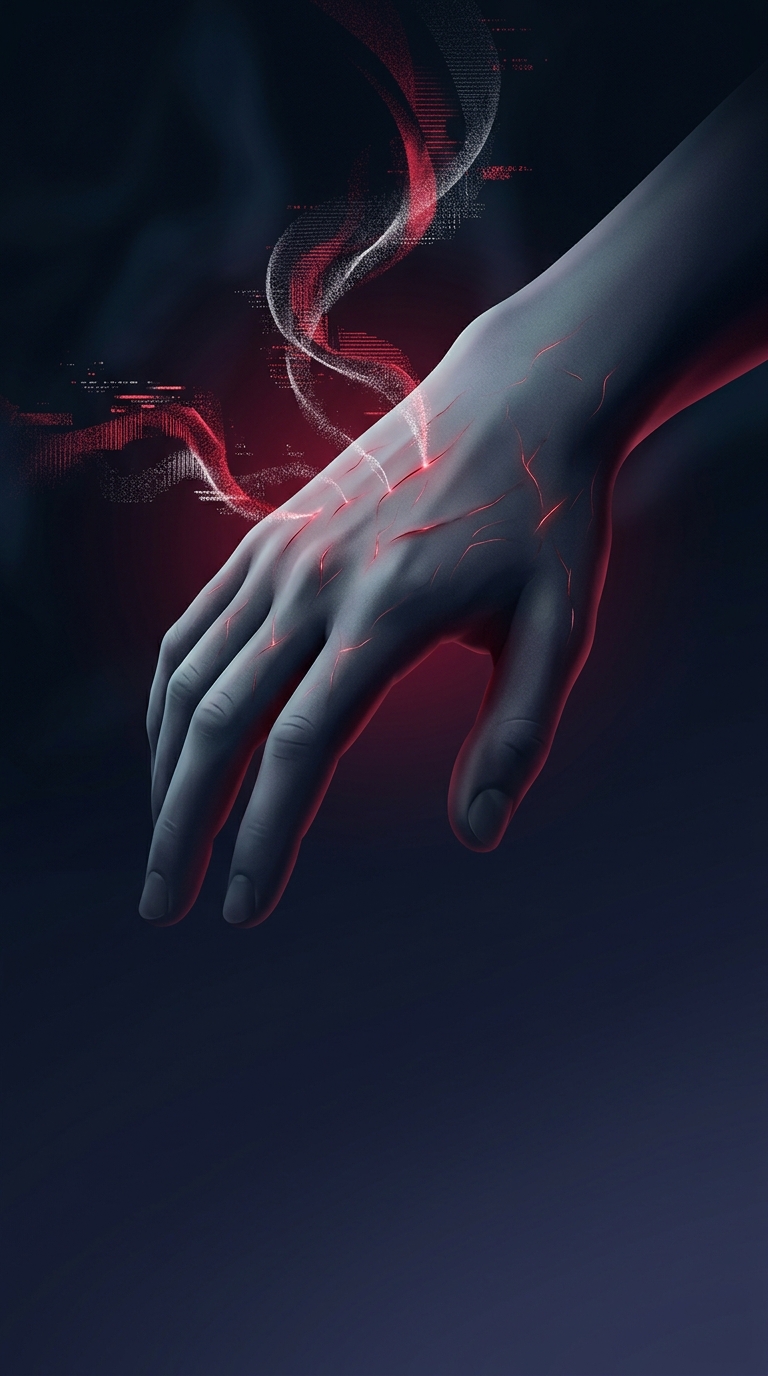
A paper cut often lands in the outer layers of skin, where pain-sensing nerve endings are packed densely. The cut is shallow enough to irritate many of those endings without necessarily destroying them. That can produce a sharp, persistent sting.
A deeper knife cut may be more serious, but depth alone does not determine how much it hurts at first. If a blade cuts through some nerve endings, the immediate pain signal can differ from the concentrated irritation of a shallow wound. The comparison also depends on the cut’s location and size; a knife cut can certainly hurt more.
A Rough Edge, in a Sensitive Place
Paper is not a perfectly smooth blade. Its tiny fibers can make the edge rough, and drawing it across skin can create an uneven cut rather than one clean slice. That may irritate the wound along its length. Paper cuts also commonly happen on fingertips, which are especially sensitive because they need to detect fine touch.
The injury is small, but the surrounding skin keeps moving. Bending a finger or touching water can tug at or irritate the cut, renewing the pain signal. Because the wound is often shallow, it may bleed little, leaving its sensitive surface exposed to that repeated irritation.
The sting is less about paper being uniquely painful than about a shallow, ragged wound in skin built to feel small details. That is why a tiny cut can demand attention every time the finger moves.