A closer look
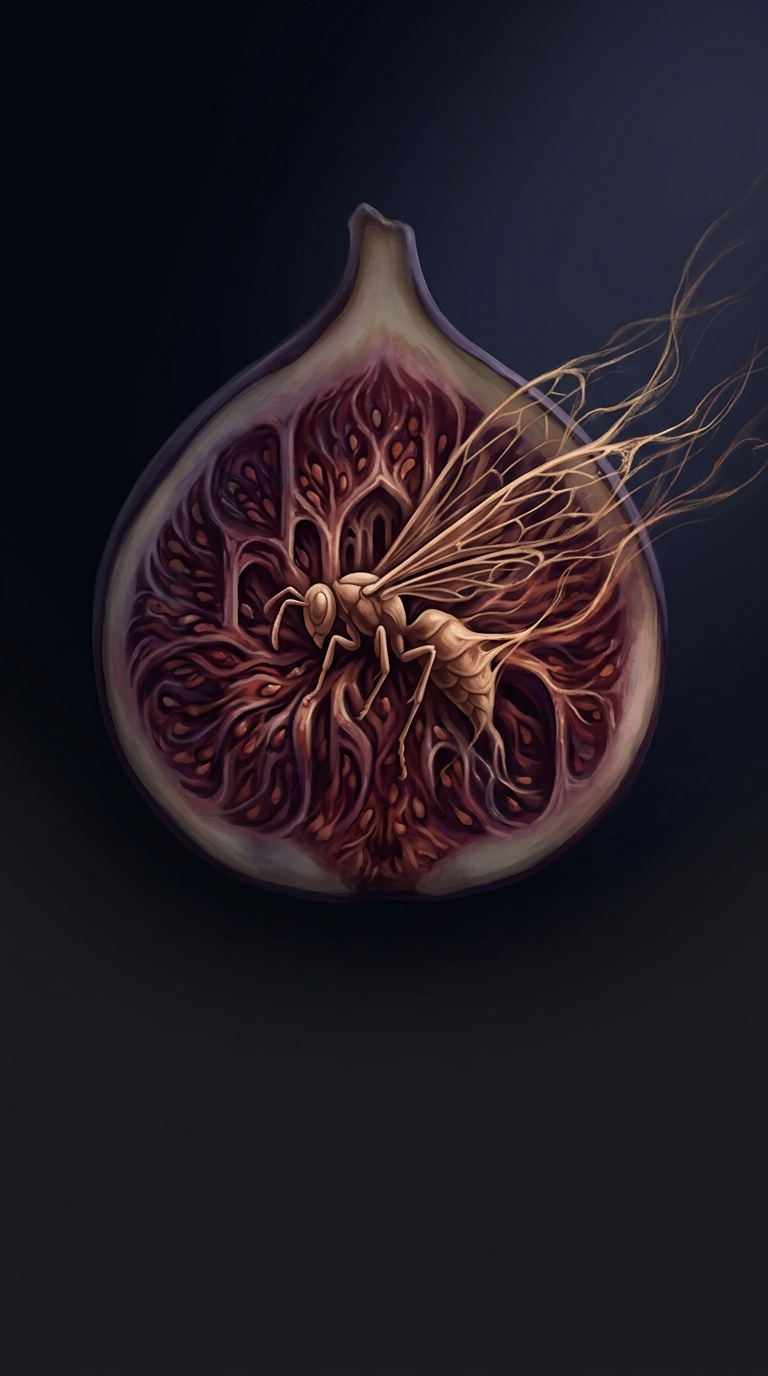
Many commercial fig varieties require a highly specific, mutualistic pollination process involving tiny female wasps that physically crawl inside the inverted flower of the unripe fruit. The incredibly tight passage rips off the wasp's wings and antennae, trapping her permanently inside to lay her eggs and pollinate the flower before she ultimately dies within the fig's internal cavity. When you bite into a delicious, sweet fig, you are not actually chewing on a crunchy wasp carcass, because the fruit secretes a powerful enzyme called ficin that completely digests the insect's exoskeleton into absorbable protein. Vegans love to debate the ethical implications of consuming this specialized fruit, awkwardly ignoring the fact that nature runs a brutal, microscopic insect abattoir just to produce the filling for a popular grocery store cookie. It is a terrifying display of biological symbiosis that forces us to accept that our fancy charcuterie boards are secretly built on a foundation of digested wasp paste