A Duel Turned Into a Balloon Contest
In 1808, two men took a dispute over an opera dancer into the air. Monsieur de Grandpré and Monsieur de Le Pique rose over Paris in matching balloons, each carrying a second and a pistol. The unusual arrangement made the duel more than a test of aim: each man was also relying on a fragile craft to keep him aloft.
Why One Shot Could Decide Everything
A balloon stays up because the gas inside it makes the whole craft lighter than the surrounding air. Puncture its envelope—the fabric enclosing that gas—and the lift can diminish. The balloon then sinks, potentially turning a small hole into a fatal failure. Unlike a duel on the ground, where a missed shot might leave both opponents standing, a shot at the balloon could destroy the platform itself.
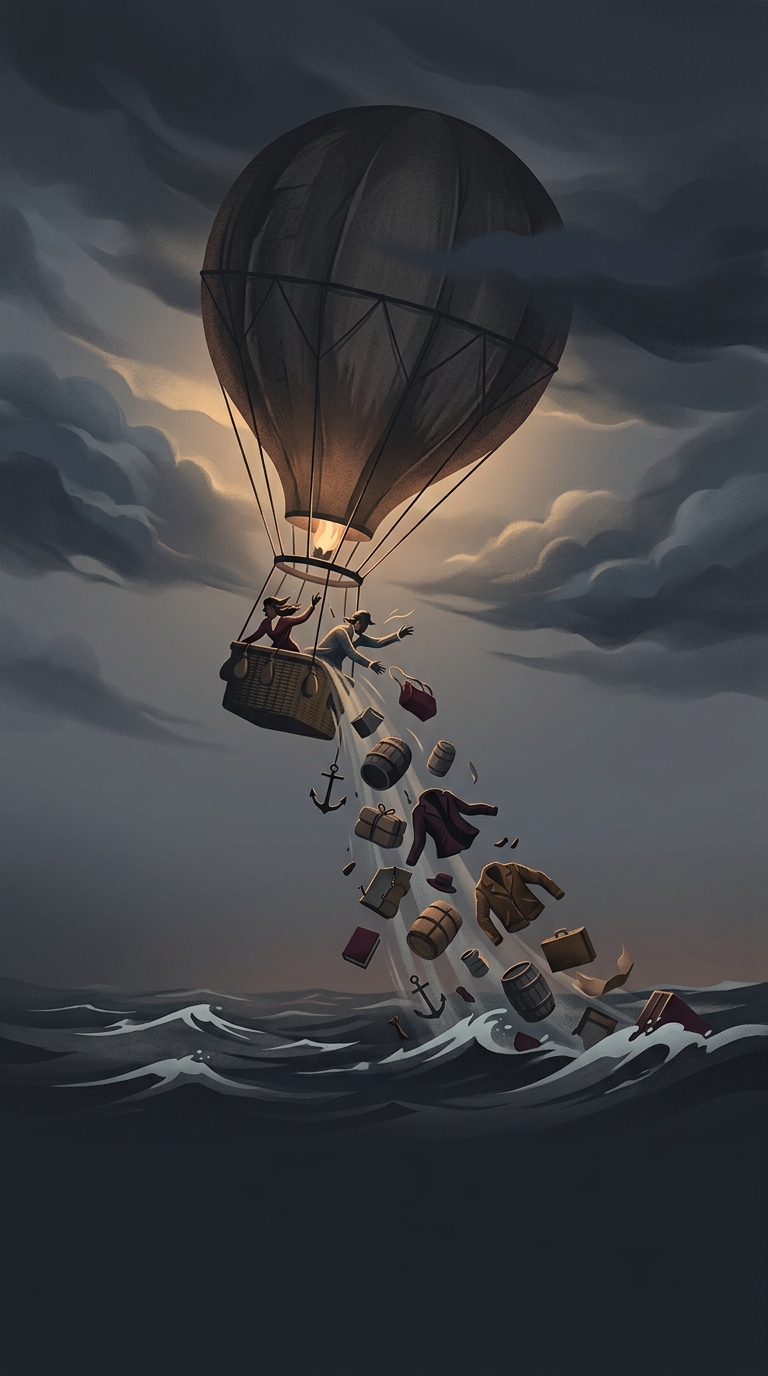
Le Pique fired first and missed. Grandpré then aimed at his rival’s balloon and punctured it. The damaged craft fell, killing Le Pique and his second. The episode’s lethal turn came not from a direct hit on either man, but from making their means of escape and support fail beneath them.
A Spectacle With No Safe Ground
The balloons made the duel visible and dramatic, but they also removed the ordinary safeguards of a contest fought on solid ground. A second—traditionally present to assist and witness a duel—was trapped in the same danger as the principal. Once the envelope was hit, neither could simply step away from the confrontation.
The result was a deadly change in the meaning of a “miss”: Le Pique’s shot missed Grandpré, but Grandpré’s shot at the balloon did not need to hit a person to be fatal.