How a world can have sideways glass rain
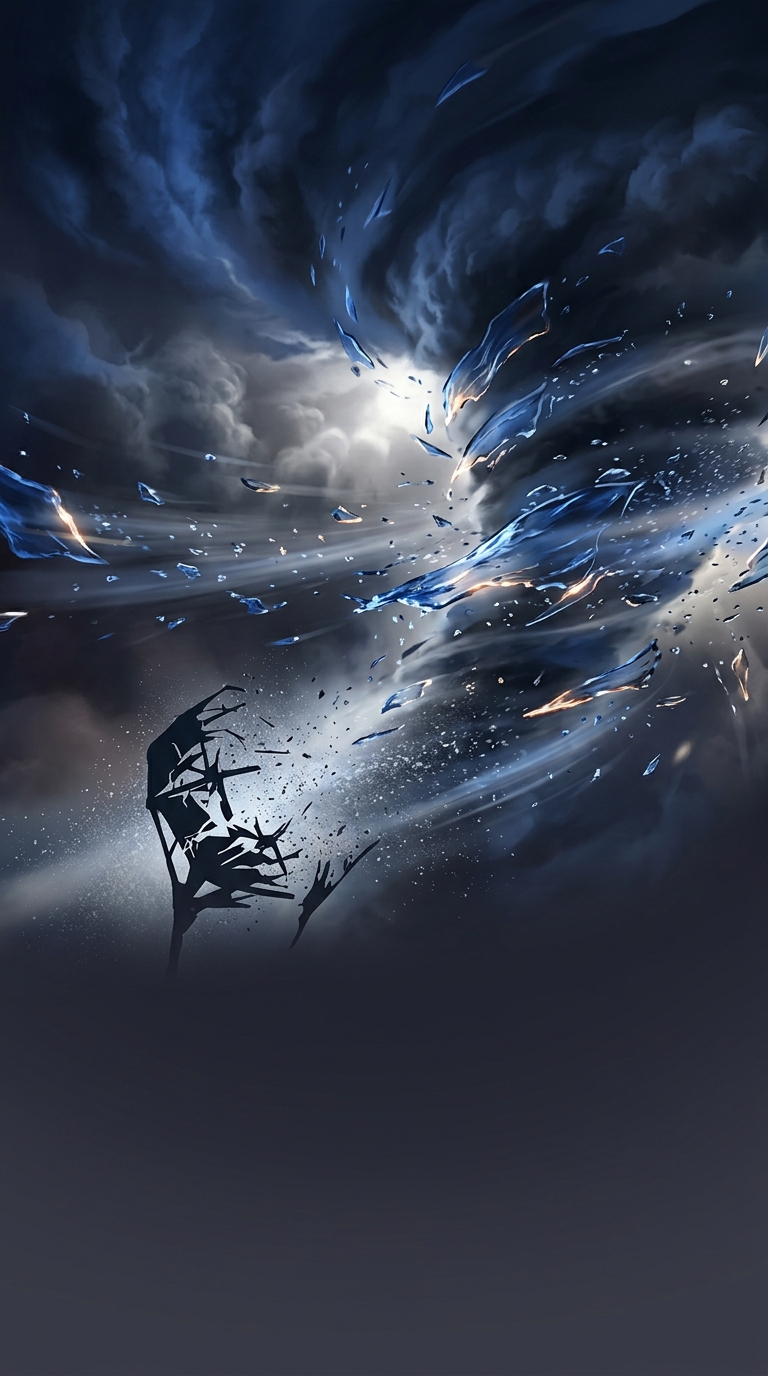
HD 189733b is a hot Jupiter: a gas giant orbiting so close to its star that its atmosphere is intensely heated. The temperature contrast between its star-facing and darker regions drives powerful atmospheric circulation. Models suggest that silicate minerals can vaporize in the heat, then condense into tiny particles as air moves into cooler regions. Winds can carry those particles sideways, producing the image of “glass rain” blown across the planet.
That phrase is a vivid shorthand, not a report of glass raindrops caught on camera. The planet’s clouds and weather are inferred from observations of its light and from atmospheric models. “Silicate” refers to mineral compounds containing silicon and oxygen—the family that includes many common rocks and forms the basis of ordinary glass.
Why it looks blue
The blue appearance has a different cause from the proposed storm. Observations show that the planet reflects more blue light than red light. Silicate particles in its atmosphere may scatter blue wavelengths especially effectively, tinting the light that reaches us. The color is not evidence of an ocean; a planet can look blue because of what its atmosphere does to starlight.
Together, the color and the weather suggest an atmosphere shaped by heat, moving air, and mineral particles—not a familiar surface with familiar skies. From afar, a planet’s hue can look inviting while revealing almost nothing about whether its environment could support life.