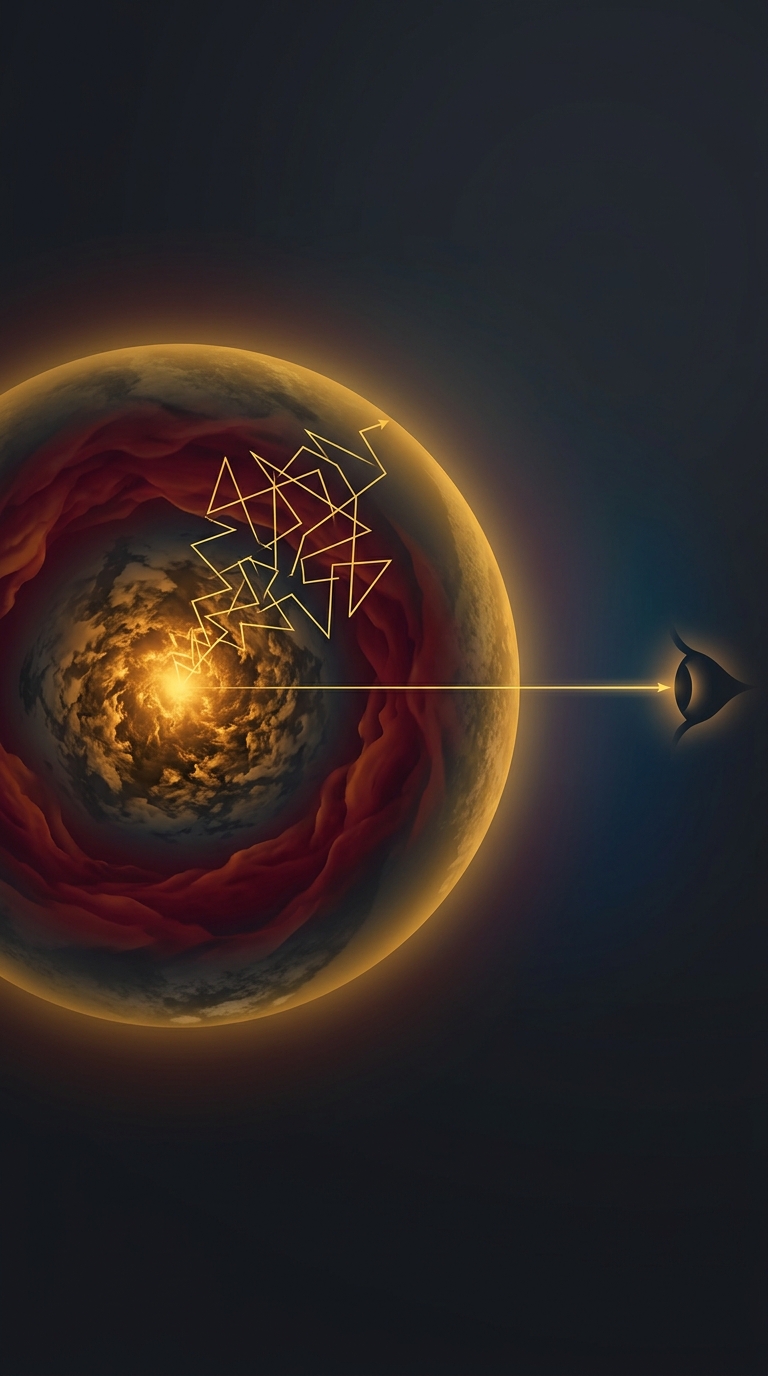
What Przybylski’s Star’s spectrum really shows
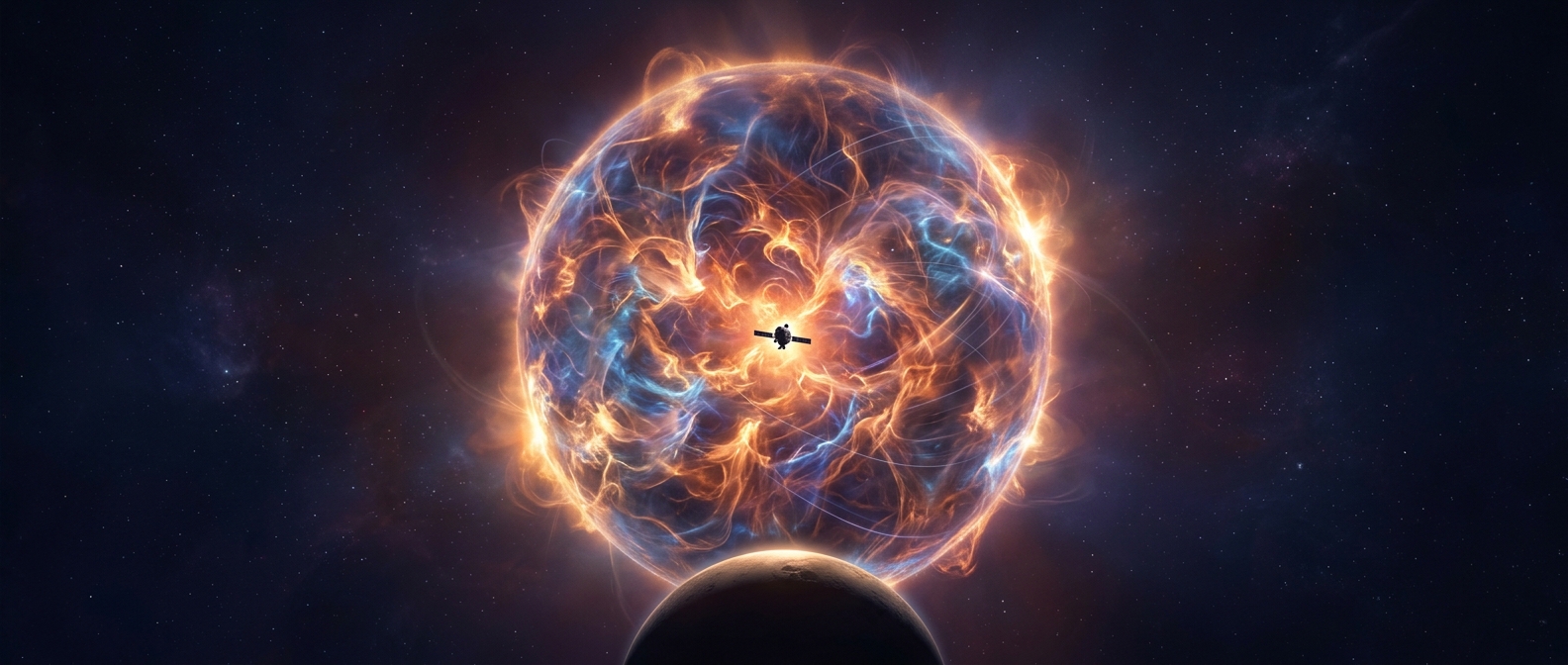
A star’s atmosphere leaves a fingerprint in its light. Atoms absorb light at particular wavelengths, producing dark lines in a spectrum; astronomers use those patterns to infer which elements are present. Przybylski’s Star, a slowly rotating, chemically peculiar star, has an unusually crowded fingerprint, with strong signatures attributed to rare heavy elements.
Some proposed identifications include radioactive elements. But reading a stellar spectrum is not the same as collecting a sample: many lines overlap, and an apparent match can depend on how well astronomers know each element’s spectral pattern. Claims about short-lived actinides—elements such as plutonium—are therefore not a settled inventory of the star’s atmosphere. The unusual spectrum is real; the strongest interpretations of particular lines remain uncertain.
Why heavy elements pose a puzzle
Ordinary stars shine by fusing light nuclei in their interiors. That process does not make plutonium or other very heavy elements. If a short-lived radioactive element is truly present near a star’s surface, it must have been supplied or produced relatively recently, rather than simply surviving there since the star formed.
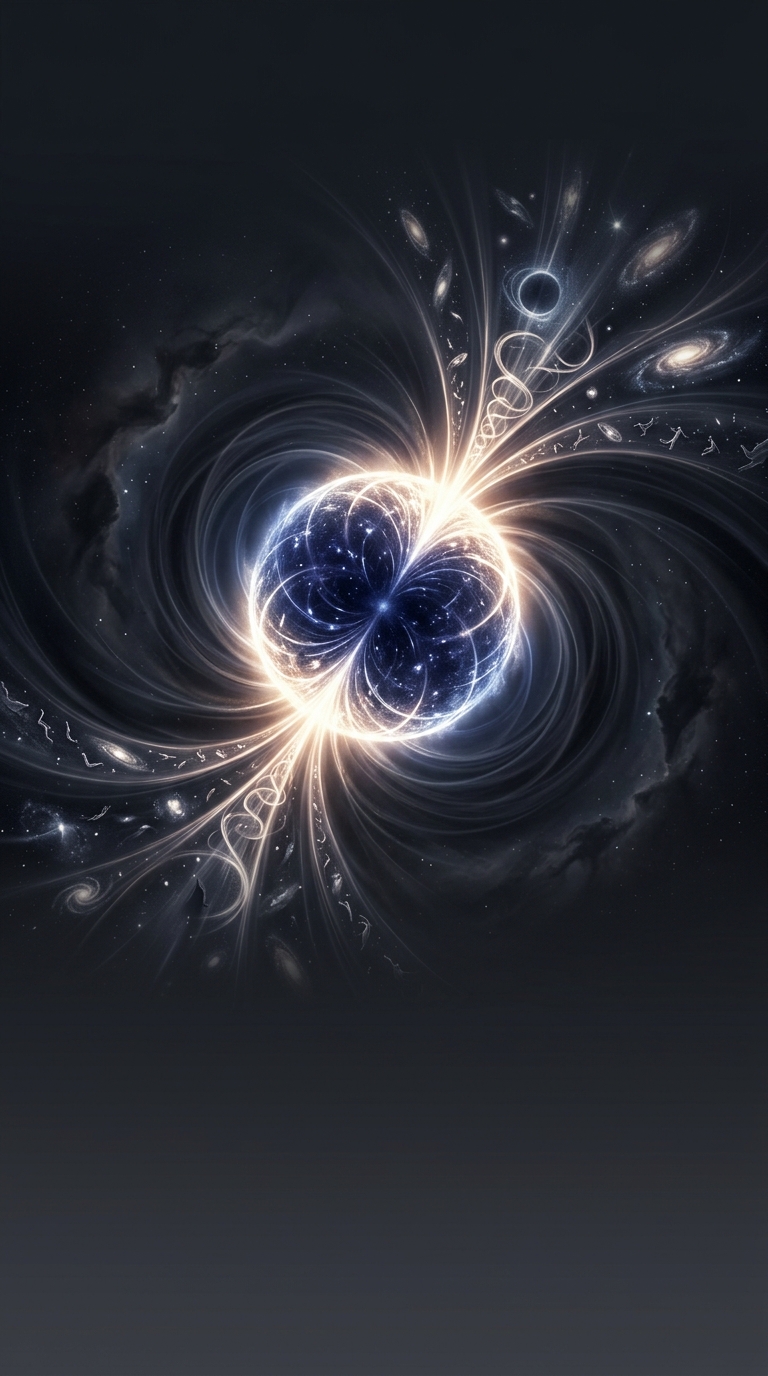
A star’s outer layers can also sort elements. Radiation pressure can push some atoms upward while gravity pulls them down, allowing certain elements to become concentrated in the visible atmosphere. This kind of separation helps explain why chemically peculiar stars can look unlike their overall composition. It does not, by itself, establish where any short-lived radioactive material came from.
An anomaly is not evidence of alien waste
The possibility that an advanced civilization might dispose of nuclear waste in a star has appeared as speculation, not as an explanation supported by observations. The more immediate challenge is determining which spectral lines belong to which elements and how the star’s unusual atmosphere reshapes them. Until those identifications are secure, Przybylski’s Star is best understood as a demanding test of stellar spectroscopy—not a confirmed case of a star burning alien refuse.