How old crystals exposed a buried continent
Mauritius looks like a volcanic island, but some of the material beneath its lava has a much older story. The clue came from tiny zircon crystals found in volcanic rock. Zircon is a durable mineral that can survive melting and erosion; its chemistry can preserve evidence of when the rock containing it first formed. Some crystals from Mauritius were far older than the island’s volcanic rocks, suggesting they had been carried up from ancient continental crust below.
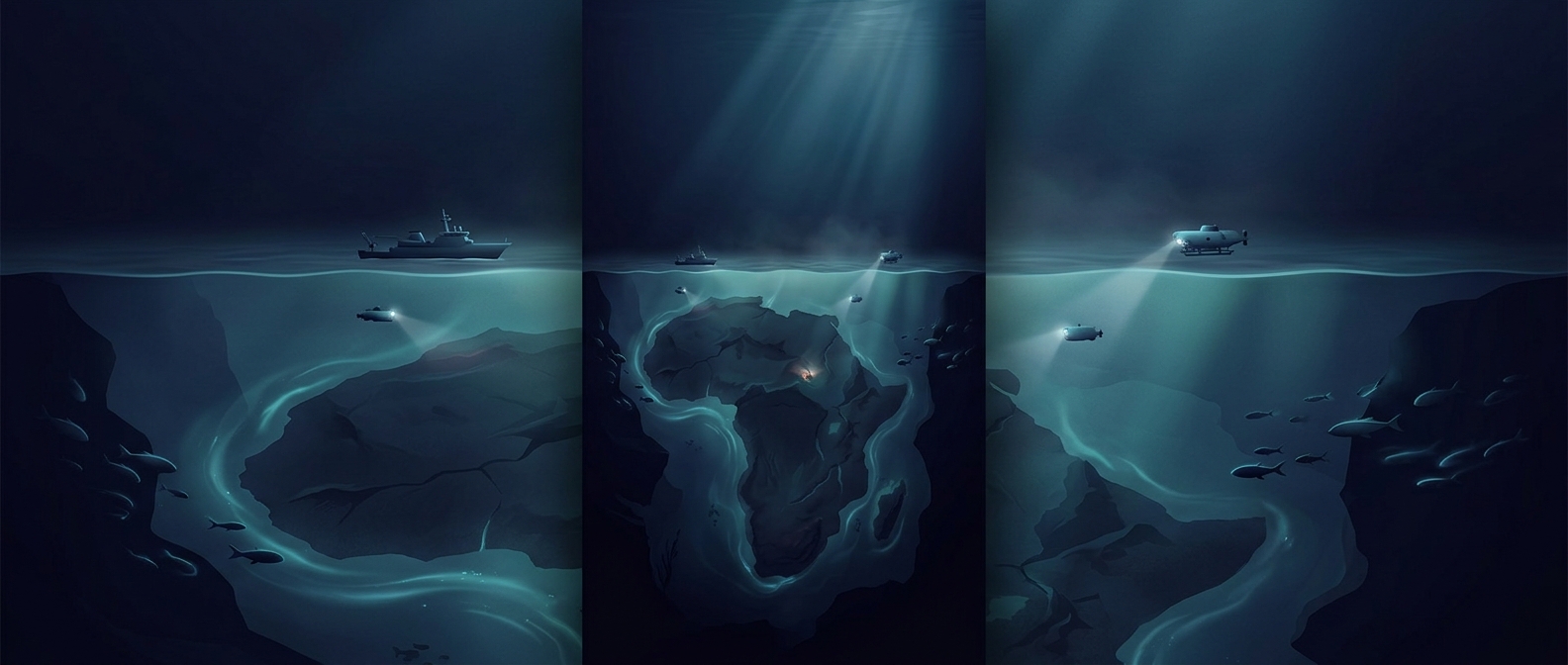
That crust is part of a proposed microcontinent called Mauritia—a small, now-buried fragment of a continent. The crystals are not themselves pieces of a continent, but they act like time capsules: their ages point to old crust that the island’s younger lava could not have produced.
A fragment left behind as continents moved
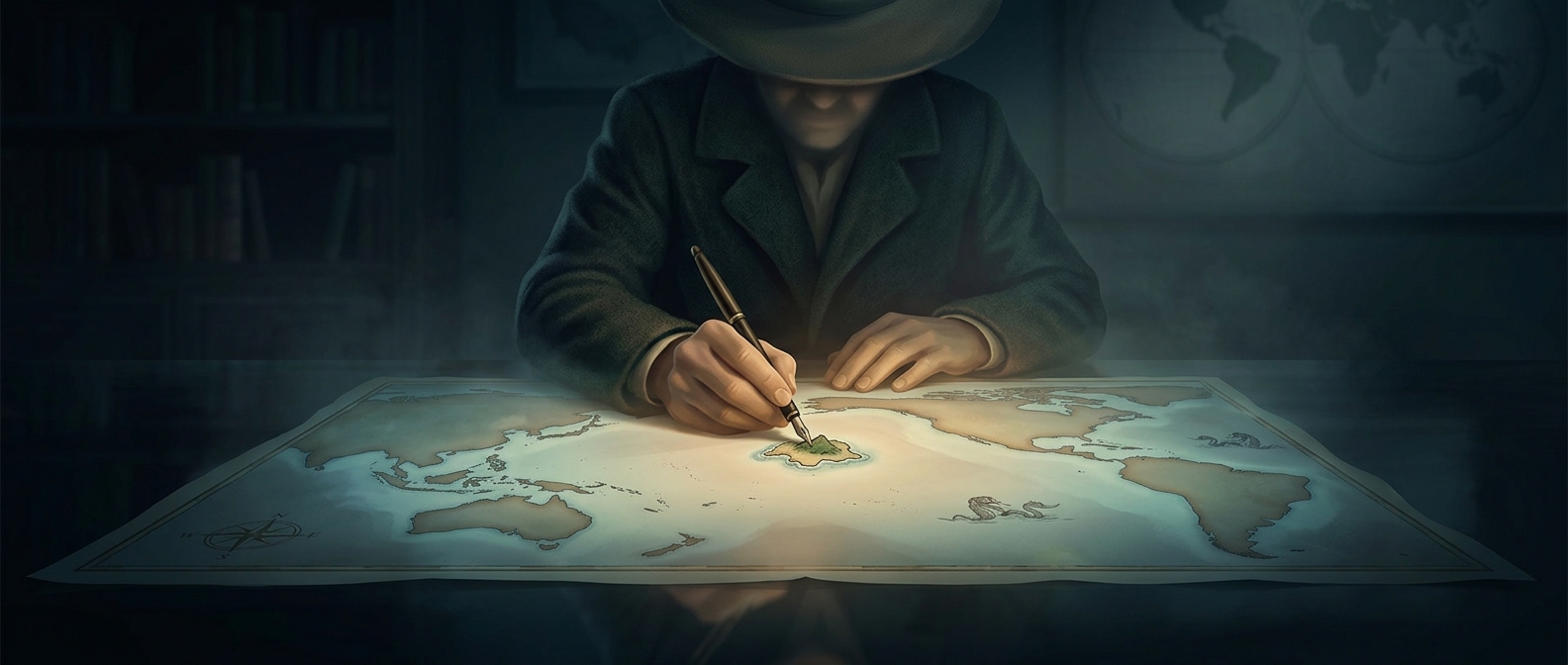
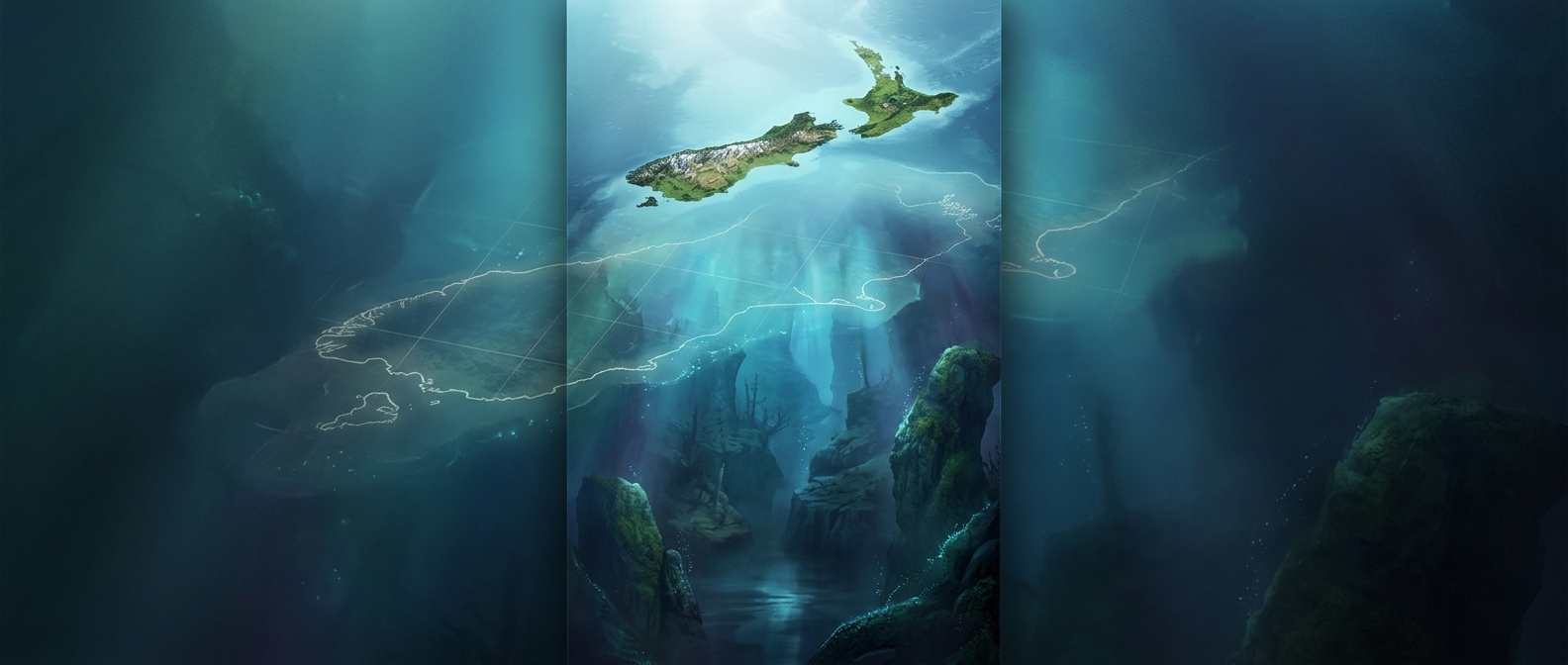
The likely setting reaches back to the breakup of Gondwana, the ancient landmass that included what are now Africa, India, Madagascar, and other regions. As those larger pieces pulled apart, stretches of continental crust could be thinned, fractured, and left stranded between them. Over time, much of that fragment may have sunk beneath the ocean or been covered by newer volcanic material.
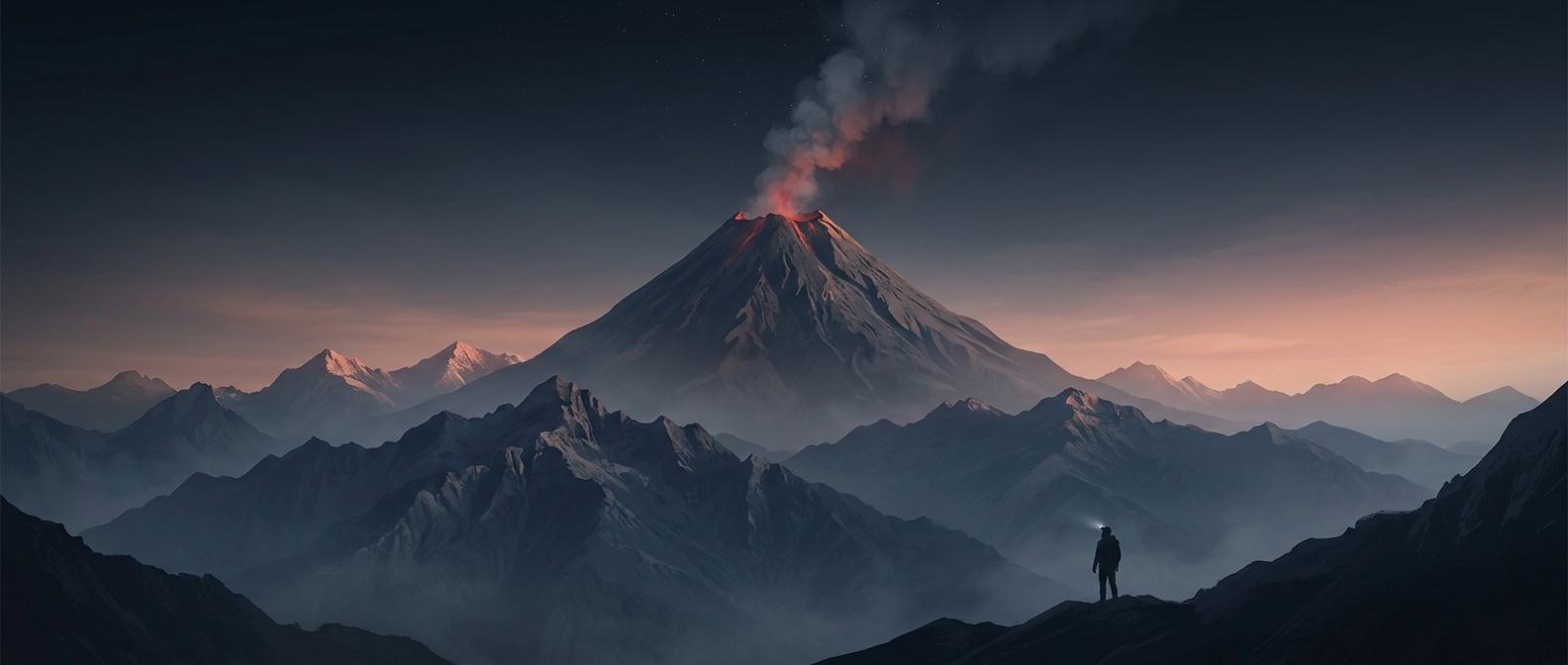
Mauritius formed through later volcanism. Lava piled up at the surface, hiding the older material rather than erasing it. The contrast is the striking part: a young volcanic island can sit above remnants of crust that began forming in a much earlier geological era.
A clue to the ocean floor’s hidden past
Finding ancient minerals beneath an island helps geologists reconstruct how continents broke apart and how ocean basins formed. The evidence does not mean a whole lost continent lies intact beneath Mauritius; it points instead to buried fragments of continental crust. A handful of stubborn crystals can therefore reveal a history that the island’s surface conceals: the Indian Ocean’s floor was assembled from pieces, not simply opened as a clean gap between continents.