A moose in an astronomer’s household
Tycho Brahe’s famous observatory on the Danish island of Hven was also a grand household, where scientific work unfolded alongside the routines and displays of aristocratic life. Among its unusual residents was a tame elk—the European name for what Americans call a moose. It was kept around people, but that did not make it a domesticated species: unlike cattle or horses, elk had not been bred over generations to live safely alongside humans.
That distinction matters. A large wild animal can become accustomed to familiar handlers and still be unpredictable, especially in a crowded room or around unfamiliar people. The elk’s presence at a feast was a spectacle, not proof that it had become a manageable party guest.
Beer, stairs, and the limits of control
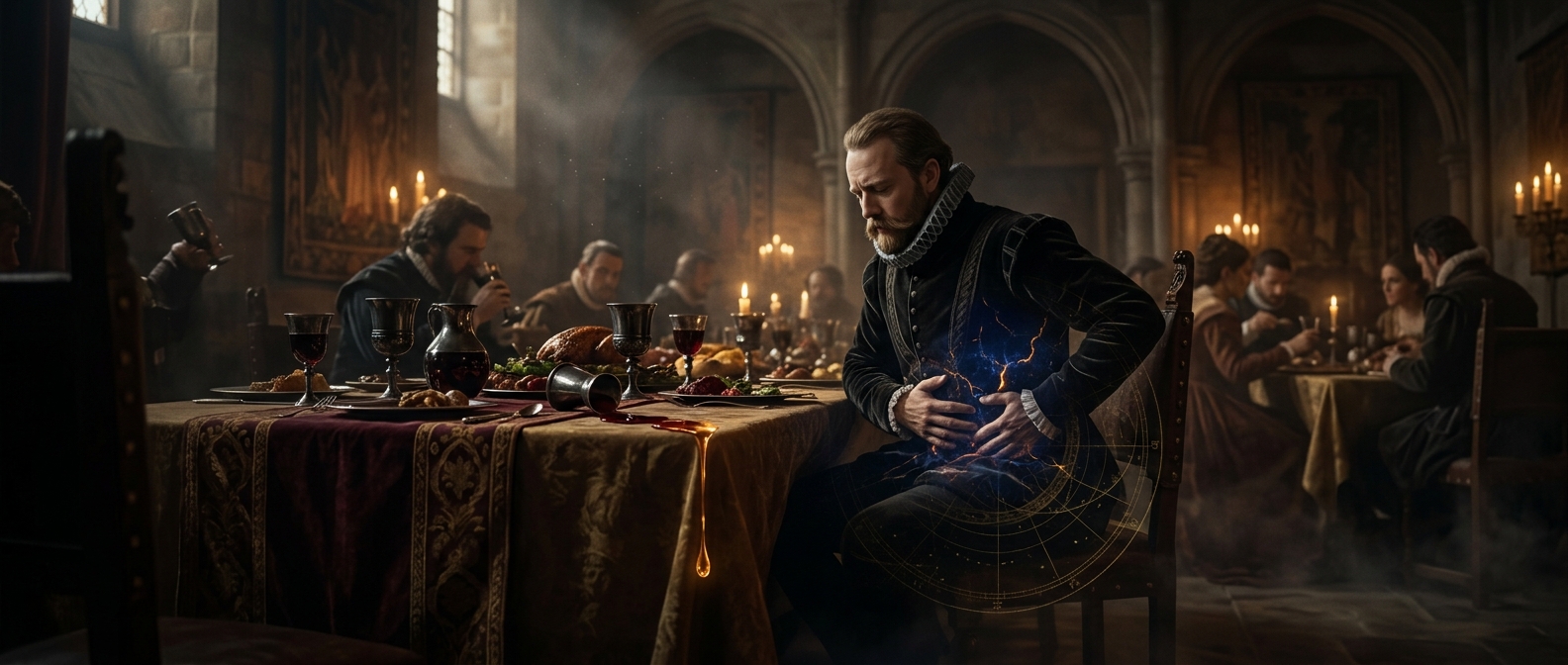
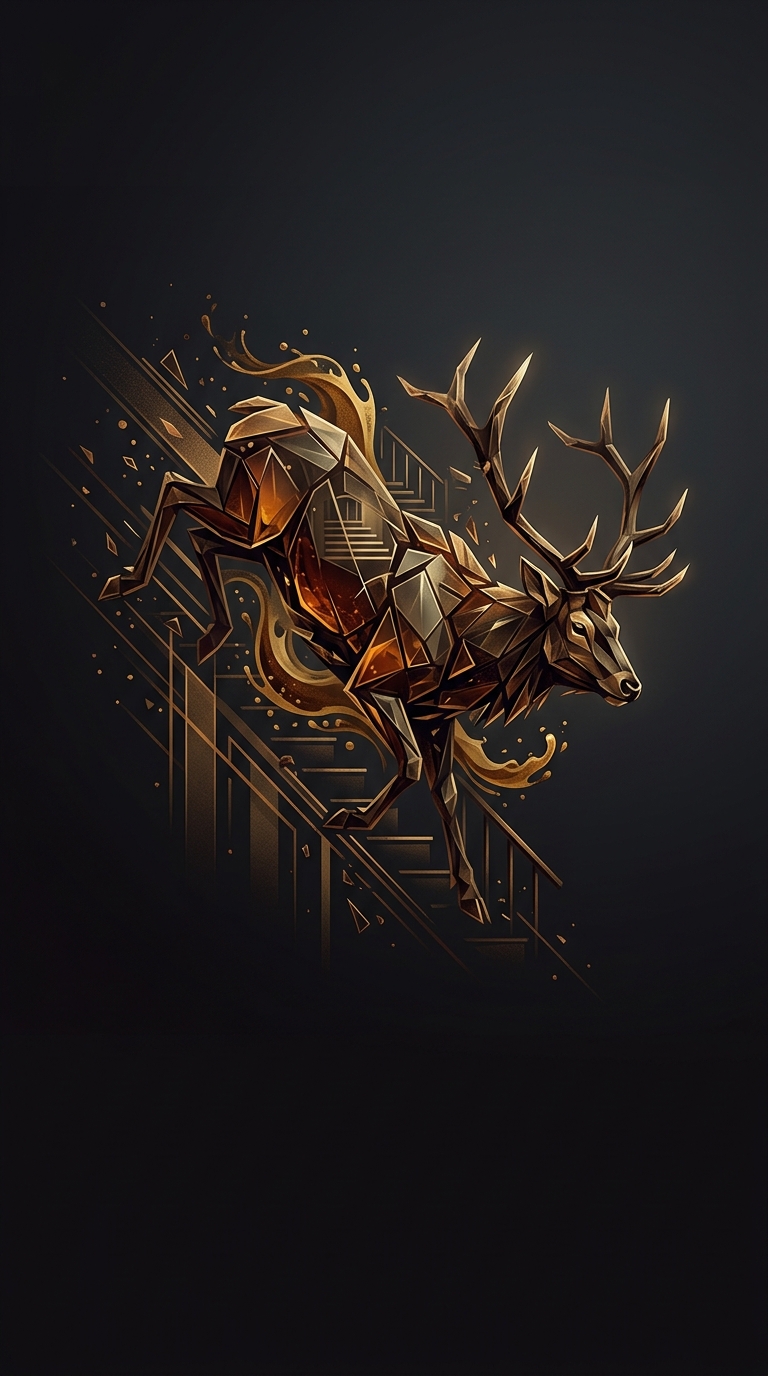
Accounts of the animal’s death tell how guests gave it strong beer and it later fell down a flight of stairs. The story is often retold as a comic mishap, but its physical logic is stark: an enormous animal navigating stone steps while impaired had little margin for error. The precise details of the episode are not equally secure in every retelling, so the safest point is the broad one: Brahe’s elk died after a fall in a social setting.
The episode makes a vivid contrast with Brahe’s scientific world. His observatory depended on careful measurement and controlled observation; his household’s exotic pet could not be made predictable by attention alone. The elk was tame enough to be brought among nobles, but one staircase was enough to expose how different taming an individual animal is from domesticating a species.