Why Color Film Was a Special-Event Expense
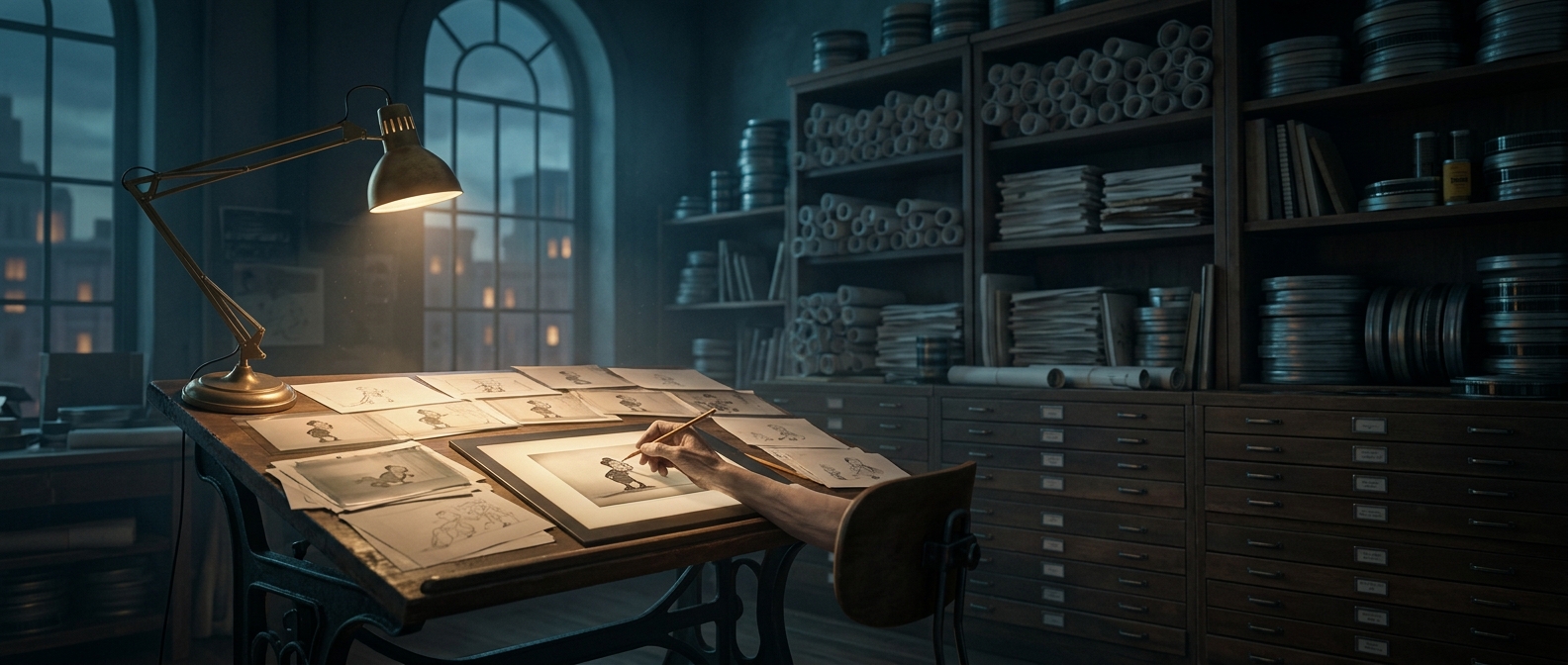
Early movie color was not one simple technique waiting to become standard. Some films were colored by hand, frame by frame, or tinted in batches; these methods could add striking effects but demanded labor and often produced limited, stylized results. More elaborate systems recorded color during filming, but required specialized cameras, careful lighting, and complicated laboratory work.
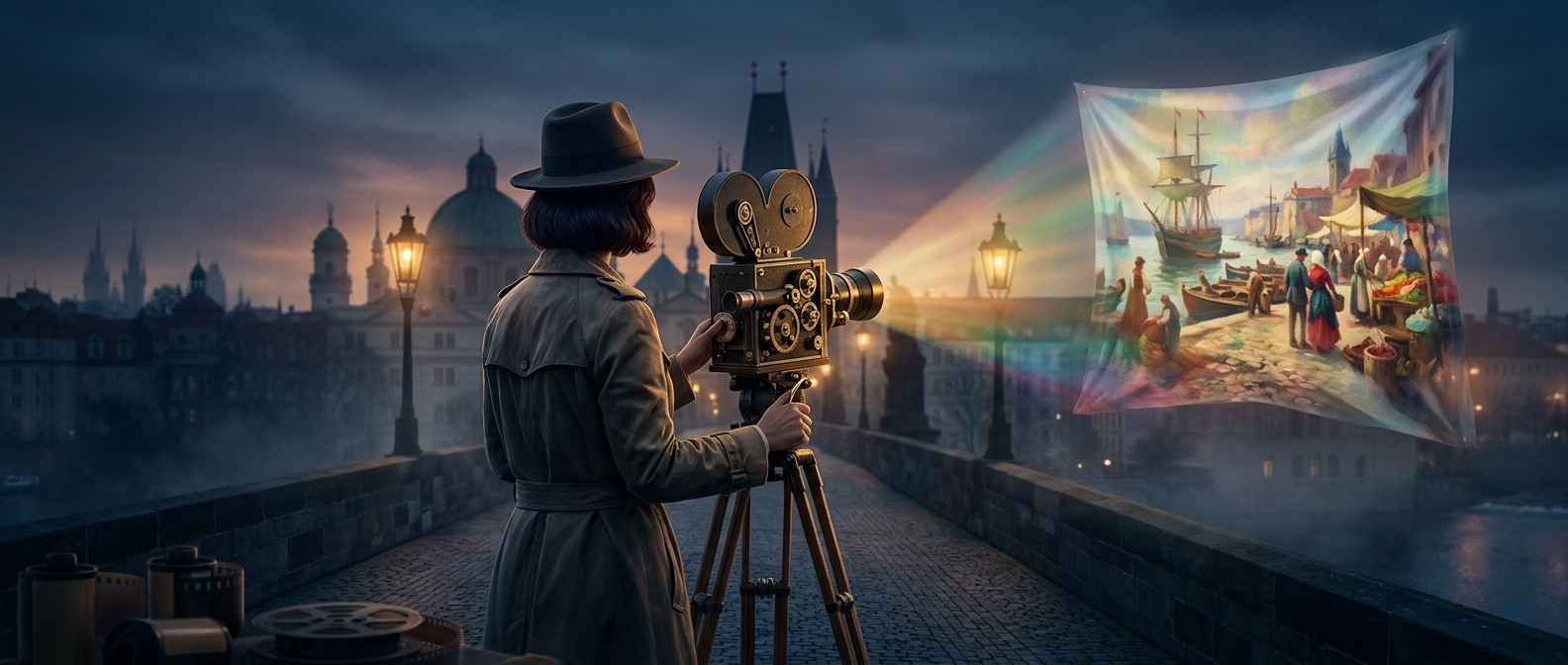
In three-strip Technicolor, for example, a camera used prisms to split incoming light into three color records on separate strips of black-and-white film. Those records then had to be processed and combined to make a color image. The method could produce vivid hues, but it added equipment, time, and expense at several stages—not just the cost of buying color stock.
Why Studios Chose Color Selectively
A studio weighing a color production had to expect that the visual payoff would help sell the film. Elaborate settings, costumes, dance numbers, or fantasy worlds could make color part of the attraction; an ordinary story might not seem to justify the extra bill. Color also placed demands on production: lighting and wardrobe choices had to work well under the process, and the specialized workflow made the schedule less flexible.
That is why color appeared in films well before it became routine. Studios could use it when spectacle seemed worth paying for, while most productions remained black-and-white. The barrier was not that filmmakers could not make color images; it was that making them reliably and at scale cost too much for every movie. The result was a long period when color signaled a special production rather than the default look of cinema.