A short face gives the jaw useful leverage
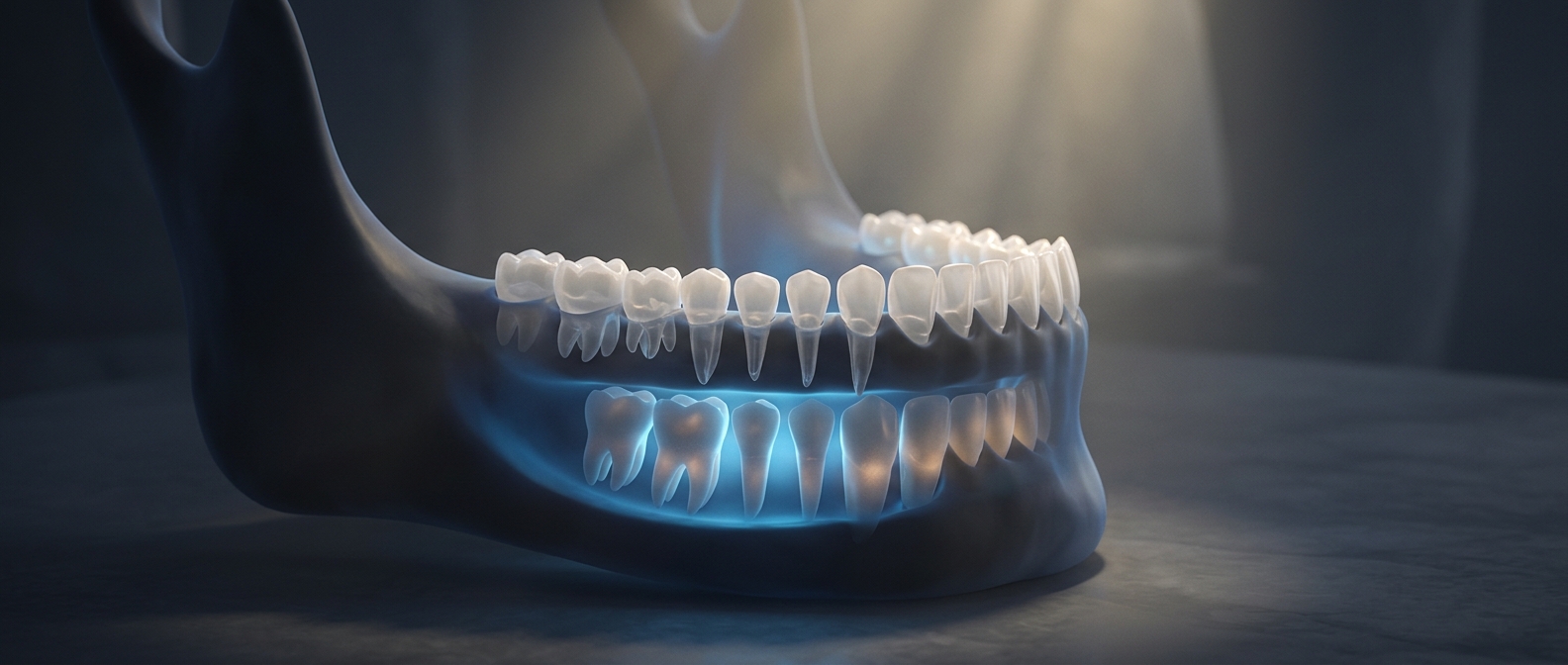
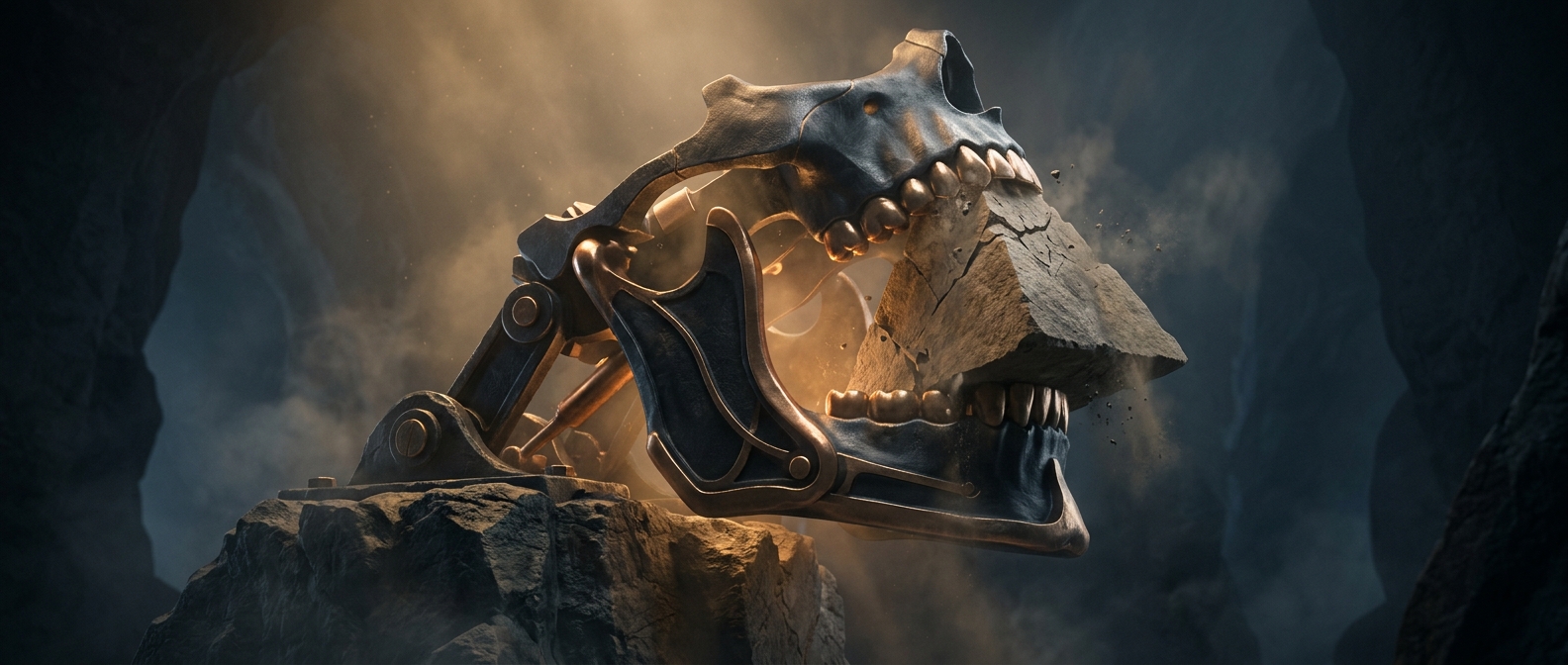
Chewing is a leverage problem. The jaw pivots at joints beside the ears, while powerful closing muscles pull it upward. Food pushes back against the teeth. How hard a bite feels at a tooth depends not only on muscle size, but also on the distances between the pivot, the muscle’s pull and the bite point.
In humans, the face and jaw are relatively compact compared with those of some great apes. That arrangement helps the chewing muscles generate a useful bite without requiring the enormous muscles and heavy jaw built for crushing tougher foods. The advantage is not identical at every tooth: the back teeth, closer to the jaw joint, generally have better leverage for forceful chewing than the front teeth.
Built for the food we actually eat
A gorilla’s large jaw muscles and robust chewing apparatus suit a diet that includes substantial amounts of fibrous plant matter. Human jaws need not match that equipment to handle a diet whose foods are often softer or prepared by cutting, cooking and other forms of processing. Those changes reduce how much force chewing requires; they do not mean humans cannot bite hard.
The useful point is that bite strength is not a simple contest in muscle size. Jaw shape, muscle placement and where the food meets the teeth all affect the result. A relatively modest jaw can do effective work when its leverage matches the task—which is why humans can chew ordinary meals without needing a gorilla’s build.