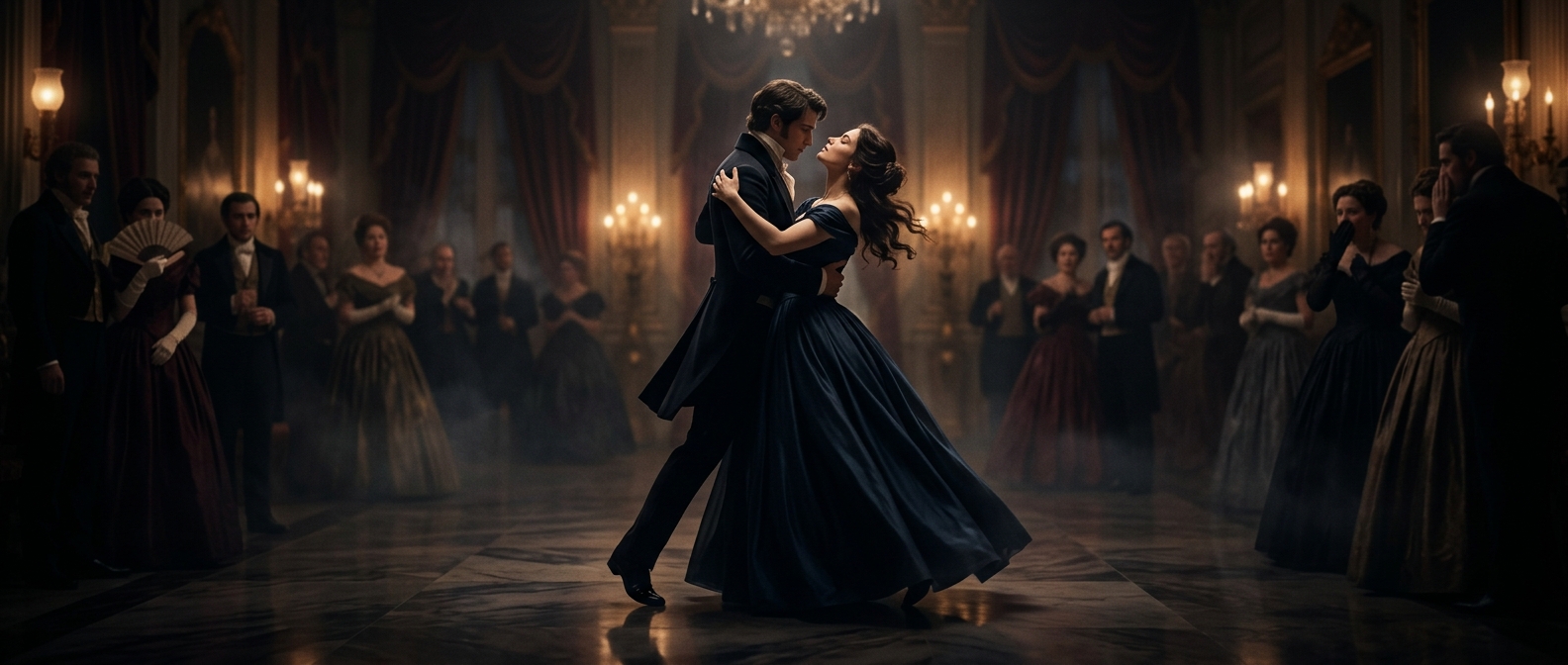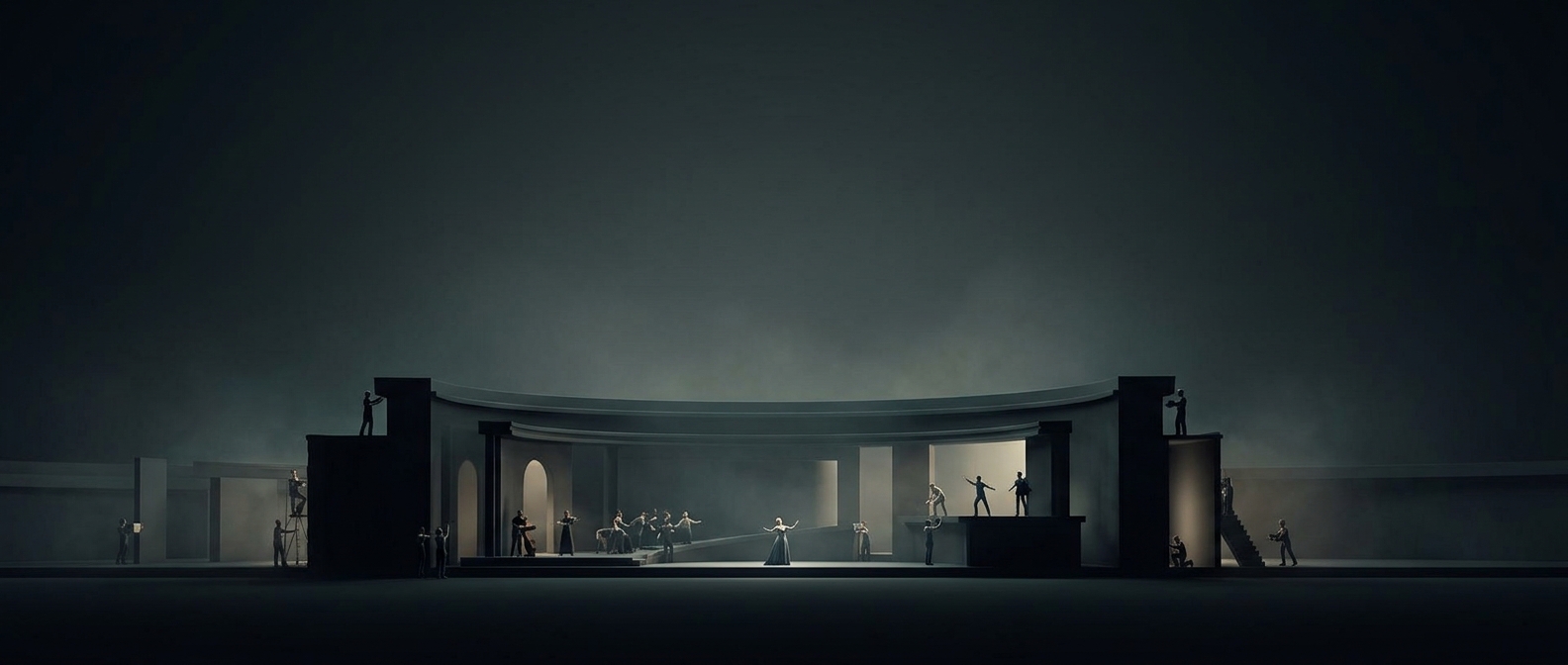
A week turned into an opera cycle
Karlheinz Stockhausen’s Licht—German for “Light”—is a seven-part music-theater work, with one opera named for each day of the week. Composed over roughly a quarter-century, from 1977 to 2003, it brings together recurring characters and ideas across separate stories rather than telling one conventional plot from beginning to end.
The 29-hour total is not simply one very long evening. Each day has its own opera, with its own dramatic structure and musical forces. Stockhausen’s design invites audiences to encounter the cycle in installments, while the scale of the whole makes a complete traversal feel closer to a multi-day undertaking than a standard night at the opera.
Why mounting all seven is so difficult
The challenge is not only the running time. Licht calls for an unusually broad range of performers and theatrical resources, including solo singers, instrumental ensembles, dance, elaborate staging, and electronic sound. Some sections have distinctive technical demands; Thursday from Light, for example, includes a scene in which musicians perform from helicopters.
That variety makes the cycle hard to produce as one unified event. A company needs the people, equipment, rehearsal time, and venues to support sharply different kinds of performance—and must coordinate them across seven operas. Individual sections can be staged without assembling the entire enterprise, so audiences may encounter pieces of Licht far more readily than the full cycle.
The scale is part of the idea
Stockhausen’s seven-day structure makes time itself part of the work’s architecture: the audience does not just follow characters, but spends an extended stretch inhabiting the world they share. The practical consequence is also striking: a complete performance requires a production to sustain that world across days, not merely to fill a theater for one night.