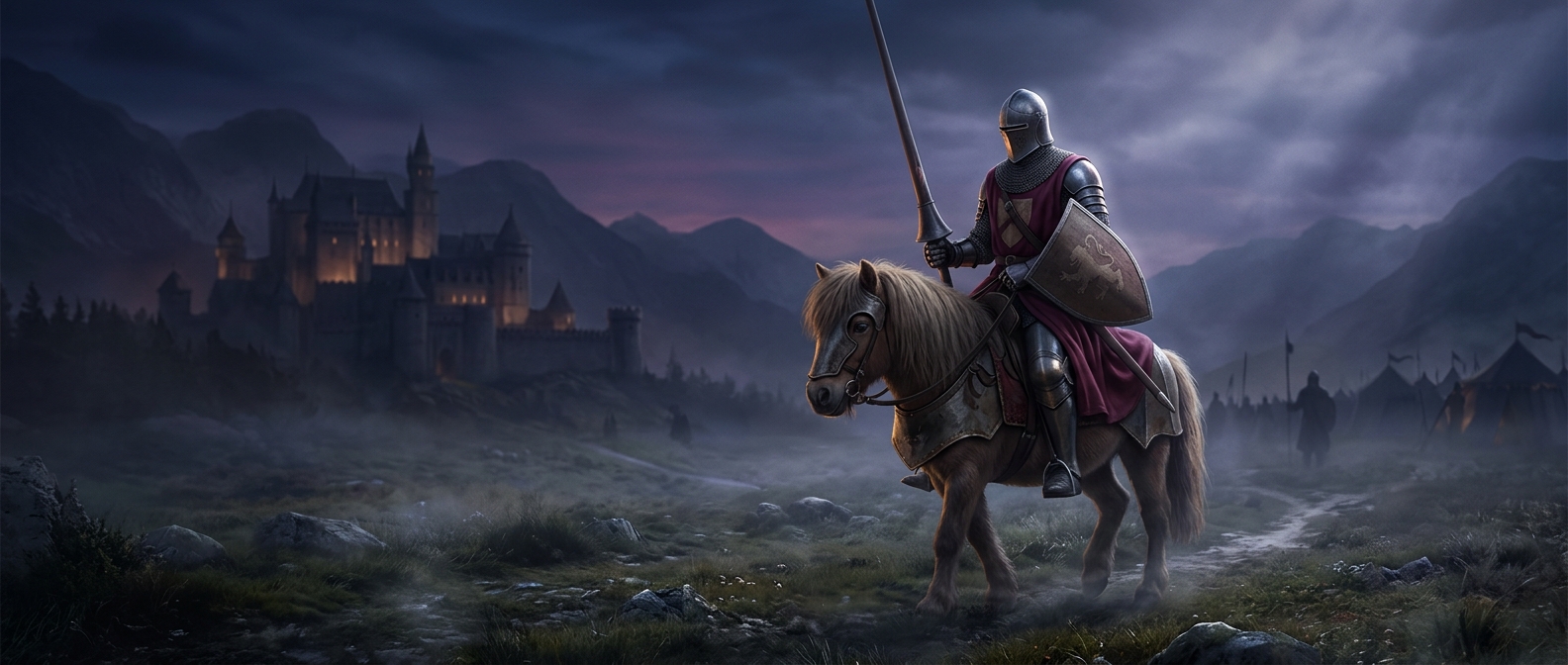

A closer look
If you time-traveled to many famous medieval cities, you might be disappointed by how small and quiet they really were. Places like London, Paris, or Florence often had populations closer to a modern sports stadium than a mega-city. Narrow streets, wooden houses, and open sewers meant you could cross the entire town on foot in under an hour. Nightlife was almost nonexistent because artificial lighting was expensive and risky; most people simply went to sleep. Yet these compact, smelly, fire-prone hubs were power centers controlling vast rural areas. The contrast with today is striking: now, we pack millions into glass towers and asphalt webs, but our actual food and resources still come mostly from distant countryside. The medieval city shows that density, not size, is what shapes culture and politics. A small walled town could change history as decisively as a sprawling metropolis can now.