Why Mad Jack Churchill carried a sword into modern war
John Churchill’s weapons were startlingly old-fashioned, but they were not his whole method of fighting. As a British commando officer, he led small units trained for raids: fast attacks on enemy positions, often at night, followed by withdrawal or capture of the post. In that setting, surprise and confusion could matter as much as firepower.
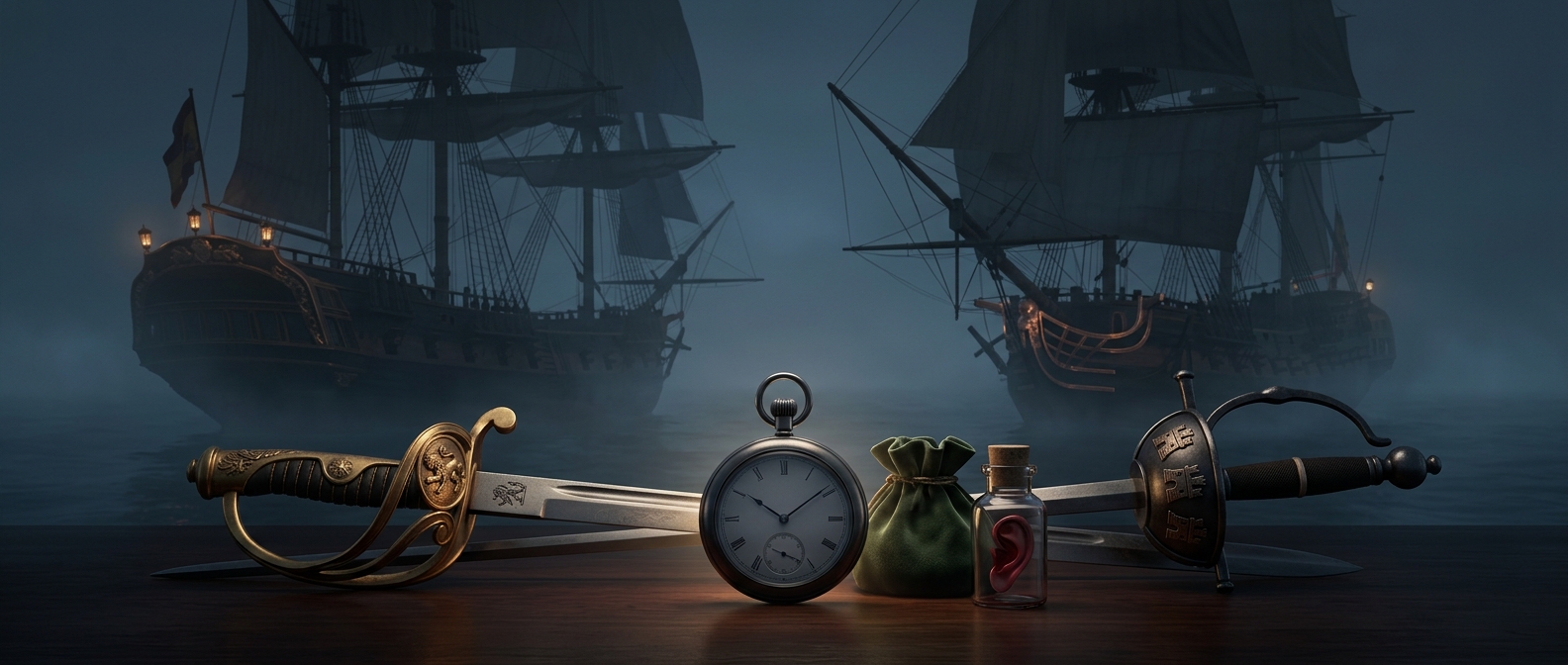
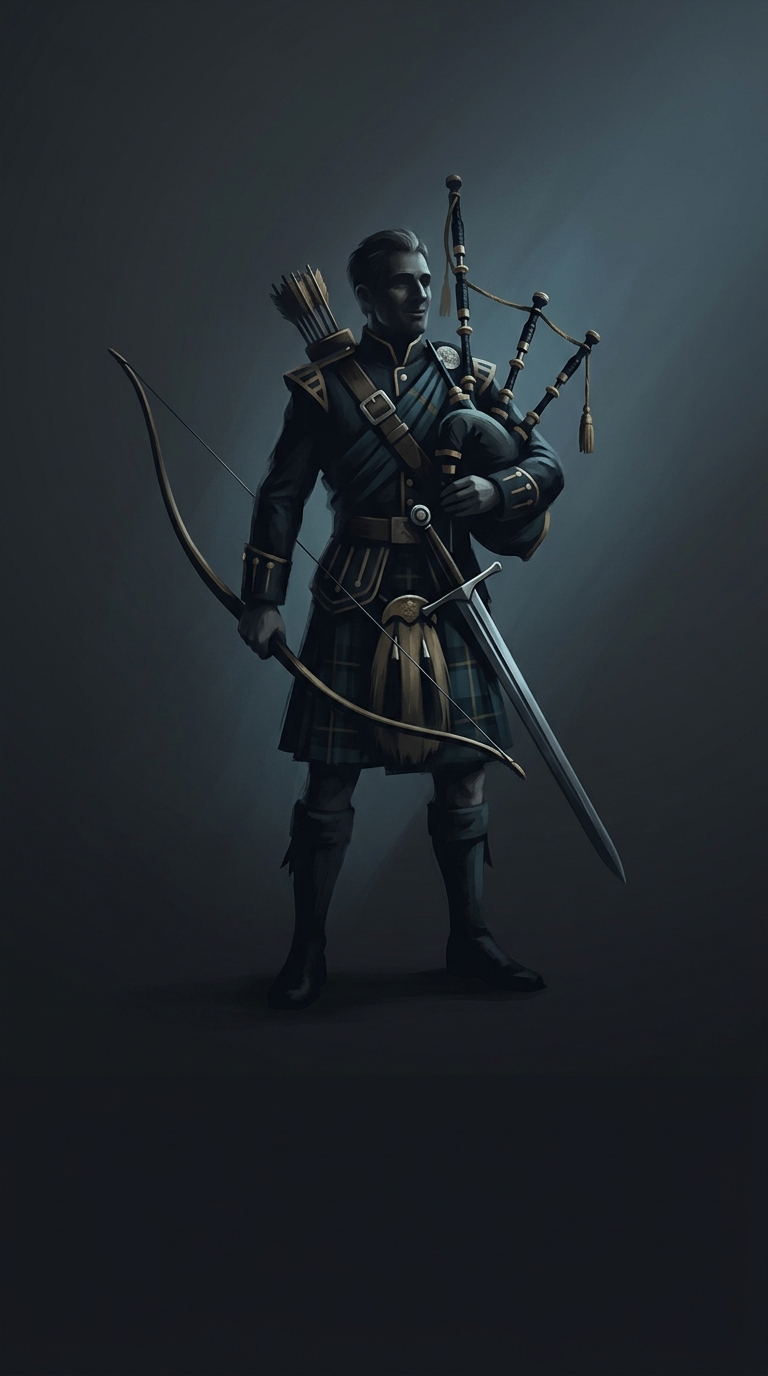
A sword and longbow did not replace rifles, grenades, or mortars. They were personal weapons Churchill chose to carry alongside the equipment of a modern soldier. The bow could be used quietly, while the broadsword suited close combat. His bagpipes, meanwhile, could be played to signal or encourage troops—and made his presence unmistakable.
How an anachronism became an advantage
In 1943, during the Allied campaign in Italy, Churchill led an attack on German positions at Piegoletti. Accounts credit his force with taking 42 prisoners and capturing a mortar squad. The important point is not that a sword could defeat a modern army in a stand-up fight. A sudden assault could catch defenders before they understood the size or direction of the attack; once a position was overwhelmed, its occupants might surrender rather than continue fighting at close quarters.
Churchill’s weapons also had a psychological effect. An enemy confronted by a man carrying a sword and playing bagpipes faced a scene outside the usual expectations of battlefield combat. That did not make the weapons magically powerful, but it could deepen the shock of an already unexpected raid.
His exploits are memorable because they joined an old warrior’s image to the practical work of commando warfare. The broadsword was not a substitute for modern tactics; it was one striking detail in an operation built around surprise, speed, and nerve.