Pessoa turned authorship into a cast of characters
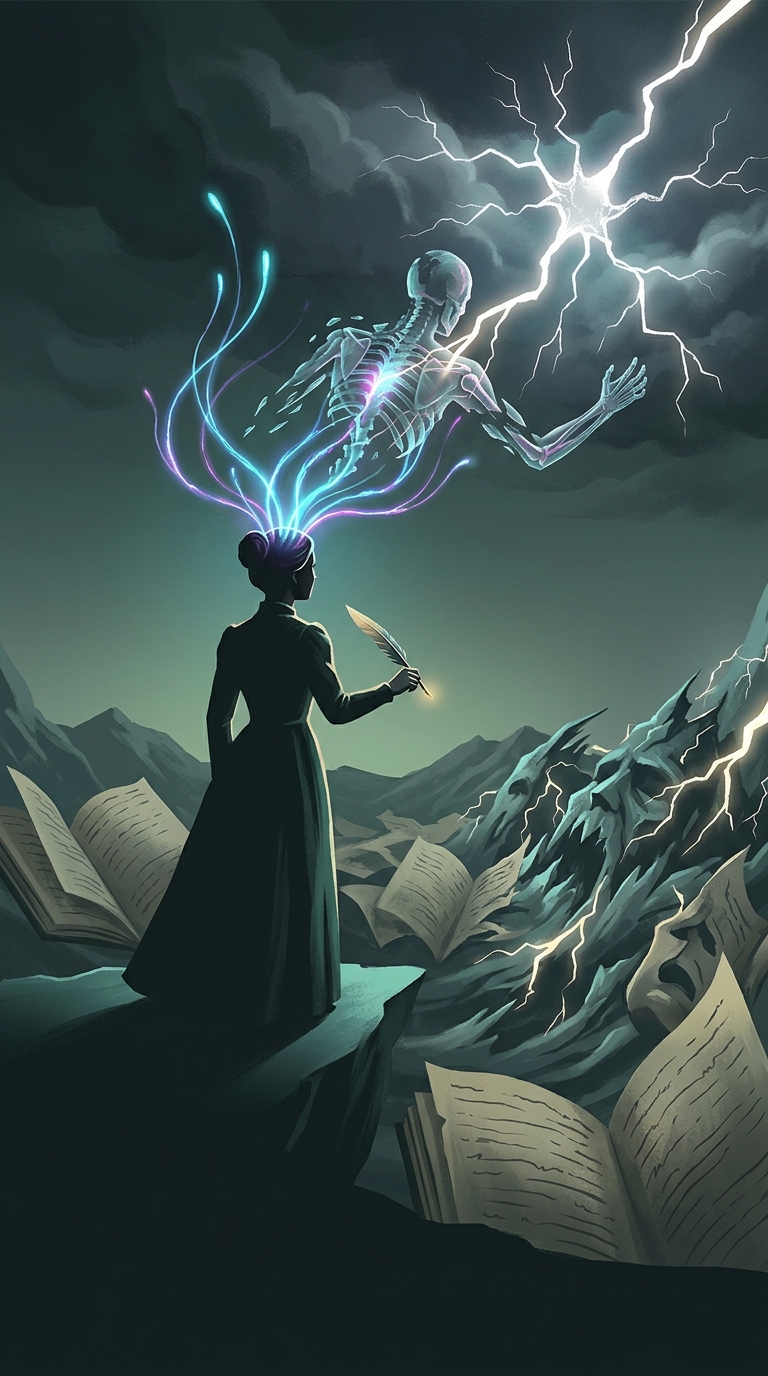
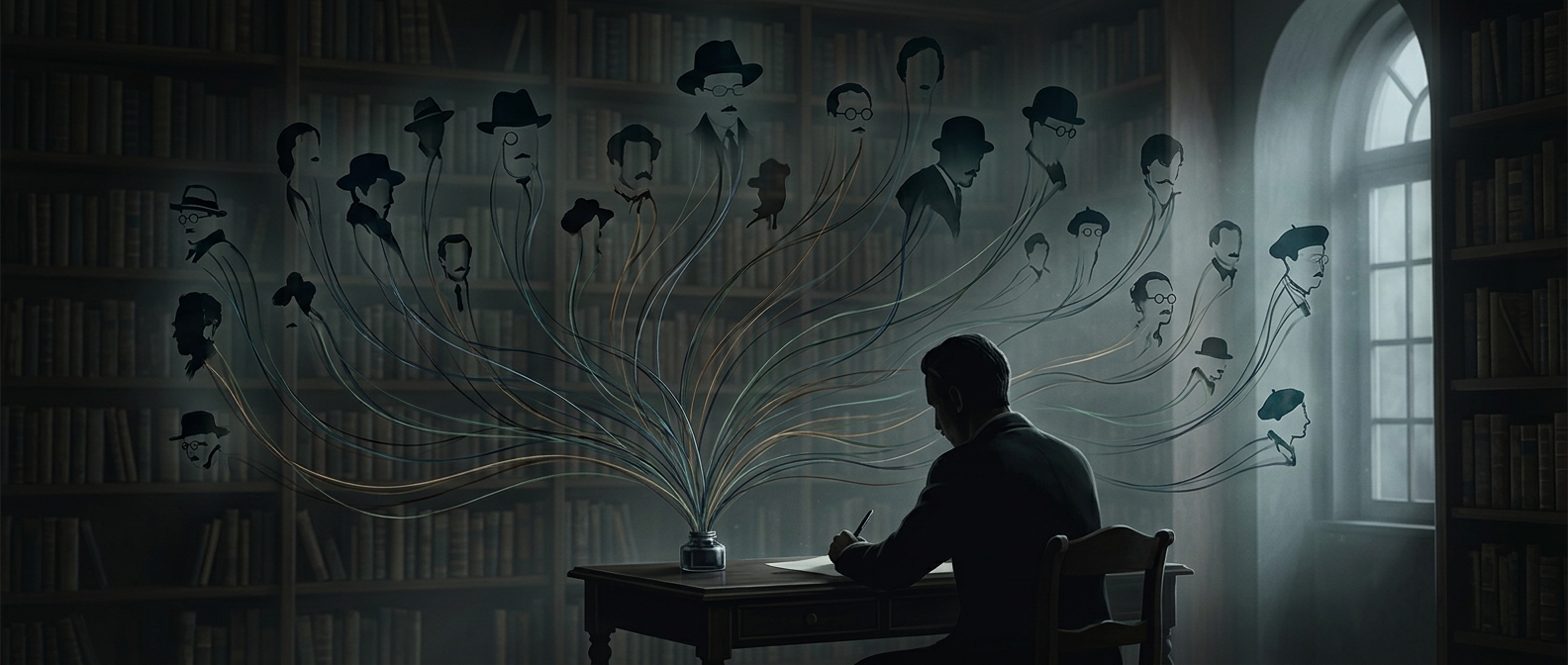
For Portuguese writer Fernando Pessoa, a different name could mean more than a disguise. He created heteronyms: imagined authors with their own literary styles and outlooks, rather than simple pen names attached to the same recognizable voice. More than 70 such identities appear in his creative world, though they were not all developed to the same degree.
Some became substantial enough to seem like writers Pessoa could consult, oppose, or answer. Alberto Caeiro, Ricardo Reis, and Álvaro de Campos, for instance, have distinct poetic voices. Pessoa also gave various figures biographical details and, in some cases, separate handwriting and political views. The invention let him explore sharply different ways of seeing the world without forcing them into one consistent authorial personality.
The imaginary writers could meet on the page
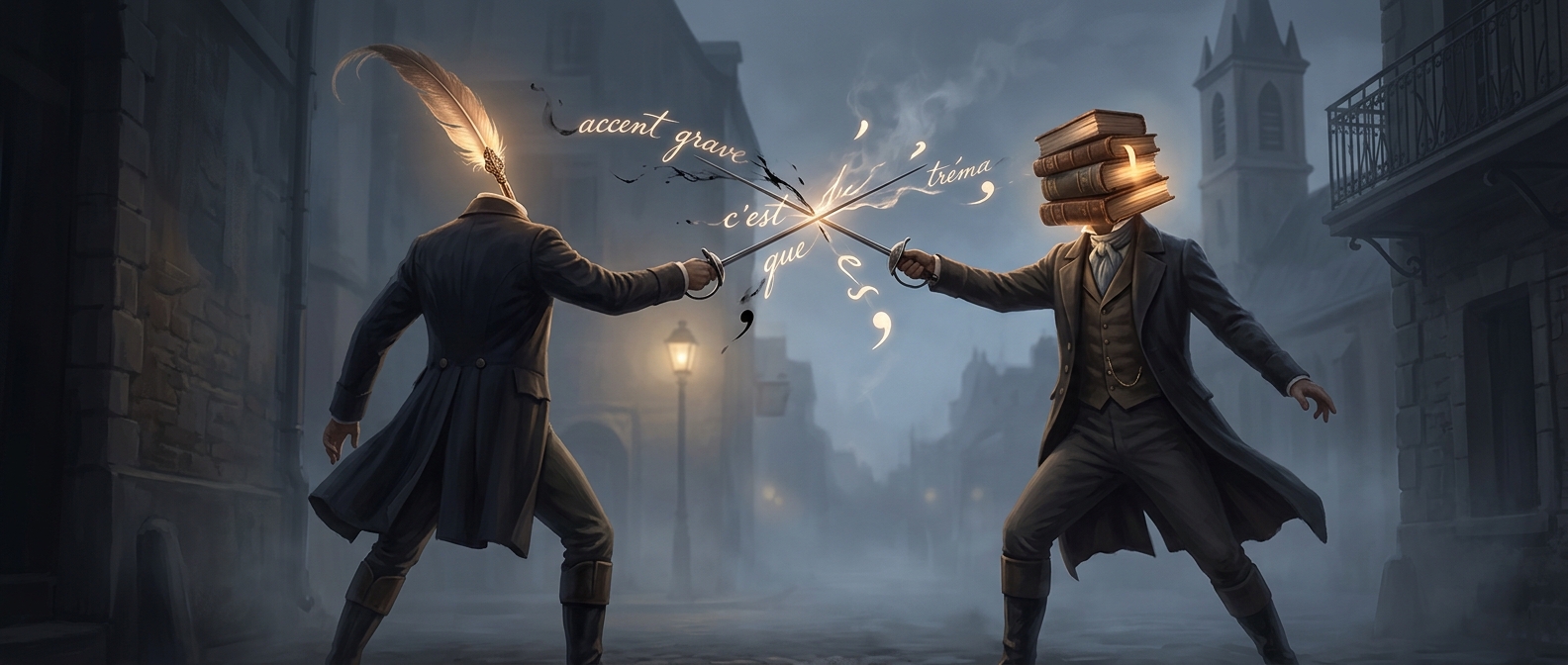
Pessoa made the divisions visible in print. Instead of presenting every poem as the work of one elusive self, he could attribute writing to a particular figure—and let that figure’s ideas clash with another’s. Such exchanges made literary disagreement part of the work’s form: a poem could feel like one person’s position, while another imagined writer supplied a counterpoint.
The result was not merely a collection of masks. It was a miniature literary society, with competing styles and convictions built by one writer. That structure made a striking implication possible: Pessoa could create debate among authors who never existed, yet whose differences readers could recognize in the words on the page.