Proprioception: Knowing Where Your Body Is
Close your eyes and touch your nose. You can usually do it without watching your hand because your nervous system keeps track of where your limbs are. This sense is called proprioception: the ongoing awareness of your body’s position and movement.
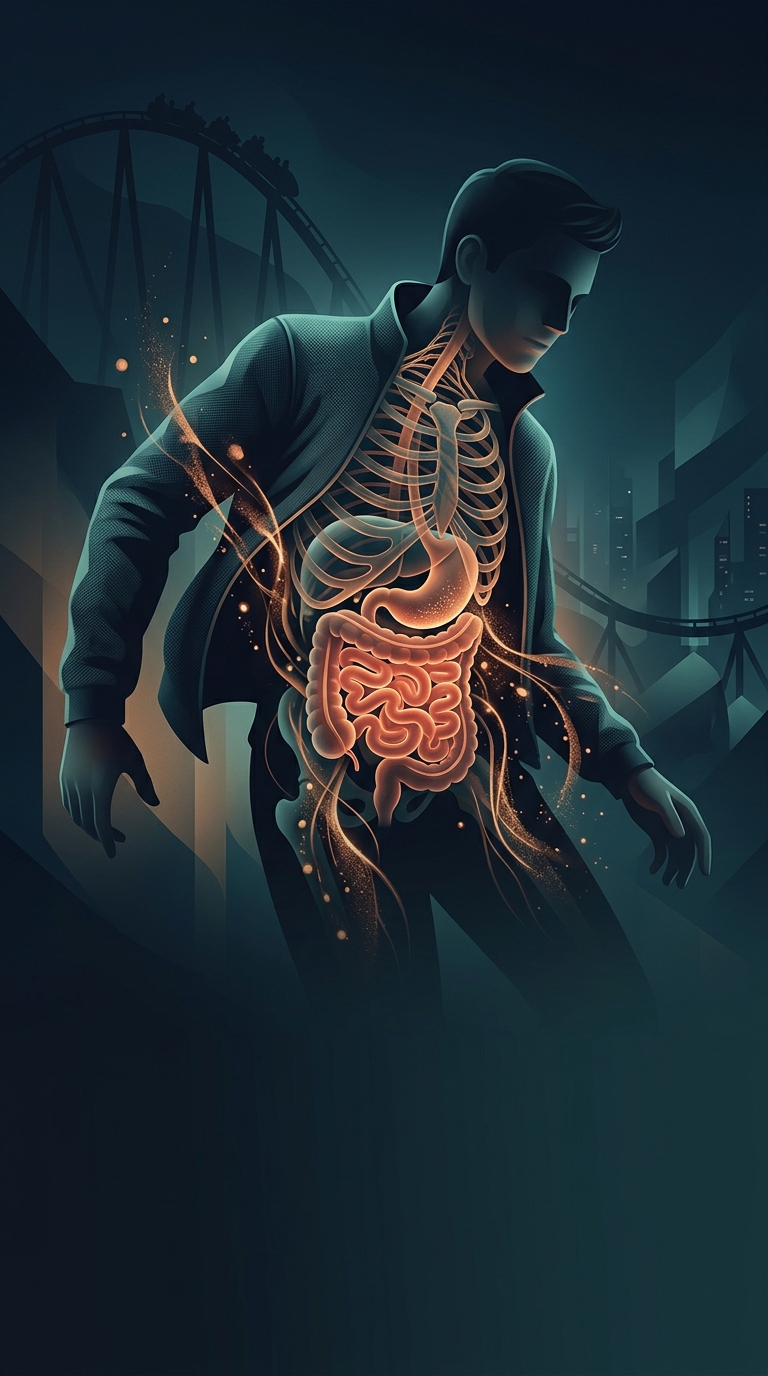
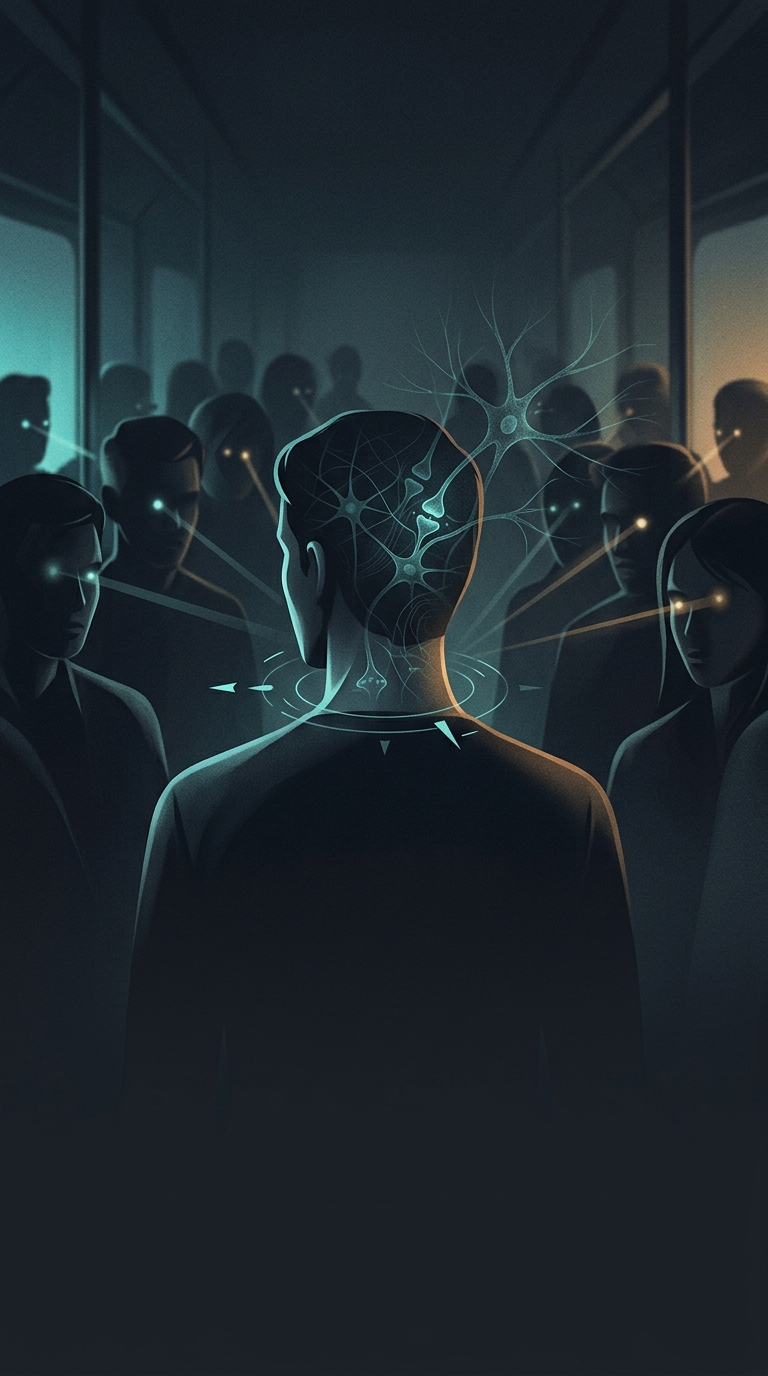
Sensors in muscles, tendons, and joints detect changes such as a muscle stretching or a joint bending. They send those signals to the brain, which combines them with information from the eyes and inner ear to guide movement. The brain can then adjust a reaching arm or steady a step before you consciously think through each correction.
The Sense That Makes Movement Feel Effortless
Proprioception is useful whenever vision is unavailable or attention is elsewhere. It helps you walk in the dark, climb stairs while looking ahead, or judge how much force to use when lifting a cup. If the signals are disrupted, movements can become clumsy, and people may need to watch their limbs more carefully to guide them.
It is related to balance, but the two are not identical. The inner ear senses head motion and orientation, while proprioception reports what the limbs and body are doing. Together with vision, these streams let the brain build a continuously updated sense of where the body is—and make ordinary movement possible without monitoring every joint.