Economy
Discover facts about economy. Small discoveries that change the way you see familiar things.
Economy
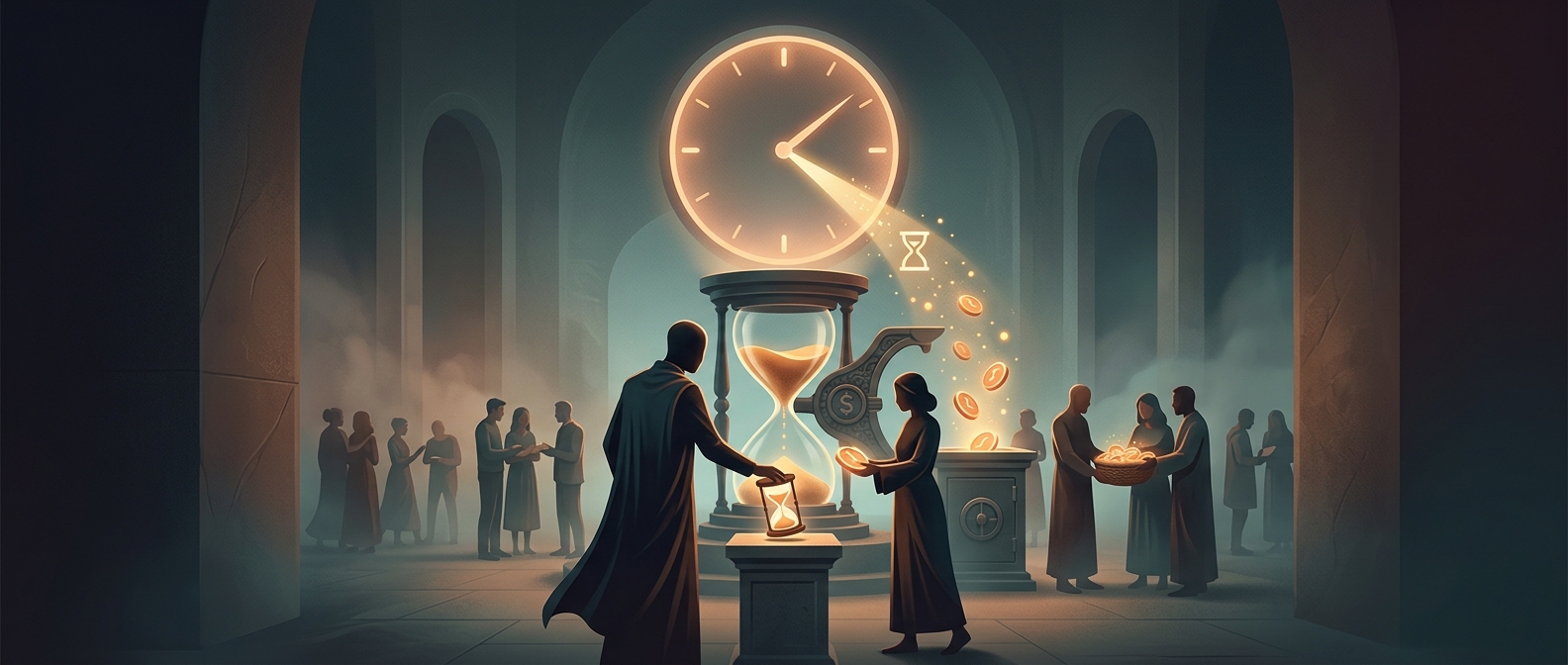
In time banking, every hour is worth the same
A time bank gives one credit for one hour of help, no matter who provided it. An hour from a neurosurgeon buys the same credit as an hour from a dog walker.
Discover more
Why ATM PINs have four digits
John Shepherd-Barron first suggested six digits for the ATM PIN. His wife said that was too many to remember, so he cut it to four.
Discover more
How a tax rule created the 401(k)
Benefits consultant Ted Benna saw a way to use section 401(k) of the U.S. tax code for employee retirement savings. Workers could defer part of their pay, and…
Discover more
Where your payment-app balance really sits
When you leave money sitting in a payment app, it may be pooled with other users' balances in a bank account. The company can earn interest on that money…
Discover more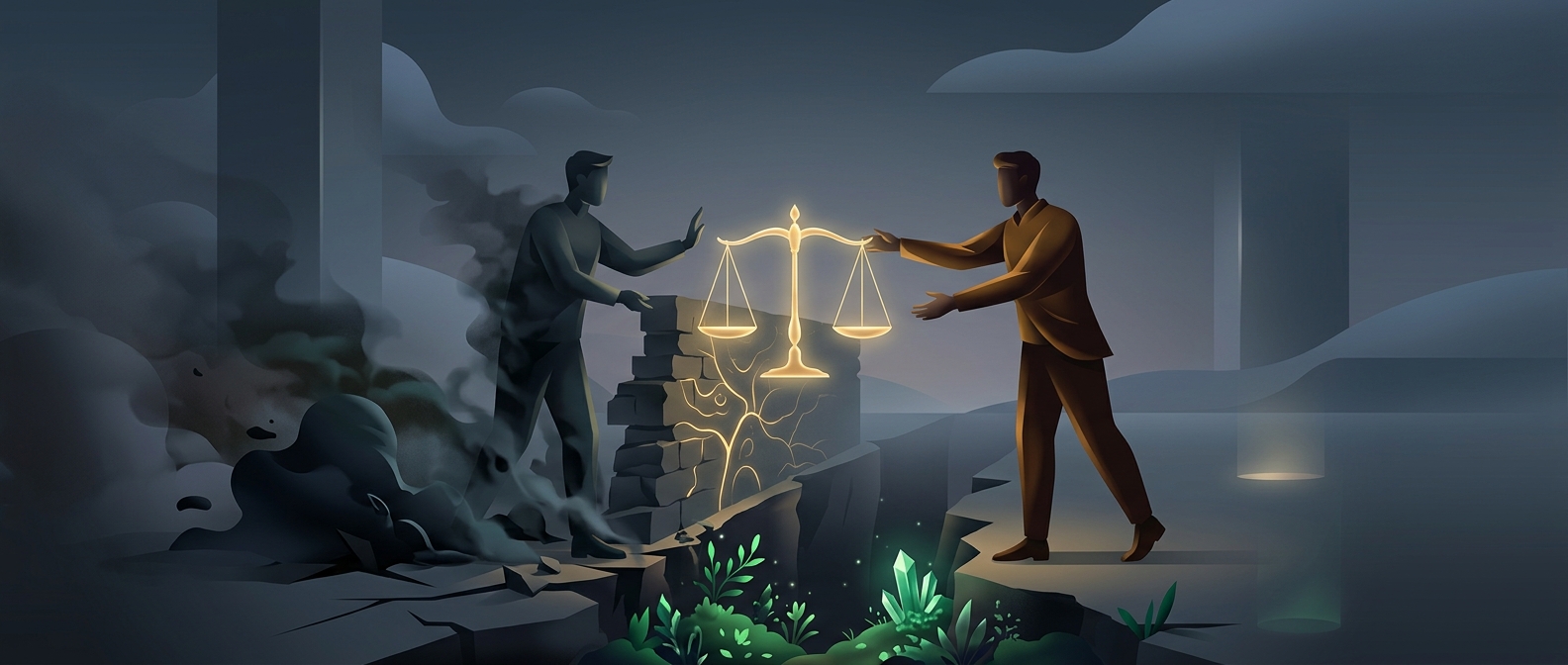
The economic theory that assumes neighbors can agree
If property rights are clear and the parties can bargain, they may settle a dispute without outside intervention. The awkward part is getting everyone to the…
Discover more
Your neighbor’s landscaping can raise your home’s value
The neighbor pays for the flowers, trimmed lawn and tidy yard; nearby homeowners may still see their property values rise. The street’s appearance spills…
Discover more STACKY FOR IPHONE
A bigger world.
One discovery
at a time.
Keep discovering with Stacky. Interesting facts in an app that is always within reach.
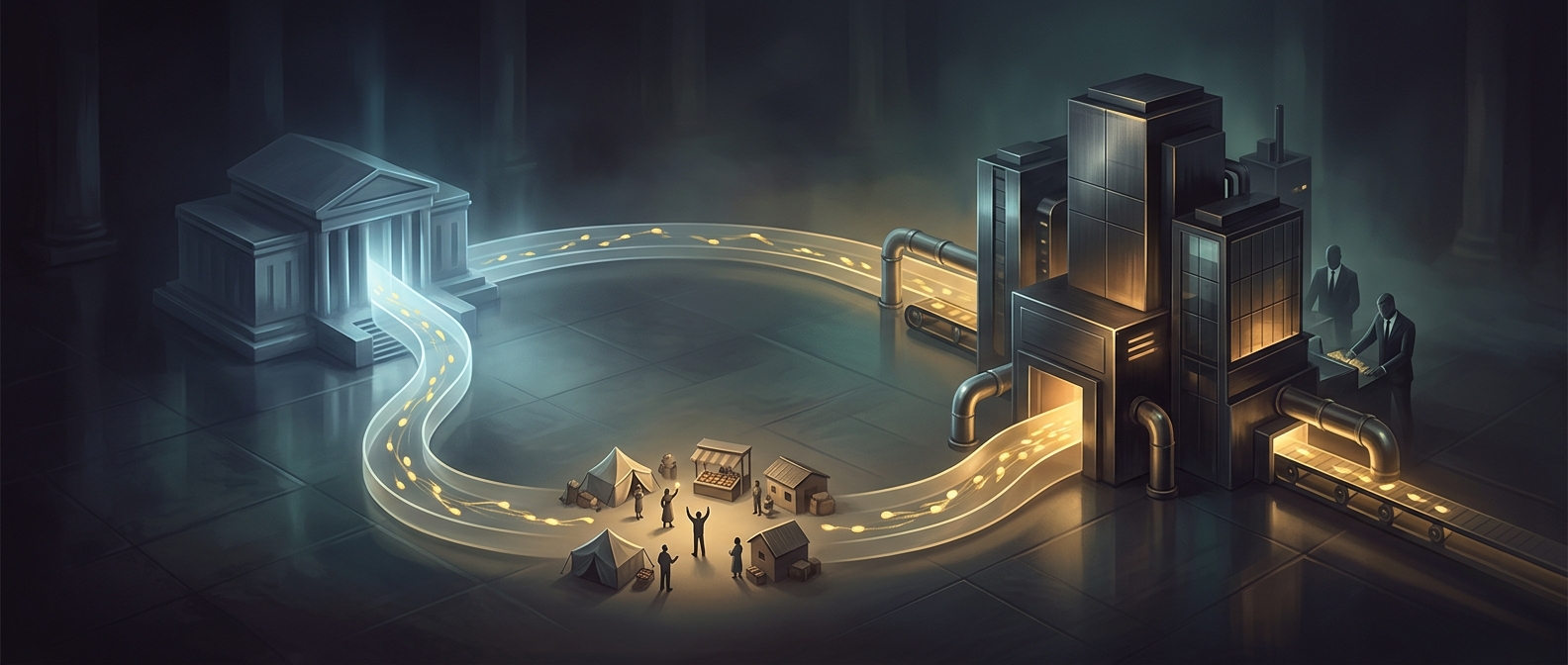
Why foreign aid often returns to the donor country
A donor country can require recipients to spend aid on its own companies. The money crosses a border as aid, then returns as payment to the donor’s businesses.
Discover more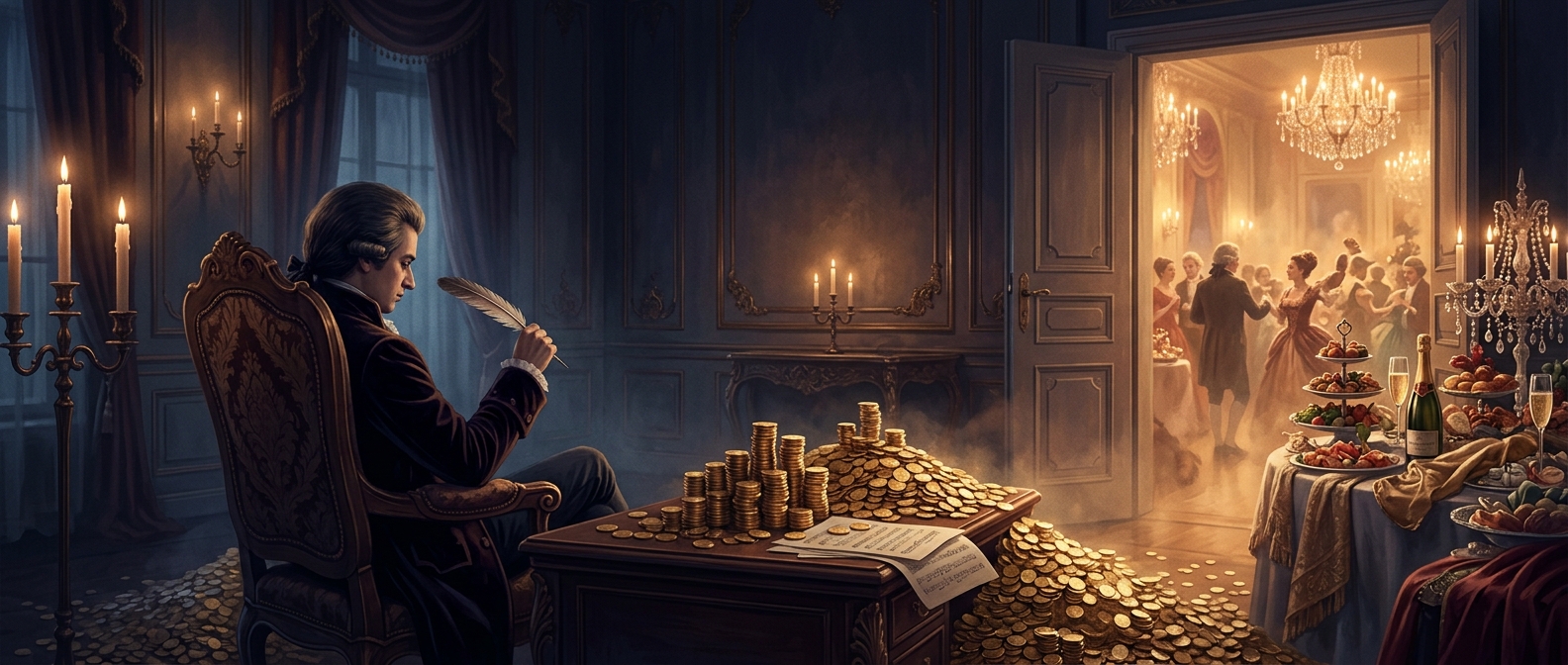
Mozart could earn well and still need a loan
His income came from several streams, including performances, commissions, publications, and a court appointment. That did not guarantee a steady flow of cash…
Discover more
How Scientology won tax-exempt status from the IRS
Scientology kept taking the IRS to court—more than 2,000 lawsuits in all. In 1993, it got religious tax-exempt status, ending a long fight over whether the…
Discover more
Australia gave a coin twelve sides to end a mix-up
The original round 50-cent coin was too easy to confuse with the 20-cent coin, and its silver became too expensive. In 1969, a copper-nickel replacement…
Discover more
A luxury koi fish can cost hundreds of thousands
Show koi are judged on features such as body shape, skin quality, color, and the placement of patterns. A prized fish can command an extraordinary price…
Discover more
Sharp got its name from a mechanical pencil
The company’s first hit was a pencil, not a radio. After an earthquake destroyed the founder’s factory, he moved to Osaka and later started making radios—but…
Discover more
International institutions force strict austerity on nations
Emergency support can come with a hard condition: cut public spending sharply. A country seeking a rescue package may have to reduce government outlays to get…
Discover more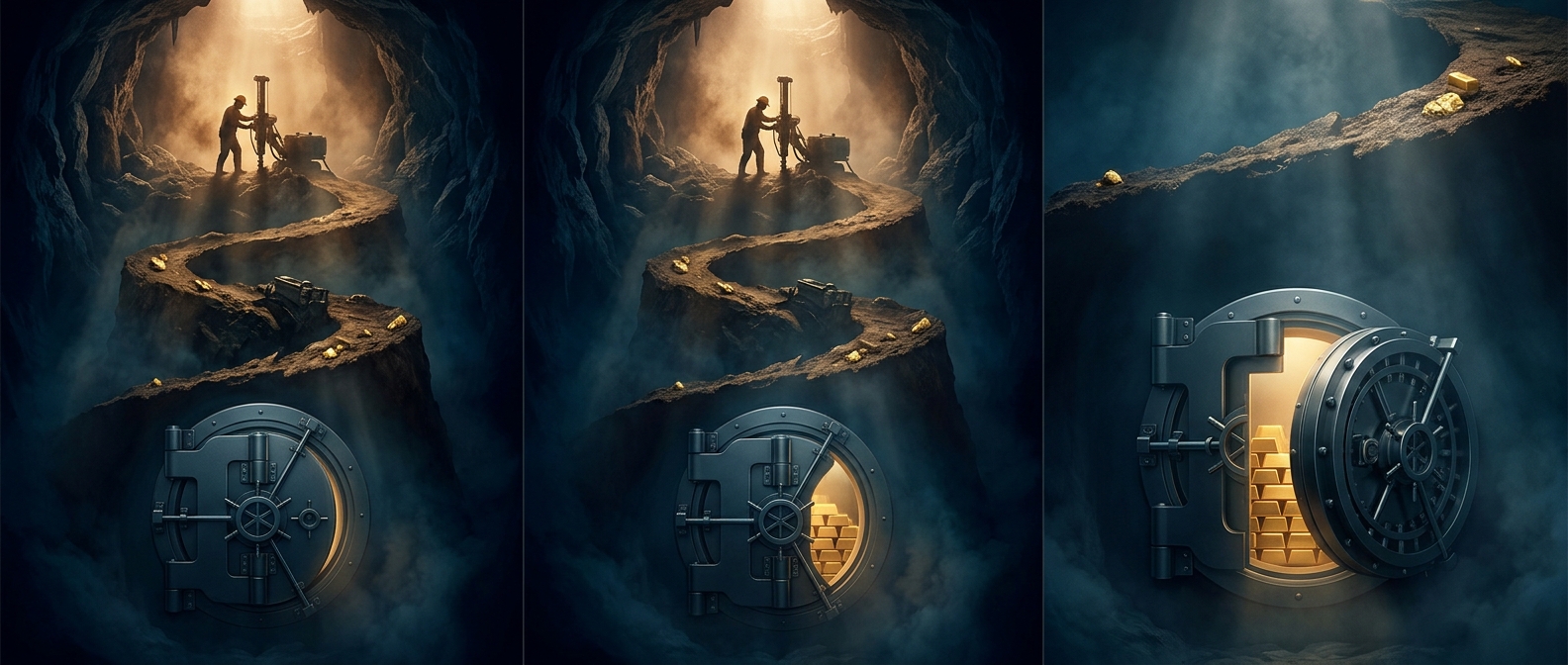
Why we mine gold only to bury it again
We spend money extracting gold, melting it into bars, and shipping it across oceans, only to lock it in underground vaults. The final destination is another…
Discover more
Professional organizers charge hourly to throw away junk
An old sweater may be easy to discard in theory and hard to part with in practice. Professional organizers can charge by the hour to help sort the clutter—and…
Discover more
Governments constantly spend revenues they do not possess
Treasury bonds let a government raise money from investors when its revenues are too low to cover operations. Instead of waiting for more tax receipts, it…
Discover more
Sending applications into endless digital black holes
Applicants can spend hours tailoring a cover letter and completing assessments, then get rejected by an automated system with no explanation. The effort goes…
Discover more
Stores accepted more theft to encourage impulse buying
When stores began letting shoppers handle displayed goods in the mid-19th century, some merchandise walked out unpaid. Retailers accepted the shoplifting risk…
Discover more
The peanut farmers who needed a license
A peanut-growing license could outlive the farmer: federal quotas limited domestic production for decades, and the licenses were inheritable. A crop allotment…
Discover more
Seatbelts save lives and reduce societal cost
A serious crash injury can mean extensive medical care for a family and a public health system. By reducing the risk of those injuries, seatbelts can spare…
Discover more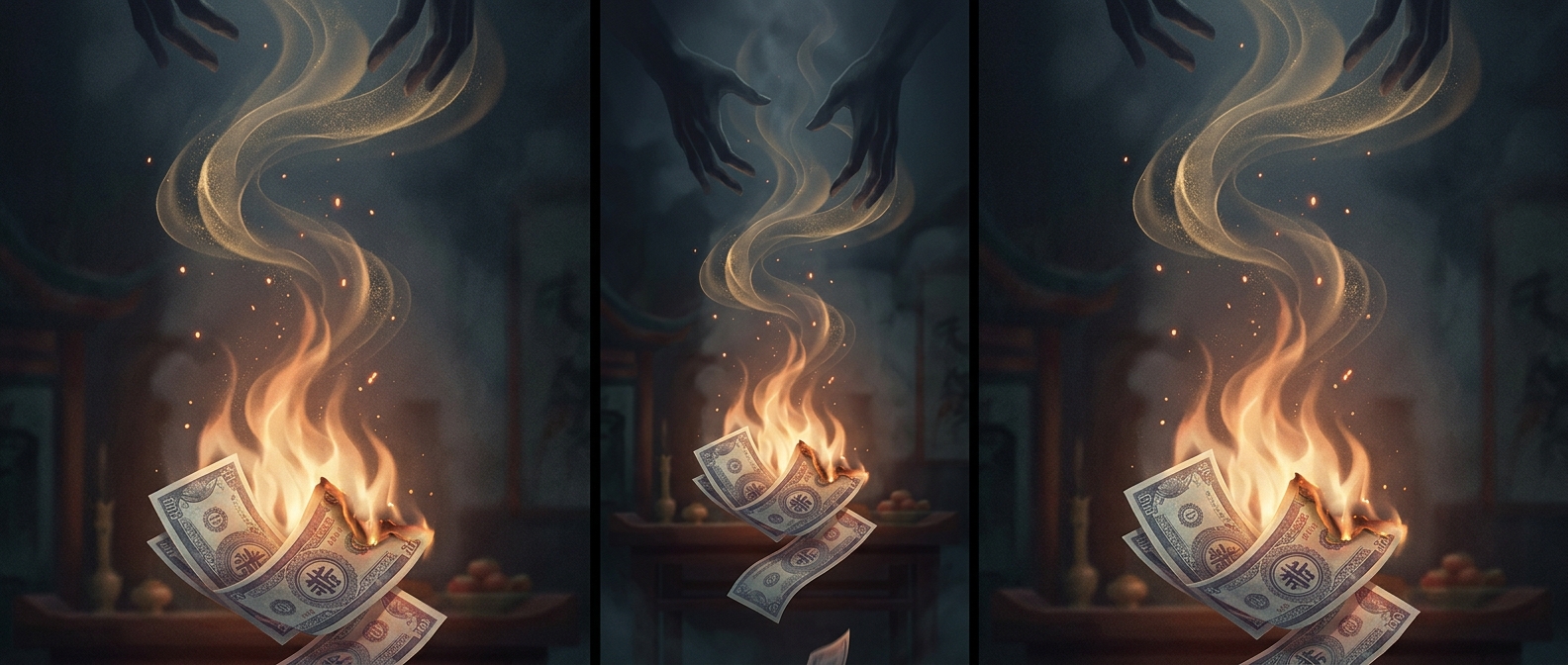
Why people burn fake money for the afterlife
In some traditions, families burn realistic-looking paper money in high denominations as an offering to deceased relatives. The bills are meant for the…
Discover more
Violin restorations cost astronomically high amounts
A tiny repair on an old violin can mean carefully gluing specialized pieces of wood with techniques passed down for generations. The bill pays for painstaking…
Discover more
The Dow tracks just 30 handpicked companies
The Dow’s committee picks 30 companies, but the index doesn’t weigh them by company size. It weighs them by share price. So when a company splits its stock,…
Discover more
Zombie funds can charge fees without investing
A fund can stop making new investments and show no returns while its managers keep collecting annual fees from investors. The fund is dormant; the fee meter…
Discover more