Economy
Discover facts about economy. Small discoveries that change the way you see familiar things.
Economy

Why a simple blue stripe can sell for millions
The paint is not what makes a simple blue stripe cost millions. Buyers may pay for the value they attach to it, and wealthy gallery owners can help shape that…
Discover more
Snow removal budgets evaporate during mild winters
Cities commit millions to salt and plows months before winter arrives. A mild season can leave that budget unused, while an unexpected blizzard can strain the…
Discover more
A royal food claim became an annual swan health check
Swan Upping grew out of historic ownership rights over mute swans. Today, crews on the Thames count young birds, weigh and examine them, and record injuries.…
Discover more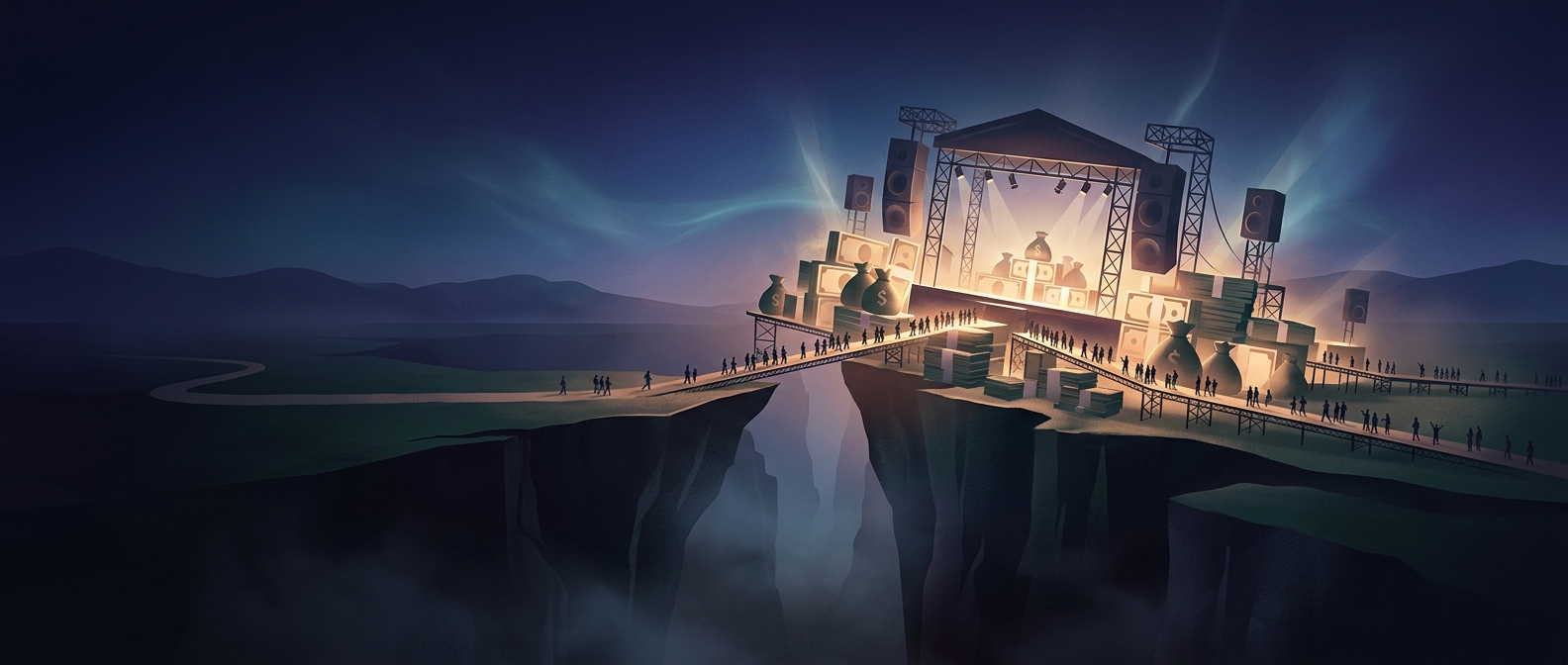
Why music festivals are financial gambles
Festival organizers pay for security and portable toilets before they know how many tickets they’ll sell. Then rain can keep people away, leaving the bills…
Discover more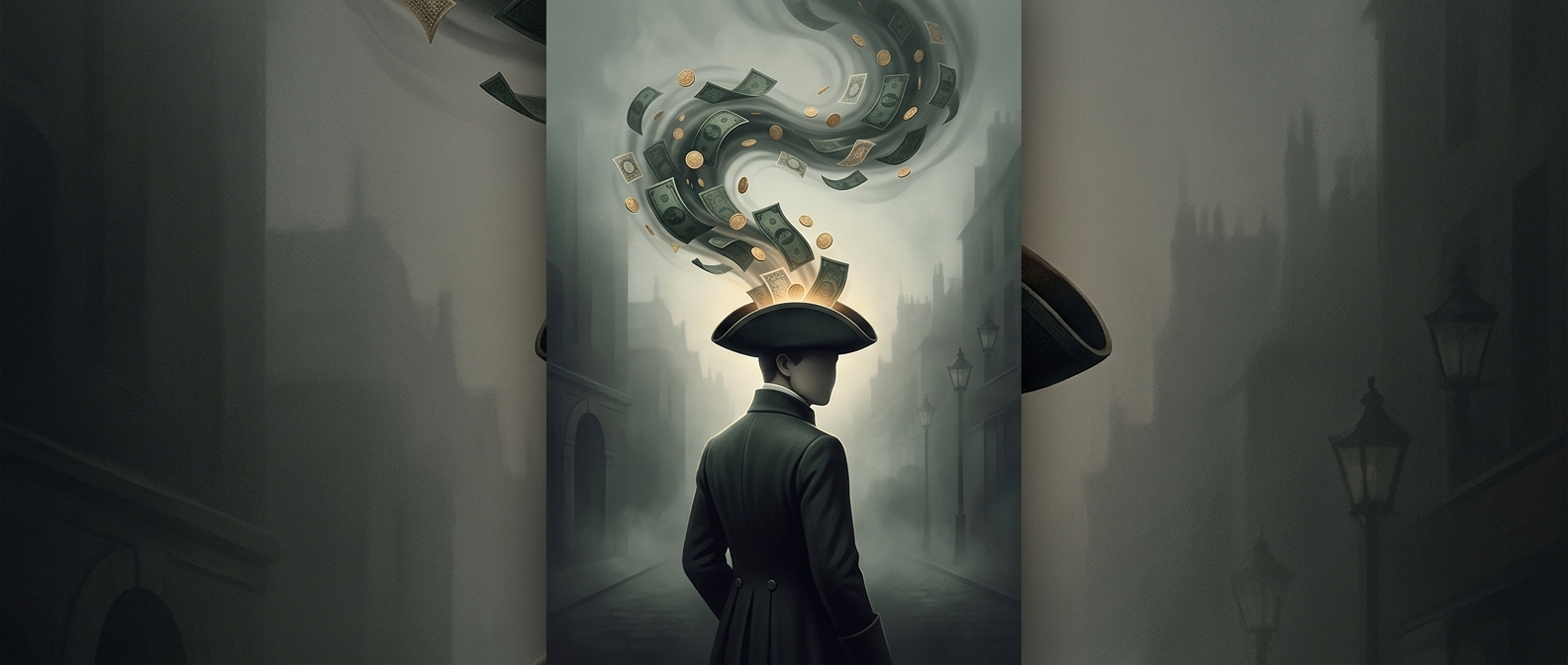
Britain once taxed hats with stamps
A British hat shop had to paste a tax stamp inside each hat’s lining. Retailers bought the stamps and did the collecting themselves, turning shopkeepers into…
Discover more
Britain briefly taxed the privilege of owning a clock
William Pitt's government imposed duties on clocks and watches in 1797. The measure hurt the trade and was repealed the following year. A useful object had…
Discover more STACKY FOR IPHONE
A bigger world.
One discovery
at a time.
Keep discovering with Stacky. Interesting facts in an app that is always within reach.
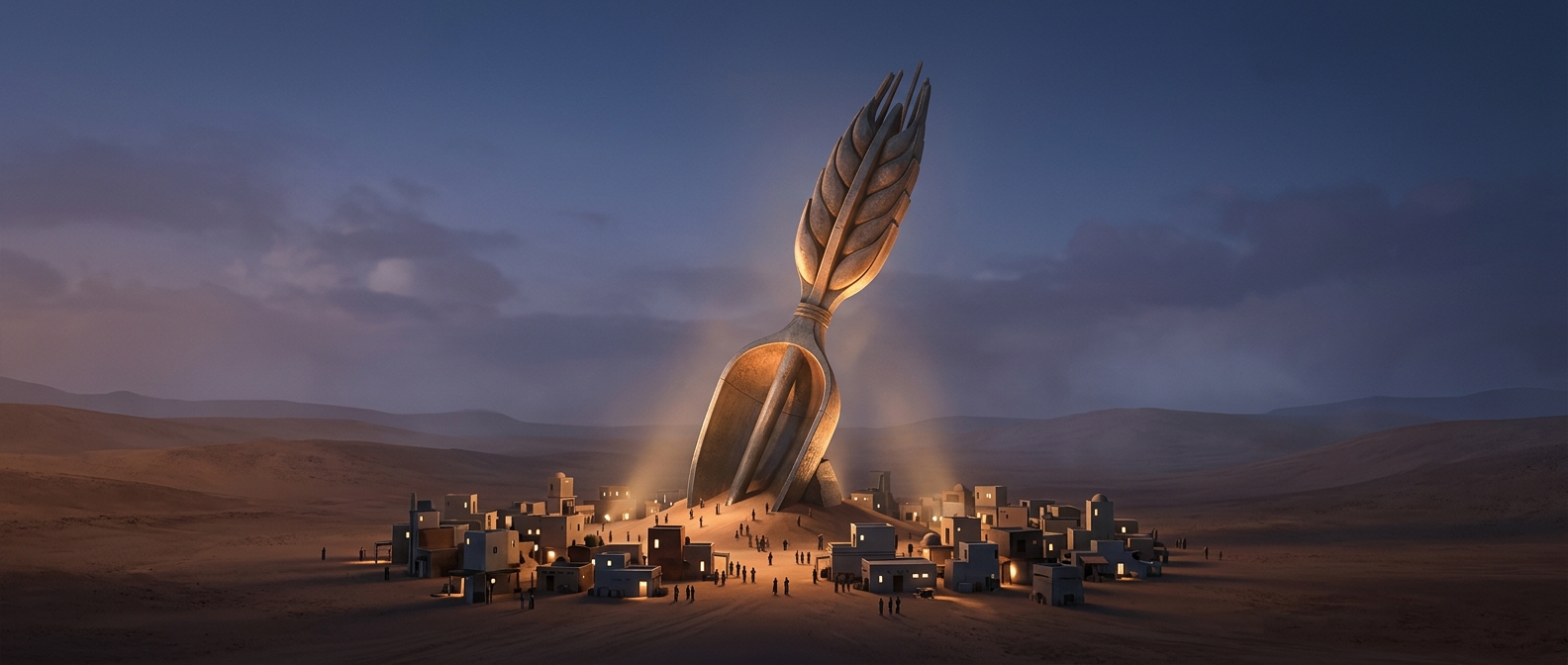
Small towns build giant things for attention
A passing driver can’t miss a giant fiberglass sheep or piece of fruit. Small towns put oversized objects by the road to make motorists stop—and hopefully…
Discover more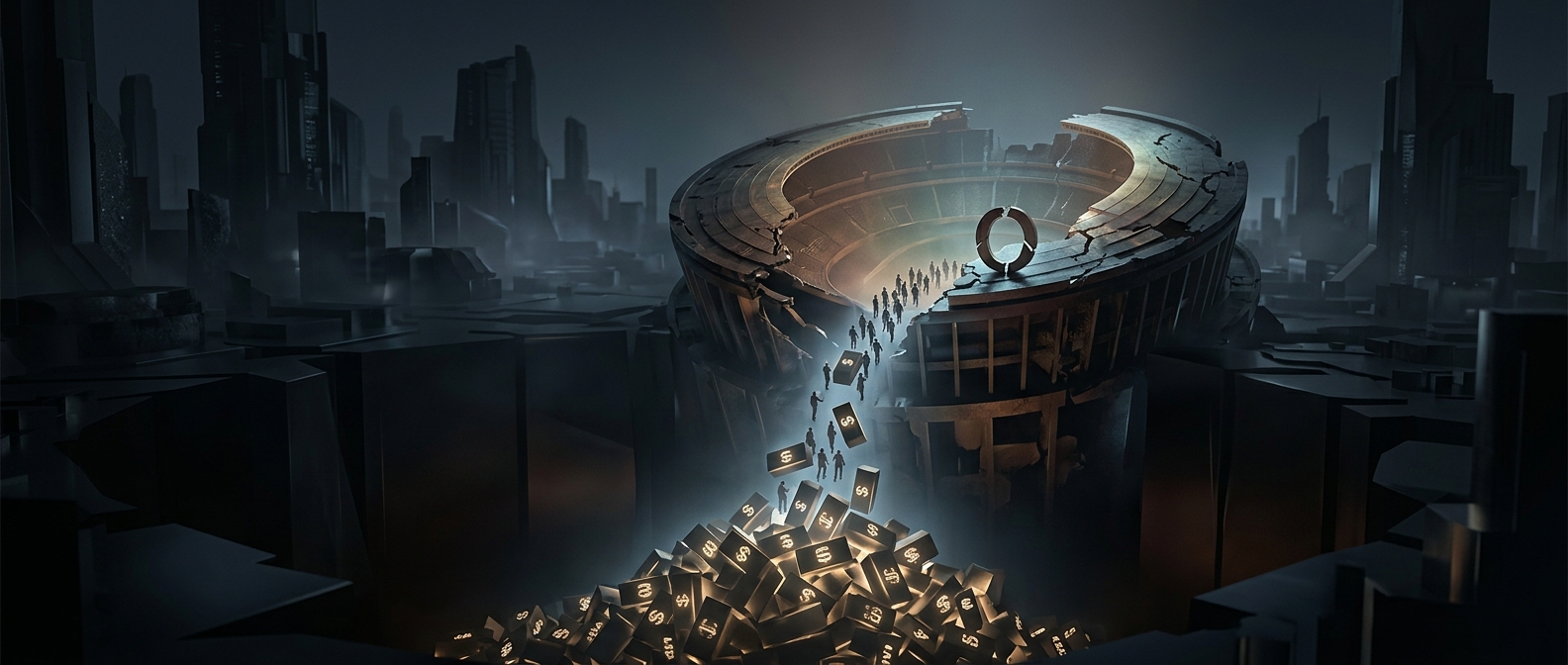
Why hosting the Olympics can leave cities in debt
The games last weeks; the stadium bills last much longer. Cities can underestimate construction costs, then inherit expensive venues that may stand abandoned…
Discover more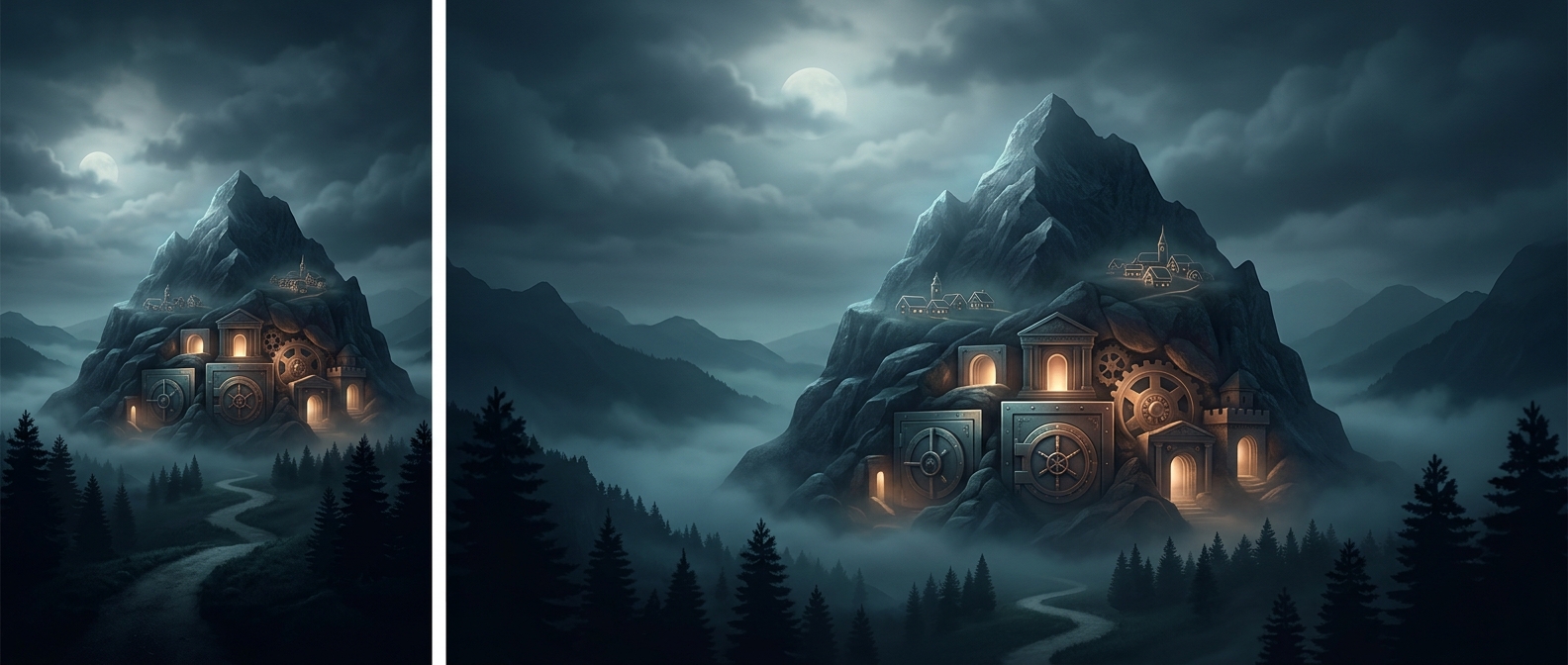
Slovenia's tourism slogan hides the word love in its name
The slogan is “I FEEL sLOVEnia,” with “LOVE” picked out inside the country’s name. The tourism pitch turns a spelling detail into its headline.
Discover more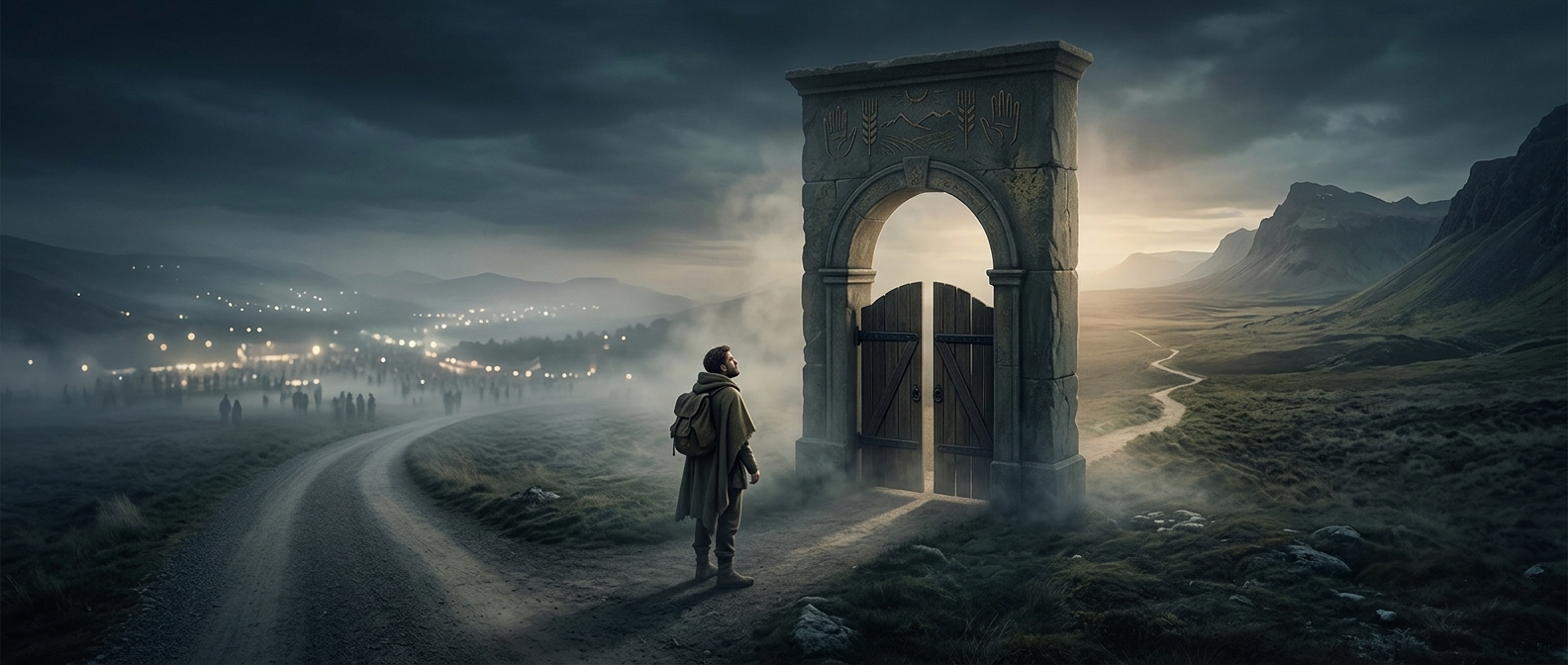
Nebraska once advertised that it was not for everyone
The tourism campaign leaned into the state's overlooked reputation with the line 'Honestly, it's not for everyone.' Launched in 2018 and retired in 2024, it…
Discover more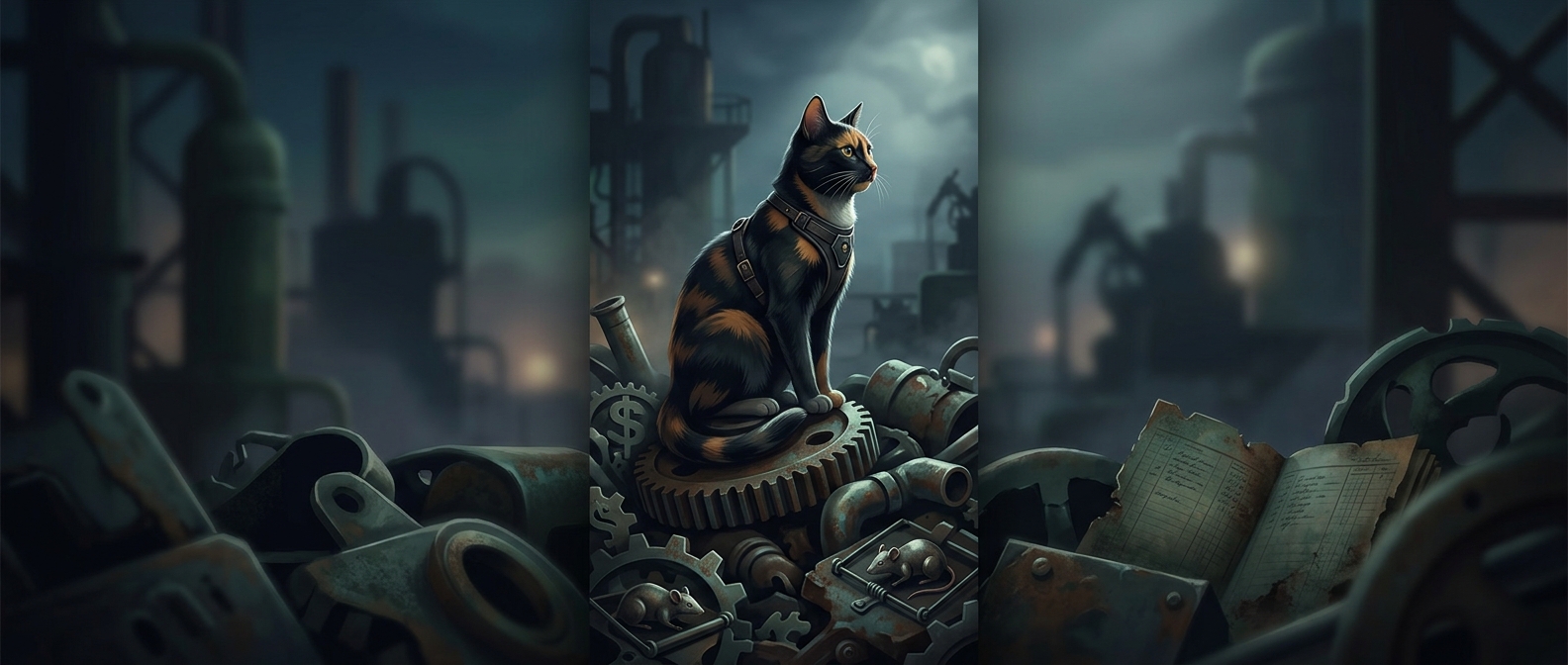
A junkyard won a tax deduction for cat food
In Seawright v. Commissioner, a court allowed $300 for food used to attract feral cats that deterred rats and snakes around the property. The expense had a…
Discover more
Virginia originally targeted history lovers
The slogan started by inviting history lovers and mountain lovers. Remove those qualifiers, and “Virginia is for Lovers” can invite everyone else, too.
Discover more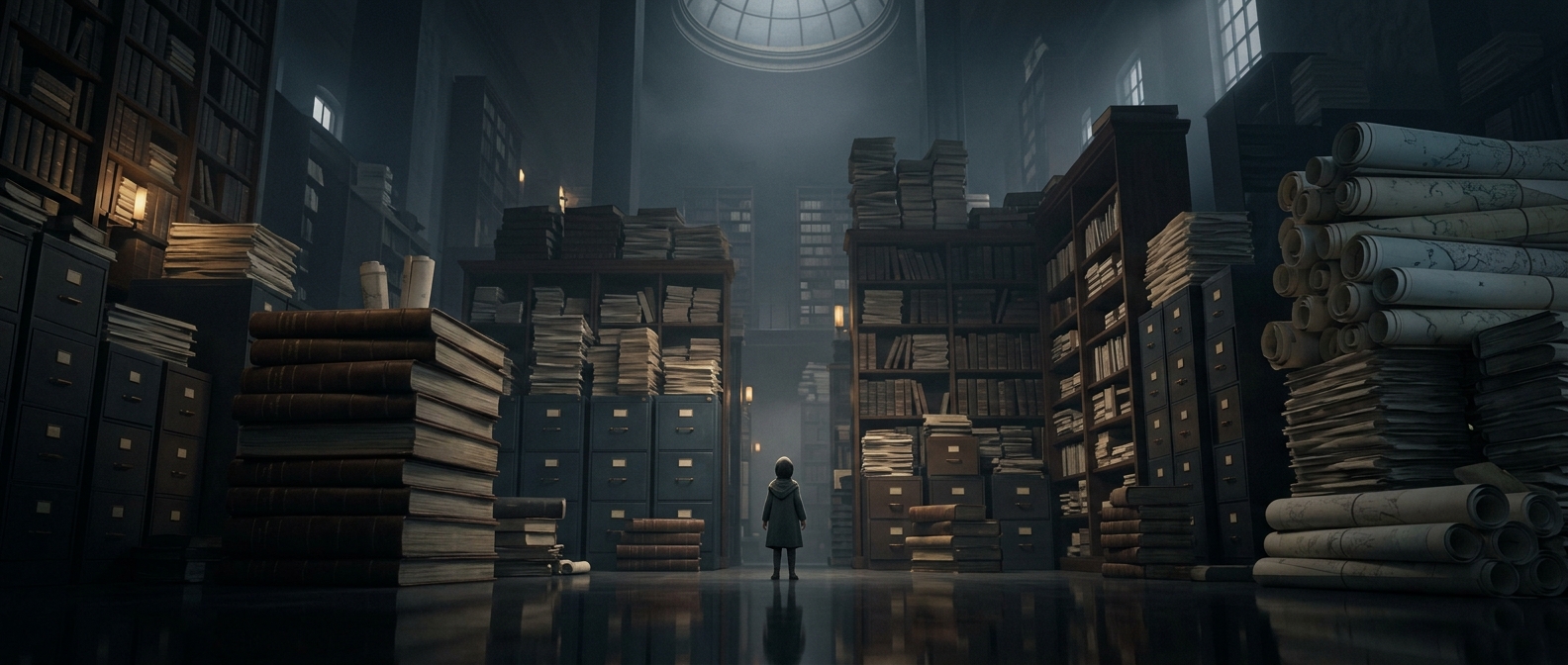
Counting citizens costs billions in administrative overhead
A census does not count itself: the government hires temporary workers to visit homes and collect demographic information. Sending people door to door makes…
Discover more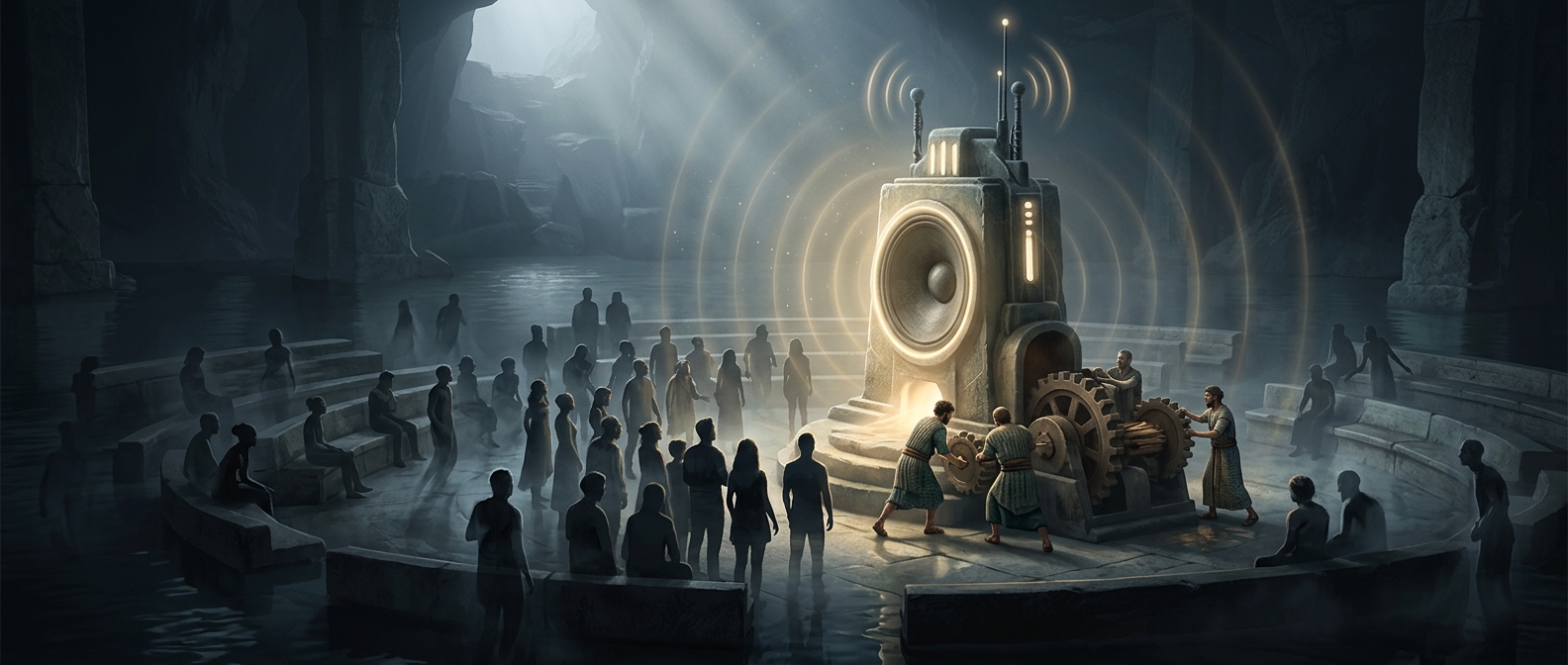
Public broadcasting relies entirely on free riders
Public TV faces an awkward funding deal: people can watch without paying, so donations have to come from viewers willing to chip in anyway. The audience is…
Discover more
Streetlights provide zero incentive for private funding
A company paying for streetlights cannot stop people who never paid from using the lit street. Since it cannot easily charge each beneficiary, private firms…
Discover more
Dairy waste became protein powder
Whey is the liquid left after milk separates into curds during cheesemaking. Processing can concentrate its proteins and remove much of the water, turning a…
Discover more
The air in a chip bag is part of the packaging
Manufacturers often flush bags with nitrogen, reducing the oxygen that makes fats turn rancid. The gas-filled space also cushions the chips in transit. A bag…
Discover more
How free apps turn inconvenience into revenue
Some apps put pop-ups in your way, then offer a monthly payment to make them disappear. The interruption isn’t just an annoyance; it’s the sales pitch.
Discover more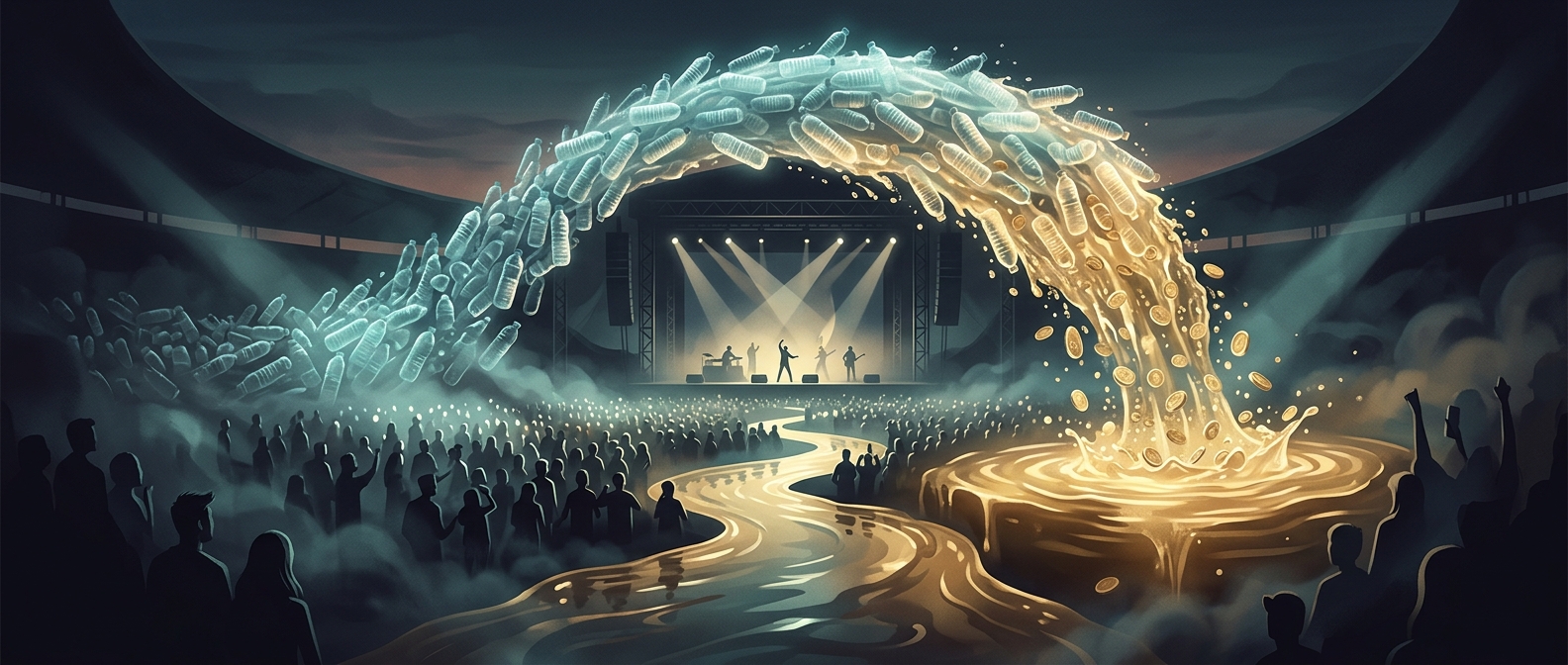
Music festivals generate massive profits from bottled water
With 50,000 people sweating in a dusty field, water is an easy thing to sell—and a festival can charge $8 for a bottle. The crowd turns hydration into a…
Discover more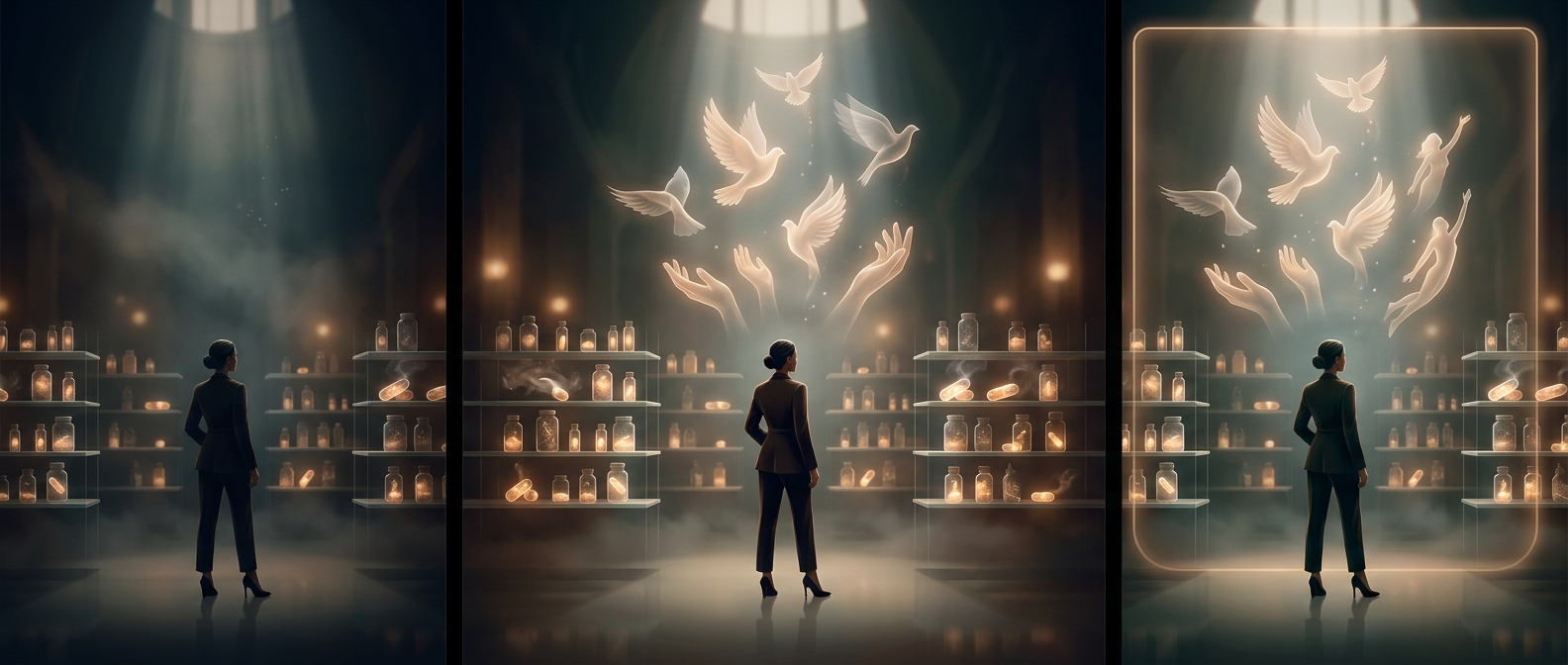
Dietary supplements sell unregulated hope
A supplement label can promise wellness benefits and then say those claims have not been scientifically evaluated. The hopeful pitch is on the front; the…
Discover more
Weight cycling can mean repeat business
A customer who returns to a paid diet program after regaining weight generates another sale. That creates a business incentive different from the customer's…
Discover more
Why subscription boxes are hard to cancel
You lose interest, but the subscription keeps billing. Box companies count on cancellation being enough of a hassle that you’ll postpone it and pay for…
Discover more
Why deodorant tubes look fuller than they are
Inside the tube, a plastic mechanism takes up space that could otherwise hold deodorant. So the package can look fuller than the amount of product inside it.
Discover more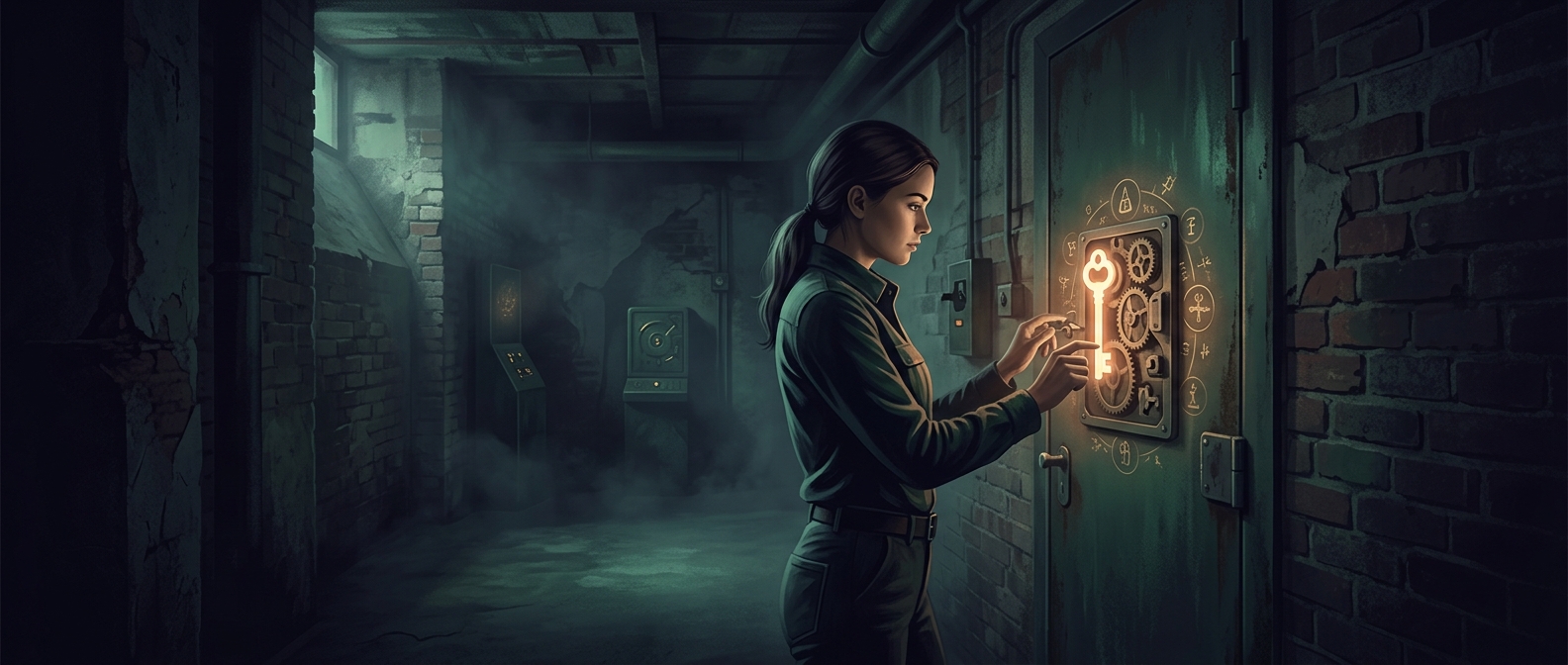
Escape rooms operate on incredibly low overhead
A few padlocks, UV flashlights, and thrift-store furniture can furnish the room, while groups pay about $50 per person for an hour. The business sells a…
Discover more