Health
Discover facts about health. Small discoveries that change the way you see familiar things.
Health
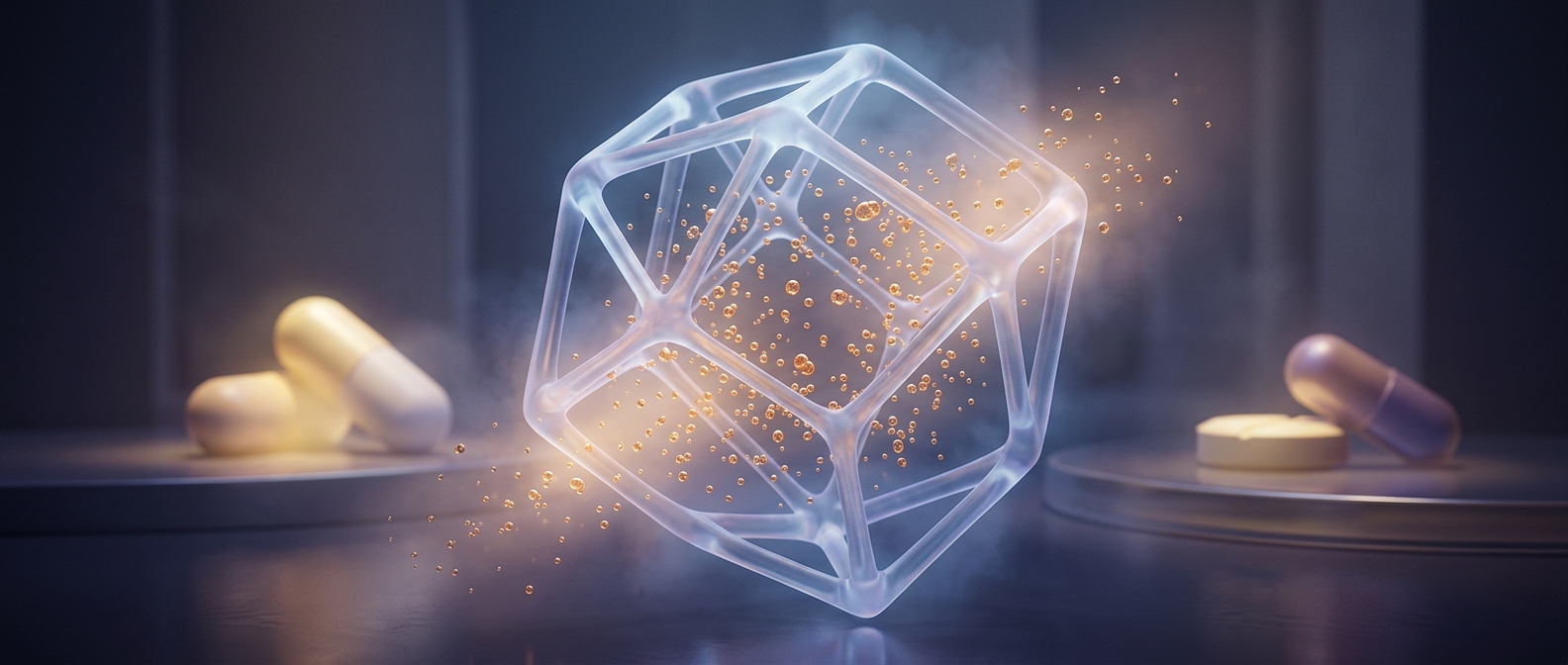
Propylene glycol is a common solvent in pharmaceuticals
That thick, slightly sweet syrup holding your liquid medication together is practically industrial multi-tool fluid. Propylene glycol acts as a powerful…
Discover more
Medication half-lives dictate exact dosage frequencies
Taking a pill every eight hours isn't a random schedule pulled out of thin air to inconvenience you. It is strictly mathematically determined by the drug's…
Discover more
One in five prescriptions is off-label
Turns out, using chemical compounds for entirely unapproved reasons is completely standard practice. Once a drug is approved for a single specific use,…
Discover more
Counterfeit pharmaceuticals generate billions illicitly
The black market isn't just for stolen art and exotic animals. There is a massive, multi-billion-dollar global underground industry dedicated entirely to…
Discover more
The cotton in pill bottles can damage what's inside
That comforting little fluff of cotton is secretly sabotaging your prescription. Originally stuffed in bottles decades ago to keep fragile pills from rattling…
Discover more
Why some pill packs include a week of placebos
We are apparently creatures of such fragile habit that skipping a single day throws our entire routine into chaos. Certain monthly prescription packs…
Discover more STACKY FOR IPHONE
A bigger world.
One discovery
at a time.
Keep discovering with Stacky. Interesting facts in an app that is always within reach.

Investigational new drugs require highly restricted access
You cannot simply request a test drive of experimental science. Chemical compounds currently undergoing clinical evaluation are locked behind massive…
Discover more
What an expiration date really guarantees
The date stamped on the bottle isn't a magical self-destruct timer where the pills turn instantly poisonous at midnight. Regulatory expiration dates simply…
Discover more
Pharmaceutical patents last exactly twenty years
The golden monopoly of medicine has a strict ticking clock. The moment a company files a patent for a new chemical compound, they have exactly two decades of…
Discover more
Why child-resistant caps need two motions at once
Keeping dangerous chemicals away from toddlers is just a matter of basic spatial reasoning. Child-proof caps do not require immense physical strength; they…
Discover more
Why generic drugs can skip costly clinical trials
Why pay to invent the wheel twice? When producing a generic counterpart, manufacturers legally skip the massively expensive multi-year clinical trials. They…
Discover more
Carnauba wax gives compressed tablets a glossy shine
That premium, slick feeling when you swallow a high-end tablet is brought to you by the exact same material used to polish sports cars. Carnauba wax is…
Discover more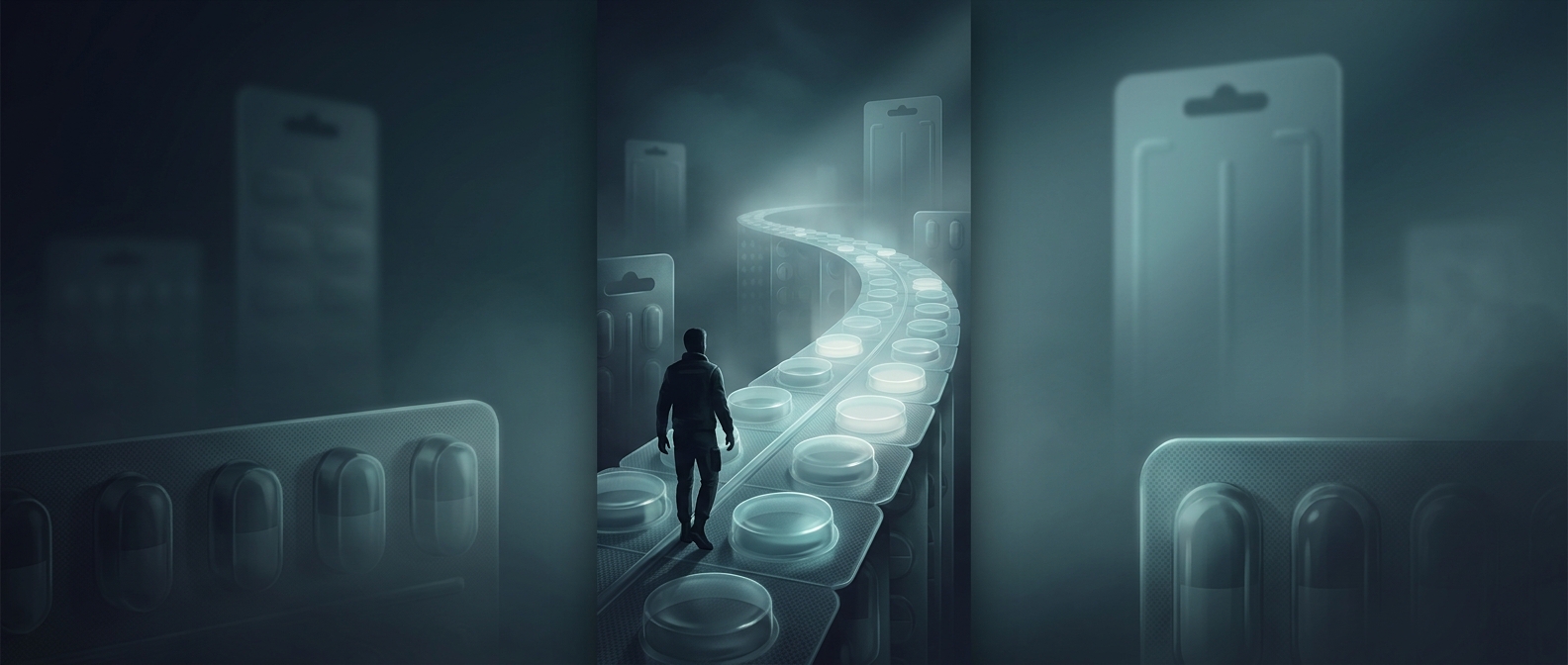
Blister packaging significantly increases dose adherence
Apparently, we are all toddlers who need visual confirmation of our chores. Studies prove that popping a pill out of an individual blister pack heavily…
Discover more
Medication adherence drops heavily over twice daily dosing
The human capacity for following basic instructions vanishes rapidly after lunch. Statistical models show that prescribing a medication once or twice a day…
Discover more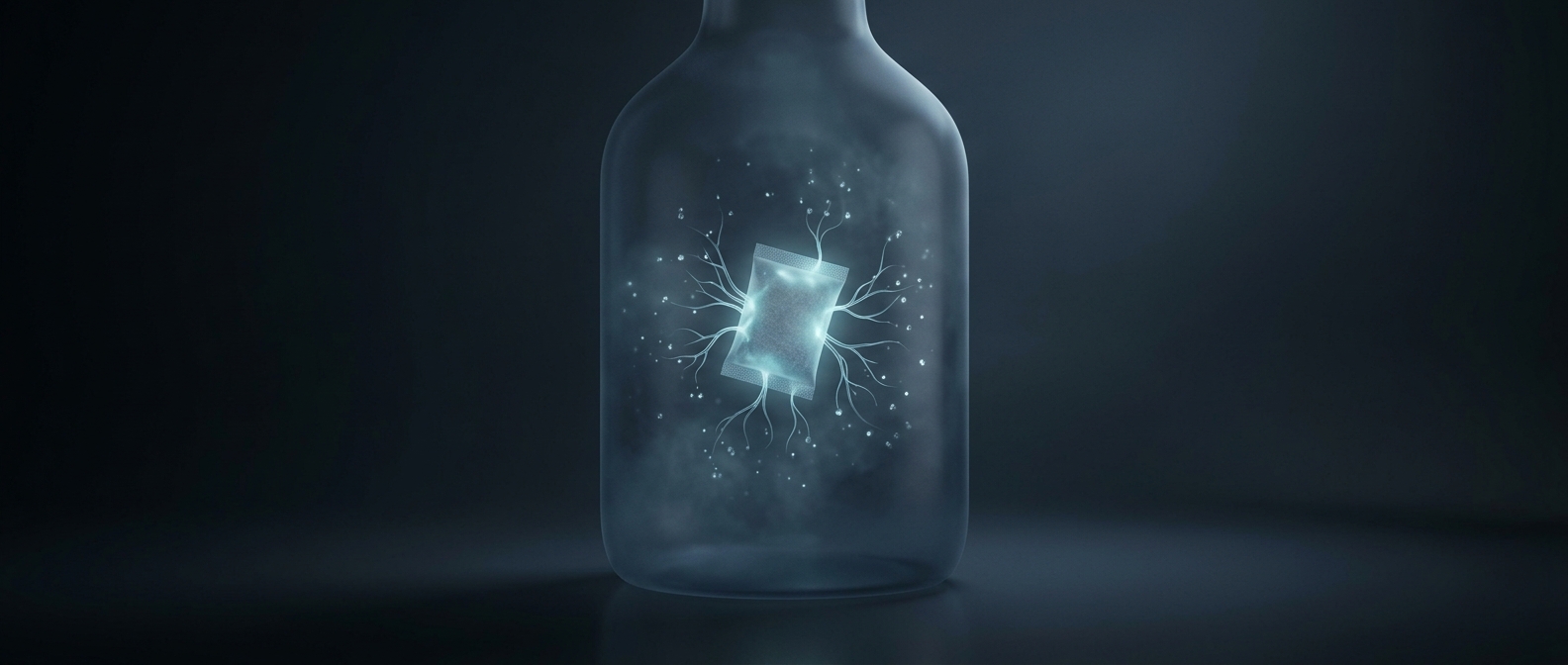
Desiccant packets strictly absorb ambient bottle moisture
That tiny cylindrical plastic barrel aggressively labeled 'DO NOT EAT' is the unsung hero of medication stability. Filled with highly absorbent silica gel, it…
Discover more
Double-blind studies hide assignments from researchers
To prevent scientists from accidentally ruining their own data through sheer bias, clinical trials operate in total darkness. In a double-blind setup, neither…
Discover more
High-density polyethylene is standard for pill bottles
Those endlessly recyclable plastic pharmacy vials are strictly standardized for chemical defense. High-density polyethylene is universally favored because it…
Discover more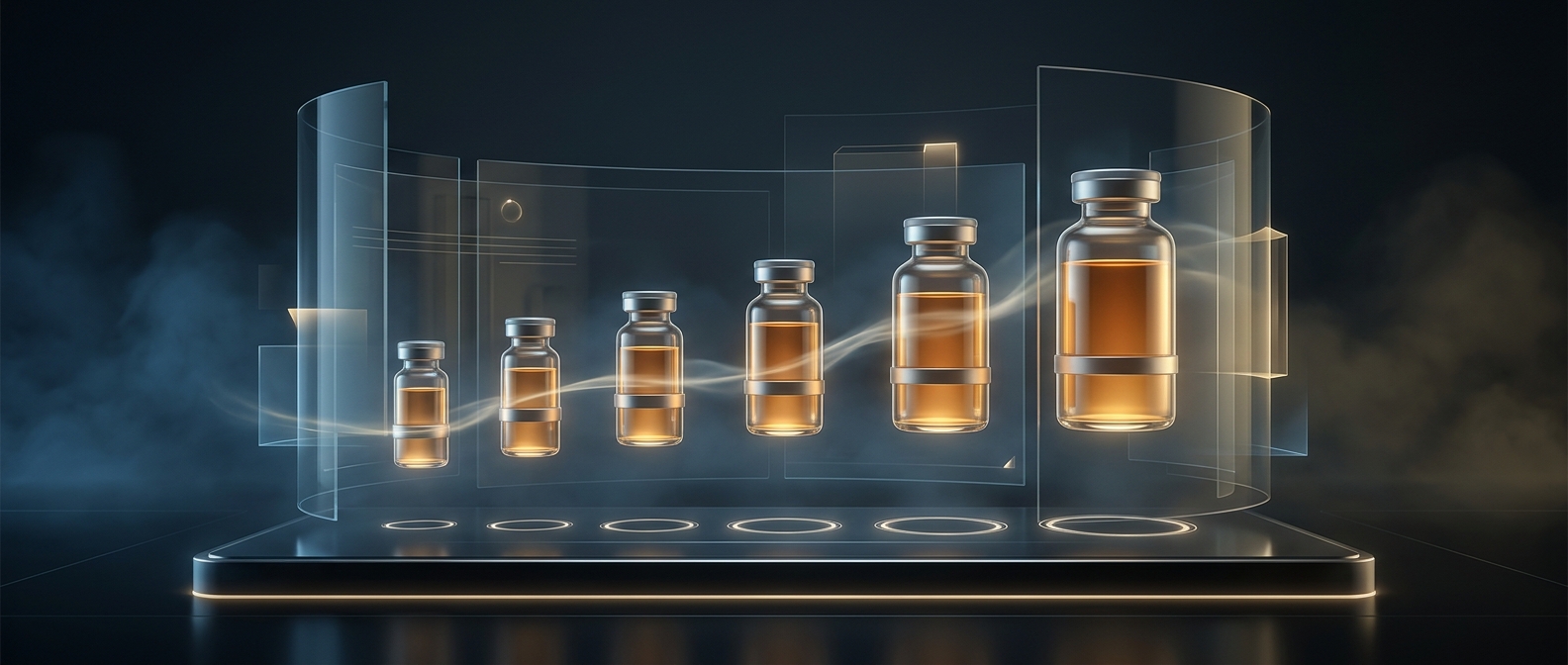
Medication vials are measured in specific dram units
The standardized plastic bottles behind the pharmacy counter ignore modern metric volume entirely. Vials are historically sized based on the 'dram,' a highly…
Discover more
OTC drug labels require an eighth-grade reading level
The regulatory agencies have a profoundly low expectation of your reading comprehension. By strict mandate, all instructions on over-the-counter medication…
Discover more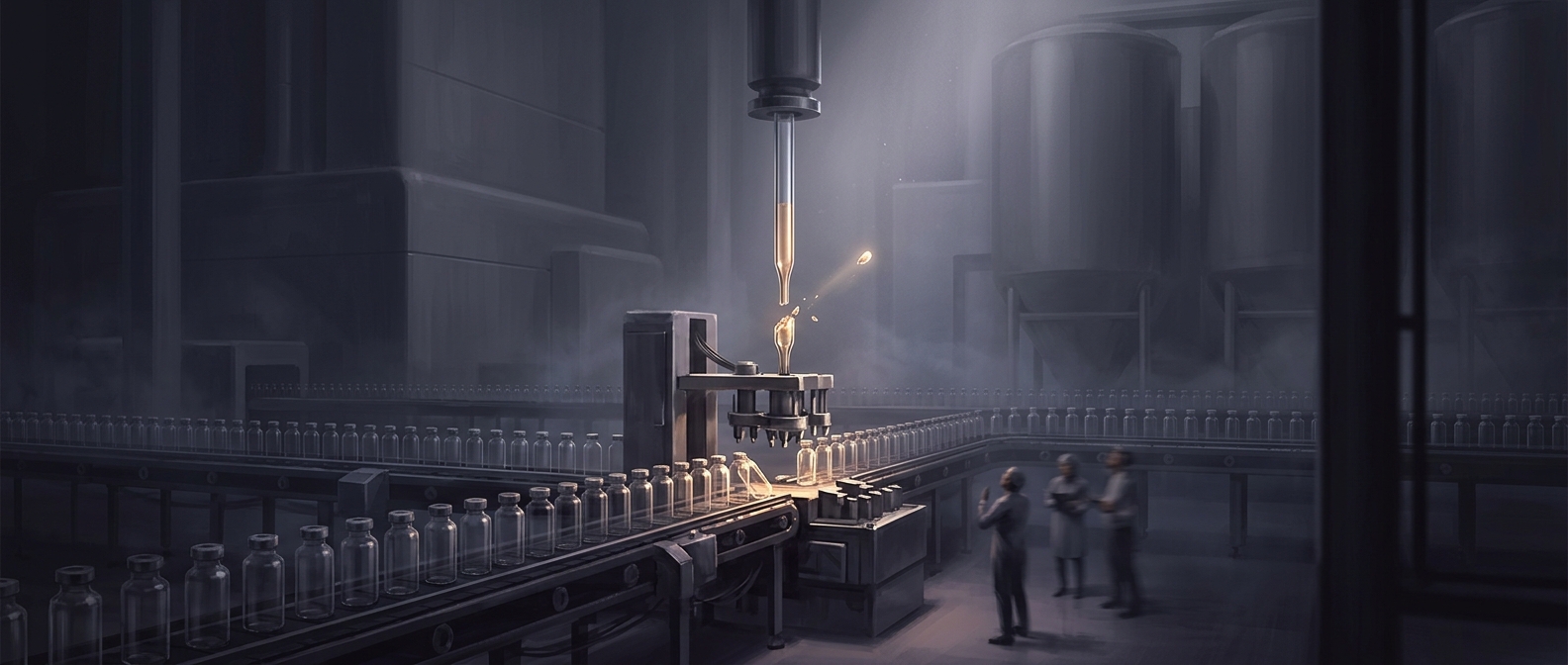
Drug shortages often stem from single material disruptions
The entire global pharmaceutical supply chain is terrifyingly fragile. A massive, continent-wide shortage of a critical life-saving prescription frequently…
Discover more
Route of administration drastically alters effectiveness
Where you put the medicine completely changes how well it works. A chemical compound swallowed as a pill might lose half its potency instantly due to systemic…
Discover more
Chemical synthesis of one drug can take twenty steps
Creating a modern miracle molecule is not a simple mix-and-pour operation. The industrial synthesis of a highly complex pharmaceutical frequently demands over…
Discover more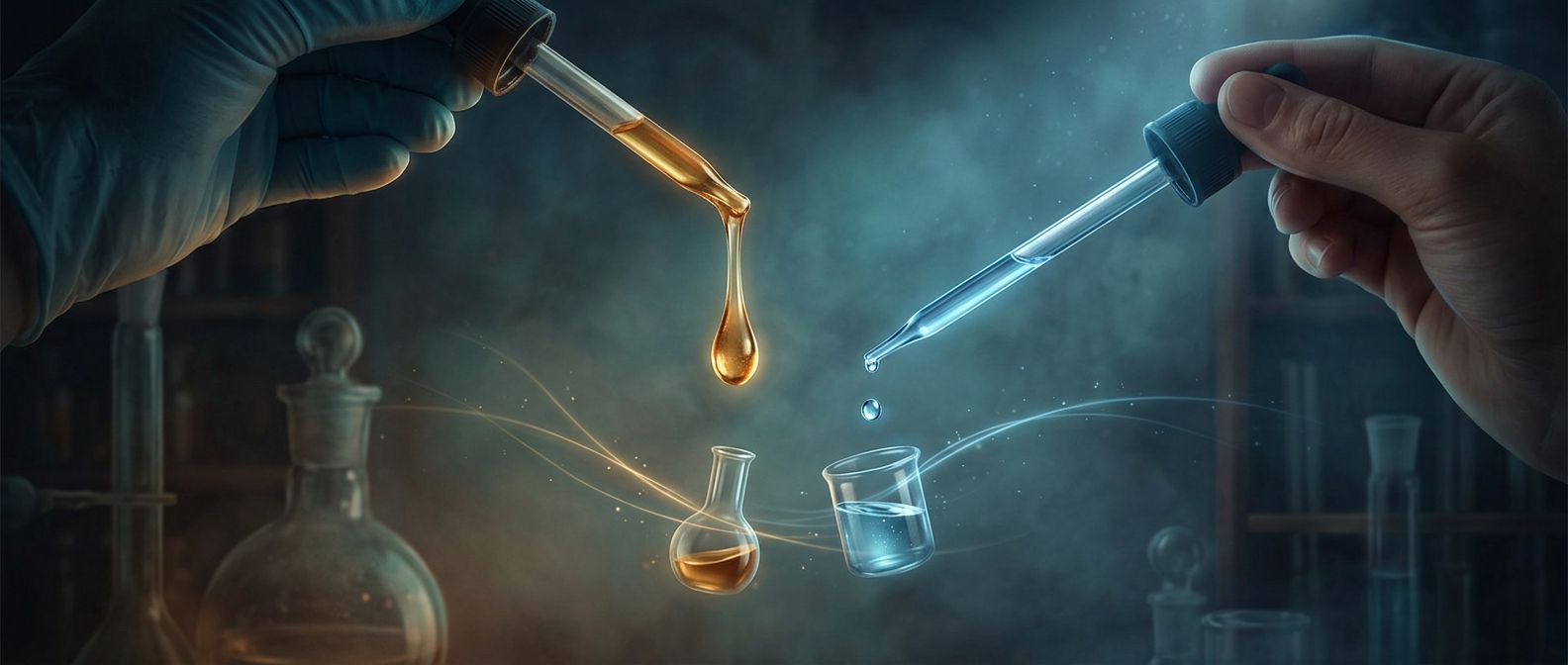
Dropper volumes depend entirely on liquid viscosity
A 'drop' is not a standardized scientific measurement of volume. The actual amount of chemical medication dispensed by a glass dropper changes wildly…
Discover more
Why white pills are so white
That blindingly pure white color of your daily tablet doesn't happen organically. Manufacturers heavily utilize titanium dioxide—a stark white pigment used…
Discover more