Health
Discover facts about health. Small discoveries that change the way you see familiar things.
Health
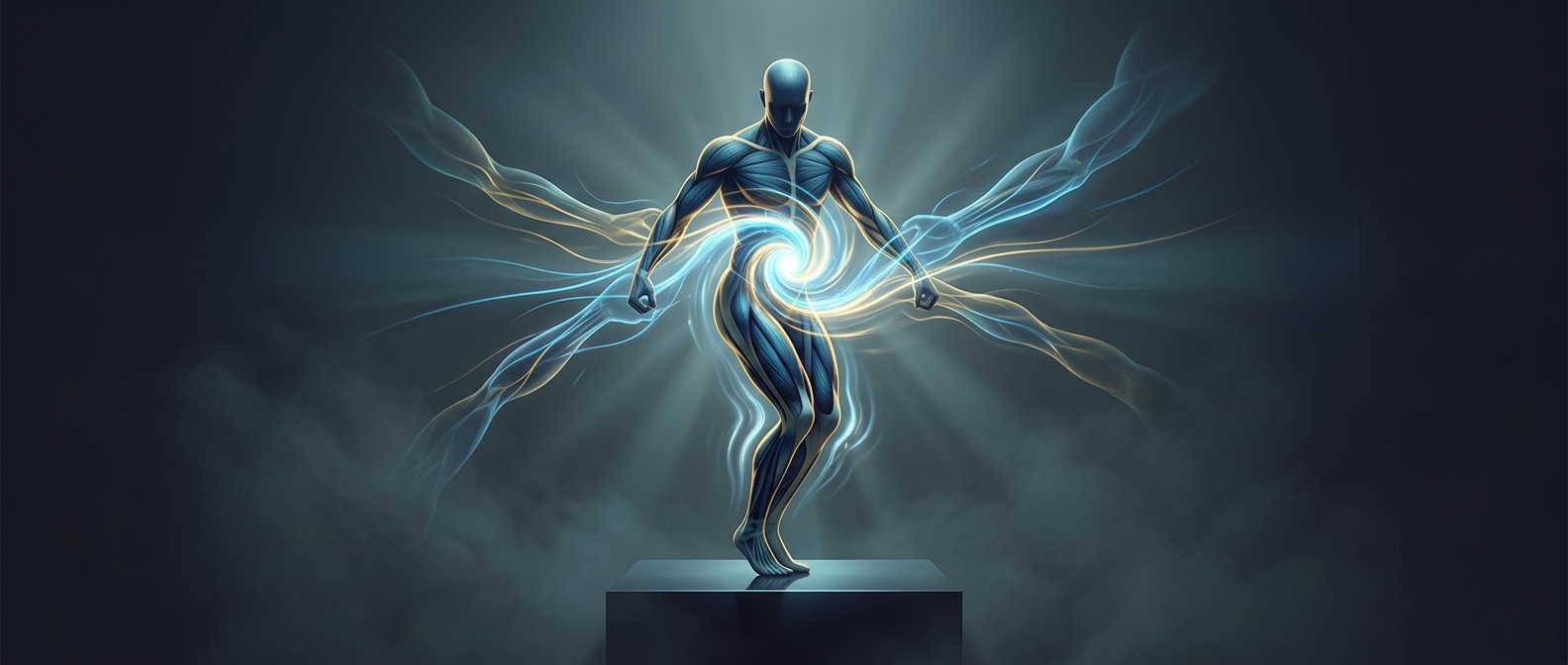
Squeezing legs together violently adds limbs back to center
The inner thigh muscles exist strictly to perform adduction, which is just a fancy way of saying they aggressively drag your limbs back towards your body's…
Discover more
Tactile receptors cluster incredibly densely on human lips
Your facial intake borders are absurdly sensitive. By packing millions of tiny sensory alarms into such a ridiculously small area, your system ensures that…
Discover more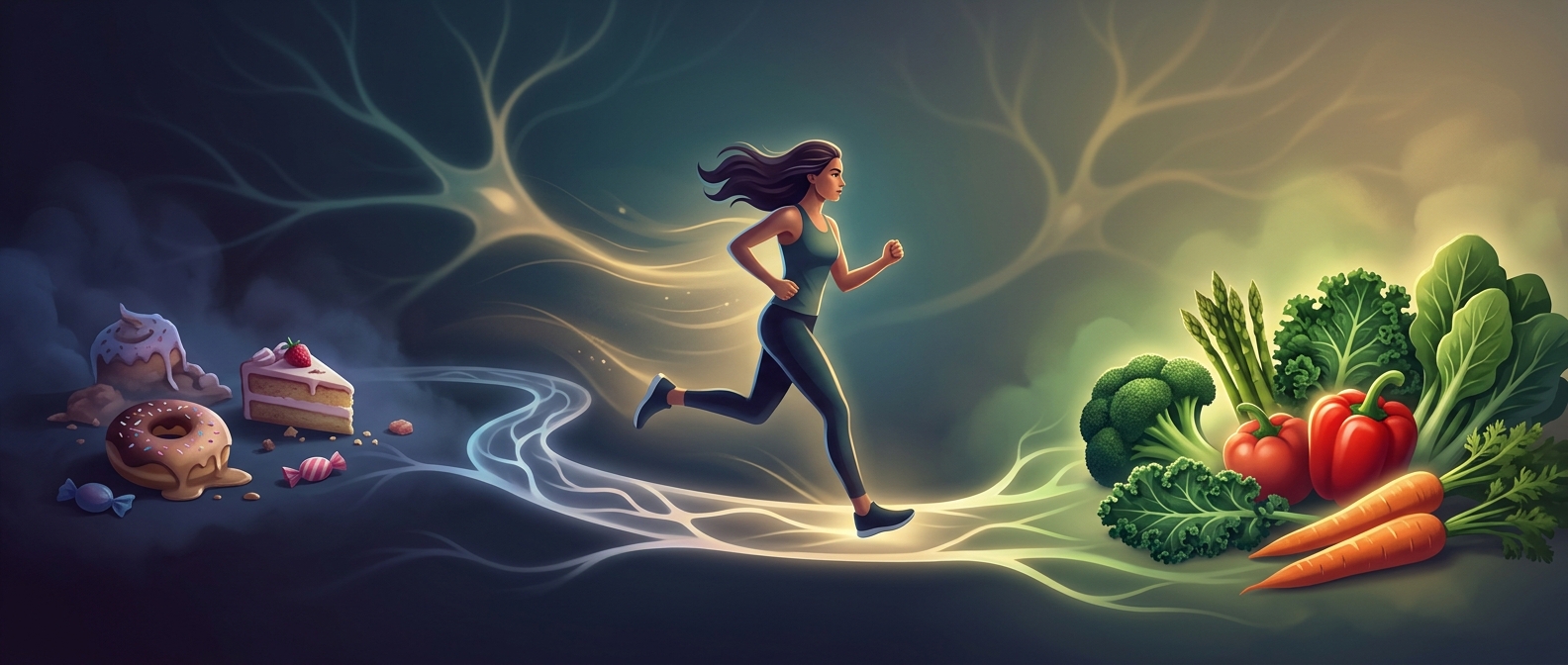
Can exercise make vegetables more appealing
Getting sweaty is a surprisingly effective way to brainwash yourself into eating leafy greens. Studies show the 'transfer effect' of exercise makes you…
Discover more
Men’s testosterone changes throughout the day
The concept of steady, emotionless masculinity is an absolute biological farce. While women operate on a roughly 28-day cycle, men experience a furious…
Discover more
The man who hiccupped for 68 years
The next time you resort to holding your breath or drinking water upside down, say a quick prayer for Charles Osborne. In 1922, a 150-pound pig collapsed on…
Discover more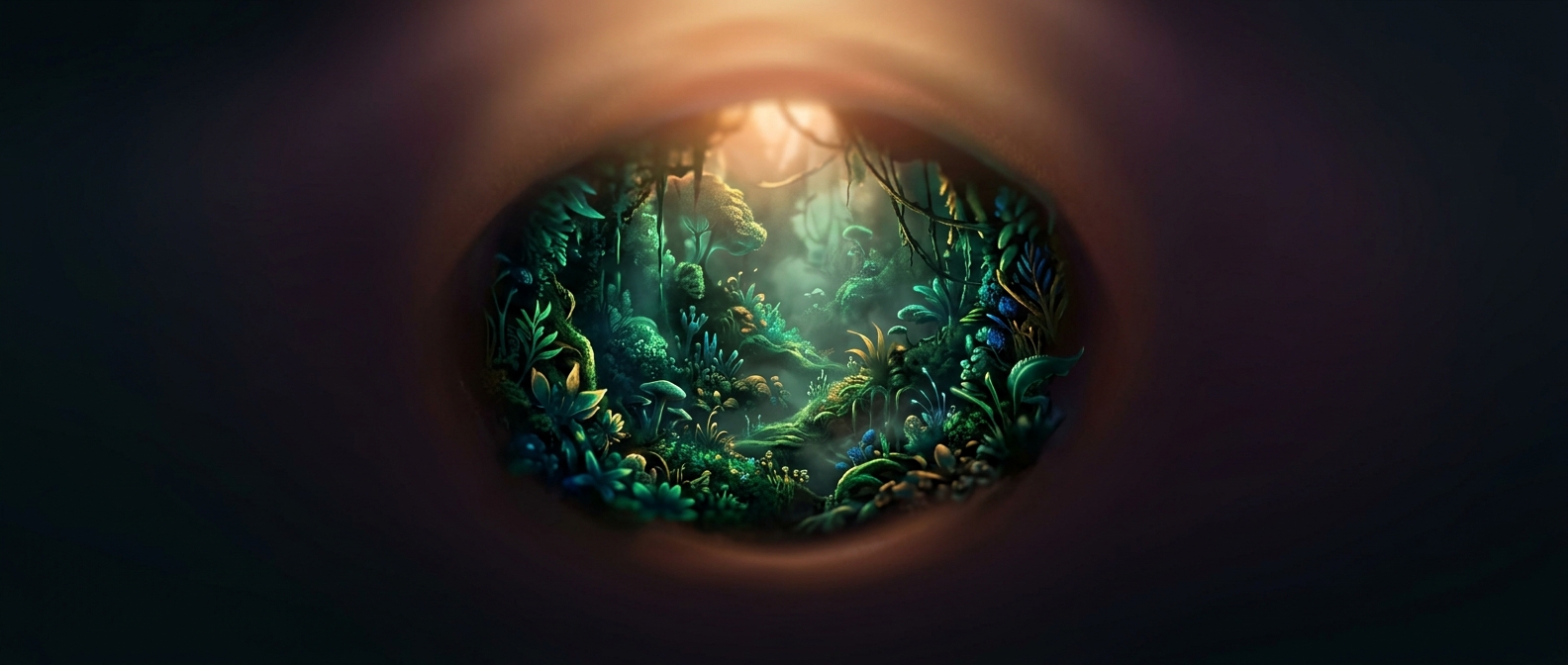
Your belly button is a tiny bacterial ecosystem
Your navel isn't just an annoying lint trap; it's practically a federally protected wildlife reserve. Researchers swabbing human belly buttons found an…
Discover more STACKY FOR IPHONE
A bigger world.
One discovery
at a time.
Keep discovering with Stacky. Interesting facts in an app that is always within reach.

Your genes may decide whether you're a morning person
Your inability to function before 9 AM is actually validated by science. Chronotypes are deeply embedded in your genetic code, specifically involving the PER1…
Discover more
Being left handed is just a complex genetic lottery
Being a southpaw in a right-handed world is not just a quirky personality trait, it is the result of a convoluted genetic draw. It involves up to forty…
Discover more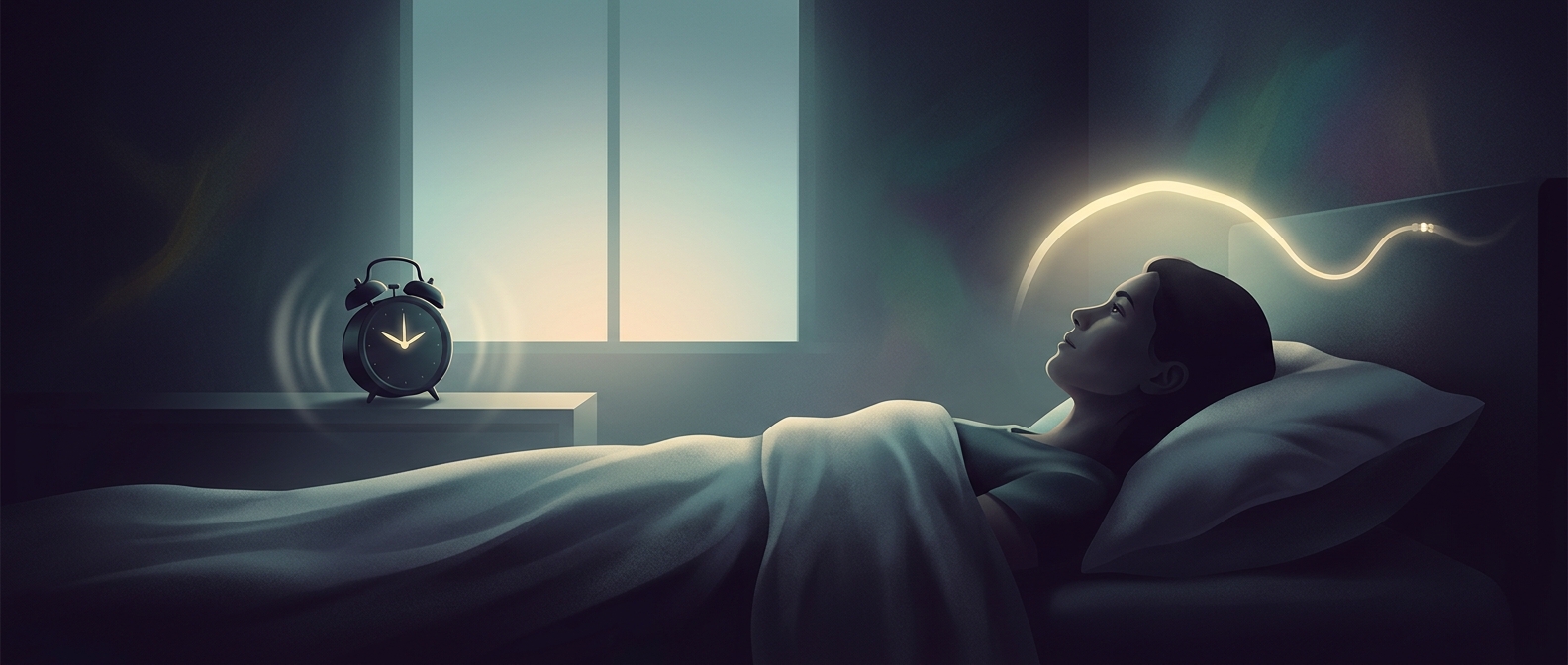
How your body can wake you before the alarm
Your body genuinely hates being startled awake, so it builds up preemptive chemical buffers. If you maintain a strict schedule, your internal clock begins…
Discover more
Why fraternal twins can run in families
Having fraternal twins is not just a fluke of the universe; it is a hereditary habit. Hyperovulation, the tendency to release more than one egg during a…
Discover more
Falling asleep takes three stages
You do not simply switch off like a light bulb. Drifting off requires navigating three distinct stages of non-REM transition. You go from a light doze where…
Discover more
Your genes may influence risk-taking and aggression
Next time you do something incredibly foolish, you can blame your ancestors. Variants of the MAOA gene are linked to risk-taking and aggressive behavior.…
Discover more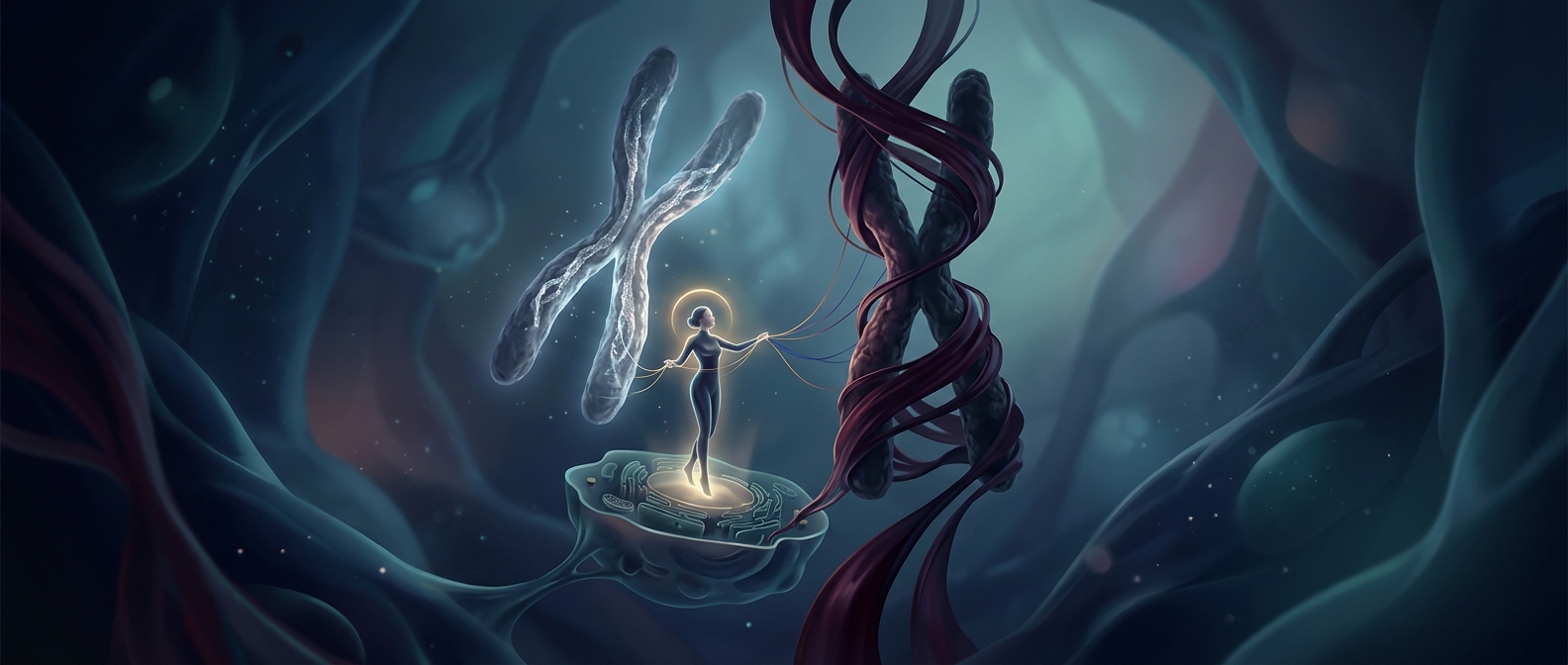
Why female cells shut down one X chromosome
Having two X chromosomes is apparently too much power to handle. In female mammals, every cell randomly shuts down one of the X chromosomes during early…
Discover more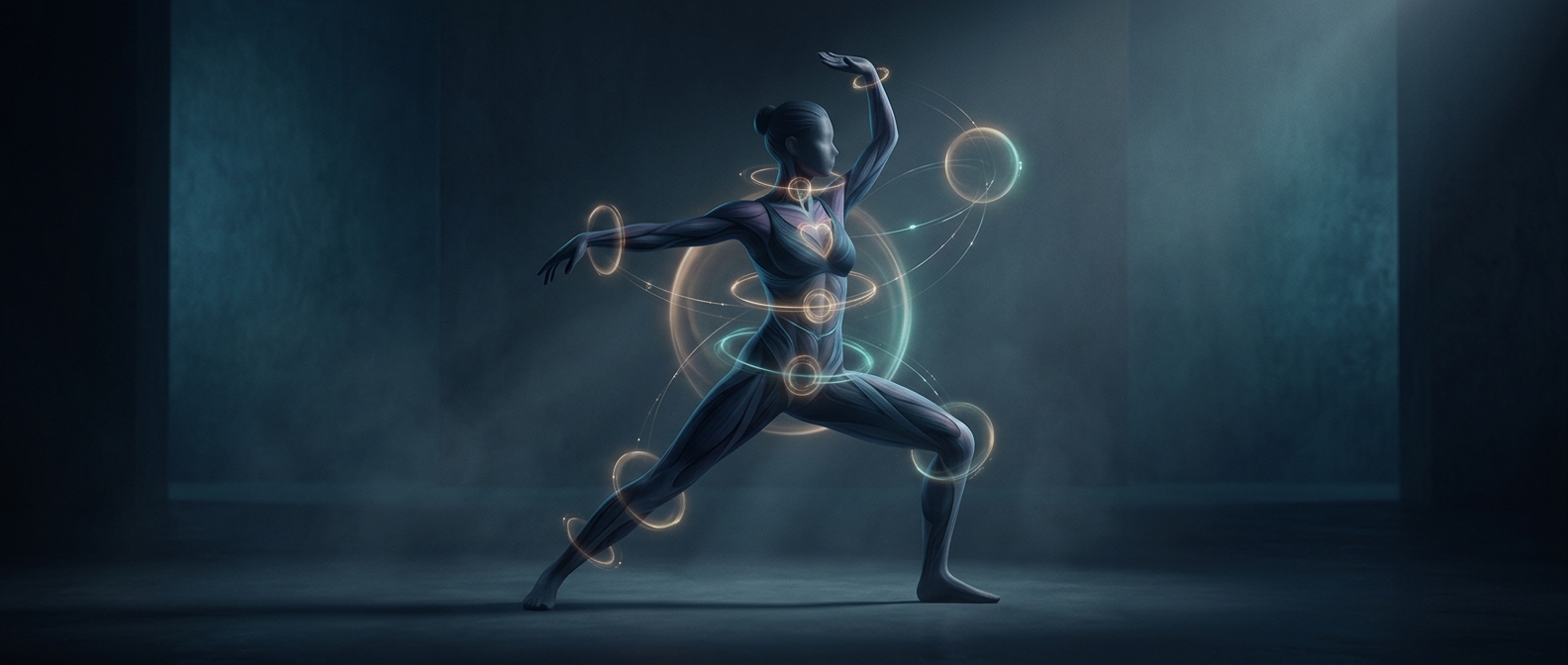
Your body has more sphincters than you think
Sphincters are generally associated with basic waste management, but these circular muscular gates are positioned all over your internal architecture. They…
Discover more
Infant heads are comically large compared to adult forms
Human babies are incredibly top-heavy. At birth, the head accounts for roughly one-quarter of the entirely overall length. If human adults maintained this…
Discover more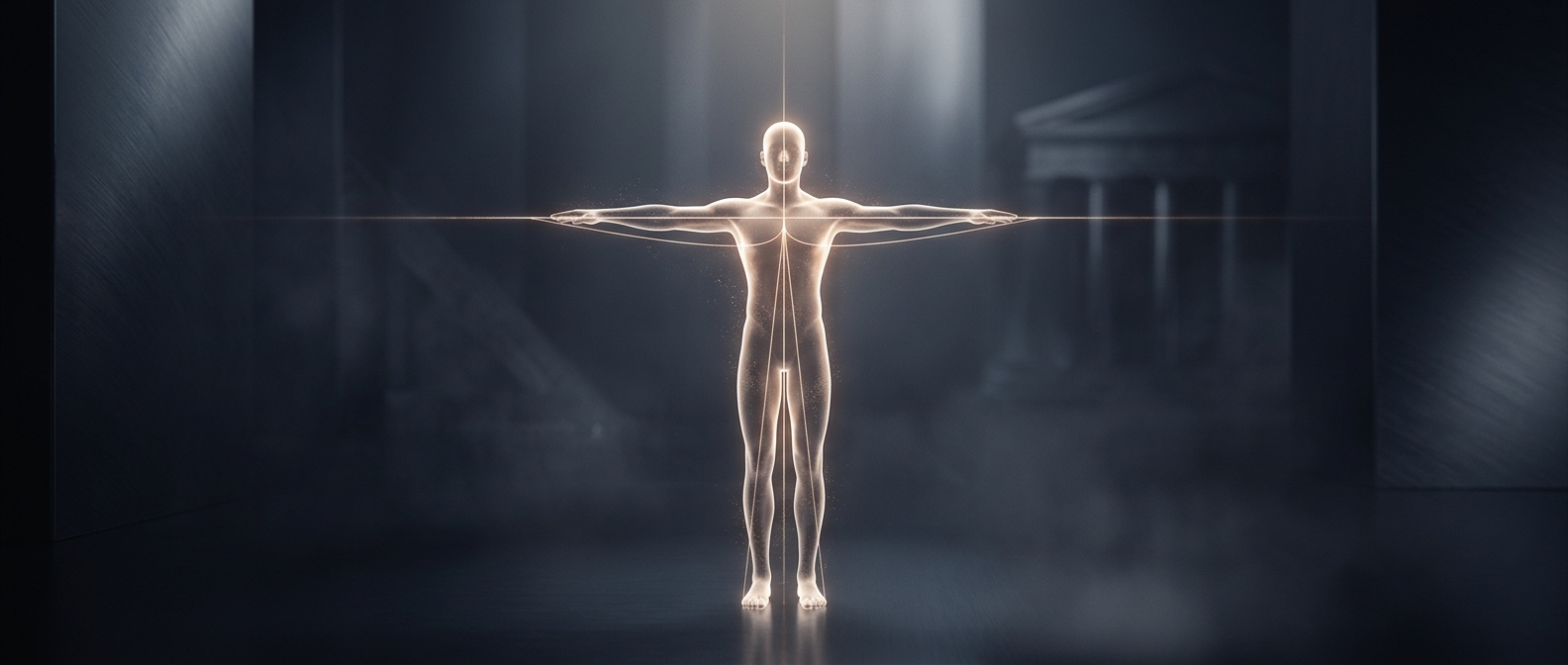
Your arm span is almost your height
Leonardo da Vinci popularized this neat proportional trick, and it remains statistically accurate for the vast majority of humans. If you stretch your arms…
Discover more
Is your forearm as long as your foot
It sounds like an absurd myth until you actually measure it, but the distance between your inner elbow and your wrist is virtually identical to the total…
Discover more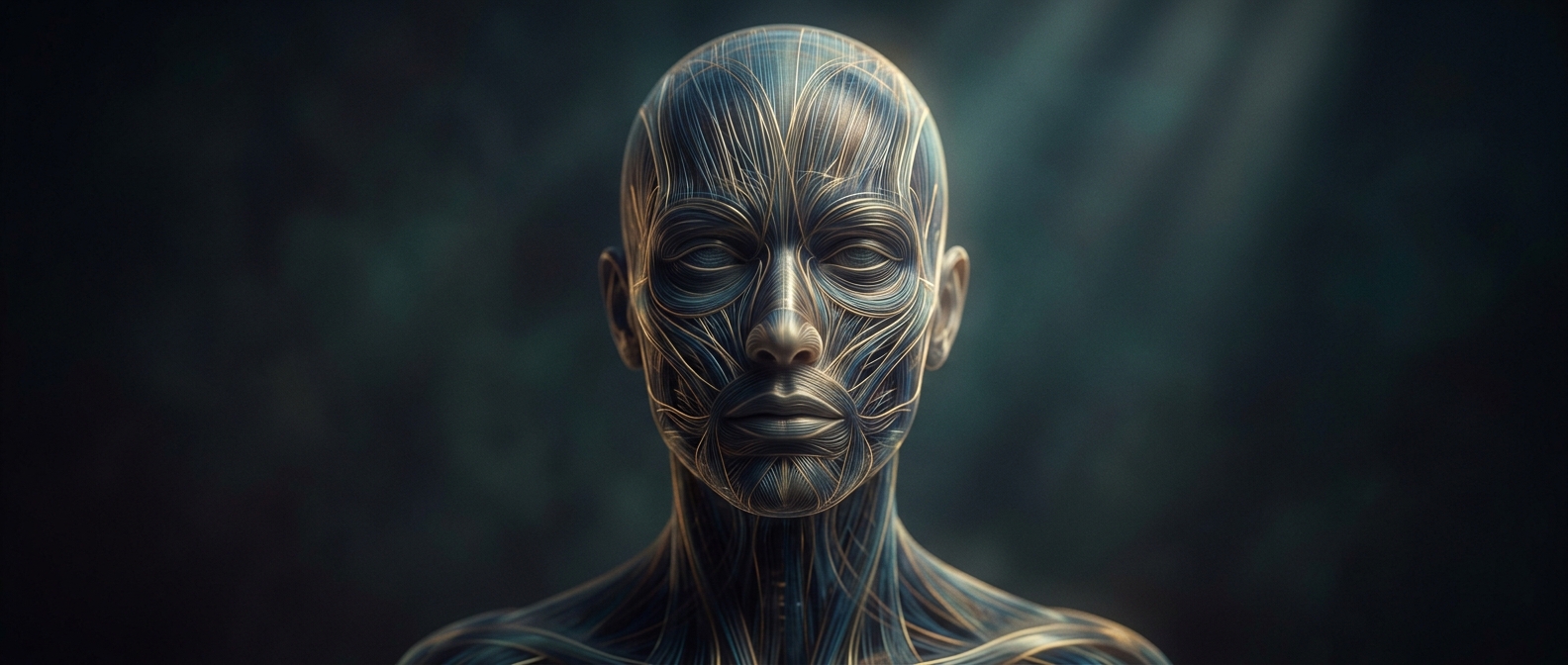
Humans possess unmatched muscular complexity in faces
Compared to our closest evolutionary relatives, the human face is over-engineered. We possess distinct muscular bands specifically tailored for raising inner…
Discover more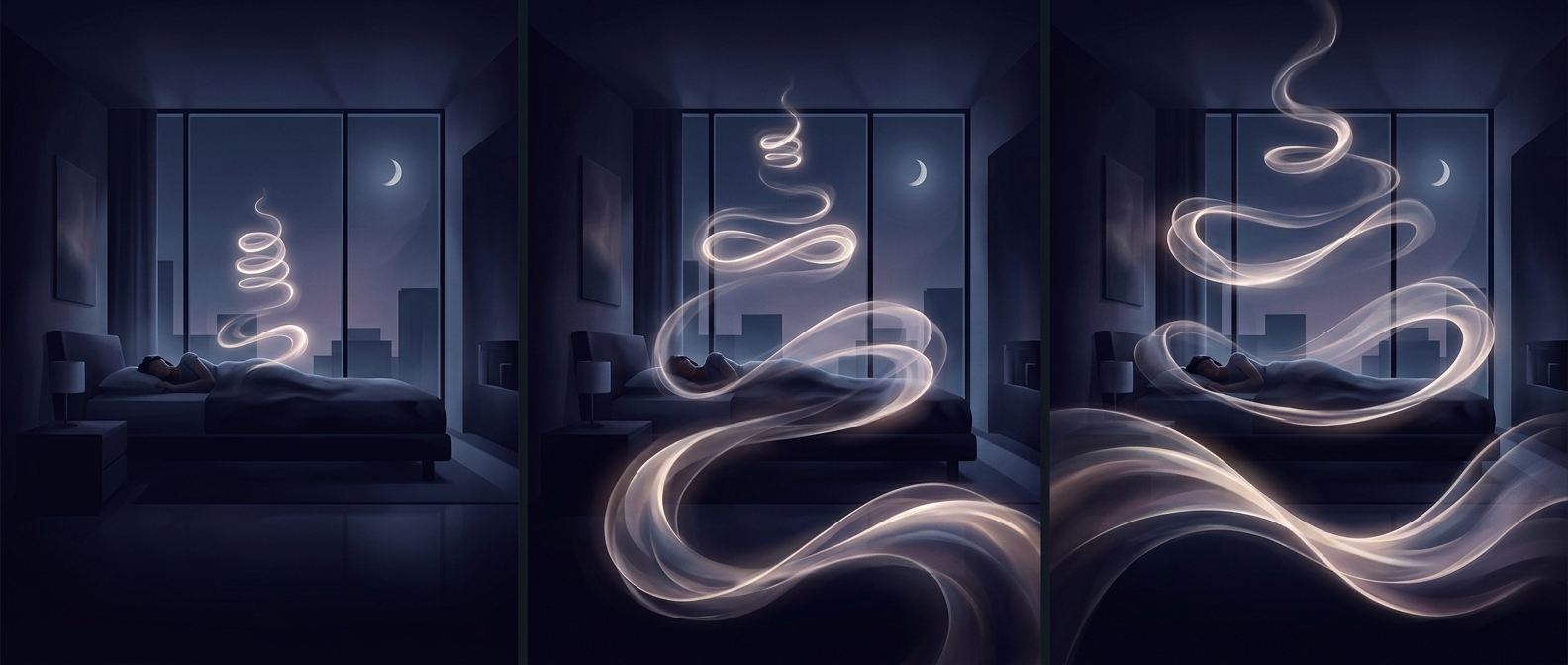
Why your longest dreams come before waking
Your initial descent into dreams is relatively short, lasting only about ten minutes. However, as the night progresses, your body prioritizes this phase…
Discover more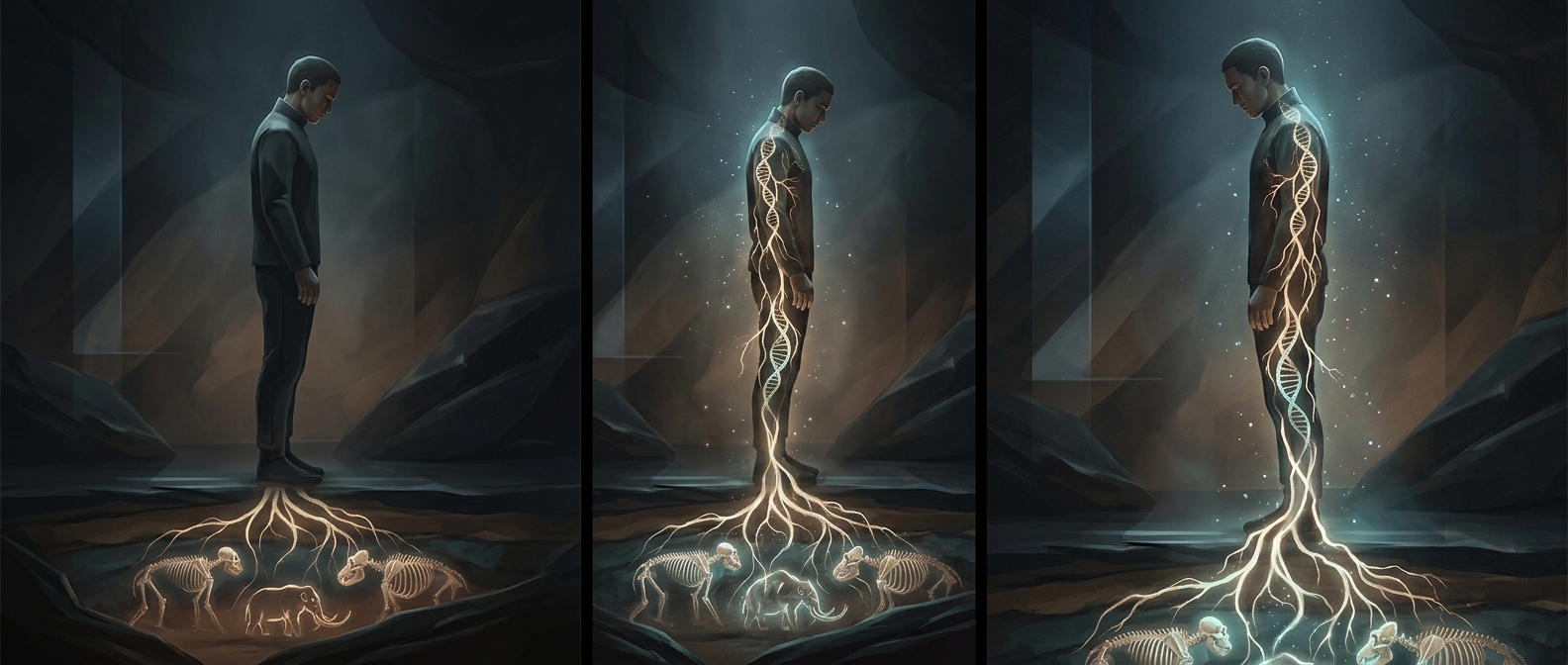
You probably carry Neanderthal DNA
Congratulations on being a walking natural history museum. Most humans of Eurasian descent carry about 1 to 2 percent Neanderthal DNA. Long after they went…
Discover more
Nighttime arousal doesn't require erotic dreams
Nocturnal physical arousal has absolutely nothing to do with explicit dreams. It is a completely autonomous physiological maintenance routine designed to…
Discover more
The father—not the mother—determines a baby’s genetic sex
History has famously blamed women for not providing male heirs, which is scientifically backwards. Because females only carry X chromosomes, the genetic sex…
Discover more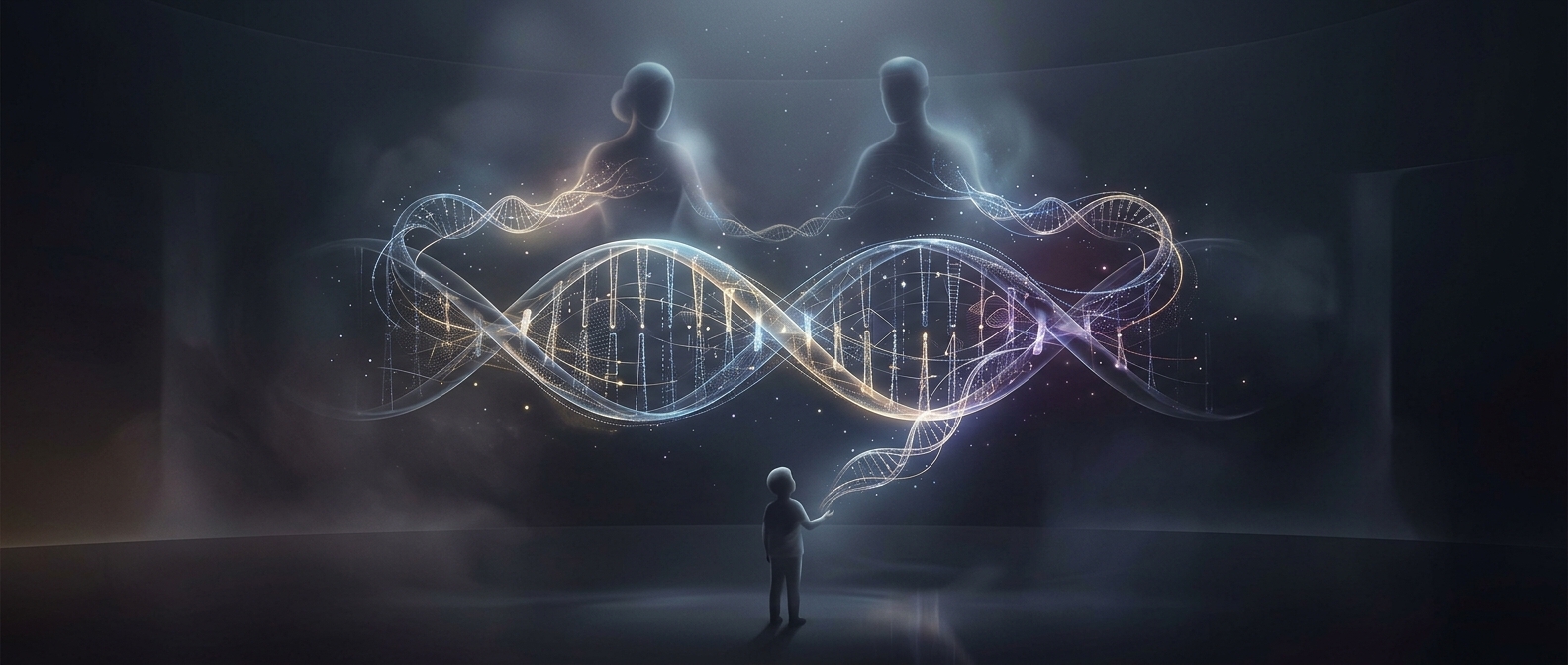
Inheriting physical traits requires complex algorithms
Passing down physical features is basically genetic gambling. Traits do not blend smoothly; they operate on dominant and recessive probabilities, meaning two…
Discover more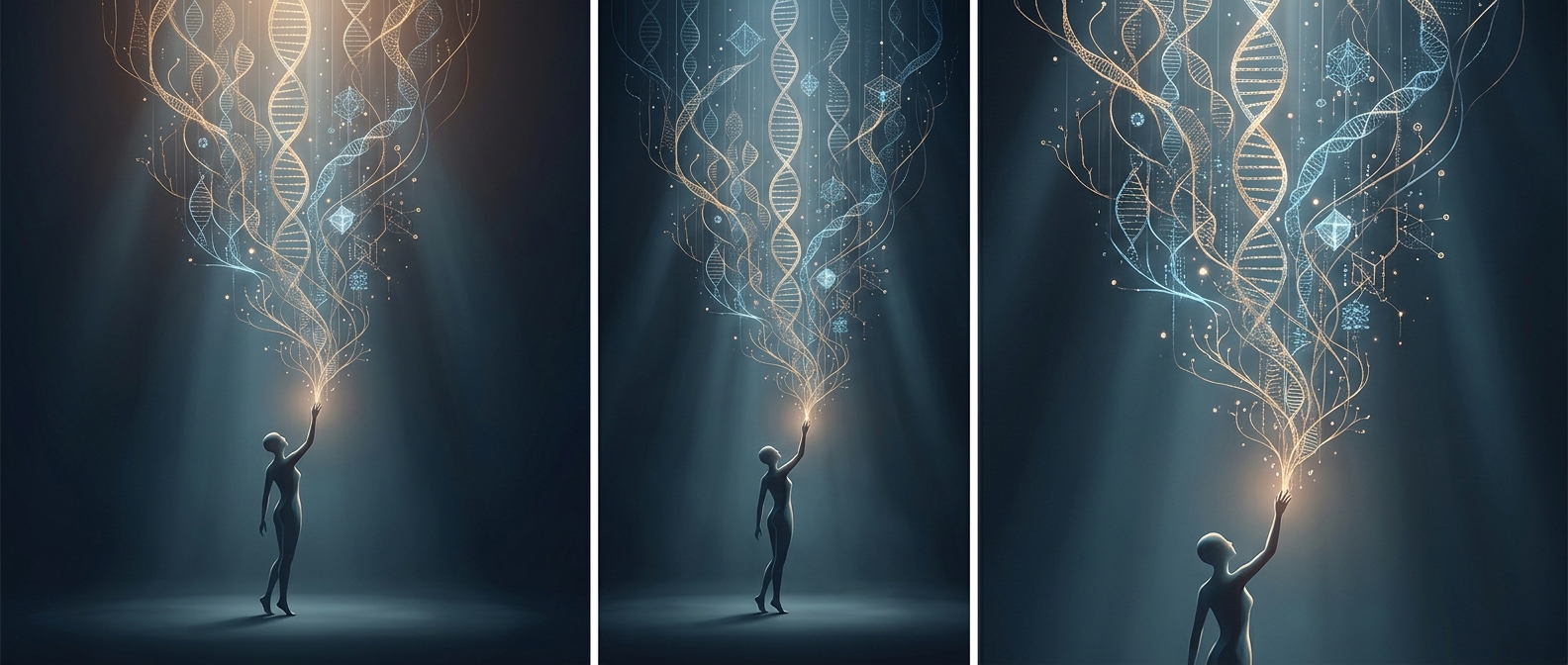
Vertical human height relies on hundreds of tiny variables
Reaching the top shelf is dictated by an absurdly long committee of genes. Over 700 different genetic variations work together to determine exactly how tall…
Discover more