Health
Discover facts about health. Small discoveries that change the way you see familiar things.
Health
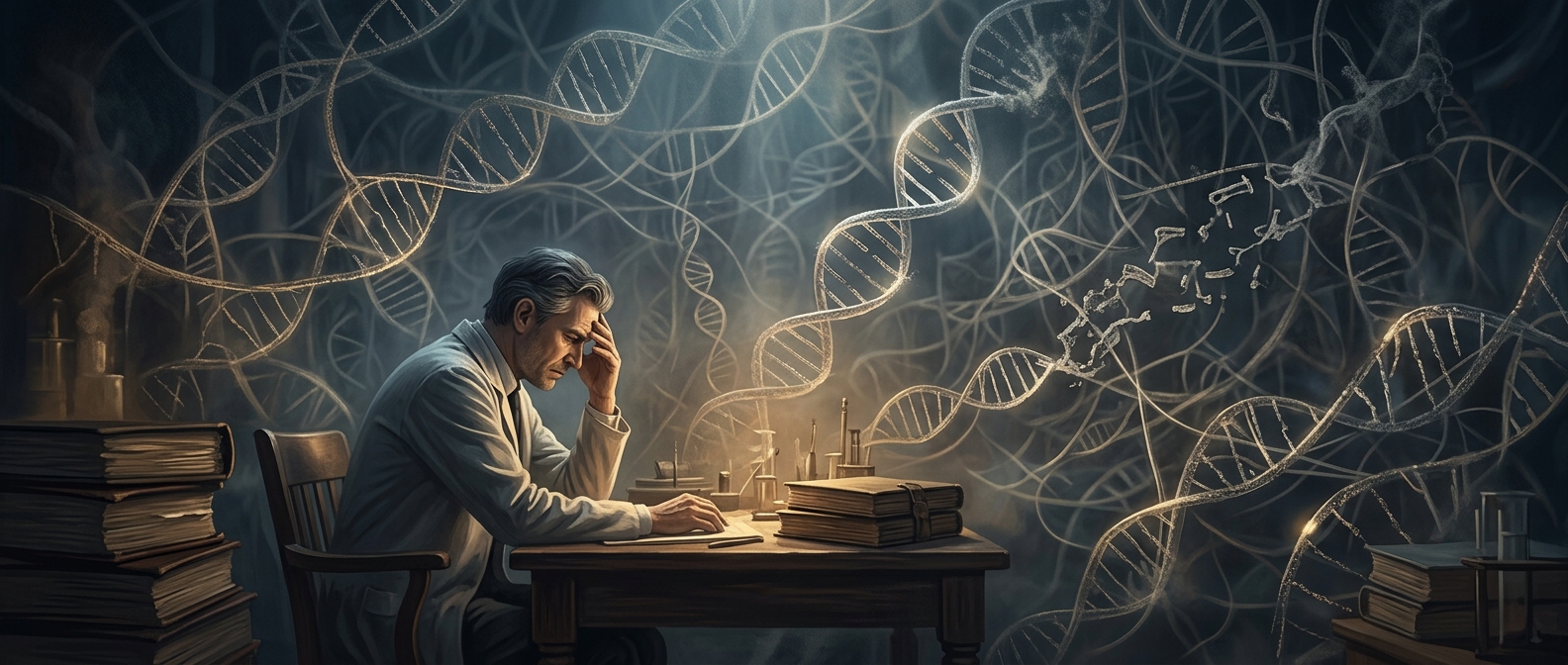
The human genome took 13 years to sequence
Sequencing means working out the order of the chemical letters in DNA. The first complete human genome took more than 13 years and billions of dollars; newer…
Discover more
Babies start developing sleep cycles before birth
A fetus doesn’t need daylight to begin forming rhythms: by the third trimester, active and quiet periods already come in cycles. The clock is still…
Discover more
Why friends’ periods don’t really sync
Menstrual cycles naturally vary in length, so two people’s start dates drift closer together and farther apart over time. A coincidence can look like syncing…
Discover more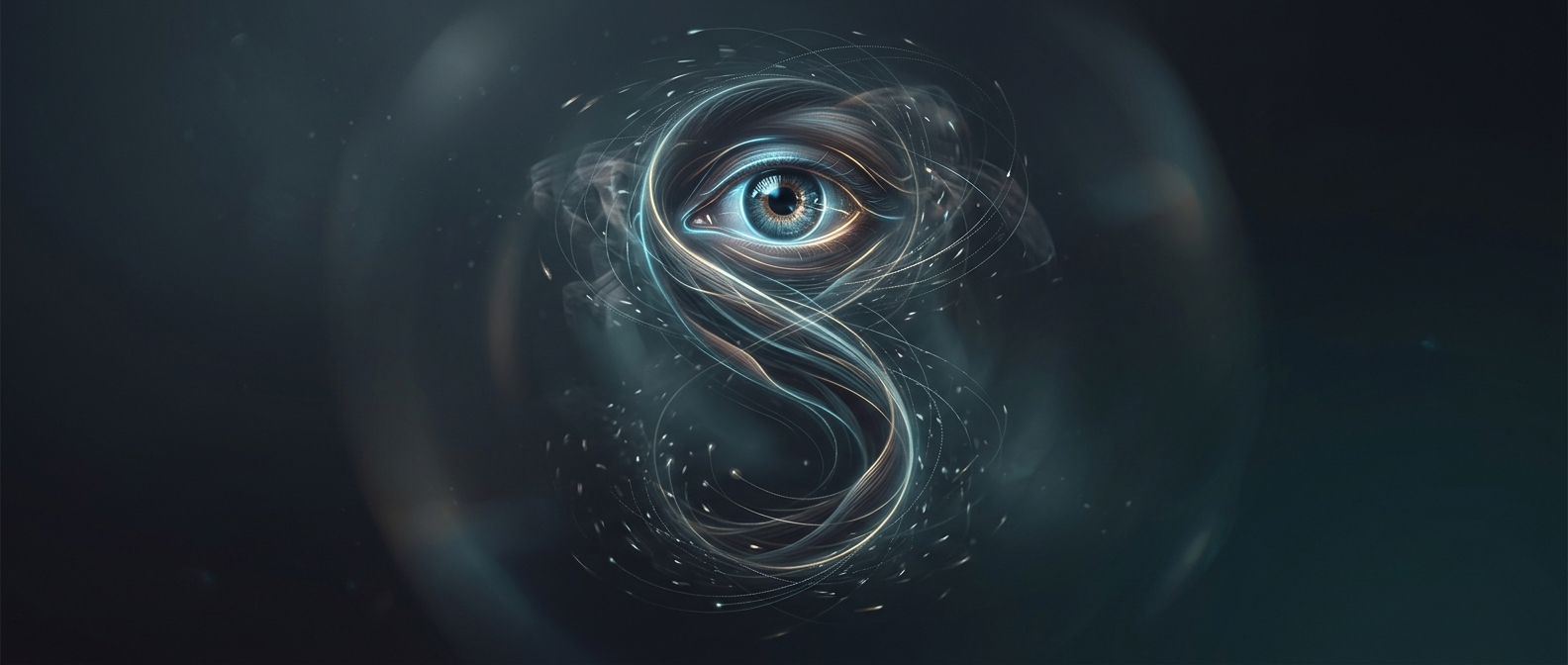
Your eyes read by jumping, not sliding smoothly
While reading, the eyes make rapid jumps called saccades, separated by pauses that gather detail. The movement is so ordinary that the page usually feels…
Discover more
Chronic bronchitis permanently thickens airways
In chronic bronchitis, ongoing irritation—often from smoking—can leave the airway lining swollen and producing extra mucus. Repeated inflammation may also…
Discover more
Breech babies historically meant certain disaster
In a breech birth, the baby’s body can come out before the head. Because the head is larger, it may become trapped in the birth canal after the body has…
Discover more STACKY FOR IPHONE
A bigger world.
One discovery
at a time.
Keep discovering with Stacky. Interesting facts in an app that is always within reach.

Five days in a leg cast produced measurable muscle loss
In a study of healthy young men, five days of immobilization reduced quadriceps cross-sectional area by about 3.5%, while strength dropped more. Taking away…
Discover more
Perfect vision exceeds twenty twenty metrics
The “20” in 20/20 is a comparison at a standard distance, not a ceiling for eyesight. A person with 20/10 vision can distinguish details at 20 feet that…
Discover more
Hay fever once looked like an upper-class disease
When John Bostock investigated it in the early nineteenth century, the small collection of cases he identified came from the middle and upper classes. That…
Discover more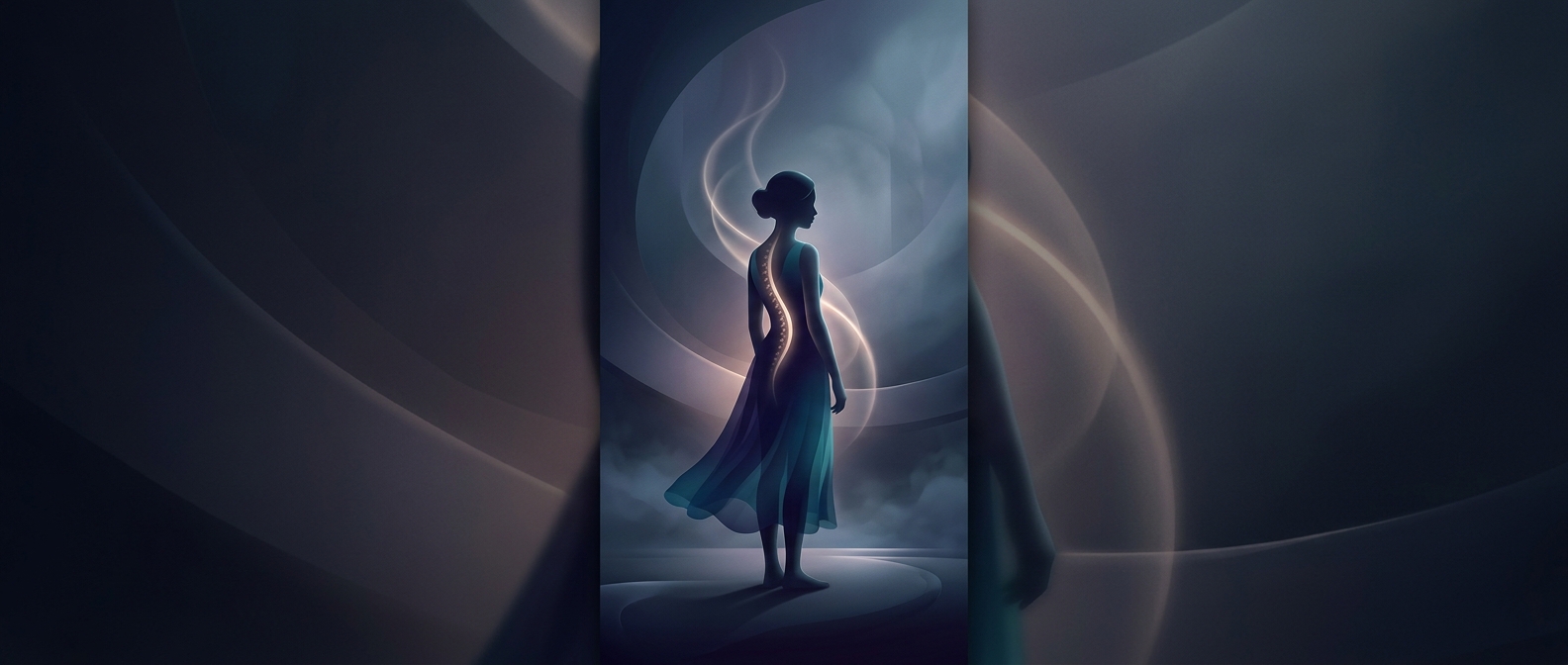
Scoliosis predominantly targets adolescent girls
Idiopathic scoliosis means the cause of the spinal curve is unknown. During adolescence, the spine is still growing, and a curve can worsen as growth…
Discover more
Preeclampsia turns pregnancy into a blood-vessel emergency
The condition involves high blood pressure and signs of organ problems during pregnancy or after delivery. Abnormal placental development and blood-vessel…
Discover more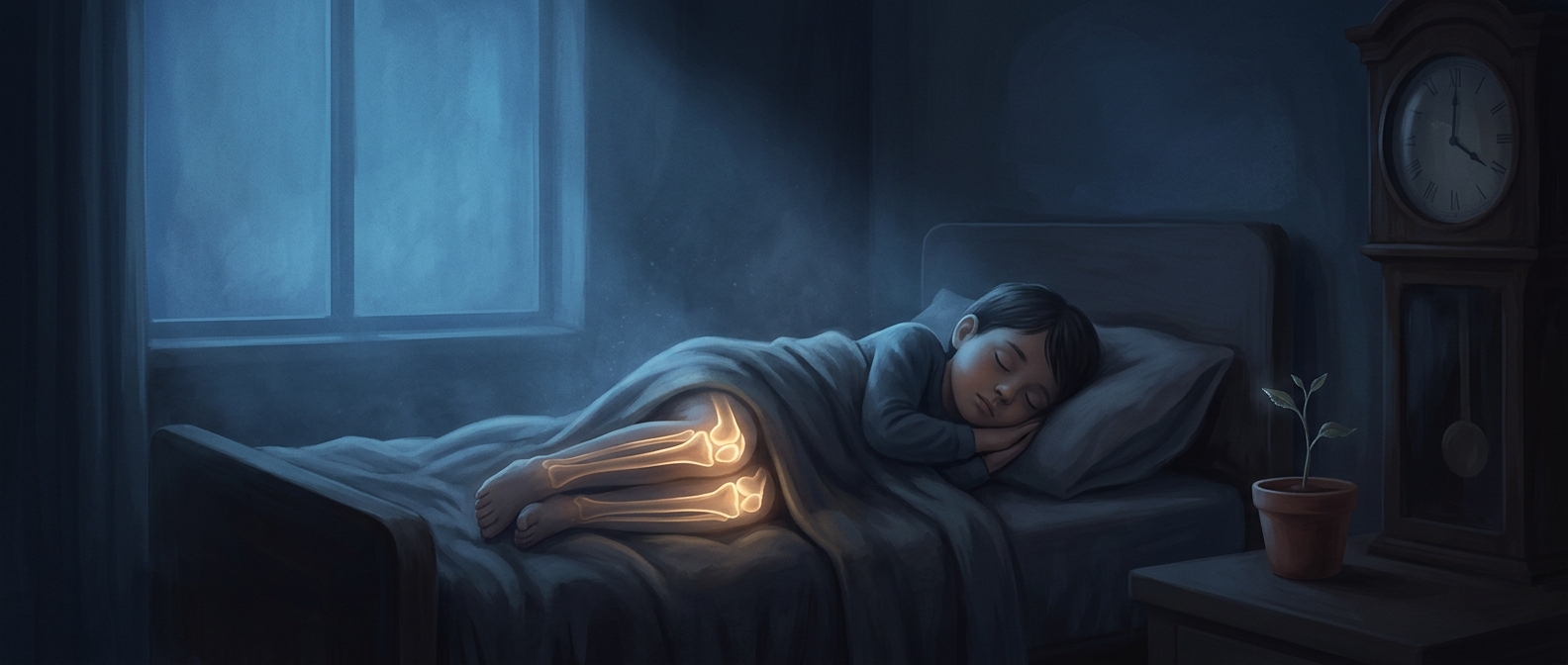
Growing pains have a more confident name than explanation
These recurring childhood aches typically affect both legs in the evening or at night and are gone by morning. Their cause remains unknown; the name does not…
Discover more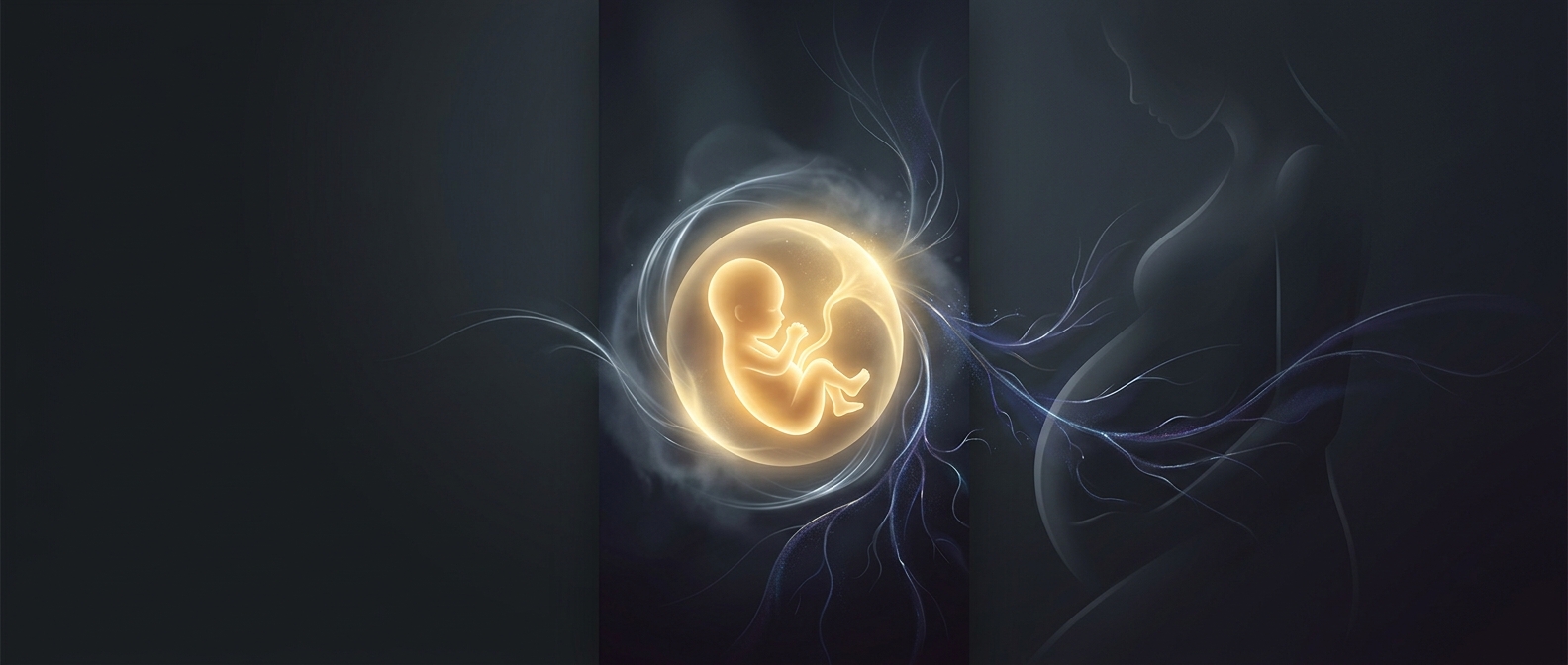
Morning sickness may signal a lower miscarriage risk
The hormone shifts of early pregnancy can bring on nausea, and nausea and vomiting are associated with a lower miscarriage risk. That connection is not a…
Discover more
Why astigmatism turns lights into starbursts
The cornea—the clear front surface of the eye—may be curved more steeply in one direction than another. That uneven shape bends light differently across the…
Discover more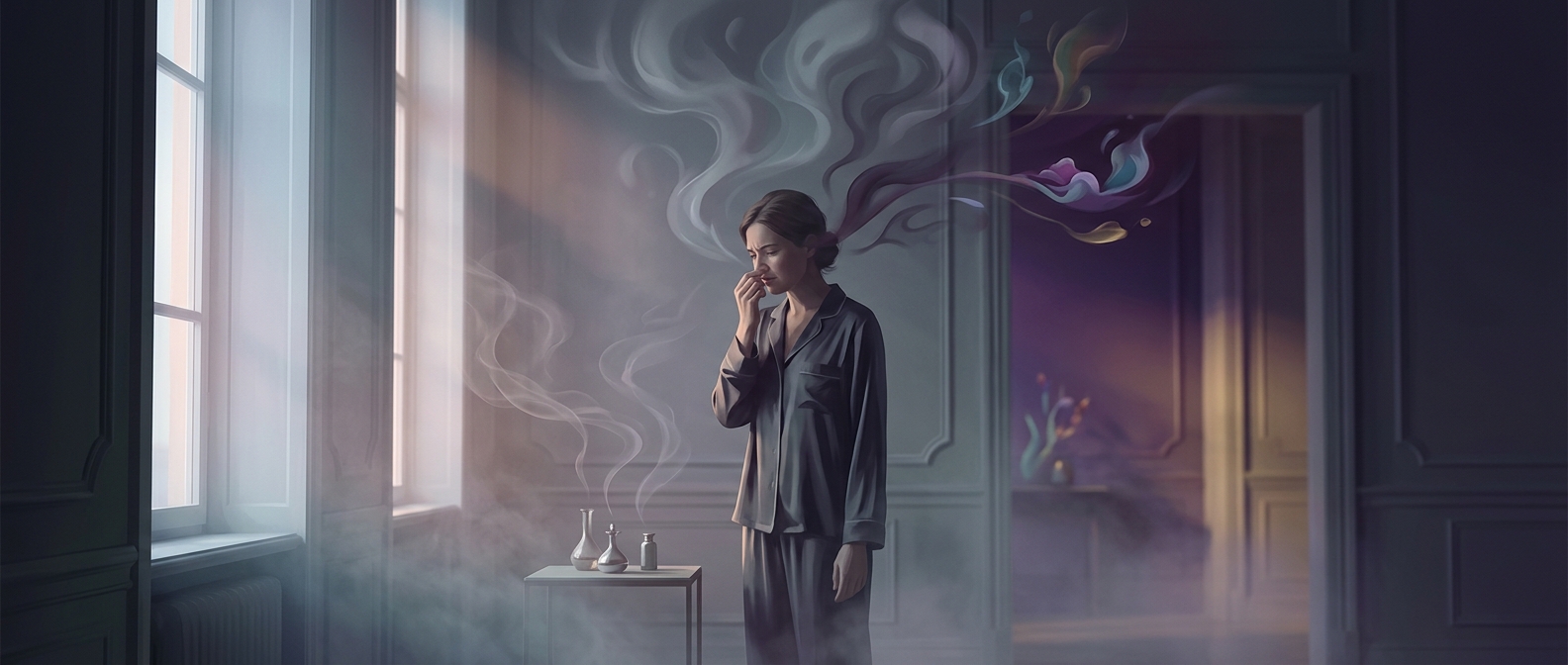
Why your nose works worst in the morning
The nose and brain don’t register smells at exactly the same strength all day; smell sensitivity can shift with the body’s daily rhythms. That can make…
Discover more
About one person in ten is left-handed
A large 2020 meta-analysis estimated the prevalence at roughly 10.6%, with the result changing according to how handedness was defined. Writing hand,…
Discover more
Why second-born babies are often heavier
During a first pregnancy, blood vessels supplying the uterus stretch. Researchers have proposed that this might help nutrients reach later babies, which could…
Discover more
Glaucoma can steal your sight without warning
Early glaucoma often takes away side vision gradually, while the brain quietly patches over what is missing. That can hide the change until the damage is…
Discover more
How nasal polyps steal your sense of smell
Inflammation can grow soft polyps inside the nose, where they obstruct the path air takes. Fewer odor molecules reach the smell-sensing cells, so scents can…
Discover more
Grandmothers may help explain our unusually long lives
The grandmother hypothesis proposes that helping descendants can favor survival beyond a person's reproductive years. Food, care, and knowledge can improve…
Discover more
Why contact lenses can make pollen allergies worse
A contact lens can collect pollen like a tiny landing pad against the eye. The trapped allergen stays nearby and may be harder for tears to wash away,…
Discover more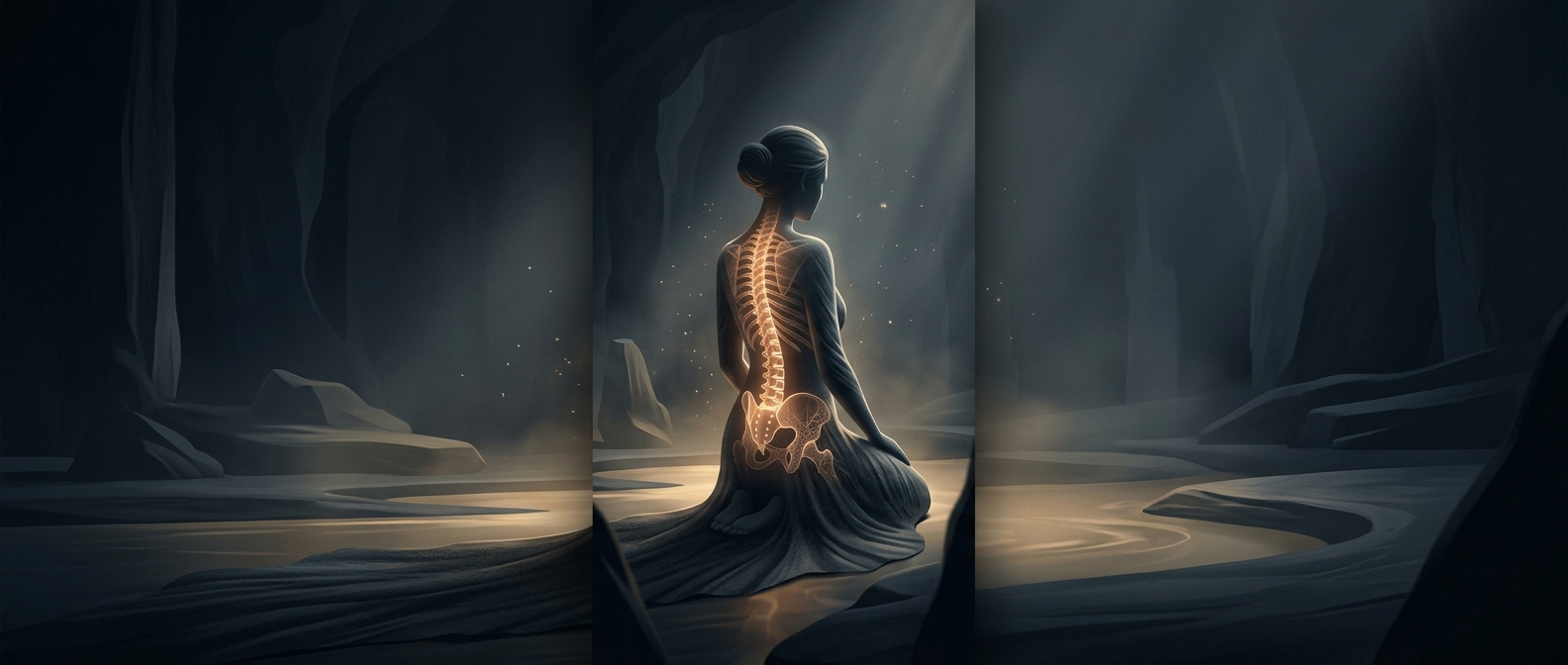
The pelvis changes its alignment during pregnancy
Ligaments and joints allow more movement as the body adapts for birth, and studies have measured changes in pelvic width and tilt across pregnancy and the…
Discover more
Why asthma attacks spike in September
Several asthma triggers arrive at once in September: ragweed pollen rises, temperatures drop, and respiratory viruses spread as children return to school.…
Discover more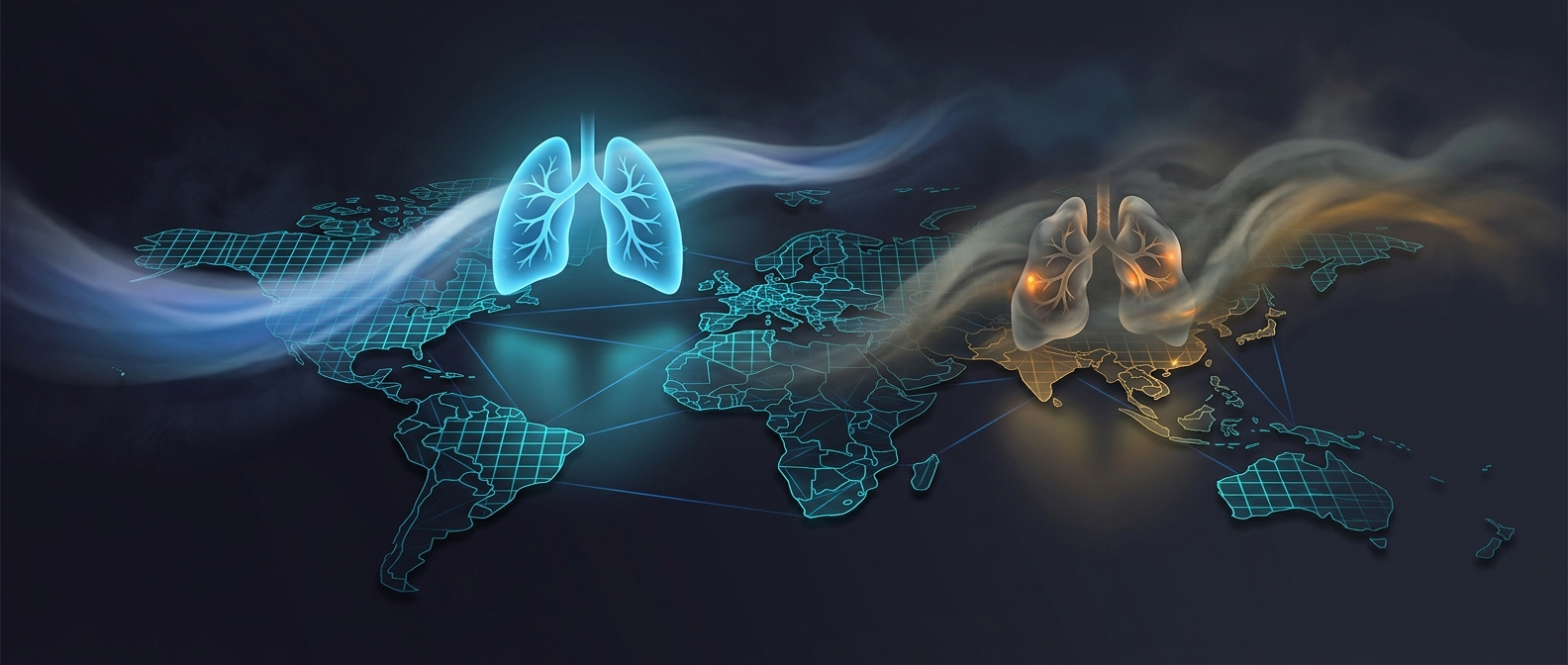
Why where you live can affect your asthma
Traffic and industrial pollution can irritate the airways, the tubes that carry air into the lungs. Repeated irritation can inflame those passages, and…
Discover more