Health
Discover facts about health. Small discoveries that change the way you see familiar things.
Health

Why no dog is truly hypoallergenic
A dog can leave allergenic proteins in saliva, skin cells, and urine, whether or not it sheds much fur. Fur isn’t the only thing people react to, so…
Discover more
Why rescue inhalers only treat asthma symptoms
Albuterol quickly relaxes the muscles wrapped around narrowed airways, making it easier to move air. But it does not quiet the underlying inflammation that…
Discover more
Smoking can damage your eyesight too
Tobacco toxins can damage blood vessels and reduce oxygen reaching the eyes. Over time, that harm raises the risk of problems such as macular degeneration and…
Discover more
Why a torn rotator cuff may not need surgery
A partial tear doesn’t always mean the shoulder has lost all its support. Targeted exercises can strengthen the muscles around the rotator cuff, helping them…
Discover more
A smartphone study found modest links between weather and chronic pain
Researchers followed daily reports from 2,658 people over fifteen months. Humidity, pressure, and wind speed had measurable associations with pain, even after…
Discover more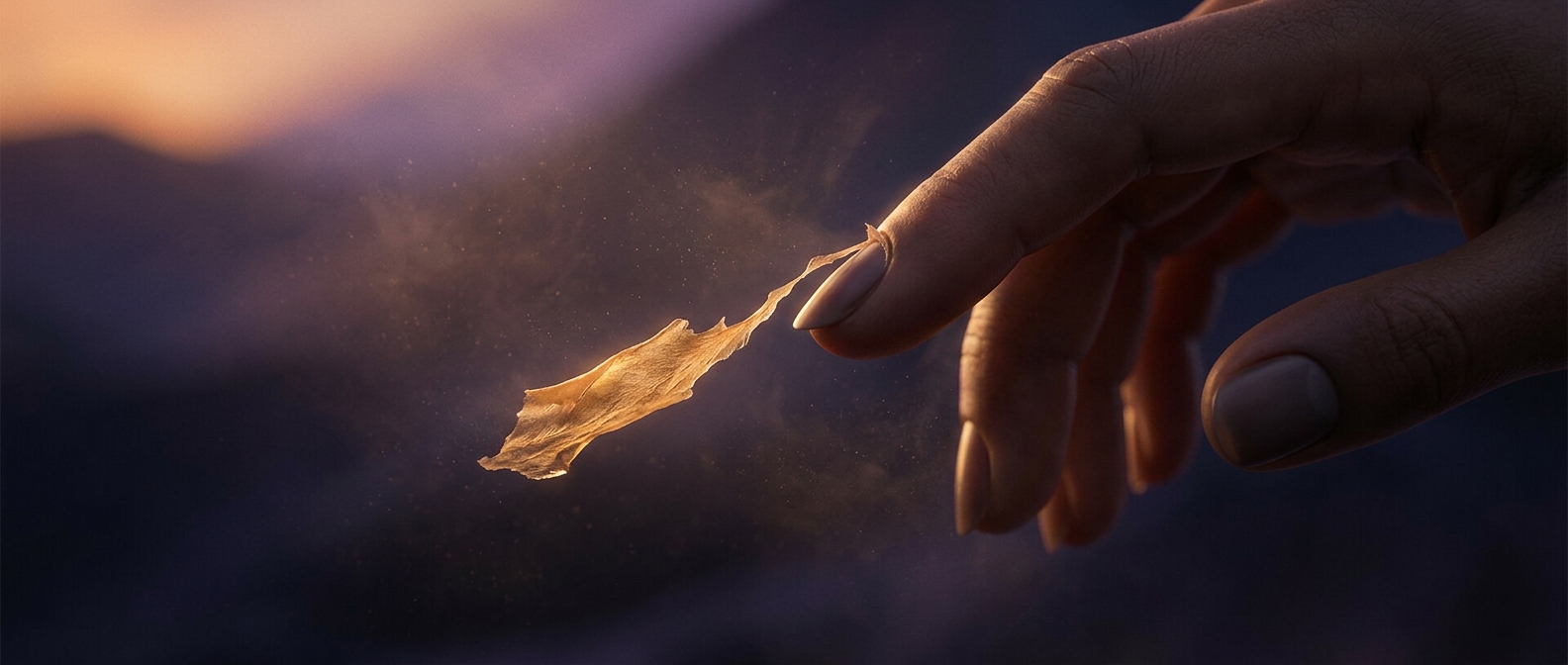
Hangnails are torn skin, not fingernails
A hangnail is a torn flap of skin beside the nail, not a sliver of nail. Pulling it can extend the tear into the surrounding skin, turning a tiny ragged edge…
Discover more STACKY FOR IPHONE
A bigger world.
One discovery
at a time.
Keep discovering with Stacky. Interesting facts in an app that is always within reach.
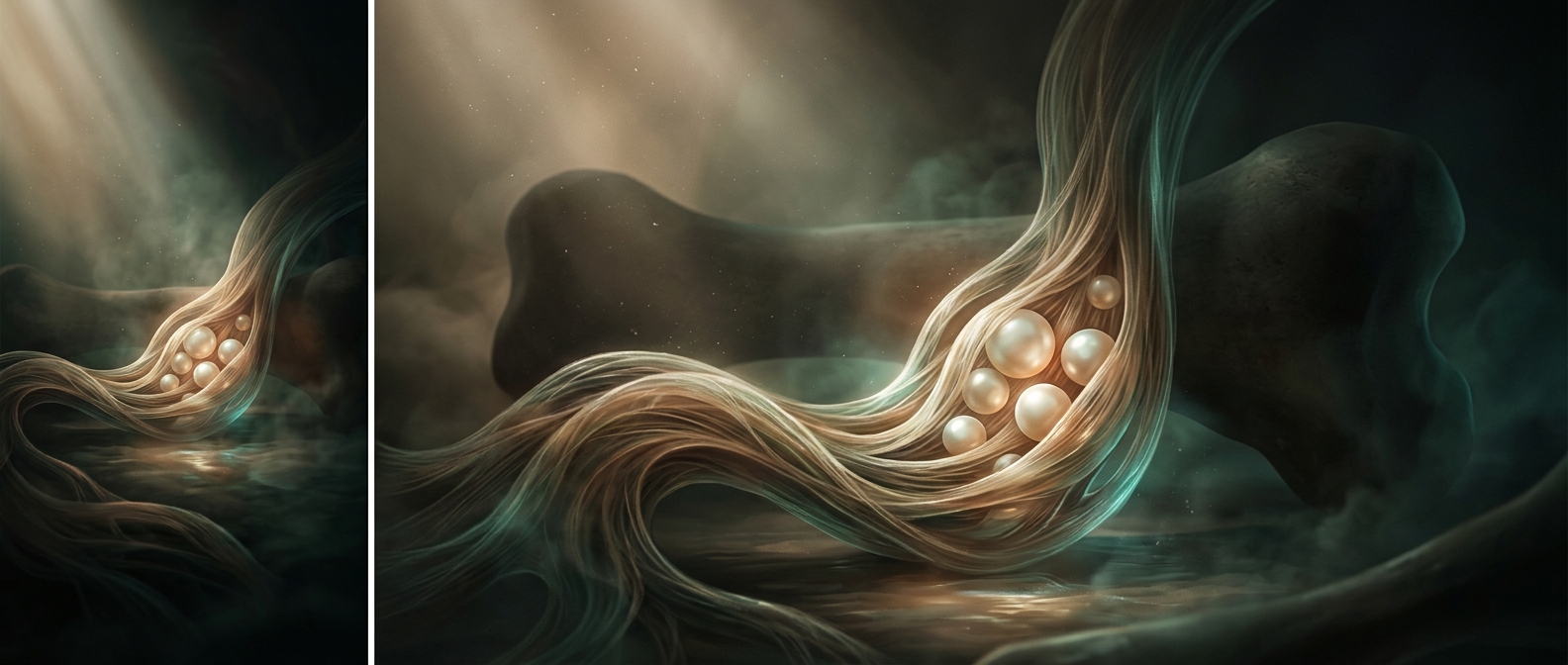
Your kneecap gives your thigh muscle extra leverage
The patella sits in the quadriceps tendon in front of the knee. By holding the pulling structures farther from the joint's center, it increases their turning…
Discover more
Ringworm has no worms—it's a fungus
The name is misleading: a fungus grows in the keratin-rich outer layer of skin, spreading outward from the affected patch. That outward growth can make the…
Discover more
Why strong bodies can still look too small
Muscle dysmorphia can distort how a person sees their own size: a muscular body may still look too small to them. That gap between what others see and what…
Discover more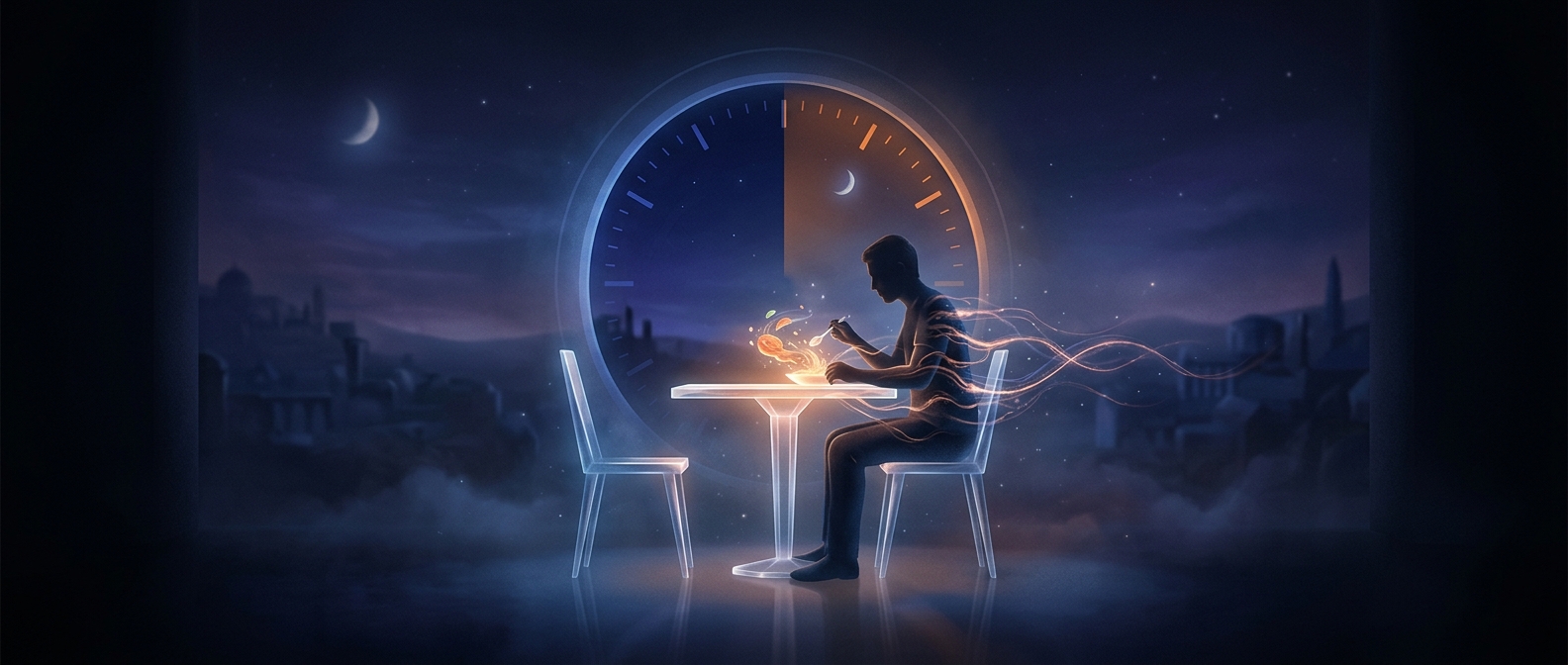
Consuming majority of daily calories during the midnight span
With night-eating syndrome, the body’s timing can be shifted so hunger or the urge to eat arrives during the night. Some people feel they cannot get back to…
Discover more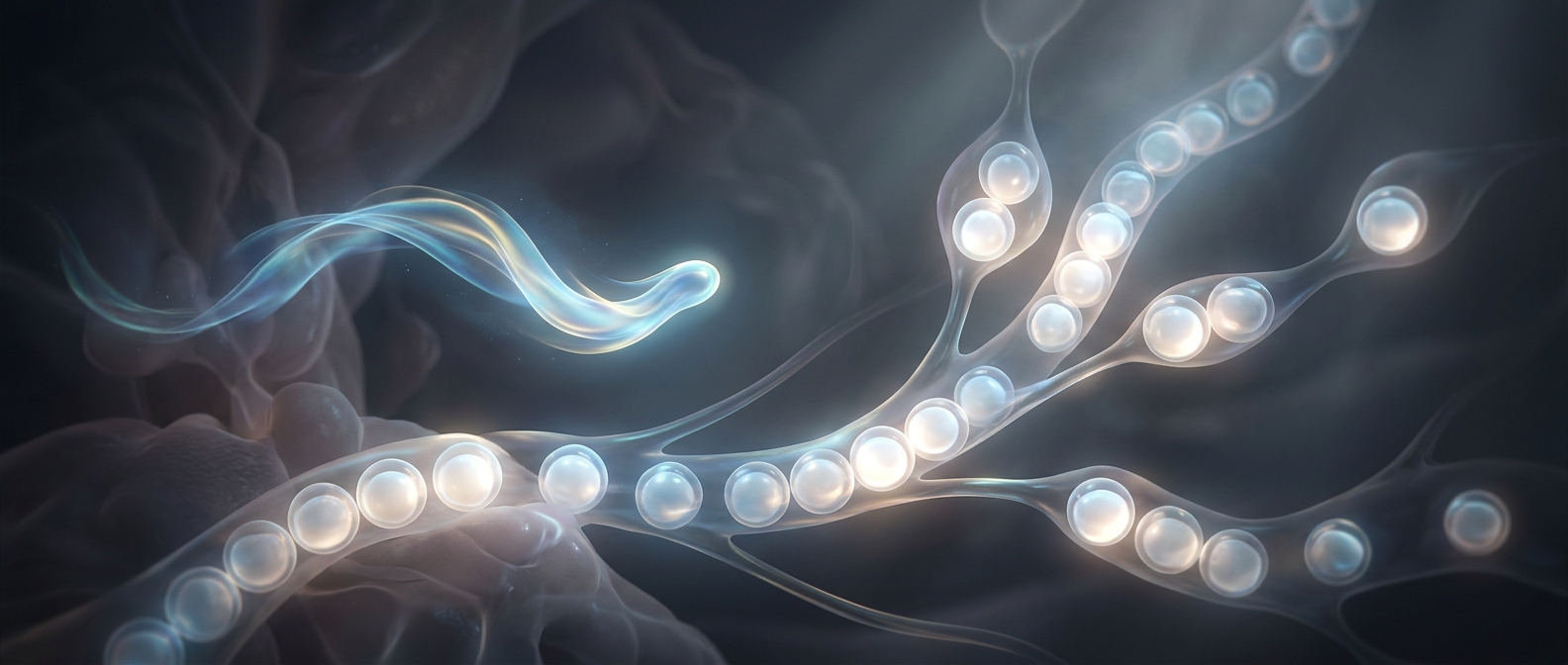
Prolactin orchestrates human milk production lines
The pituitary gland releases prolactin, a hormone that signals the mammary glands to make milk. The hormone is part of production; it is not the same signal…
Discover more
Cats are built to swallow their own fur
Backward-facing hooks on a cat's tongue catch loose hair during grooming. Much of the swallowed fur passes through the digestive tract; some collects into a…
Discover more
When healthy eating becomes an eating disorder
The danger in orthorexia is the narrowing: more foods get labeled impure, and fewer remain acceptable to eat. That restriction can deprive the body of…
Discover more
Scabies mites burrow tunnels under your skin
A pregnant scabies mite tunnels into the upper layer of skin and lays eggs, leaving a thin, zigzagging track. The itching comes from your immune system…
Discover more
Fixating intensely on entirely invisible physical flaws
The distress in body dysmorphic disorder is real even when the perceived flaw is hard for others to see. Attention keeps circling back to that feature, so a…
Discover more
Pheromones operate entirely beneath your radar
Many animals release pheromones—chemicals that can affect another animal’s behavior or physiology. That doesn’t mean people are secretly steered by invisible…
Discover more
Why a fall can break your collarbone
A forceful impact on the shoulder or a fall onto an outstretched hand can transmit enough load to fracture the clavicle. This slender bone connects the…
Discover more
Devouring monstrous amounts of food without any control
Binge-eating disorder involves episodes in which eating feels difficult to control, not just eating more than planned. The compulsion can persist even as…
Discover more
Estrogen actively shields skeletal integrity
Bone is constantly being broken down and rebuilt. Estrogen slows the cells that dissolve old bone, so when estrogen levels fall during menopause, that brake…
Discover more
Marfan syndrome stretches limbs to extreme lengths
FBN1 helps build connective tissue, the body’s supporting framework. When changes in that gene affect the framework throughout the body, limbs can grow…
Discover more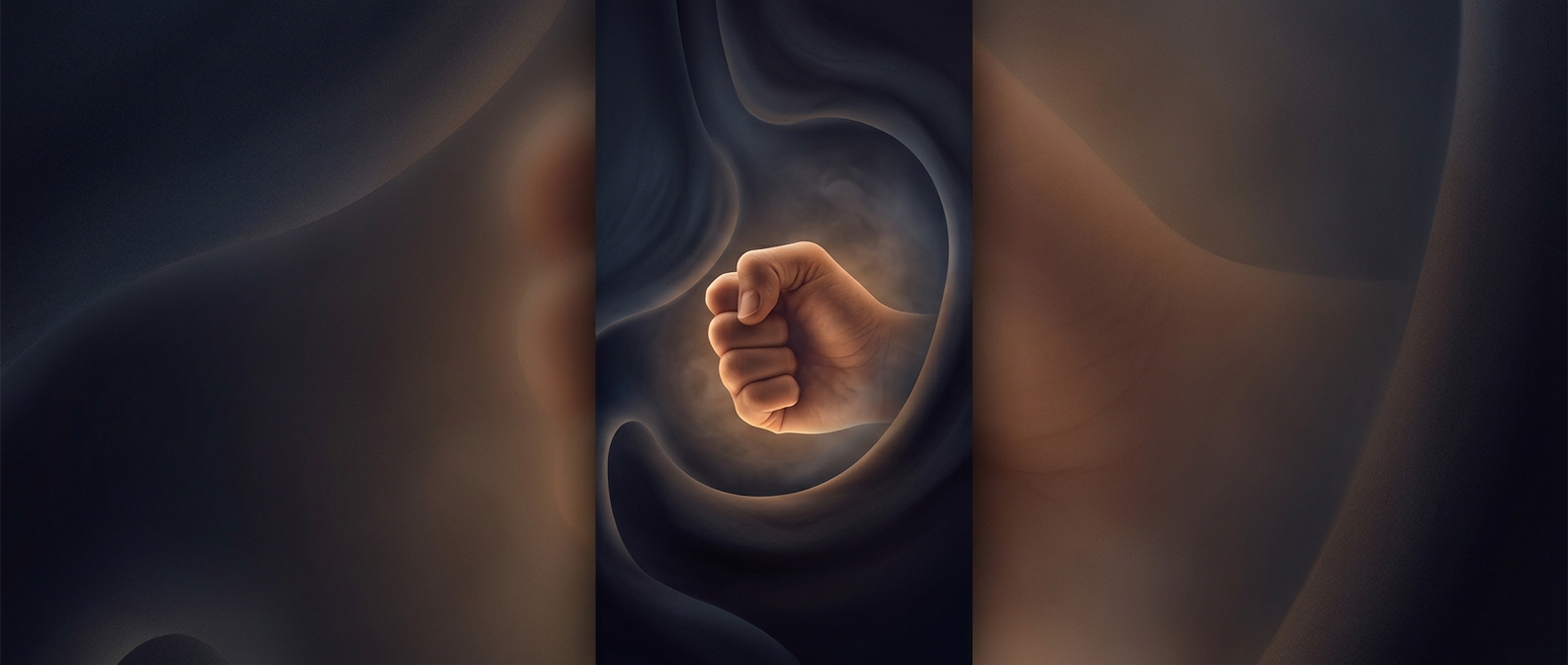
Your empty stomach is only fist-sized
An empty stomach is roughly fist-sized, but its walls can relax and stretch as food arrives. It is less like a fixed little pouch and more like a container…
Discover more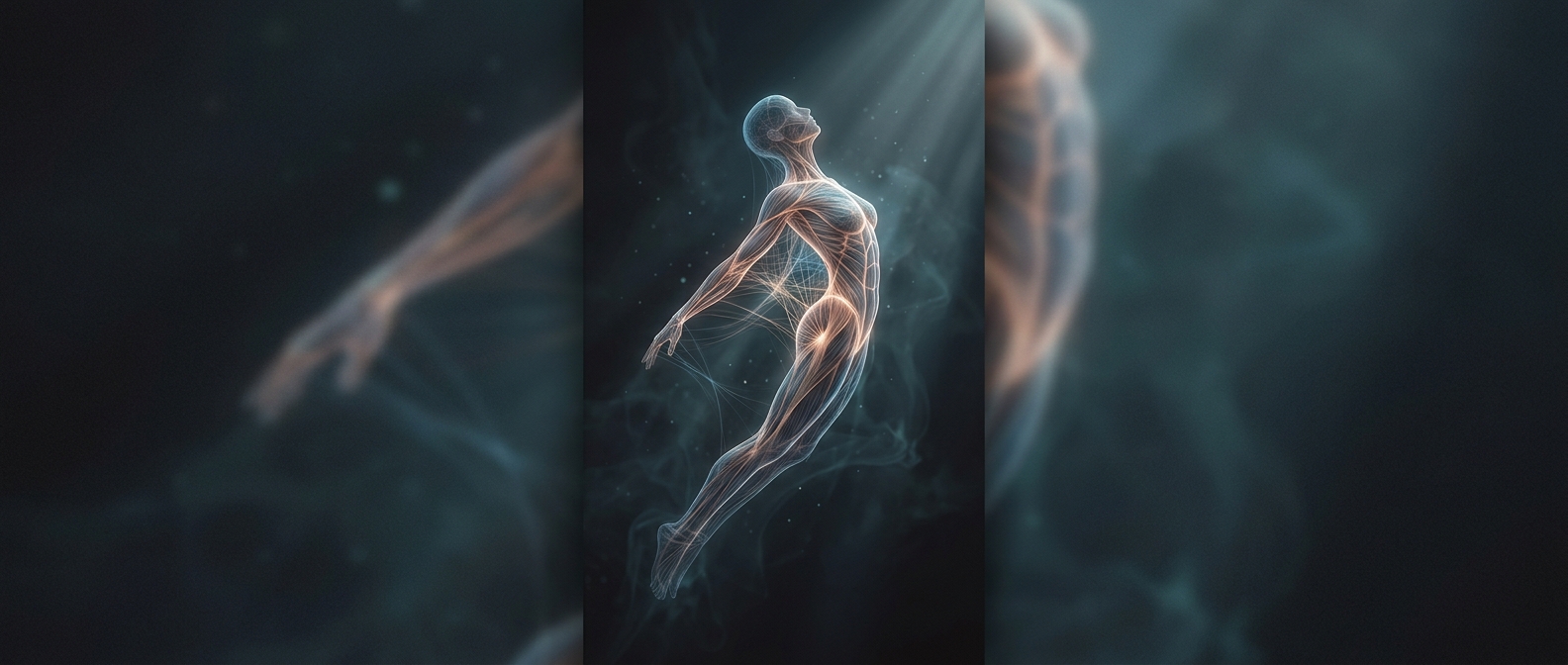
Six hundred distinct muscles hold human forms together
Standing still is not the same as switching your muscles off. Many muscles make tiny, continuous adjustments to keep your weight balanced, which is why…
Discover more
Why your adenoids shrink as you grow up
Adenoids are immune tissue high behind the nose that helps catch material entering through the airway, especially during childhood. As the immune system…
Discover more
Large intestines are dramatically shorter but much wider
The large intestine gets its name from its diameter, not from being the longest section of gut. At about five feet long, it is shorter than the small…
Discover more