Health
Discover facts about health. Small discoveries that change the way you see familiar things.
Health

Your skull is a puzzle of separate bones
The skull’s plates meet at irregular, interlocking seams called sutures. So the hard shell around the brain is more like a fitted puzzle than a single piece…
Discover more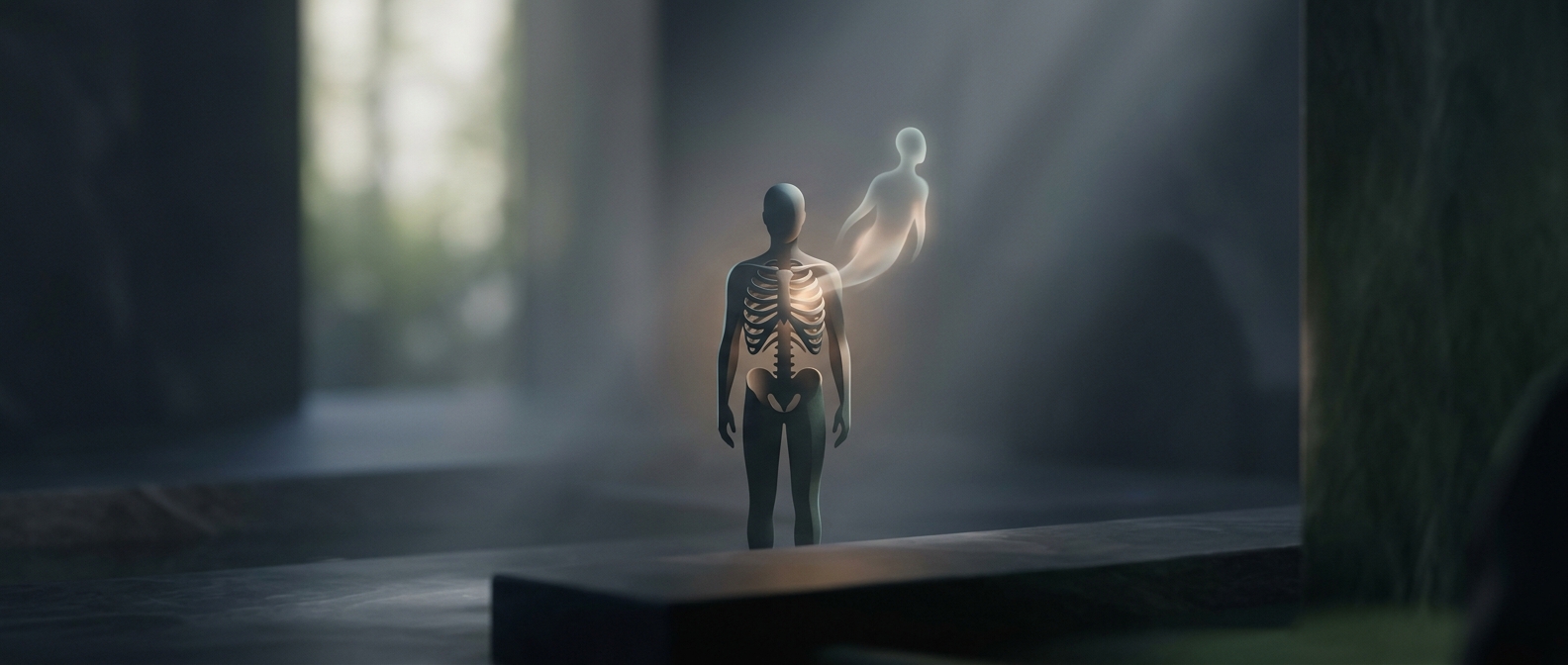
Some people are born with an extra neck rib
A cervical rib is an extra bone above the usual ribs, near the base of the neck. It can crowd nerves passing from the neck toward the arm, so a rib that does…
Discover more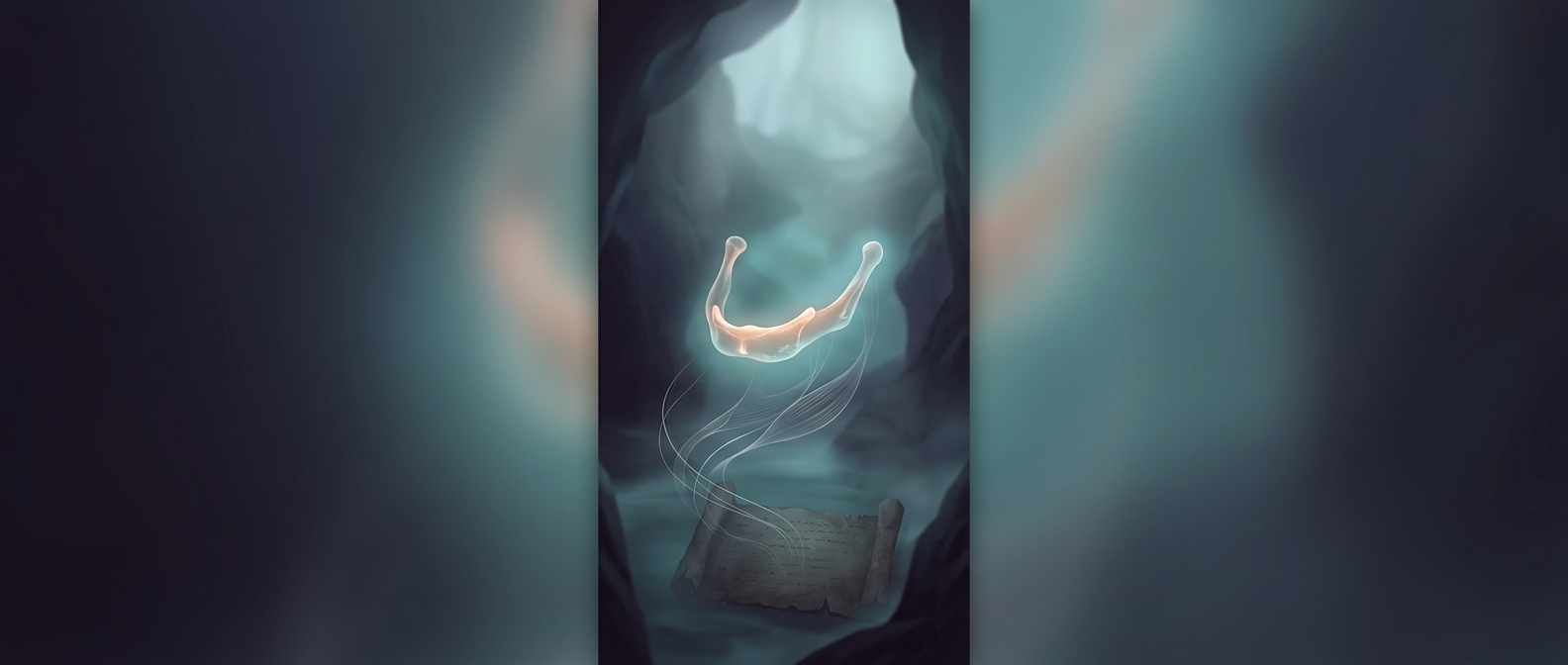
The bone in your neck that doesn't touch your skeleton
Most bones connect to other bones; the hyoid is suspended by muscles and ligaments. Muscles involved in speech attach to it, so this free-floating bone helps…
Discover more
Muscles strictly burn glucose to generate sudden energy
In a sudden sprint, muscle cells can break glucose down quickly to make energy. That fast supply helps power a burst of effort—like chasing a closing…
Discover more
Your belly button is a scar from a connection you no longer need
After birth, the remaining umbilical stump dries and falls away, leaving the navel as the area heals. Its shape reflects that healing and the surrounding…
Discover more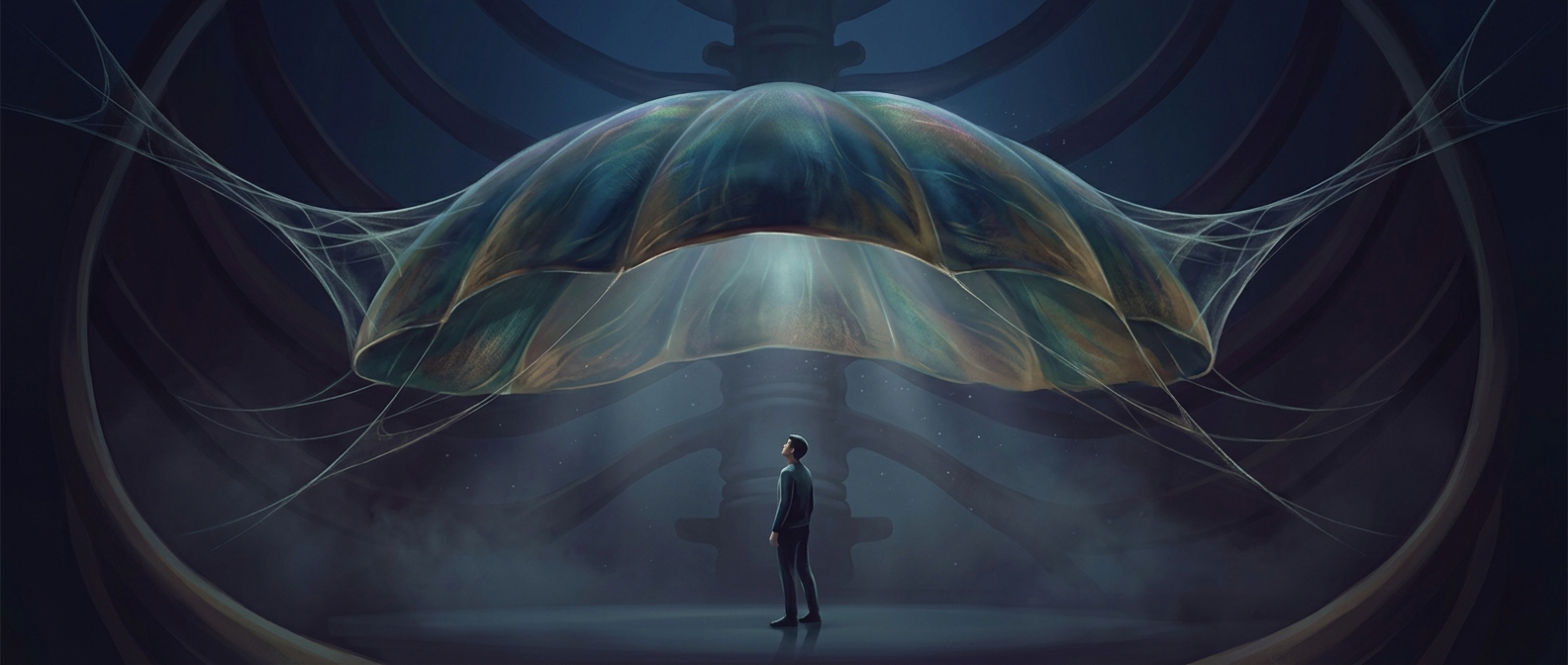
Your diaphragm is the piston that lets you breathe
When the diaphragm contracts, it moves down and gives the chest more room. That lowers pressure inside the chest, so air flows into the lungs; the muscle is…
Discover more STACKY FOR IPHONE
A bigger world.
One discovery
at a time.
Keep discovering with Stacky. Interesting facts in an app that is always within reach.

Your tailbone is an evolutionary leftover with a job
Your tailbone is not just a souvenir: tendons, ligaments, and pelvic-floor muscles attach to it. It no longer balances a tail, but it still helps hold…
Discover more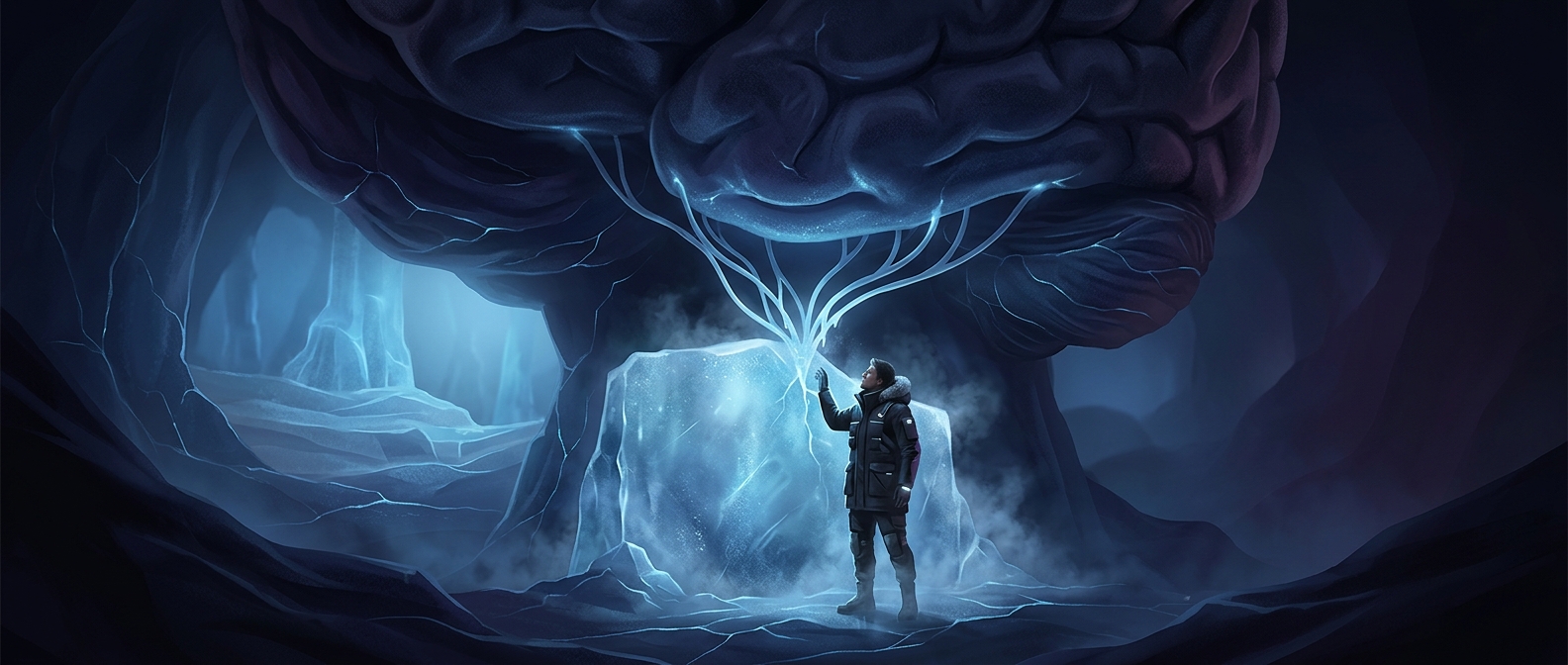
Your brain can't actually feel a brain freeze
The brain tissue itself has no pain receptors. Rapidly cooling the roof of your mouth changes nearby blood flow, and nerves in that area send a signal through…
Discover more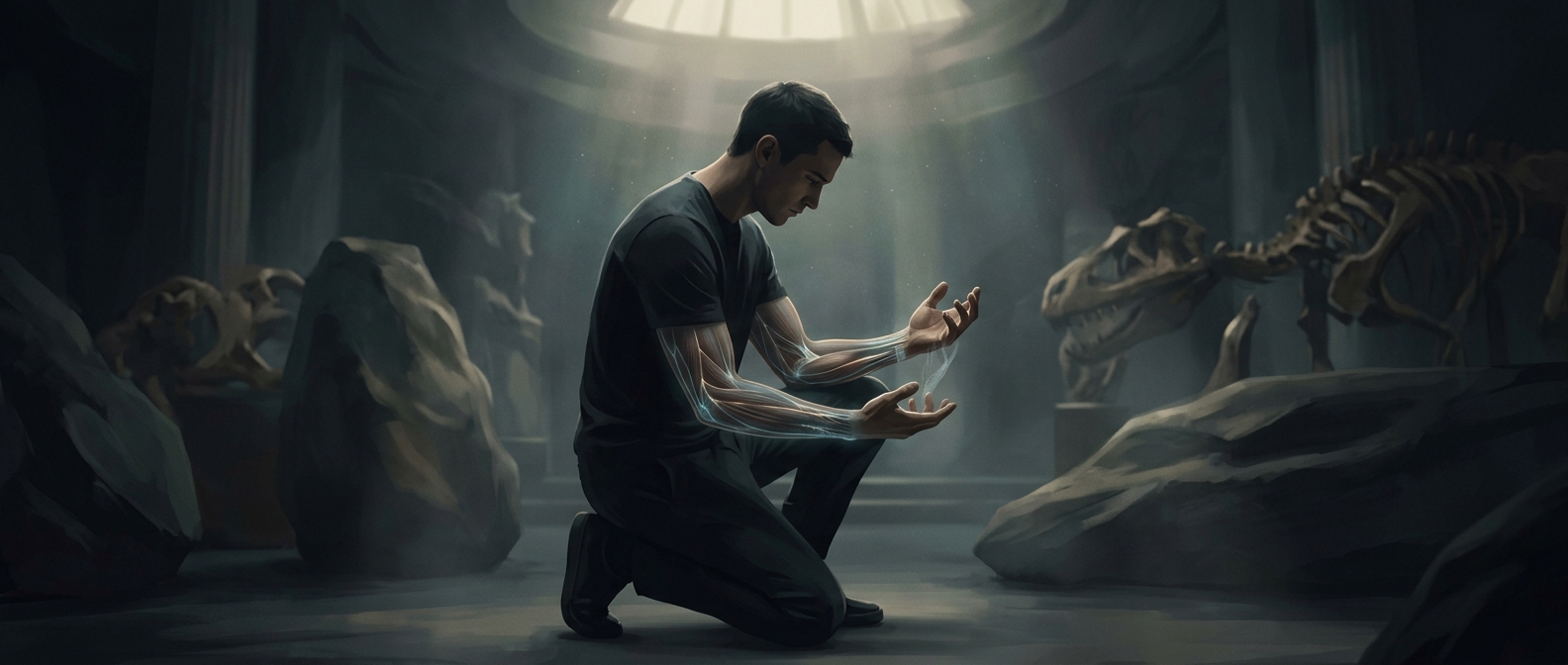
A muscle in your forearm may be missing
The palmaris longus has a tendon that can stand out near the wrist, but some people naturally lack the muscle on one or both sides. The frequency varies…
Discover more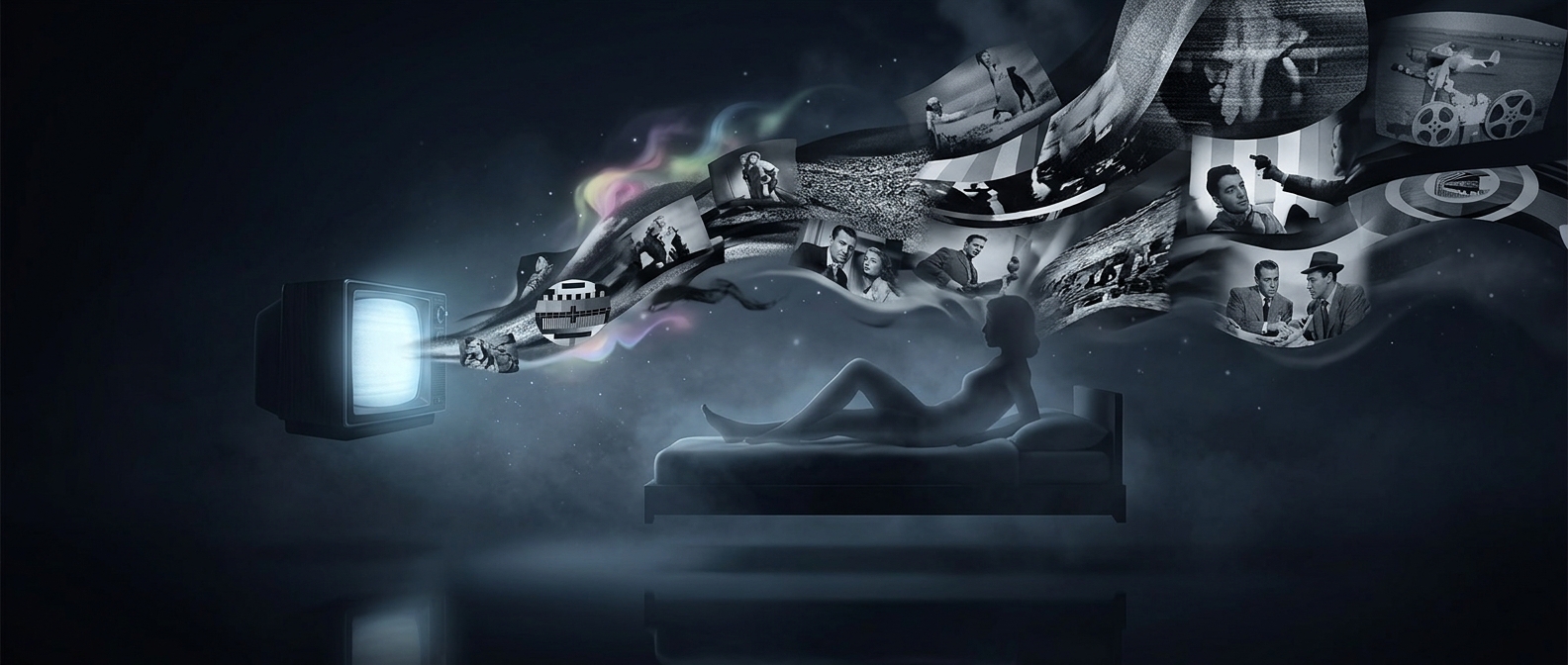
Black-and-white TV viewers reported grayscale dreams
People who grew up with black-and-white television sometimes reported grayscale dreams, while some later described color after color broadcasts became common.…
Discover more
Pregnancy's clock starts before conception
The standard 40-week count begins with the first day of the last menstrual period, typically about two weeks before conception. That convention gives…
Discover more
Some people really can thrive on four hours of sleep
A rare genetic change can alter how the body regulates sleep, allowing some people to feel rested after about four hours. That is a biological exception, not…
Discover more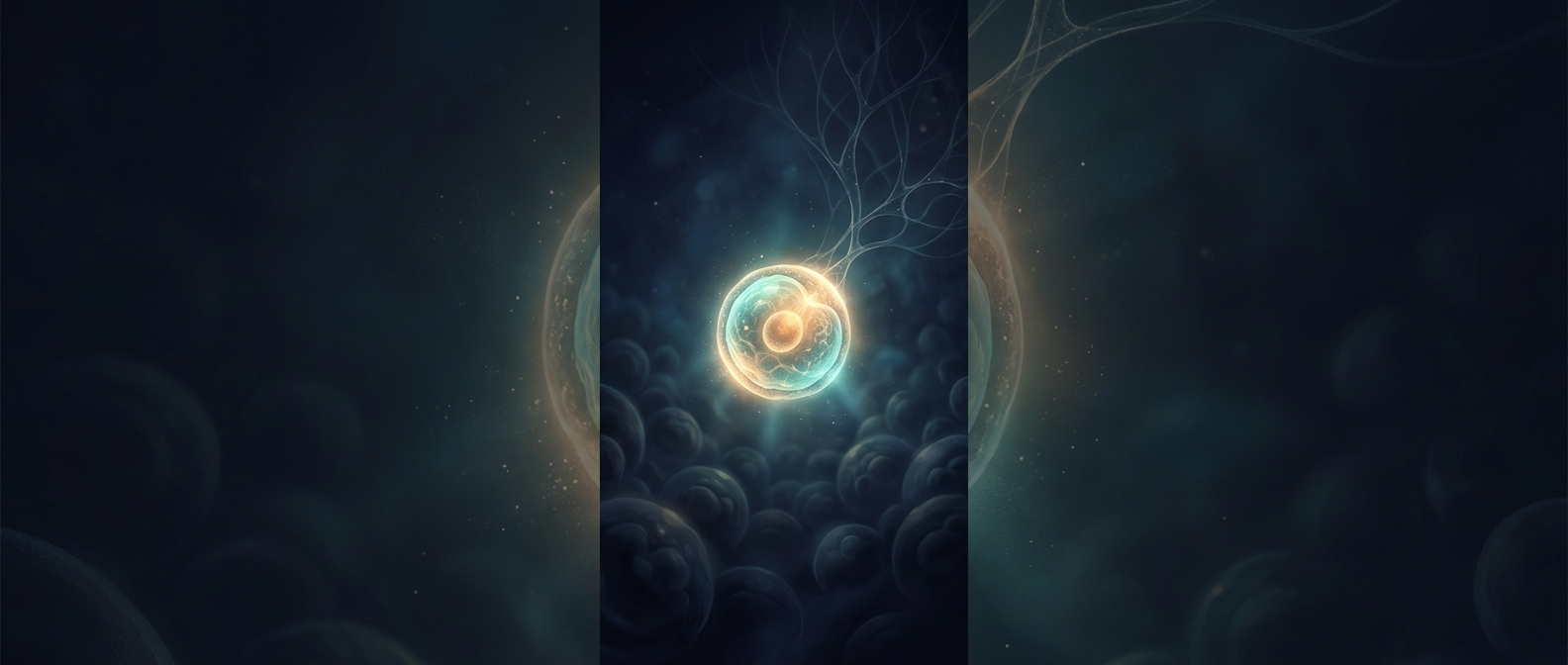
Everyone began existence as a single microscopic sphere
The first cell didn’t grow into a body by simply getting bigger. It divided into more cells, which then multiplied and developed into different kinds of…
Discover more
Why your body temperature must drop before sleep
As bedtime approaches, your body shifts heat from its core toward the skin and lets more of it escape. That drop in core temperature helps cue sleep, which is…
Discover more
The human egg is visible without a microscope
The egg is big enough to catch the unaided eye: it’s about a tenth of a millimeter wide. You won’t see its details, but you can see the cell itself as a tiny…
Discover more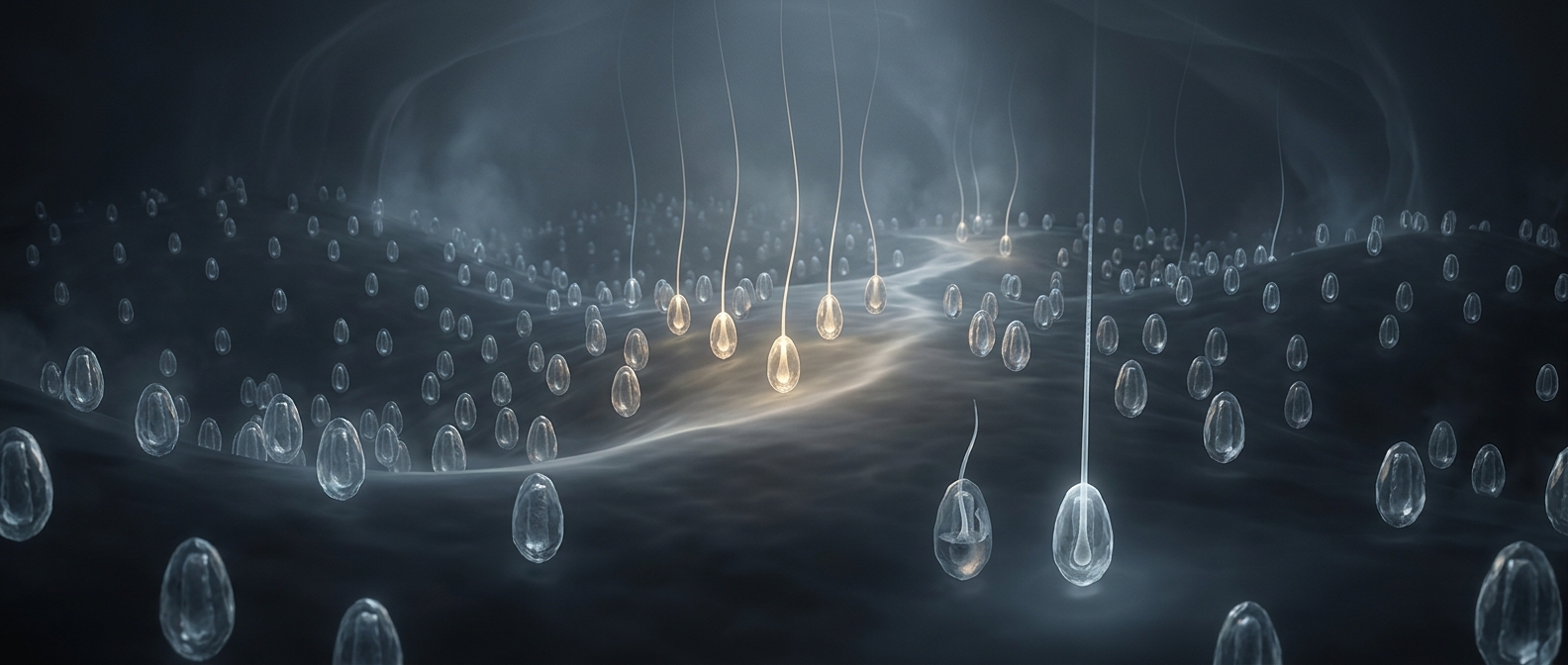
Why your hair never falls out all at once
Each hair follicle runs its own schedule: a strand grows, rests, and eventually sheds while neighboring hairs keep growing. Because those cycles are…
Discover more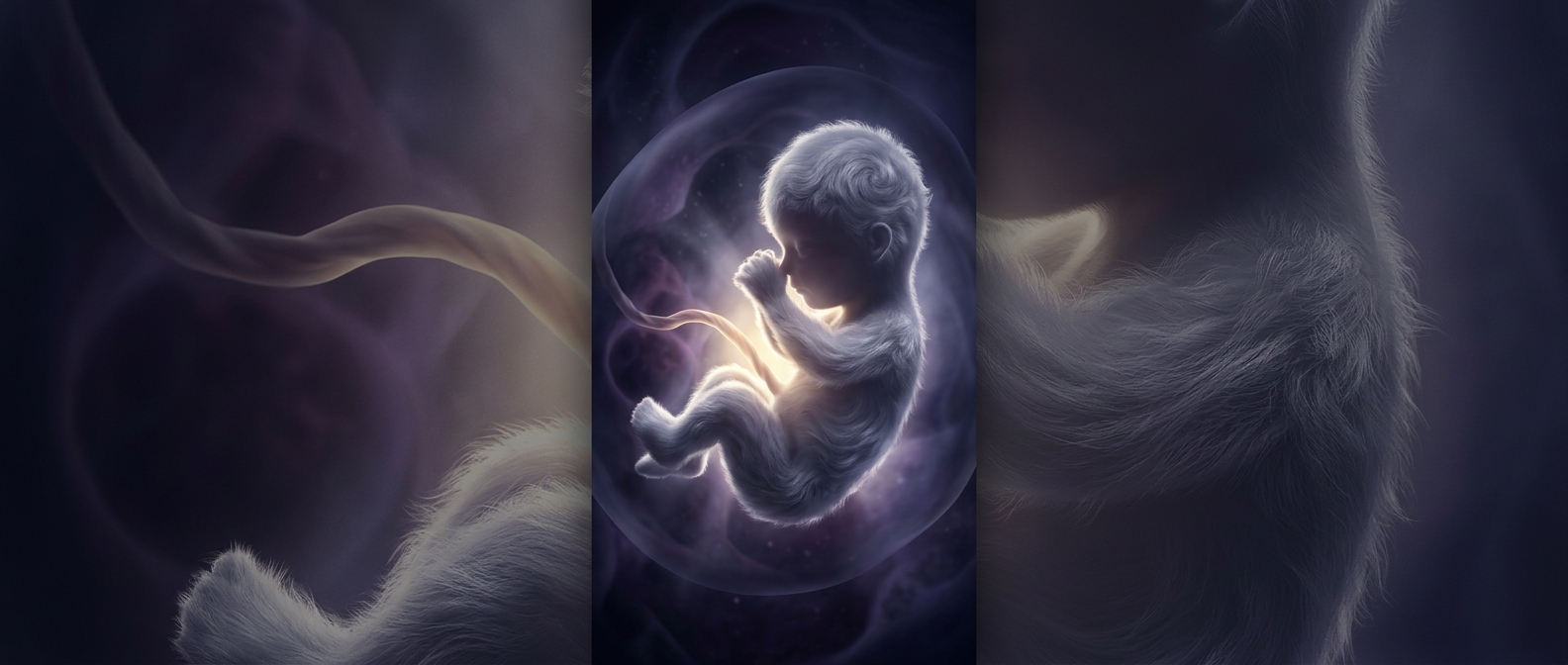
A fetus grows a temporary coat of fine hair
Lanugo helps hold the protective vernix coating against developing skin. Much of the hair is shed before birth, although some babies—especially premature…
Discover more
Human cells are programmed with a strict division limit
Many human cells can divide only a limited number of times. In the Hayflick limit, often around 50 divisions, a cell reaches a point where it stops…
Discover more
Fetuses possess a functioning cardiovascular rhythm
Before many features of the body are visible, specialized tissue starts to contract. Those early beats help move blood around the developing body—circulation…
Discover more
Your hair can turn curly with age
Hormones or aging can change the shape of a hair follicle, the tiny pocket where each strand grows. A strand follows the shape of that pocket, so a follicle…
Discover more
Your heart is closer to the middle than you think
Your heart is near the center of your chest, not tucked entirely on the left. Its larger pumping chamber angles slightly left, which helps explain why a…
Discover more
Your DNA contains remnants of ancient viruses
Long ago, viruses inserted genetic material into cells that eventually contributed to human lineages. Some of those viral sequences remain in our DNA—not as…
Discover more
Female babies are born with all their eggs
A female infant is born with her supply of immature egg cells already in her ovaries, numbering in the millions. That reserve declines over time, and the…
Discover more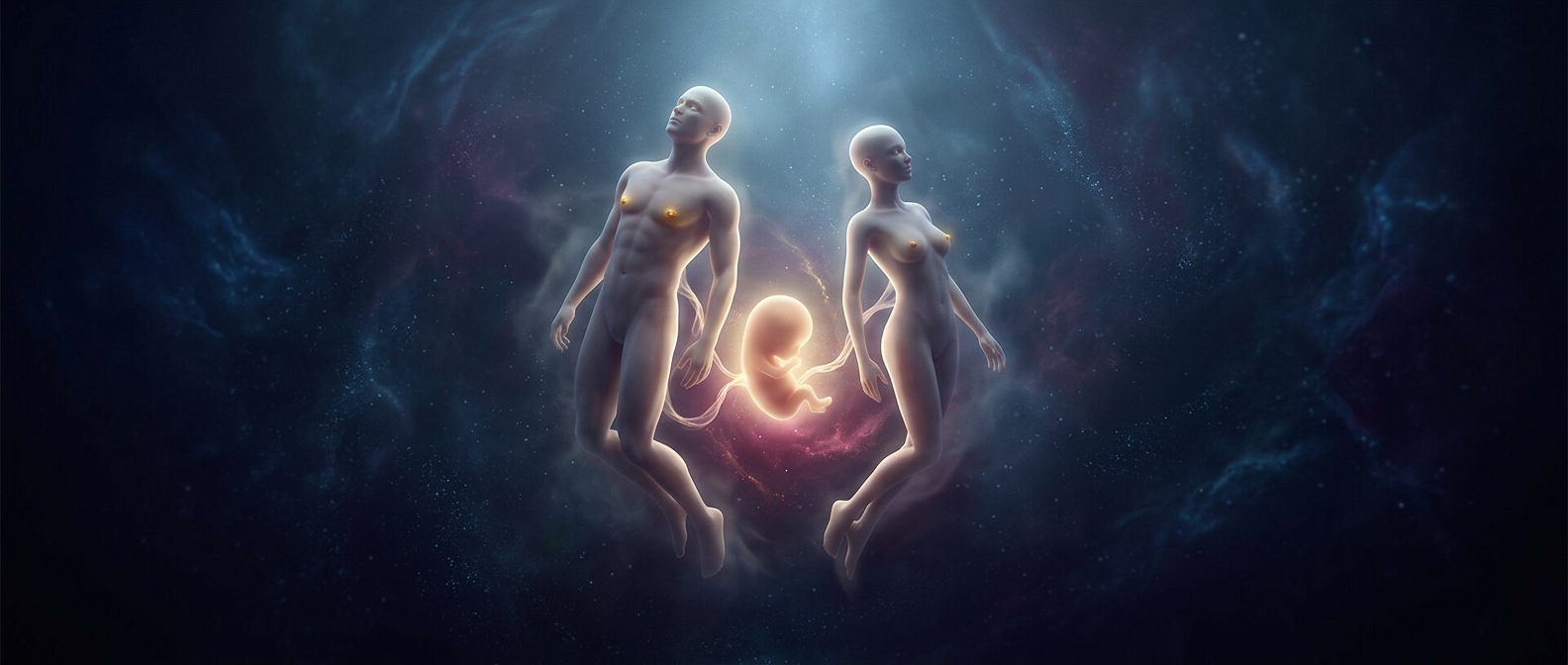
Why everyone develops nipples before sex differences
Early development builds nipples before the Y chromosome’s signals set typically male development in motion. So nipples are part of the shared starting plan,…
Discover more