Health
Discover facts about health. Small discoveries that change the way you see familiar things.
Health
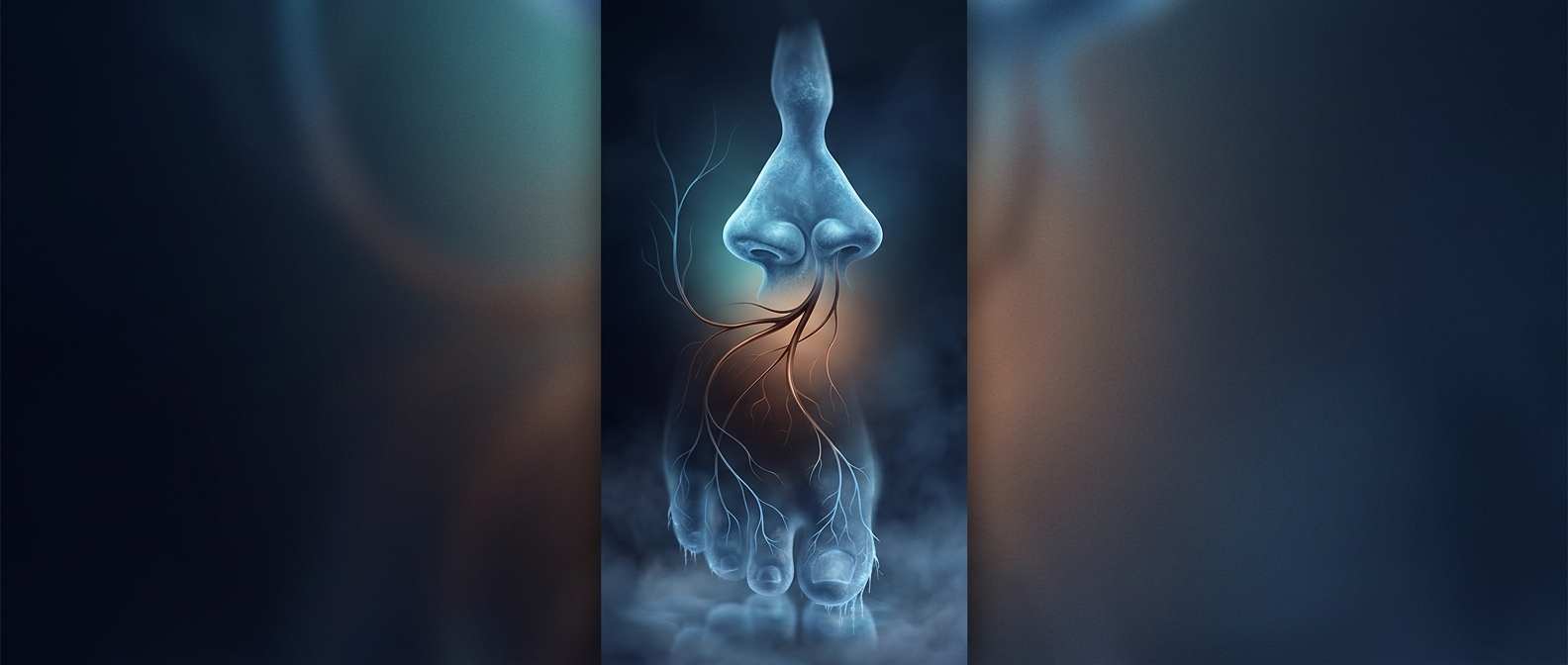
Why your nose and toes get cold first
Your body will gladly sacrifice your extremities just to keep your core organs warm. When temperatures drop, your circulatory system selfishly hoards all the…
Discover more
Every single face you see in your dreams belongs to a real person you passed in waking life
Your brain is a shameless plagiarist, not a creative artist. It allegedly cannot invent new human faces from scratch, meaning every terrifying monster or…
Discover more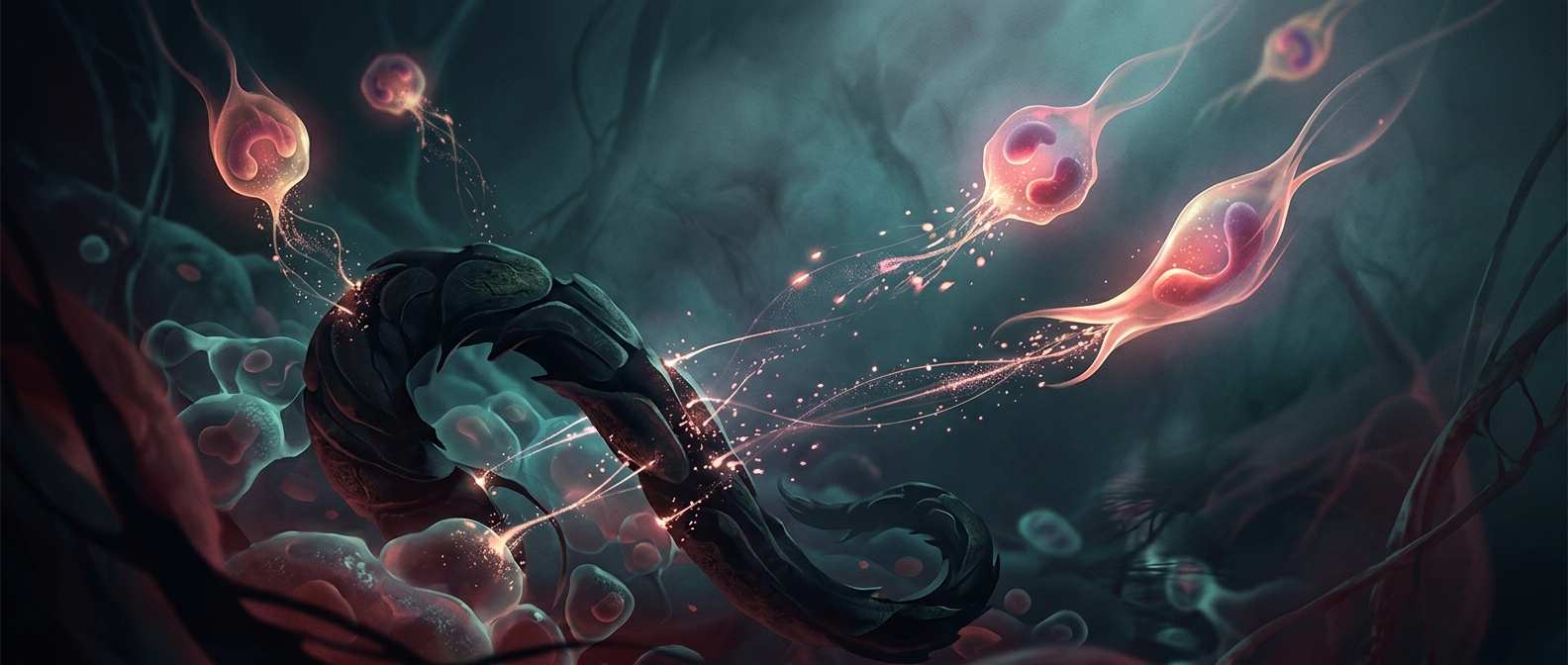
Eosinophils specifically target and destroy parasites
While other immune units hunt tiny viruses, these specialized bruisers exist exclusively to fight the big monsters. They swarm massive invading worms and…
Discover more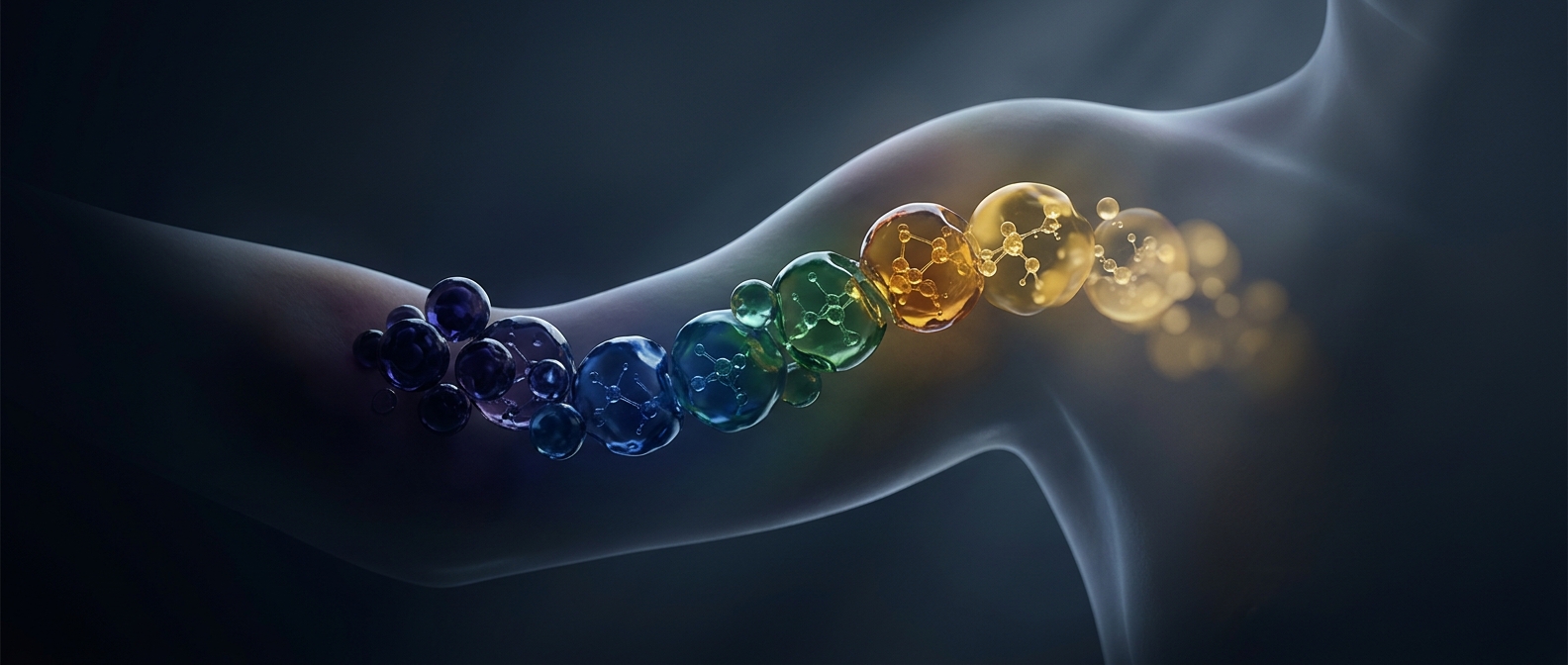
Bruises change color due to hemoglobin breakdown
That nasty purple mark is just a microscopic crime scene being cleaned up. As macrophages dismantle the spilled red cells, the core compounds degrade into…
Discover more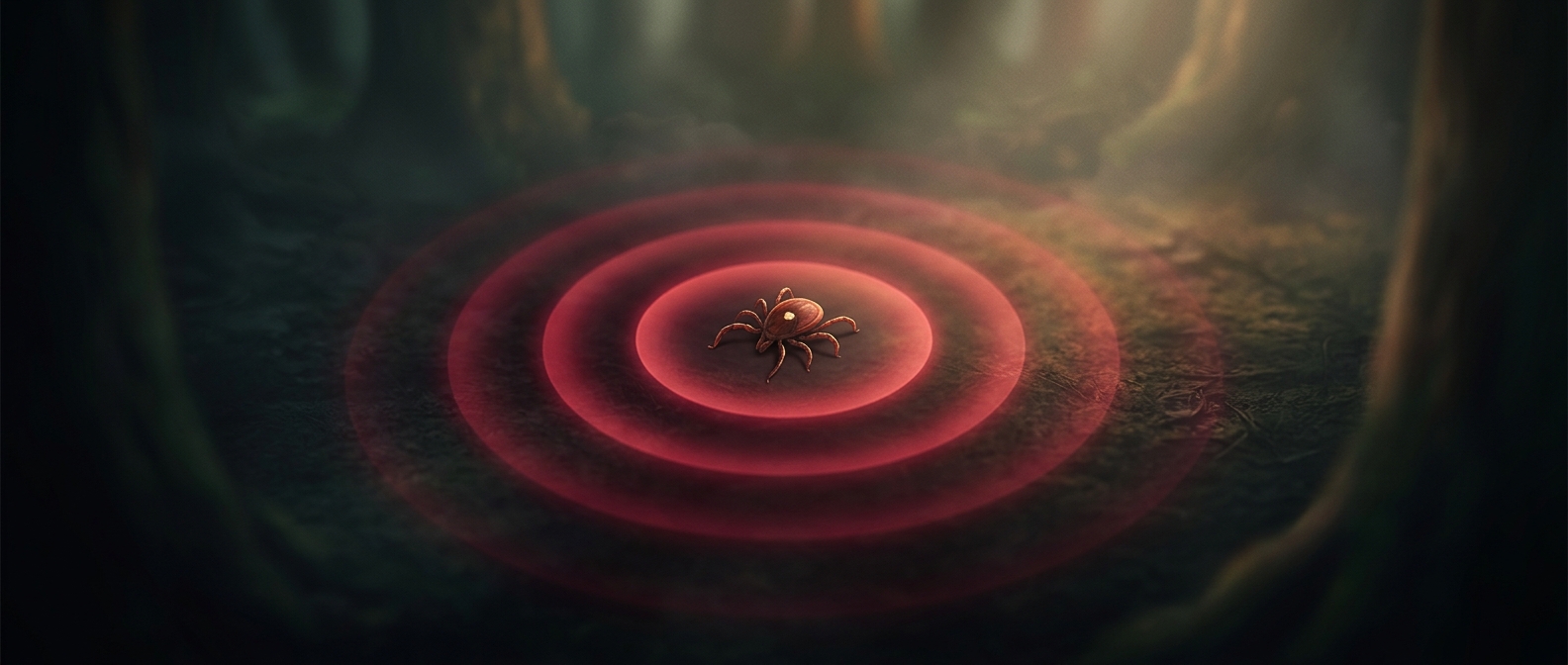
Lyme disease creates an expanding bullseye rash
The tick bite itself isn't what creates that iconic circular pattern. It is the literal migration of spirochete bacteria actively swimming outward through…
Discover more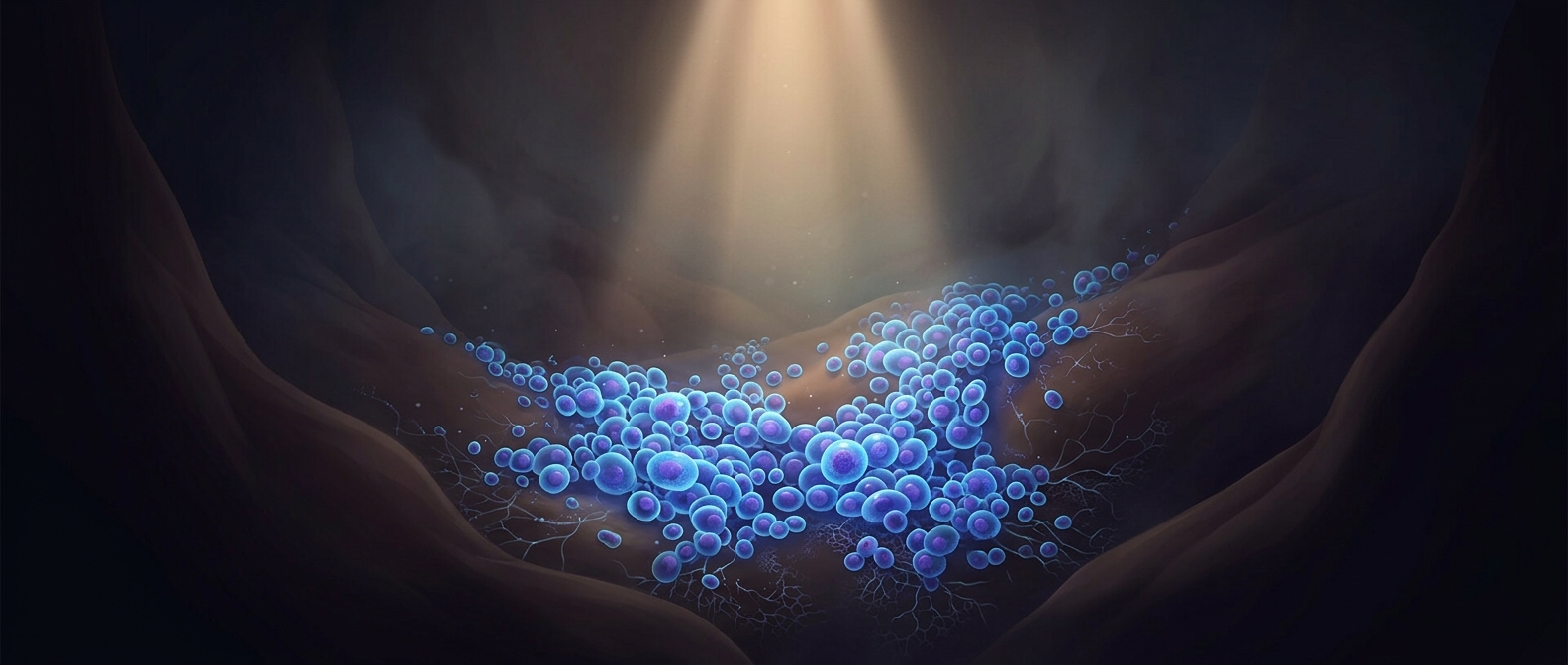
Birthmarks represent localized cellular overgrowth
Sometimes during development, a tiny cluster of cells just gets a little too enthusiastic. Those unique spots are essentially benign traffic jams of pigment…
Discover more STACKY FOR IPHONE
A bigger world.
One discovery
at a time.
Keep discovering with Stacky. Interesting facts in an app that is always within reach.
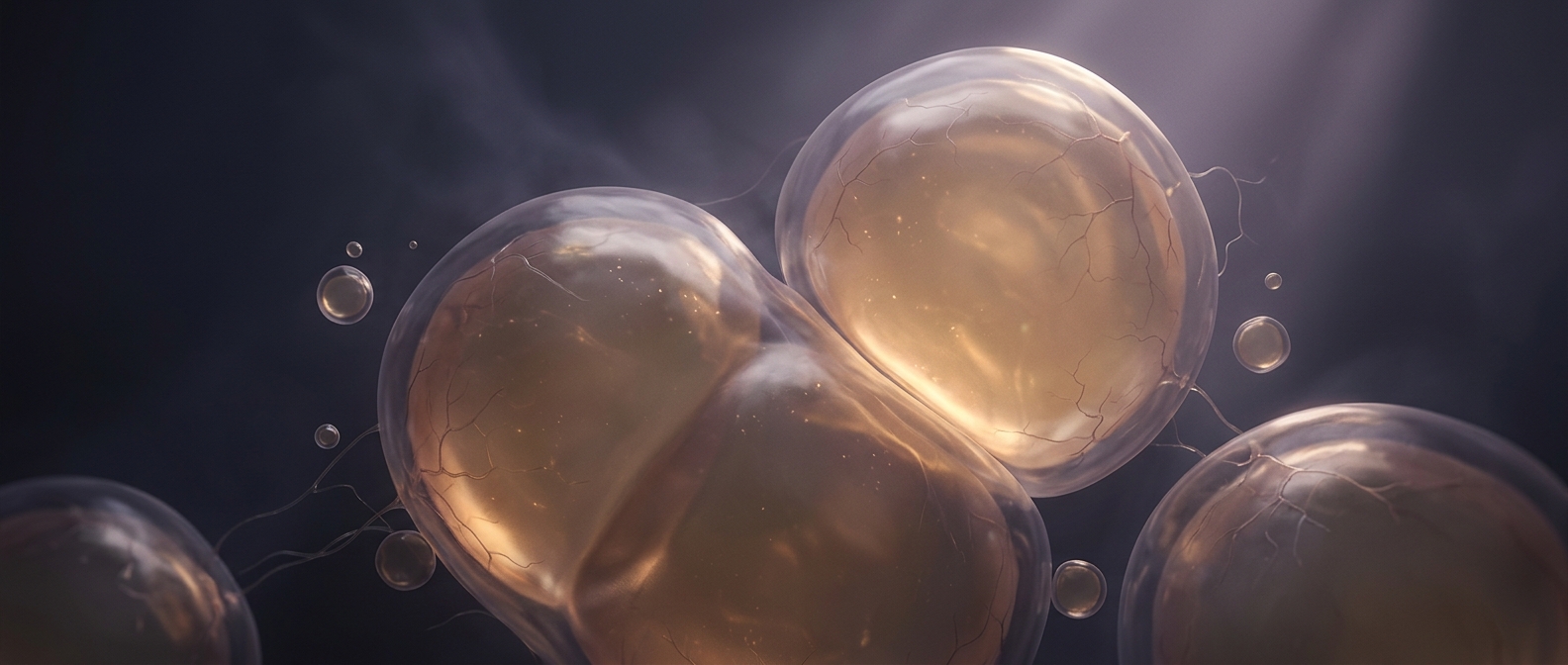
Your fat cells grow larger instead of multiplying
Your fat cells are the ultimate biological minimalists. Instead of constantly dividing to store more energy, the existing units just passively stretch out to…
Discover more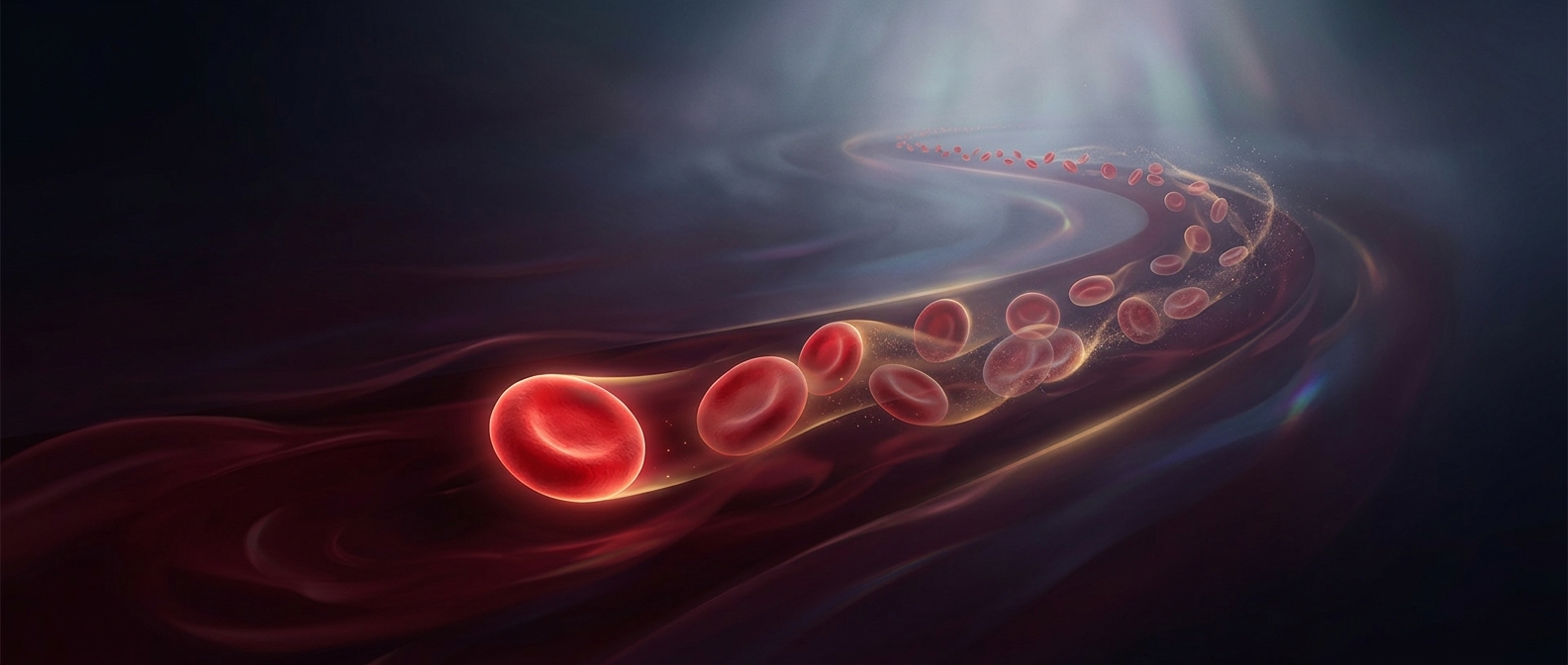
Red blood cells only survive for roughly four months
It is a tragically short lifespan for your absolute hardest workers. After a hundred and twenty days of squeezing through microscopic capillaries, these…
Discover more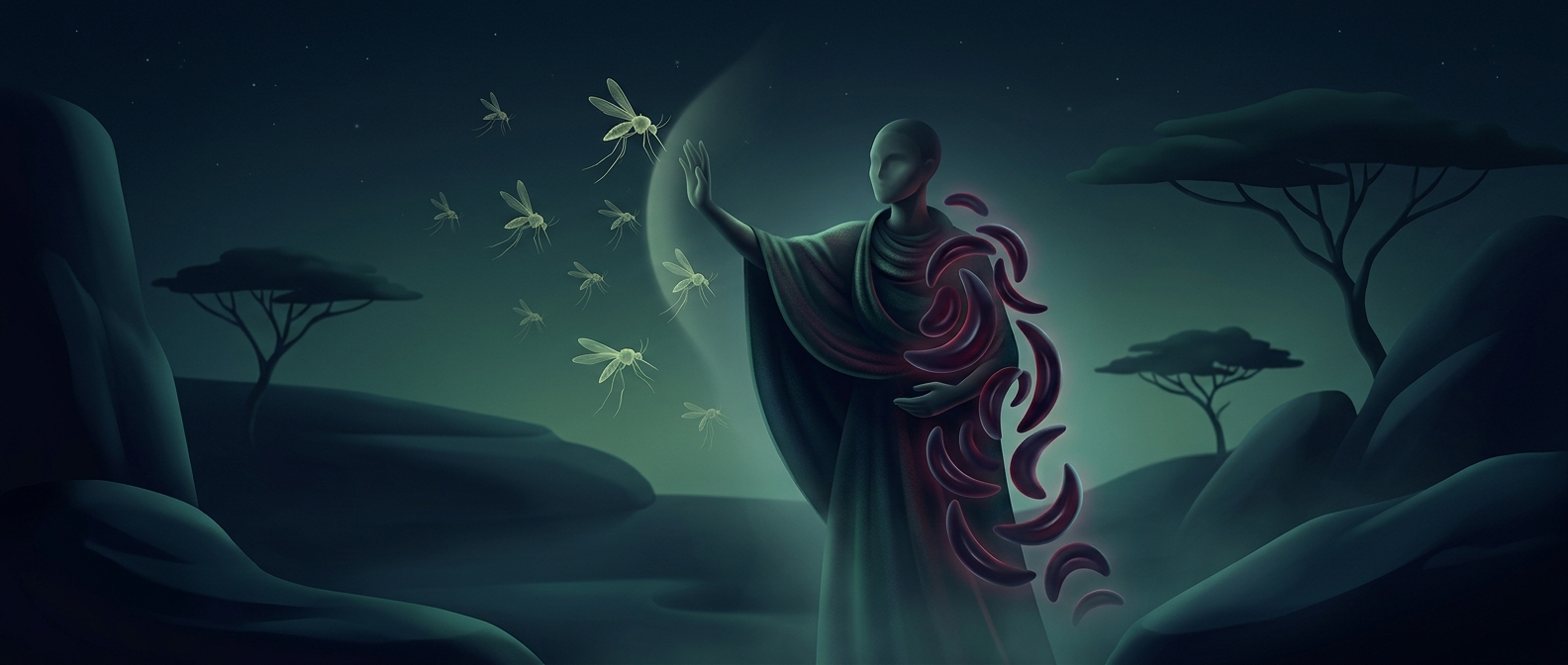
Why one sickle-cell gene can help fight malaria
Evolution has a twisted sense of humor. Inheriting one copy of the mutated hemoglobin gene gives you a built-in shield against deadly parasites, proving that…
Discover more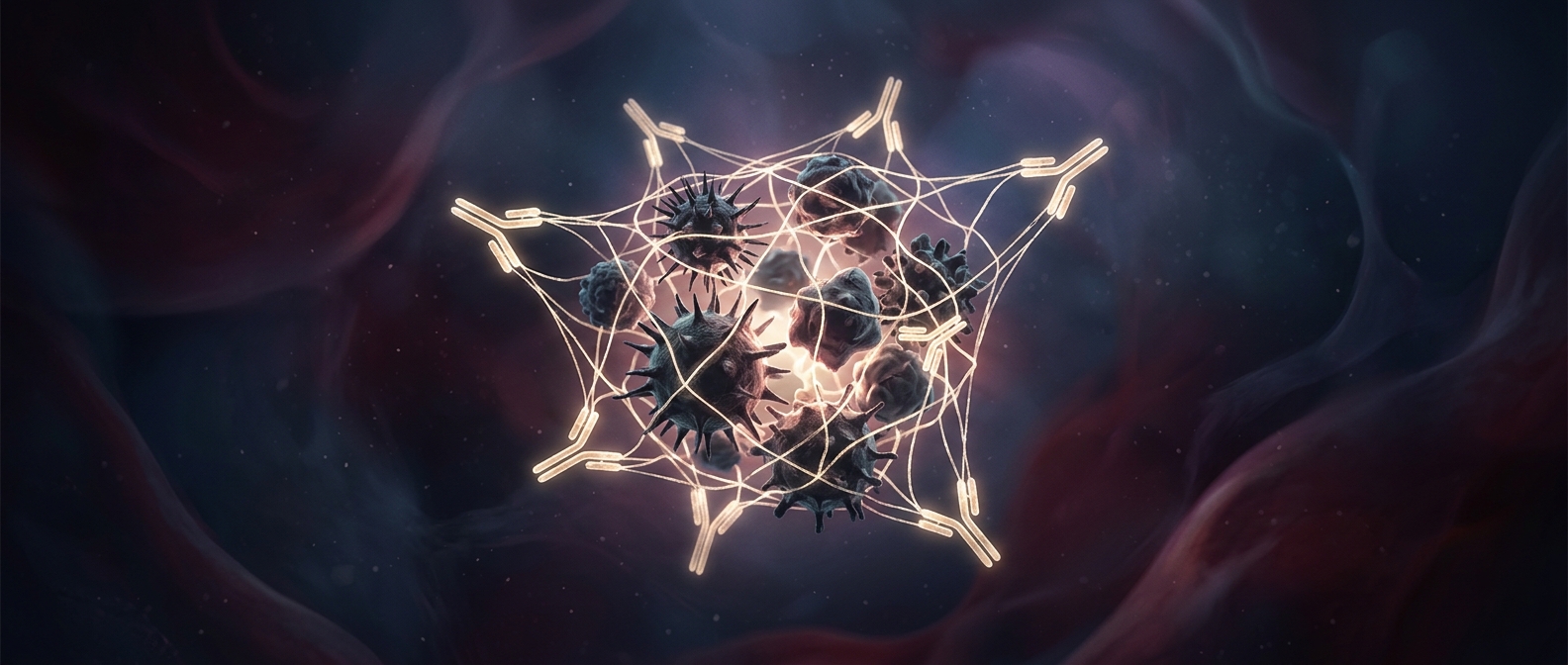
Antibodies clump invaders together like a net
Instead of fighting microbes one on one, your internal defenses prefer to heavily cheat. Y-shaped proteins latch onto multiple pathogens at once, gluing them…
Discover more
Bacteriophages look like microscopic lunar landers
Nature independently invented the Apollo space program on a microscopic scale. These geometric alien-looking entities touch down on bacterial surfaces,…
Discover more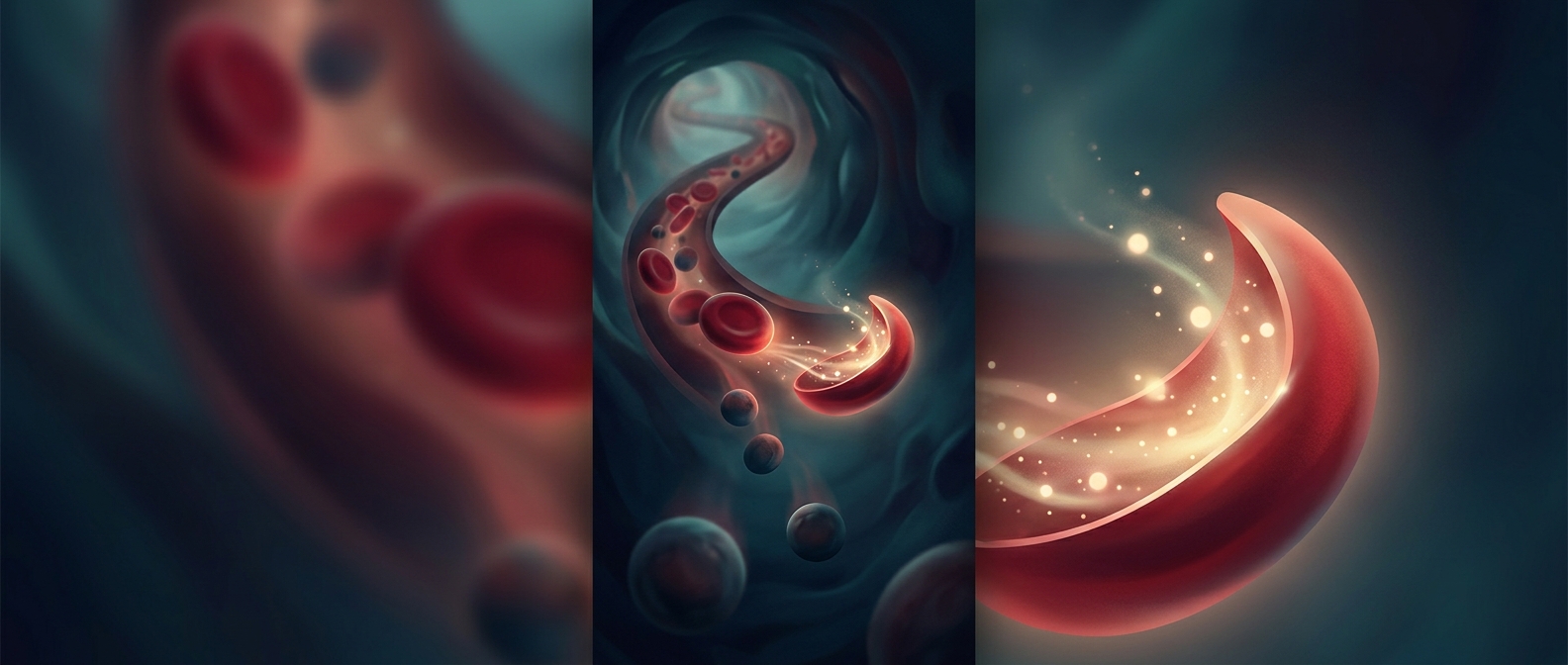
Red blood cells ditch their nucleus to carry oxygen
Talk about extreme minimalism. To maximize their carrying capacity, these microscopic delivery vehicles literally eject their own central command center,…
Discover more
Malaria parasites multiply aggressively inside the liver
Before causing absolute chaos in your veins, these microscopic invaders need a quiet place to breed. They hijack your largest internal filtration organ,…
Discover more
Scars completely lack normal epidermal appendages
The biological patch kit is entirely focused on speed, not luxury. When fixing a massive gash, the repair mechanism entirely skips rebuilding the microscopic…
Discover more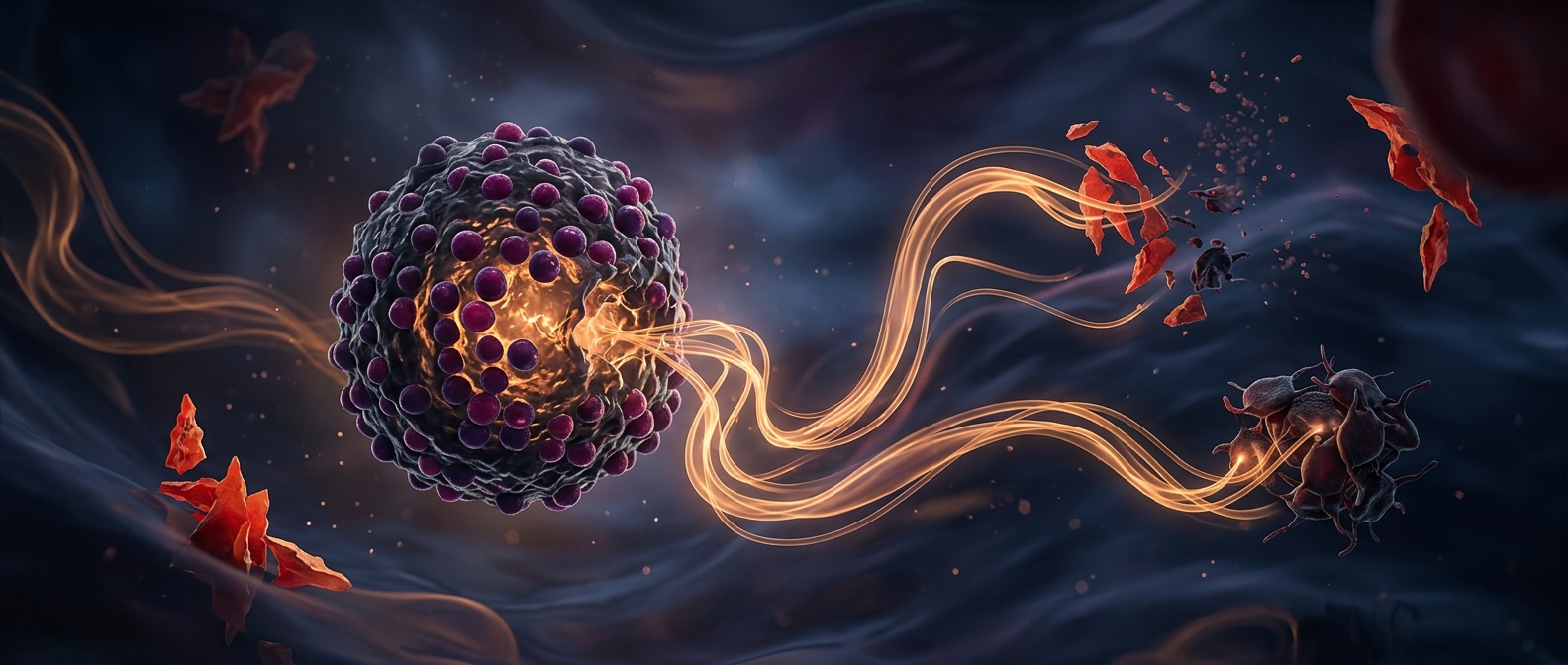
Basophils release heparin to prevent premature clots
The system desperately needs chemical brakes to stop itself from turning into solid jelly. These specialized units constantly leak thinners into the local…
Discover more
Why Rh-null blood is called golden blood
Having this incredibly rare mutation means you are essentially a walking biological treasure. With zero markers present, your donations can save almost…
Discover more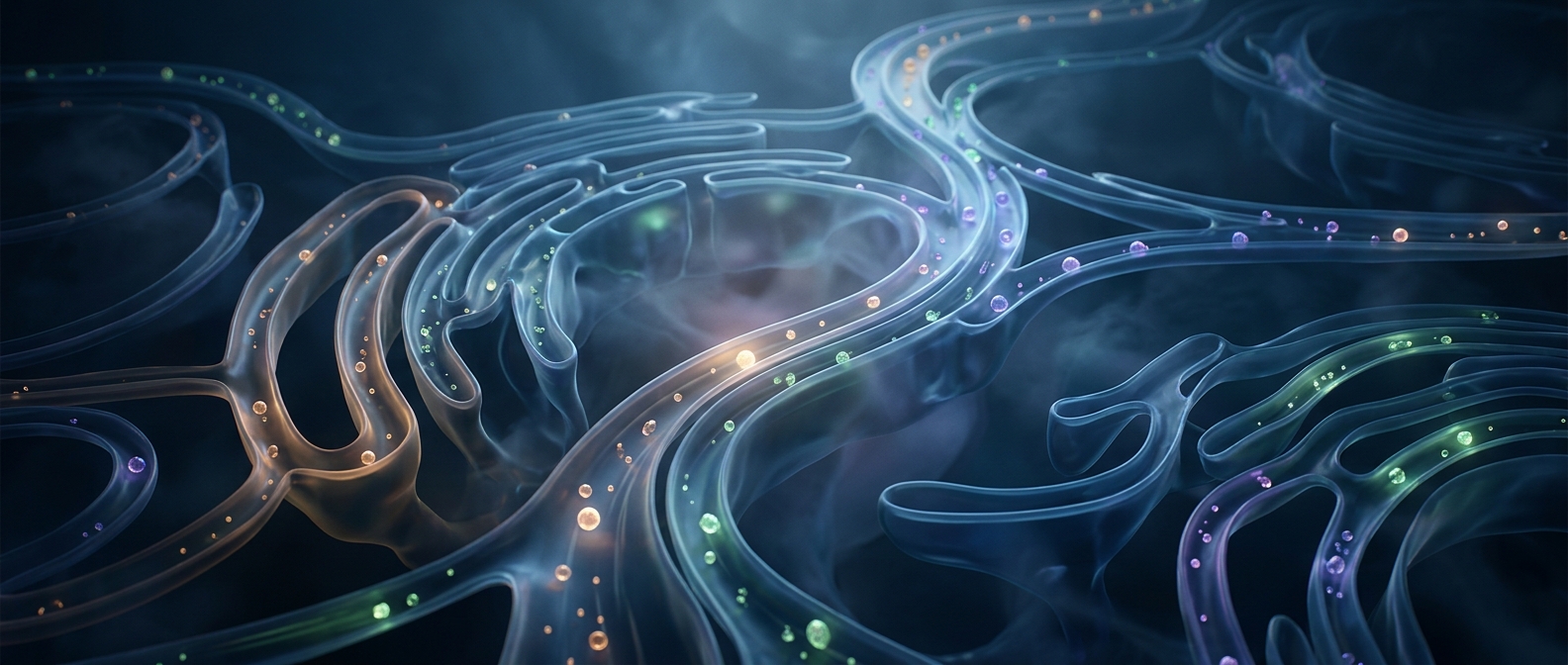
Endoplasmic reticulum acts as a cellular highway
It sounds like a bad sci-fi weapon, but it is actually just a microscopic transit network. This massive maze of folded membranes frantically shuttles freshly…
Discover more
Type O negative blood is the universal donor
Being the universal donor basically means your red cells are incredibly boring. Because they completely lack the typical surface markers, anyone's defense…
Discover more
Why tattoo ink stays after immune cells swallow it
That sick panther ink is technically an endless biological stalemate. Macrophages swallow the heavy metal ink, get stuck in the dermal layer, and stay there…
Discover more
Lymphatic networks drain waste without any pump
Unlike the circulatory network, your biological sewer system has absolutely no central engine pushing things along. It entirely relies on the random…
Discover more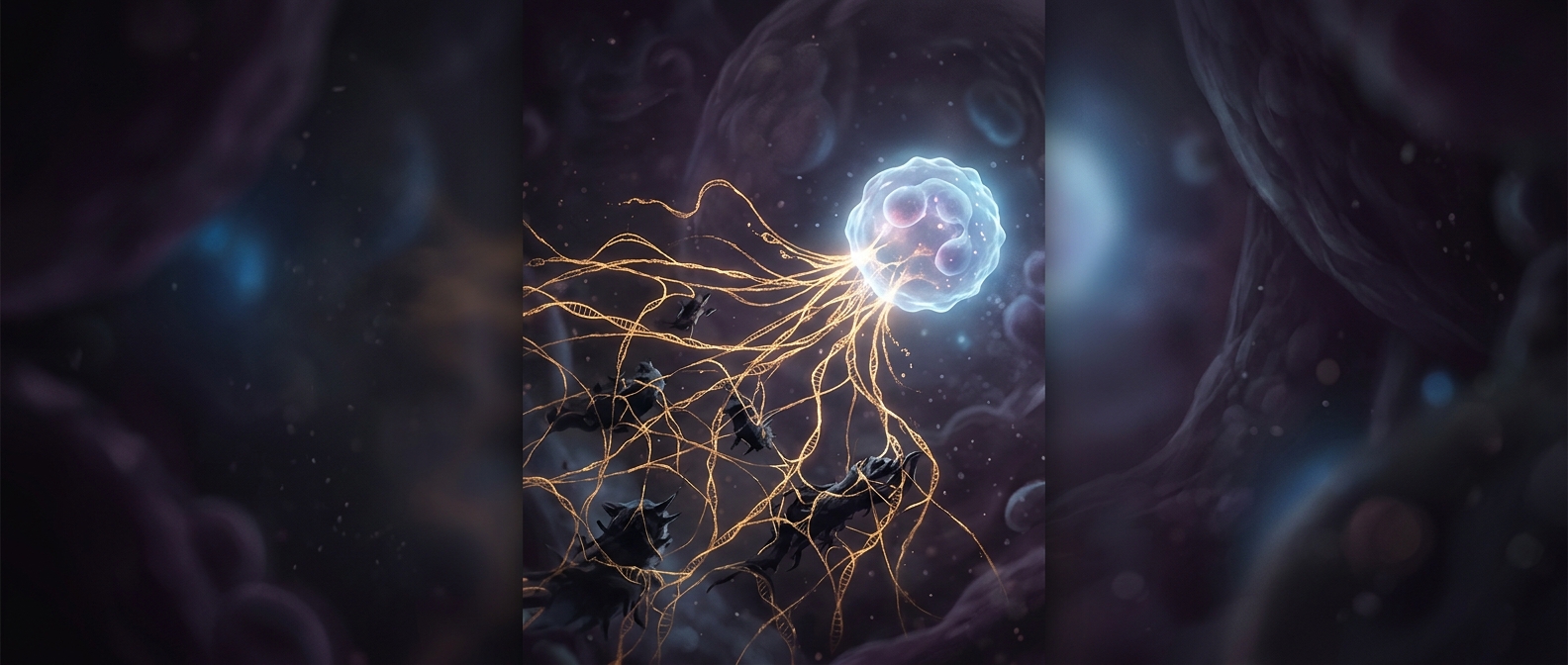
How immune cells trap bacteria in webs of DNA
Some immune defenders resort to incredibly grim tactical decisions. When completely overwhelmed, these suicidal cells aggressively eject their own unspooled…
Discover more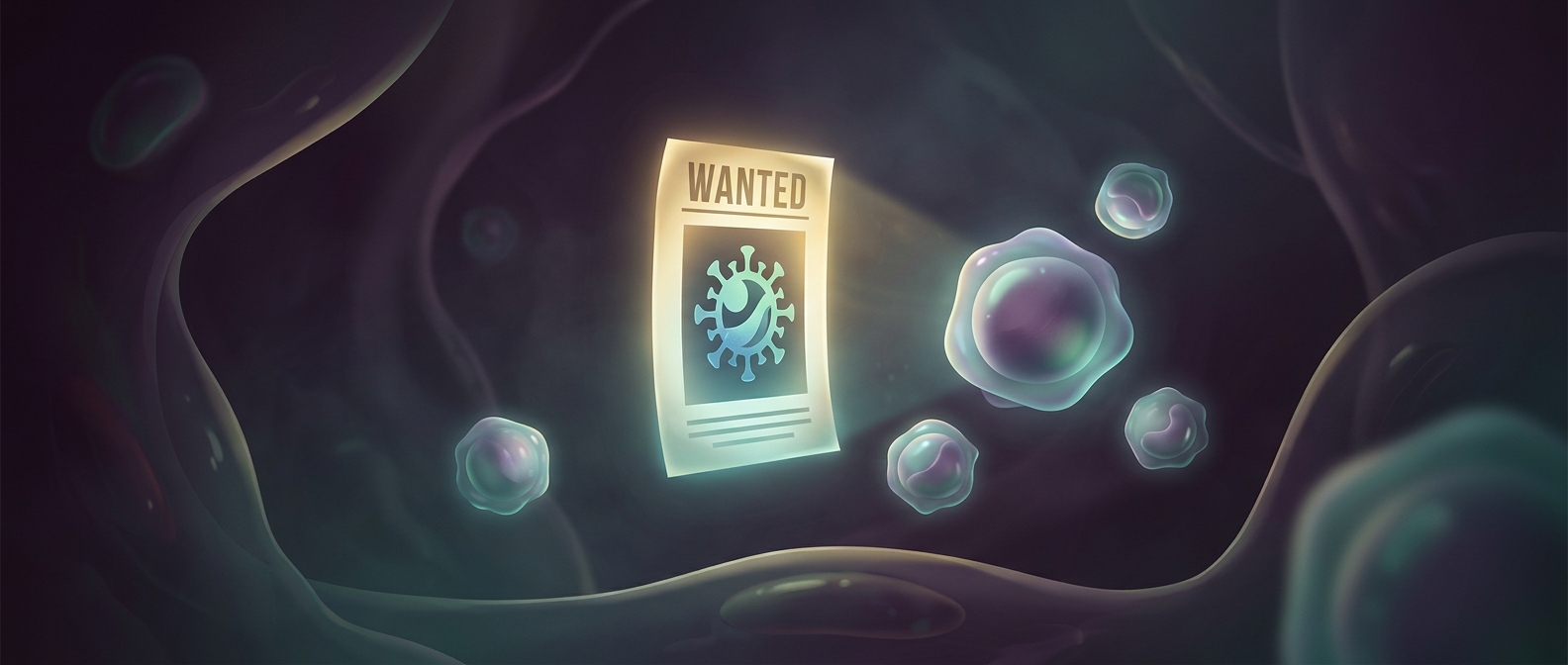
How vaccines teach your immune system to spot danger
Inoculation is essentially a biological training dummy. By introducing a dead or shattered piece of a pathogen, your immune network gets to study the enemy's…
Discover more
Lactic acid is fuel, not just workout burn
For decades, fitness gurus blamed this compound for the burn you feel after a workout. In reality, your cellular engines rapidly recycle it as a fast-acting…
Discover more
Warts are strictly benign tumors caused by HPV
That annoying bump on your knee is technically a tiny, localized tumor. Human Papillomavirus hijacks the surface cells, aggressively forcing them into…
Discover more