Health
Discover facts about health. Small discoveries that change the way you see familiar things.
Health

Albinism results from zero pigment production
Melanin is made by specialized skin cells, and genetic changes can disrupt that production. In albinism, the result is less pigment than usual—not necessarily…
Discover more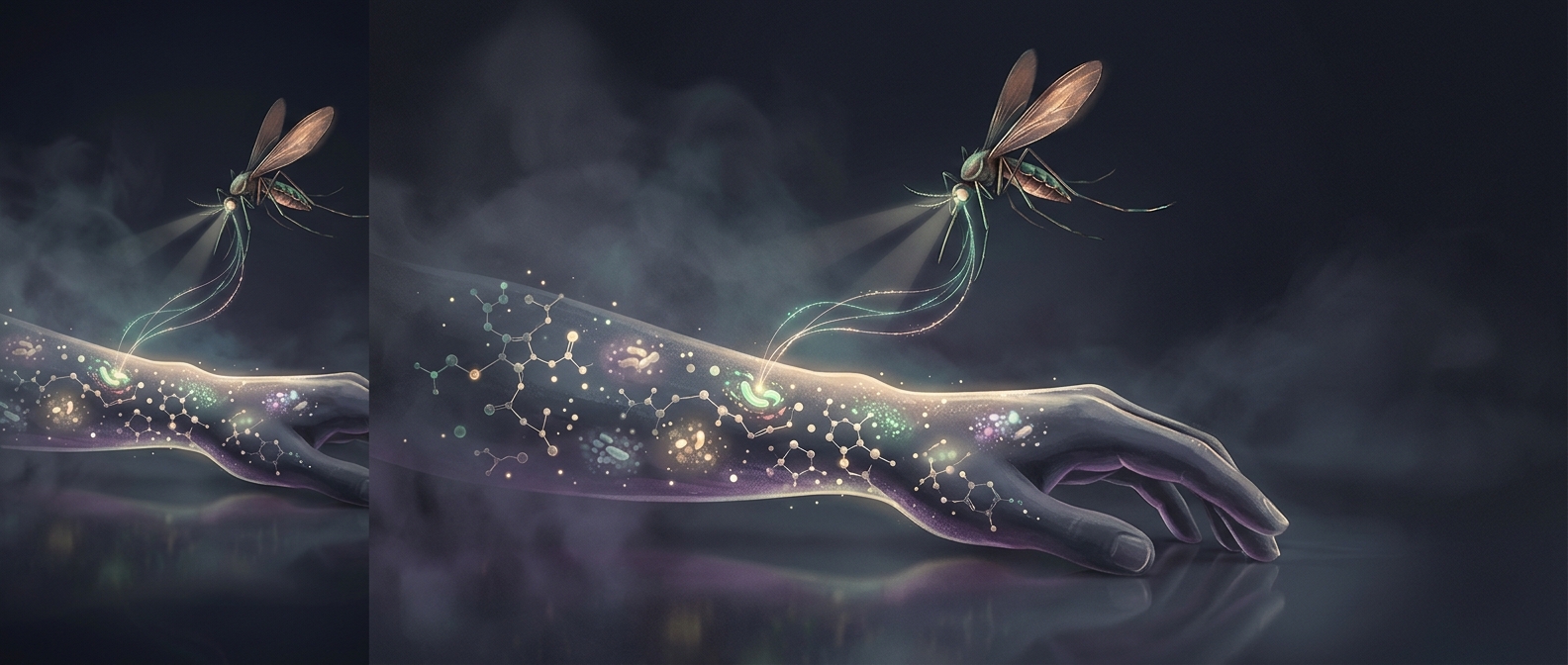
Why mosquitoes prefer some people
Bacteria living on your skin release odor molecules, and mosquitoes use chemical cues to choose where to land. Differences in those skin scents can make one…
Discover more
What a year in space does to your genes
NASA's Twins Study compared Scott Kelly's year in space with his identical twin Mark on Earth. Some changes involved gene expression—which instructions cells…
Discover more
Reproductive cycles cause internal temperature spikes
After ovulation, progesterone can nudge the brain’s temperature-setting system upward. Your baseline core temperature may rise by nearly a degree—not because…
Discover more
Why you get itchier just before bed
In the evening, your body releases heat through the skin, and the skin’s surface can become a little more permeable. That can irritate nearby nerve endings,…
Discover more
Why your brain stays partly awake in a new place
On the first night in an unfamiliar place, one brain hemisphere may stay more alert to sounds—a phenomenon known as the first-night effect. With part of the…
Discover more STACKY FOR IPHONE
A bigger world.
One discovery
at a time.
Keep discovering with Stacky. Interesting facts in an app that is always within reach.

A fetal hormone helps explain pregnancy sickness
Research links nausea and vomiting in pregnancy to GDF15, much of it produced by the developing pregnancy. How strongly the mother reacts also depends on her…
Discover more
Hormonal changes can turn sleep into a moving target
Pregnancy and menopause can disrupt sleep, helping explain why insomnia is more common in women. The challenge is not a universal extra number of minutes: the…
Discover more
Why almost all of your gas is odorless
Most gas slips by the nose unnoticed because it is odorless. A tiny amount of sulfur-based compounds is enough to make the difference between silent chemistry…
Discover more
Inflammatory responses act as biological flare guns
After tissue is injured, chemical signals widen nearby blood vessels and make their walls leakier. More blood and fluid reach the area, bringing immune cells…
Discover more
Earwax is your ear's sticky security system
Glands in the ear canal produce a waxy secretion that traps dust and other debris and protects the delicate skin. It normally works its way outward on its…
Discover more
Why some intestinal gas can catch fire
Certain microbes in the gut release hydrogen or methane as they ferment food. Both gases are flammable, though gas only catches fire when the mixture and…
Discover more
Why reproductive tissue sometimes grows outside the uterus
Endometriosis involves tissue similar to the uterine lining growing elsewhere in the pelvis. It can respond to the same monthly hormonal shifts, triggering…
Discover more
Airway vibrations cause massive acoustic disruptions
Snoring starts when relaxed airway tissue vibrates against nearby tissue as air moves past. The tissue is doing a tiny, repeated flap with every breath, and…
Discover more
Your urge to breathe starts with waste gas
The brain monitors carbon dioxide in the blood and responds when levels rise, prompting you to breathe. That’s why the urge can build even when the air around…
Discover more
Nightmares simulate threats while you sleep
One theory is that nightmares let the brain rehearse responses to danger while you sleep. The dream feels frightening, but the threat is simulated, so the…
Discover more
Testosterone rapidly thickens vocal cords during puberty
Testosterone helps the vocal folds grow longer and thicker during puberty, which lowers the voice. Their growth can be uneven from moment to moment, so a…
Discover more
A study detected a subtle voice change near ovulation
Researchers recording 69 women found higher pitch in spoken sentences during the high-fertility part of the cycle. They did not find the same change in…
Discover more
Passing gas 20 times a day is normal
Gas comes from swallowed air and from gut bacteria breaking down food your body did not fully digest. Most people pass it about 14 to 23 times a day, so 20 is…
Discover more
Pregnancy can leave a lasting change in the shape of a foot
A University of Iowa study measured women early in pregnancy and again about five months after childbirth. Many had lower arches and increased foot length…
Discover more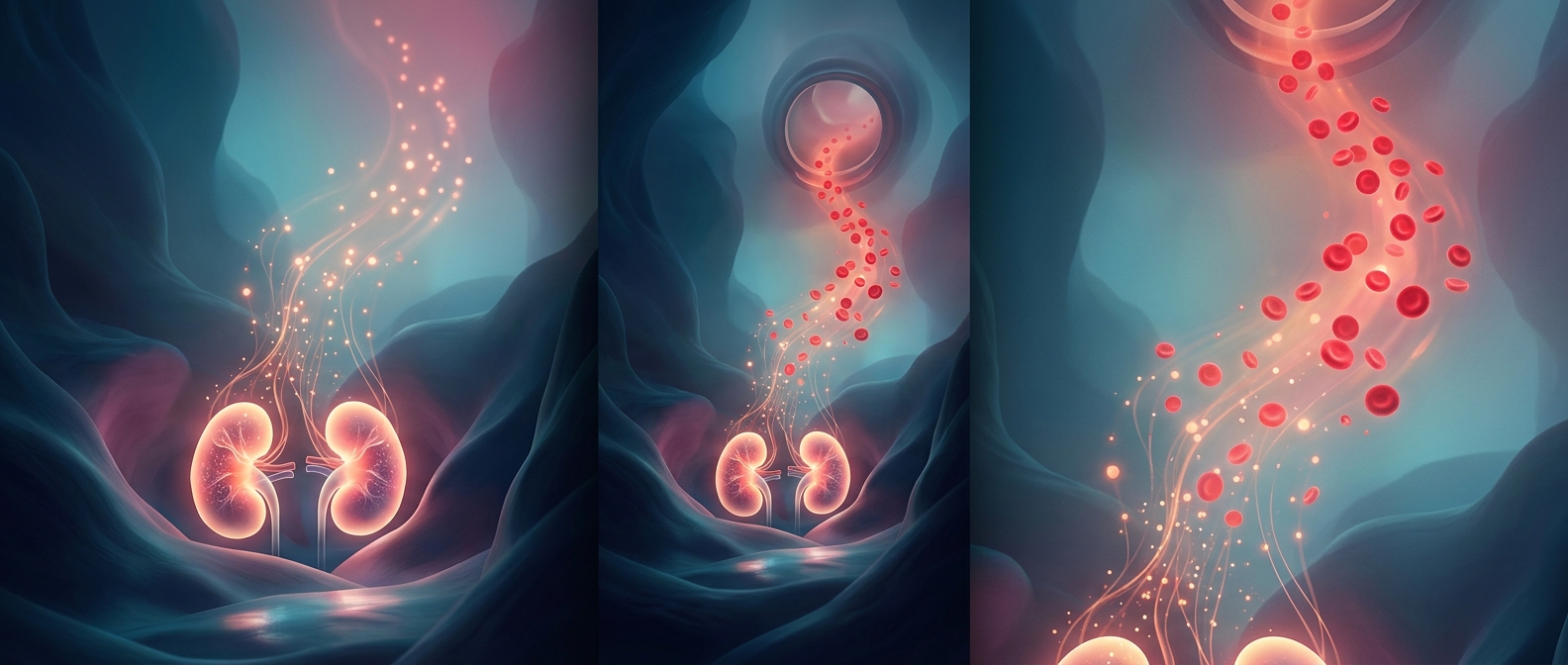
Kidneys release hormones to stimulate red blood production
When the kidneys sense that the blood is carrying too little oxygen, they release a hormone that tells the bone marrow to make more red blood cells. Those…
Discover more
Your fingernails are made of horse-hoof protein
Both fingernails and horse hooves are built from keratin, a tough protein that forms protective structures. In a horse, it takes the pounding of hard ground;…
Discover more
Night owls operate on a delayed internal clock
A night owl’s internal clock can run later, shifting the body’s usual timing for sleep and wakefulness. An early alarm may arrive while that clock still…
Discover more
Your phone can turn a toilet visit into extra pressure on your body
Lingering on the toilet prolongs pressure around the rectum, one reason clinicians advise keeping visits brief rather than settling in to scroll. Cleveland…
Discover more