Health
Discover facts about health. Small discoveries that change the way you see familiar things.
Health
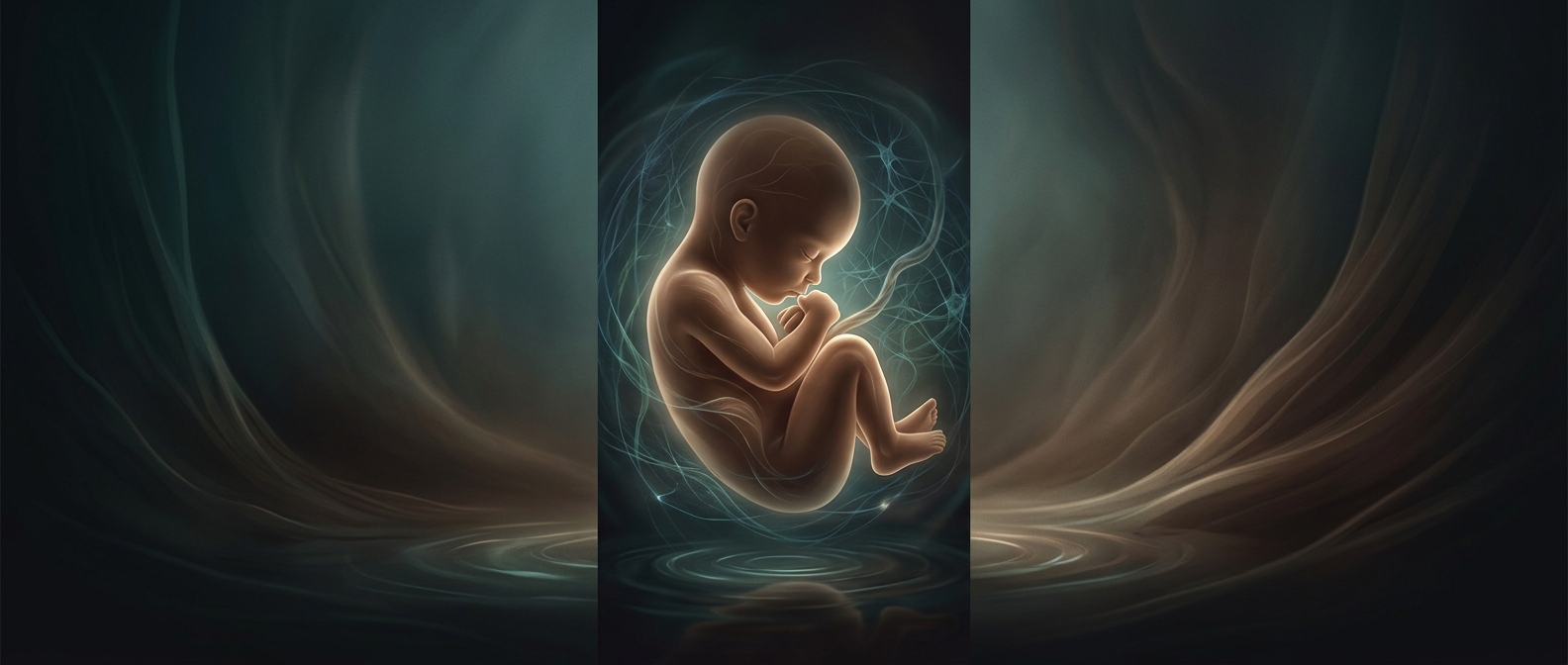
Male fetuses can have erections before birth
Ultrasounds can capture male fetuses having erections before birth. It’s an involuntary reflex, driven by automatic body signals rather than conscious…
Discover more
Ingesting certain artificial dyes turns human urine green
After large amounts of certain dyes are ingested, some can leave the body in urine and change its color. Blue mixed with the urine’s yellow tint can appear…
Discover more
Lucid dreaming takes more than just falling asleep
Lucid dreaming takes more than just falling asleep. In a lucid dream, part of your awareness catches the fact that the dream is a dream while the story keeps…
Discover more
Breast sizes wildly fluctuate during the menstrual cycle
Across the menstrual cycle, hormone shifts can change how much fluid the body retains and how much blood flows through breast tissue. That extra fluid and…
Discover more
Why male bodies make estrogen every day
Male bodies convert some testosterone into estrogen using an enzyme called aromatase. Estrogen isn’t exclusive to female bodies: in men, it helps support bone…
Discover more
Feces color drastically shifts based on bile processing
Green stool can happen when digestion moves its contents along quickly. Bile pigments have less time to change color on the way through, so some of their…
Discover more STACKY FOR IPHONE
A bigger world.
One discovery
at a time.
Keep discovering with Stacky. Interesting facts in an app that is always within reach.
Why your belly-button lint is often blue
The blue tint usually isn’t coming from your skin: it’s fibers from clothing gathering in your navel. Denim and cotton shed loose threads as you move, and the…
Discover more
Prostate fluid accounts for thirty percent of total semen
The prostate contributes nearly one-third of semen’s fluid. One job of that liquid is to help counter acidity in the reproductive tract, so semen is not just…
Discover more
Skin thickness changes with sex, age, and where you measure
Studies often find thicker skin in men at comparable sites, but there isn't one percentage that describes every person's entire body. The deeper connective…
Discover more
Wet skin loses some of its defenses
Prolonged contact with moisture can weaken the skin's protective barrier, while urine, stool and friction add irritation. That helps explain why a wet diaper…
Discover more
Why silent gas can smell worse
Odor comes from the gas’s chemical contents: sulfur-containing gases, including hydrogen sulfide, can have a rotten-egg smell. The sound comes from gas moving…
Discover more
Your pancreas makes enzymes powerful enough to digest it
The pancreas releases enzymes that break down fats and proteins, but they are meant to do that work in the digestive tract. If digestive enzymes activate too…
Discover more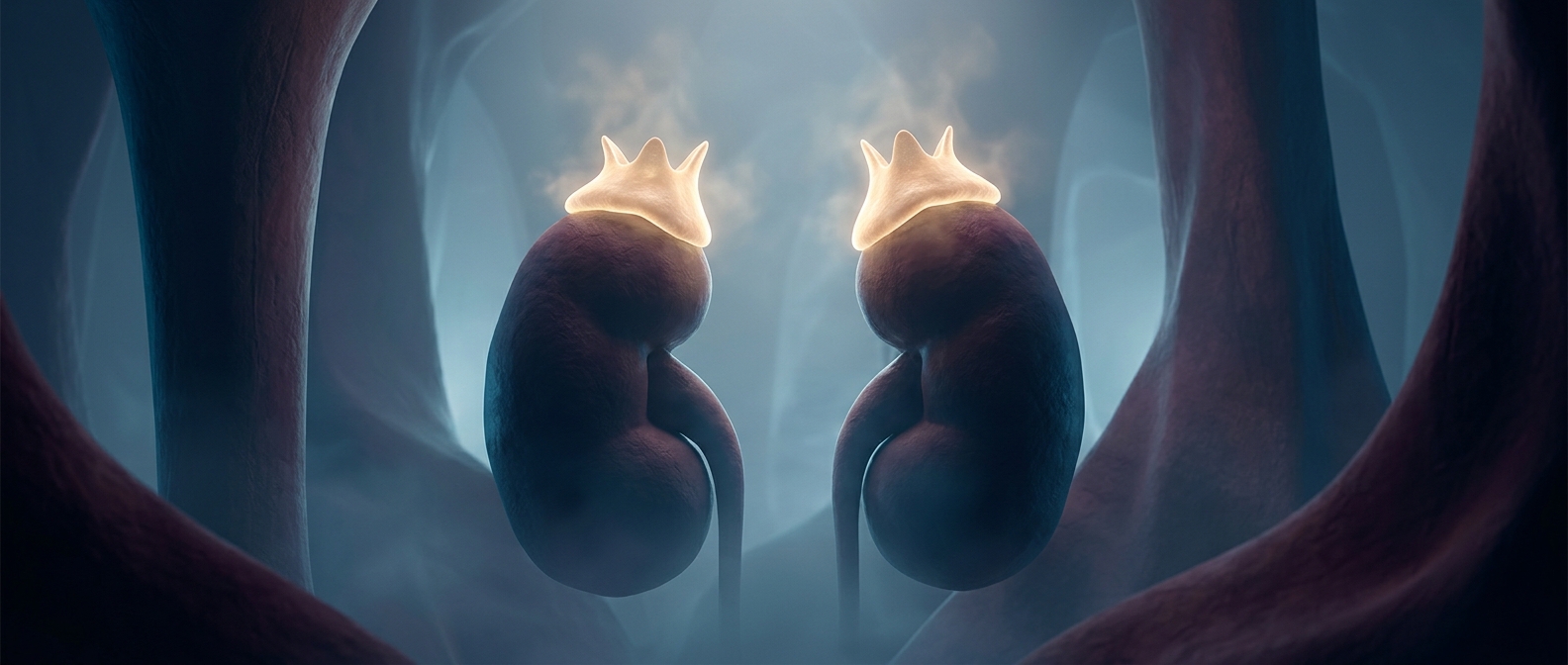
Adrenal glands sit directly on top of both human kidneys
Each kidney has a small triangular adrenal gland sitting on top of it. These glands release hormones involved in stress responses, so the familiar…
Discover more
Why dreams make absurd things feel normal
During a dream, the brain can keep producing images and emotions while its fact-checking is dialed down. That is why an impossible scene can feel ordinary…
Discover more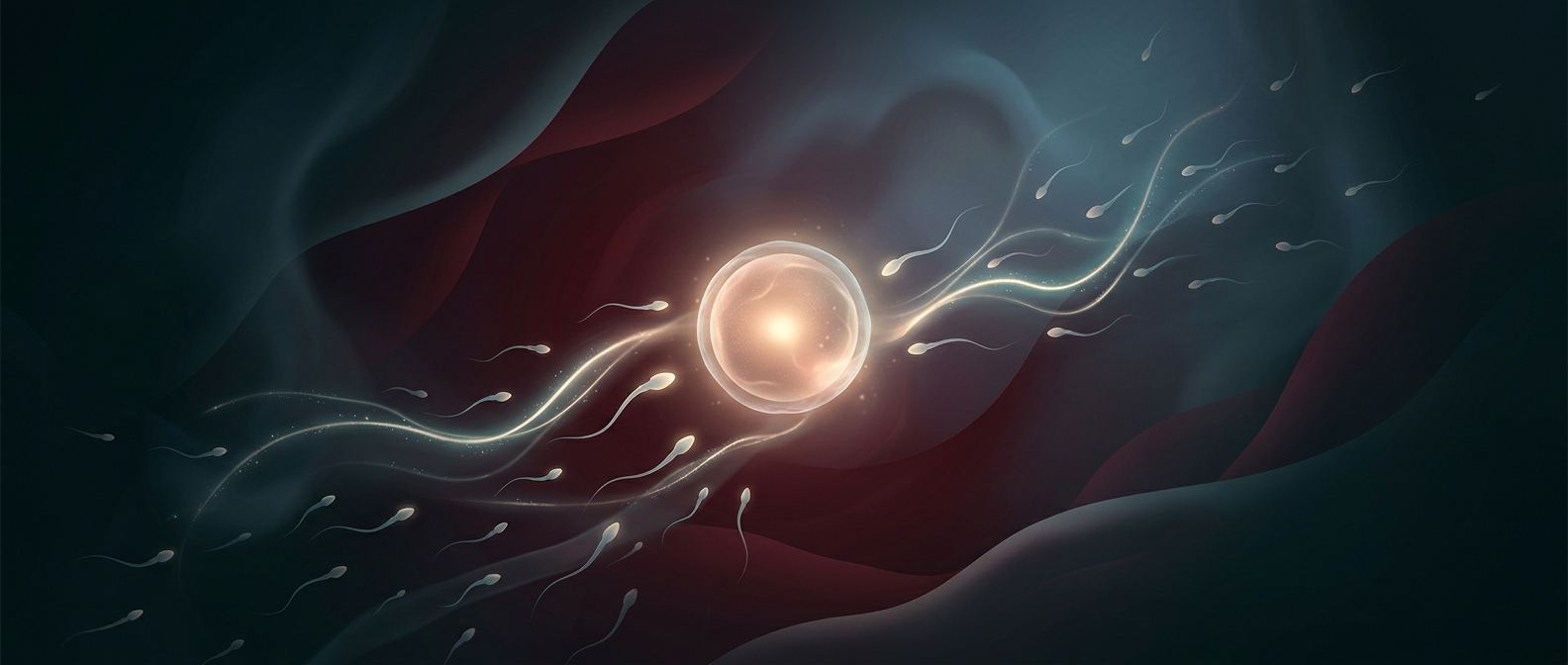
Fertilization involves more than a sperm race
In a 2020 laboratory study, fluid surrounding human eggs attracted sperm differently depending on the man and woman involved. The strongest response was not…
Discover more
Why nipples can harden without touch
Small smooth muscles in the nipple can tighten when cold, adrenaline, or strong emotion activates them. Their contraction pulls the nipple upright, so touch…
Discover more
Carbon makes up roughly a fifth of your body
It appears in the frameworks of proteins, fats, carbohydrates, and DNA. Oxygen contributes more of the body's mass, largely because we contain so much water,…
Discover more
How much of your body is actually blood
Blood is only part of your body's total mass, even though it continually travels through nearly every region. At about 7–8% of body weight, it would weigh…
Discover more
Men can lactate under extreme conditions
In rare extreme conditions, hormonal changes can raise prolactin, the hormone that signals the mammary glands to make milk. Men have mammary glands too, so…
Discover more
Medical records have a code for Type A behavior
The code records a behavior pattern, not a disease: “Type A” describes traits such as being highly competitive or wound tight. A code can help classify what…
Discover more
Modern triage began as a wartime system
French officers created triage to answer a grim practical question: with limited help and many wounded people, who needs attention first? That method of…
Discover more
There’s a medical code for walking into a lamppost
Medical coding gets very specific about how an injury happened, including a collision with a lamppost or another object that was not moving. Somewhere,…
Discover more
There’s a medical code for aggressive turkey pecks
A doctor can use a specific code to document an injury caused by a turkey peck. It lets the medical record describe the oddly precise cause of the wound for…
Discover more
Even sea lion bites have their own code
Medical coders have a dedicated code sequence for a sea lion bite. That means an injury from an animal you are unlikely to meet at the doctor's office still…
Discover more