Health
Discover facts about health. Small discoveries that change the way you see familiar things.
Health
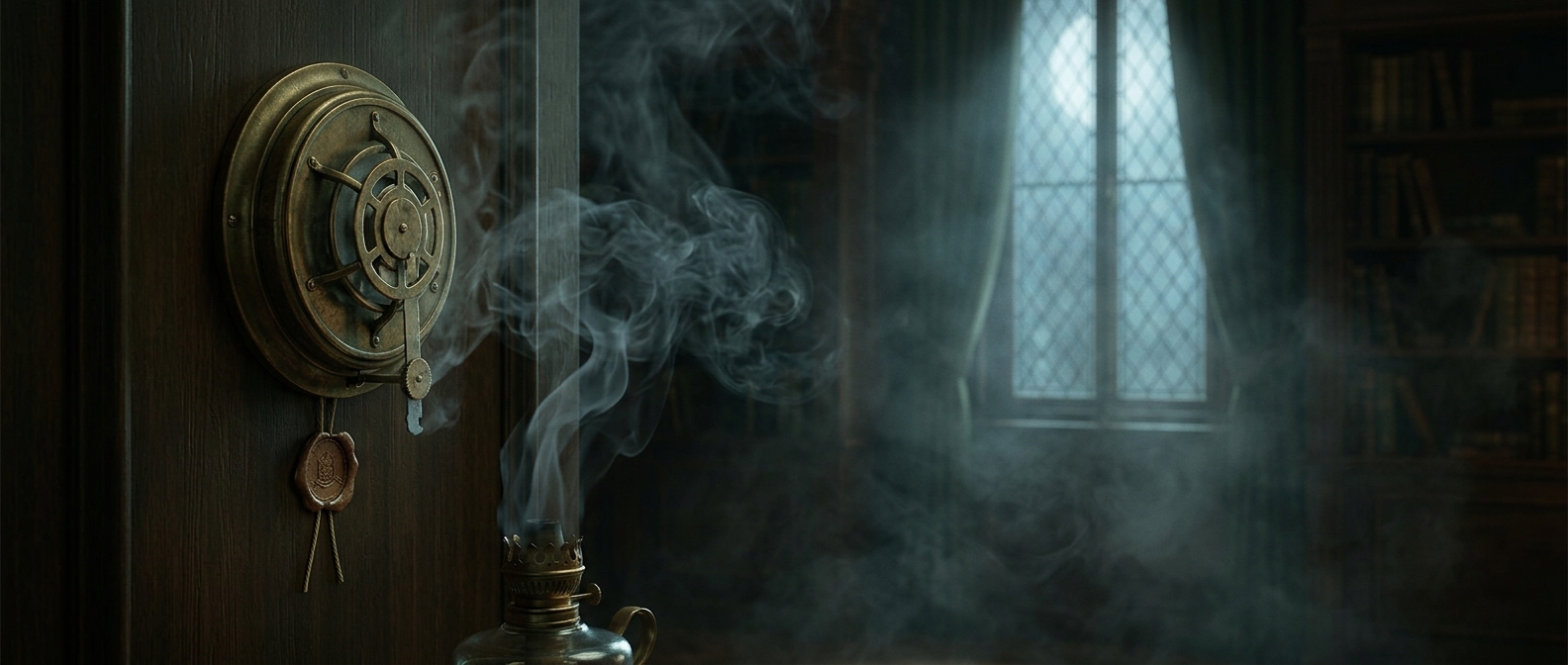
Early fire alarms waited for the room to heat up
The first fire detectors waited for heat to build up in a room before sounding an alarm. Patented in the 1890s, they could warn of dangerous temperatures—but…
Discover more
Why pumice stones are born in volcanoes
Pumice starts as gas-rich volcanic rock. When it erupts and cools quickly, bubbles get trapped in the hardening material; the bubbles leave holes, making the…
Discover more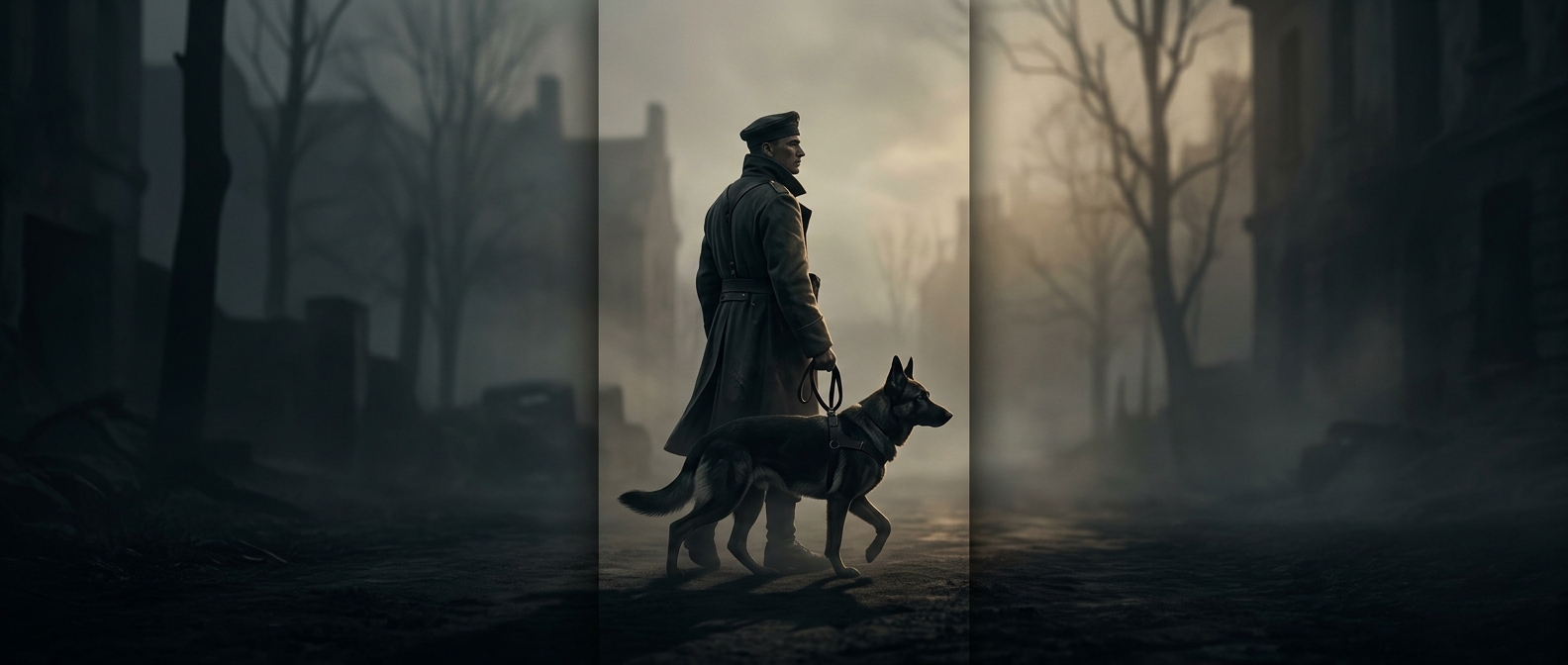
The war that led to modern guide dogs
After World War I, Germany opened organized schools to train guide dogs for blinded veterans. Trainers taught dogs to help their handlers navigate obstacles…
Discover more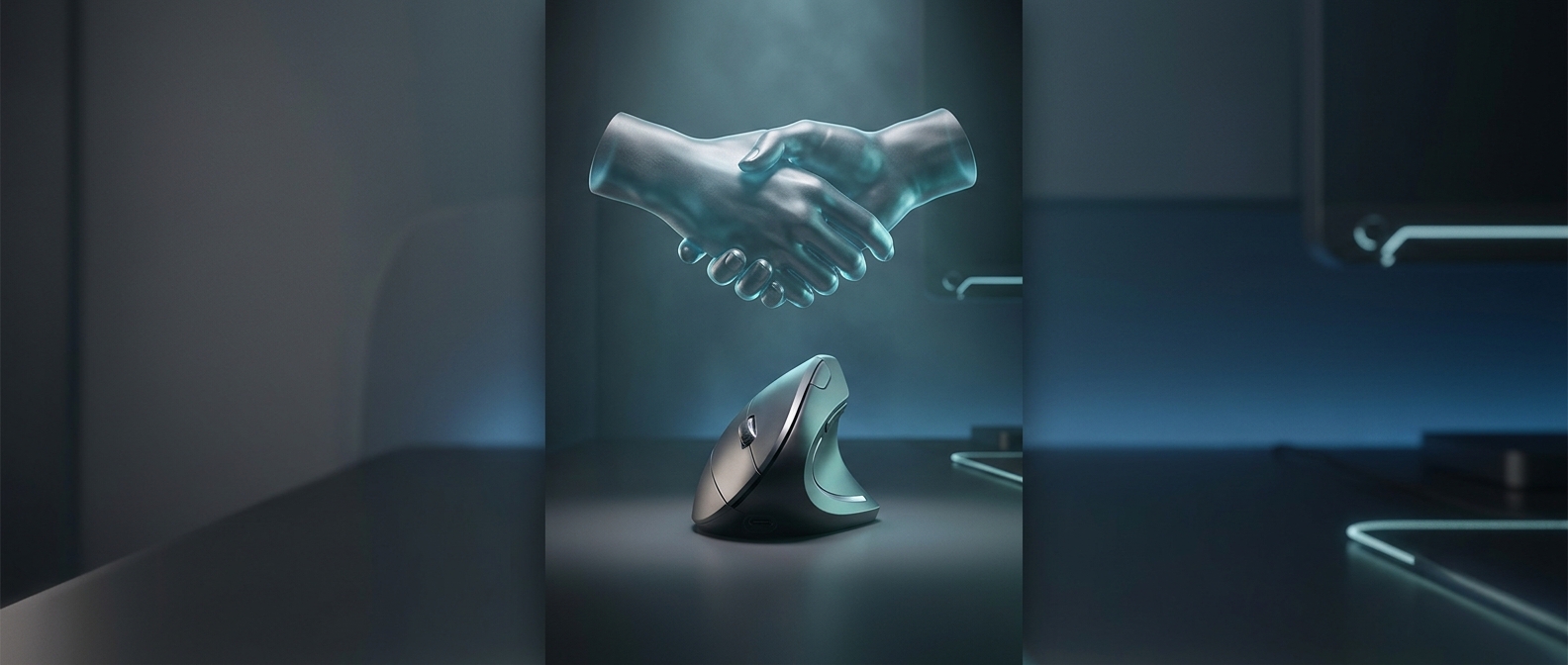
Vertical computer mice force a weird handshake grip
A handshake grip keeps your forearm closer to its neutral position; a conventional mouse asks it to rotate palm-down. A vertical mouse changes that angle,…
Discover more
An eye chart makes each letter a measured visual task
The symbols are designed with controlled shapes, sizes, and spacing so an examiner can compare what a person resolves at a known distance. Modern charts also…
Discover more
A cosmetic cotton puff can contain more than cotton
Some pads combine cotton with rayon or polyester to change their strength, absorbency, and tendency to shed fibers. MUJI, for example, lists such a blend in…
Discover more STACKY FOR IPHONE
A bigger world.
One discovery
at a time.
Keep discovering with Stacky. Interesting facts in an app that is always within reach.
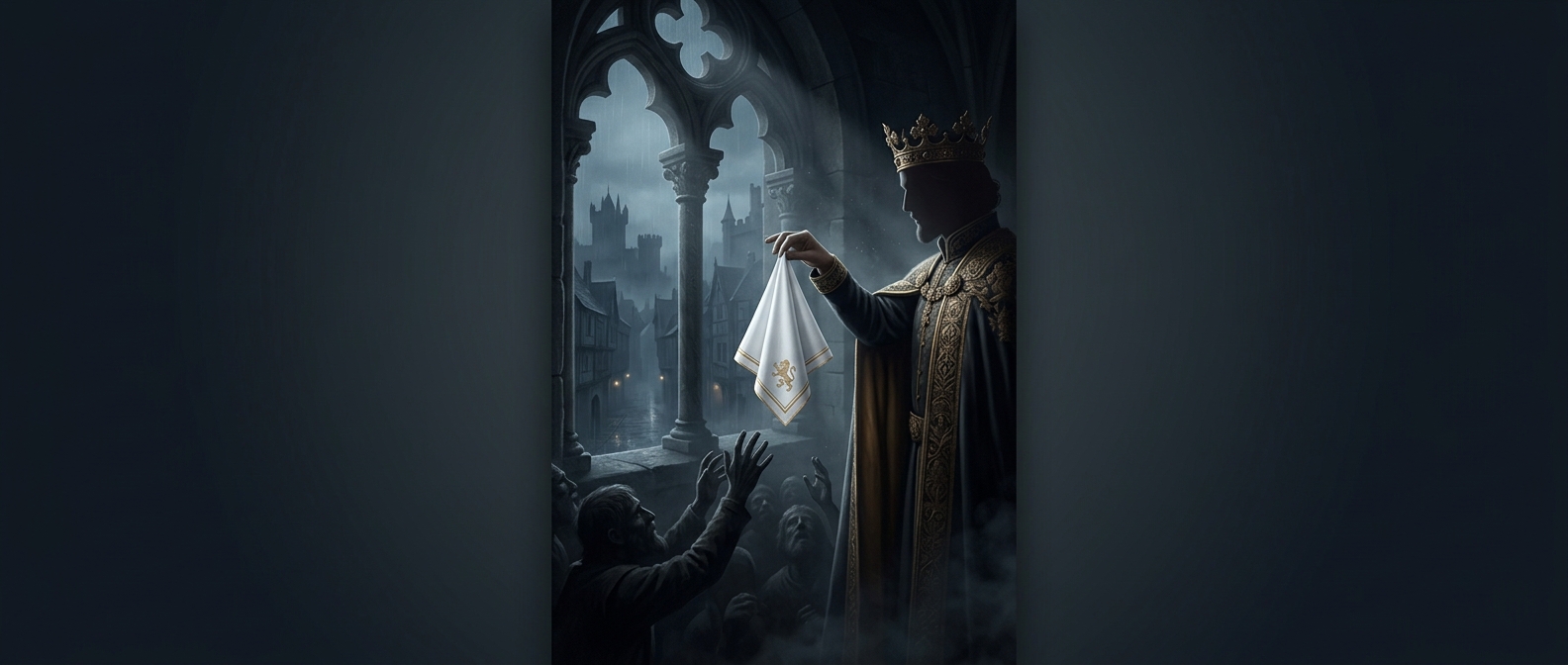
The royal nose wipe that became formalwear
King Richard II is credited with asking tailors to make small cloth squares for wiping his nose. What began as a practical personal accessory later became…
Discover more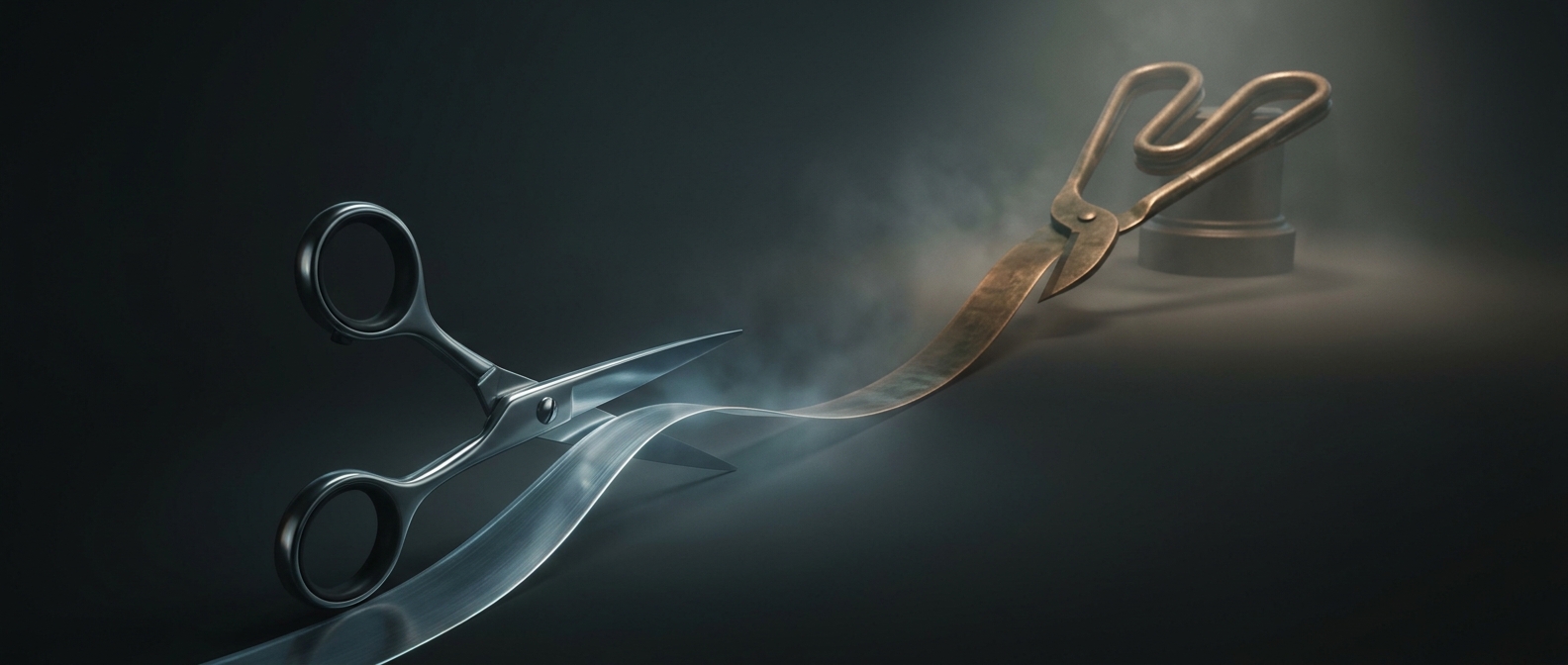
Scissors began with bronze springs
The earliest scissors worked like spring-loaded tongs: two bronze blades were joined by a stiff C-shaped bend. Squeezing the handles brought the blades…
Discover more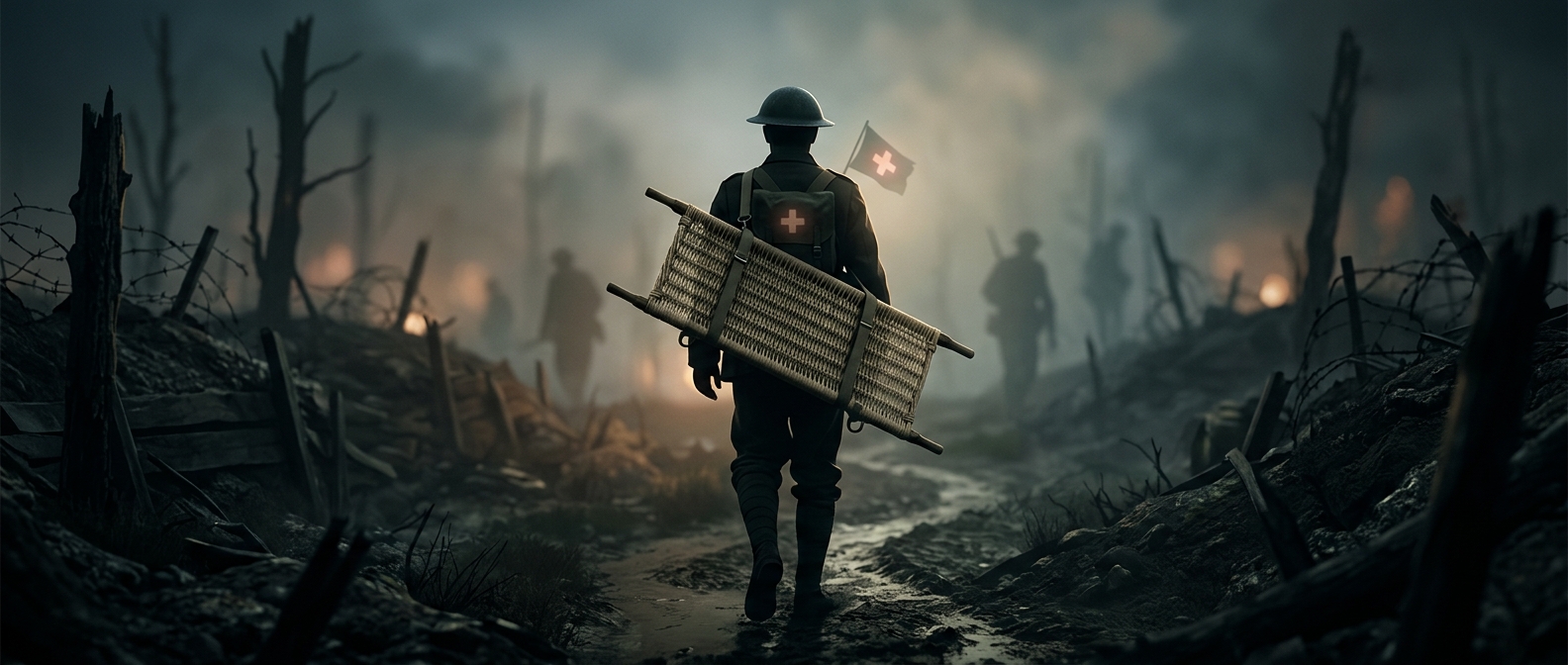
World War I stretchers were giant wicker baskets
The wicker baskets were light and available, but deep mud changed the job: a large, rigid basket was difficult to maneuver through it. A stretcher that worked…
Discover more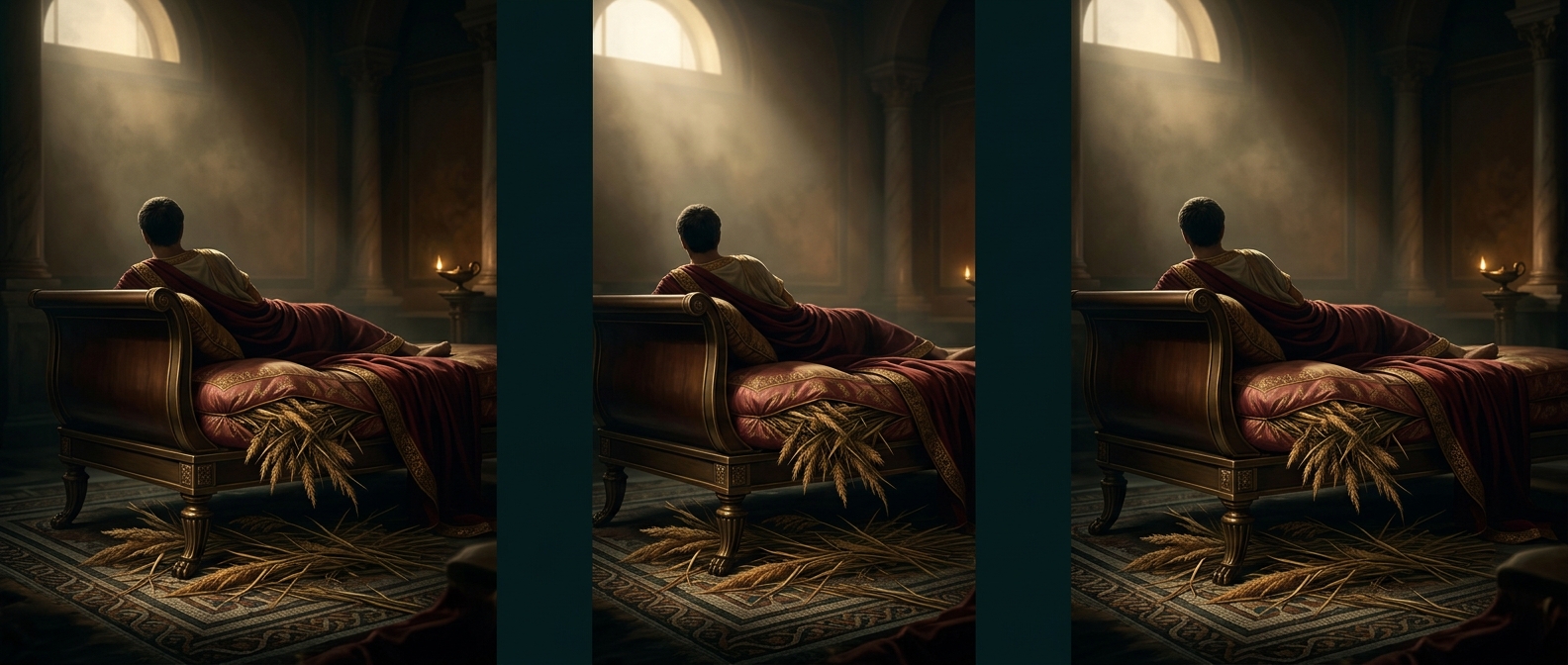
Why wealthy Romans stuffed mattresses with reeds
Wealthy Romans filled cloth mattresses with softer reeds and raw wool, while poorer sleepers made do with itchy straw. The upgrade still scratched—and the…
Discover more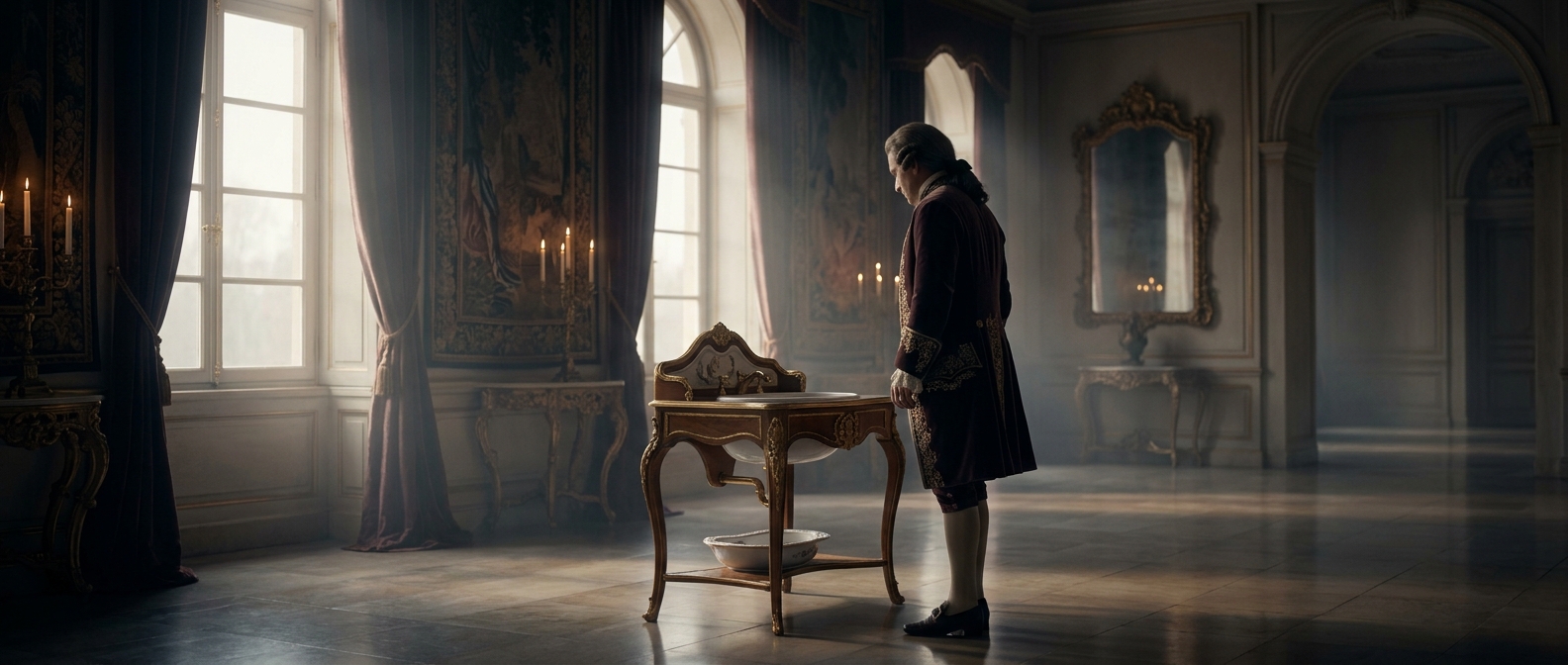
Bidets began as aristocratic furniture
The first bidets were pieces of furniture, not fixtures built into a bathroom. In 17th-century France, the wooden seat let aristocrats wash without filling…
Discover more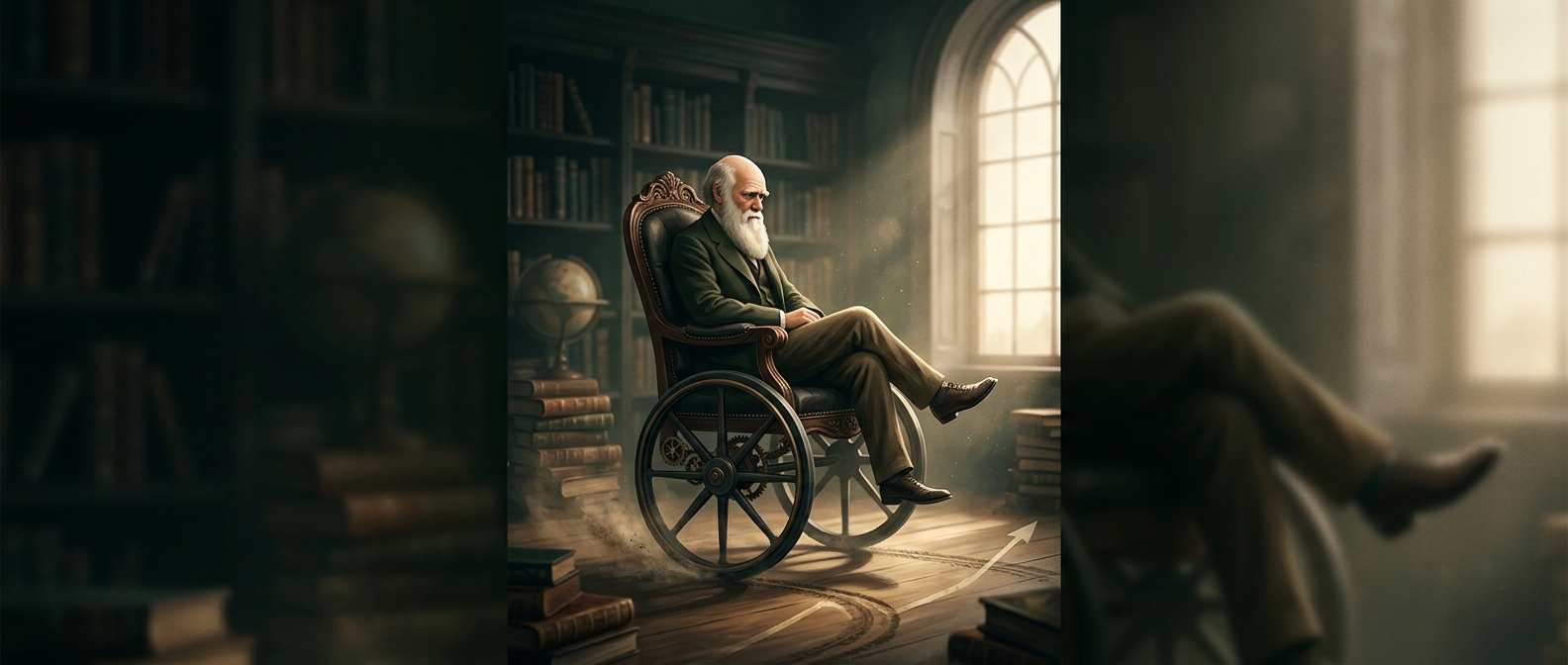
Darwin adapted his study chair to fit his own body
English Heritage says the six-foot-tall naturalist raised his chair with iron legs and wheels. The modified chair survives at Down House, where he wrote On…
Discover more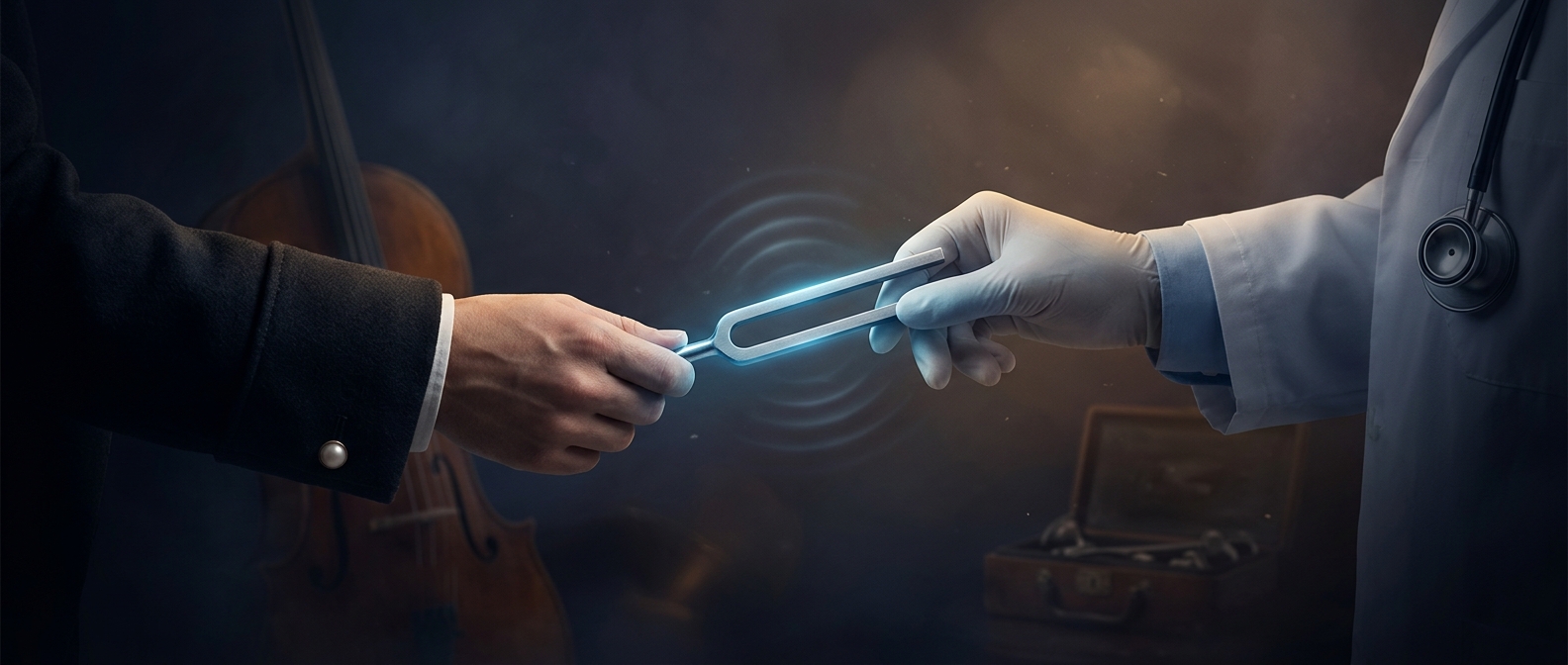
Why doctors use a musician's tuning fork
In 1711, a royal trumpeter invented the tuning fork to give musicians a steady pitch to match. Doctors later borrowed that reliable vibration: it can test…
Discover more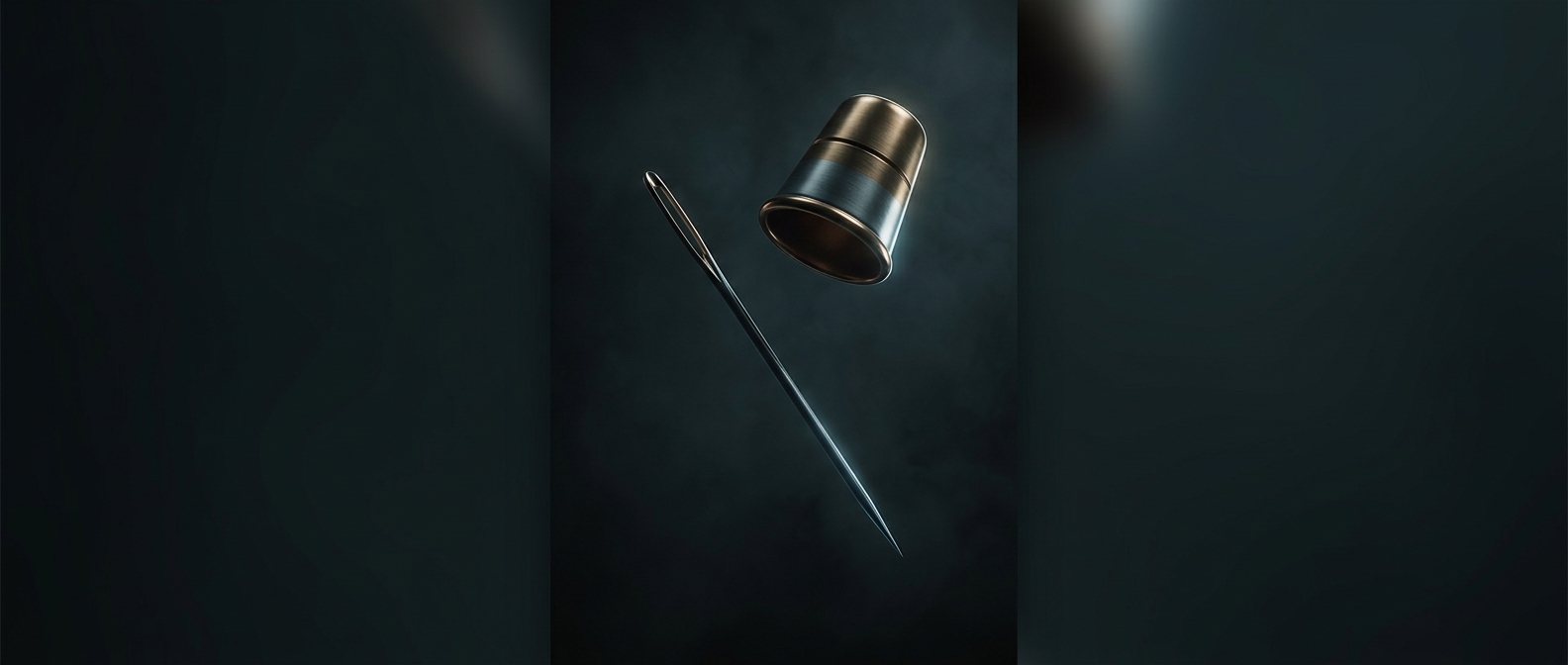
Sewing thimbles prevented horrific needle injuries
A thimble put a hard barrier between a tailor’s finger and a needle being pushed through thick leather or fabric. Instead of letting the point keep driving…
Discover more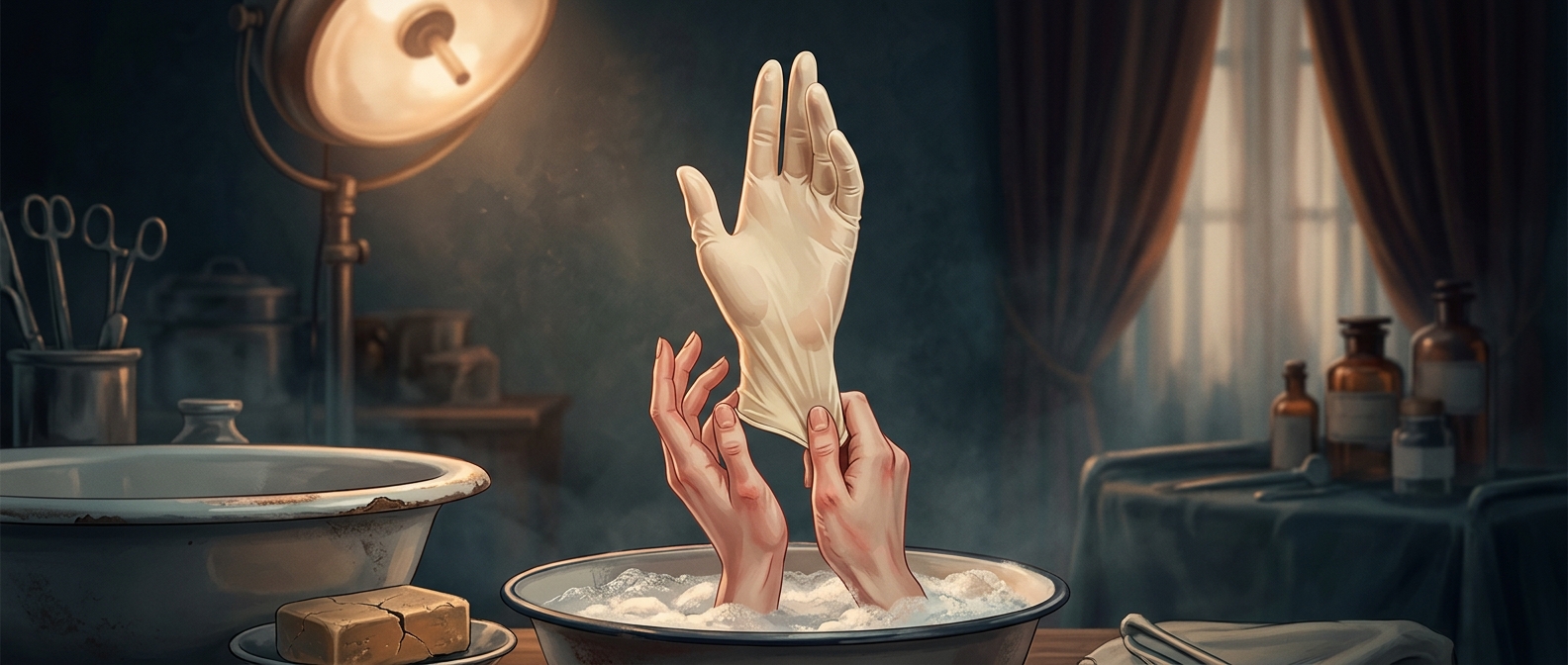
Surgical gloves began with one nurse’s rash
Harsh disinfectants were irritating the scrub nurse’s hands, so Halsted asked a rubber company to make gloves to protect them during surgery. The gloves began…
Discover more
The ancient Greeks had surprisingly modern showers
Pipes carried water above bathers in Greek gymnasiums, where it could pour down like a shower. The setup was ancient, but the sensation—water falling over you…
Discover more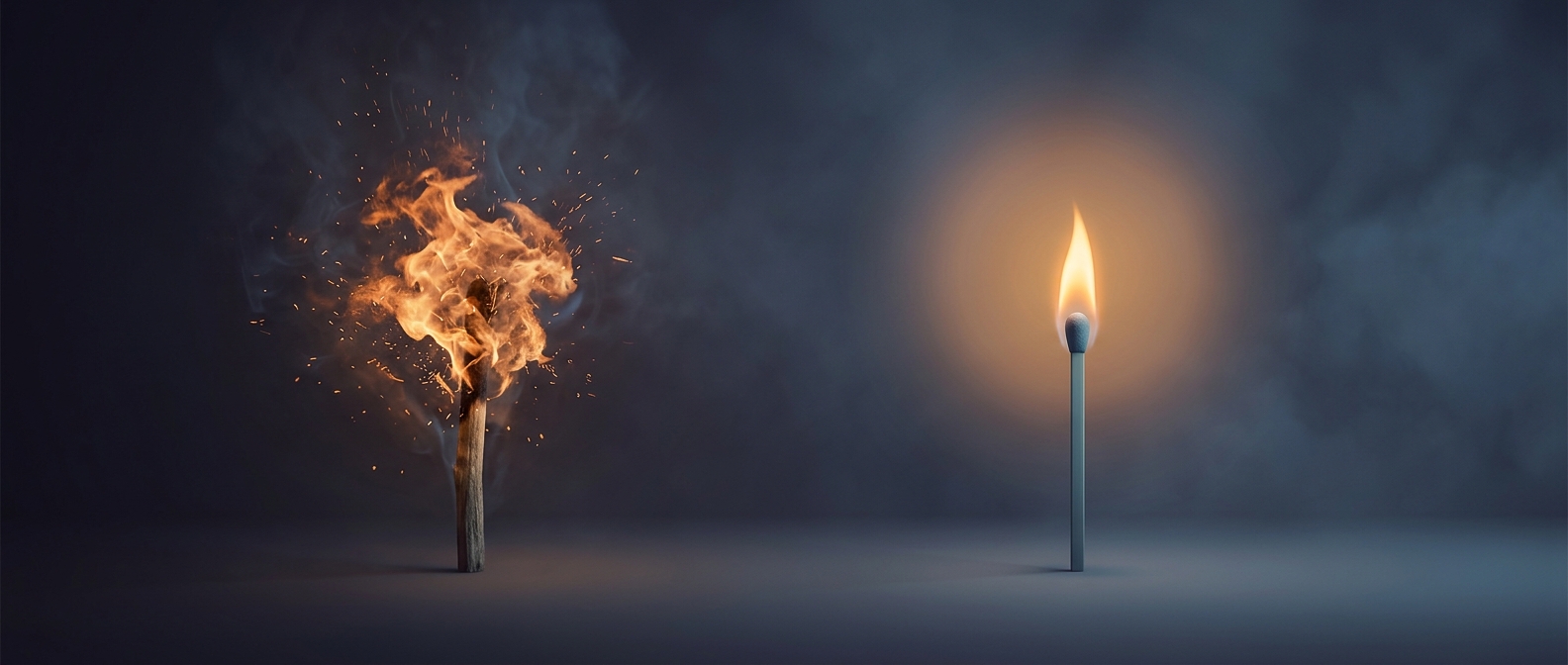
Why matchboxes moved the dangerous chemical
A match needs both friction and its striking compound to catch fire. Moving that compound onto the box separated the ingredients, making accidental pocket…
Discover more
When walking canes were status symbols
An ornate cane could announce its owner’s status before it ever supported a step. For centuries, some also hid a sword or flask inside; using canes as walking…
Discover more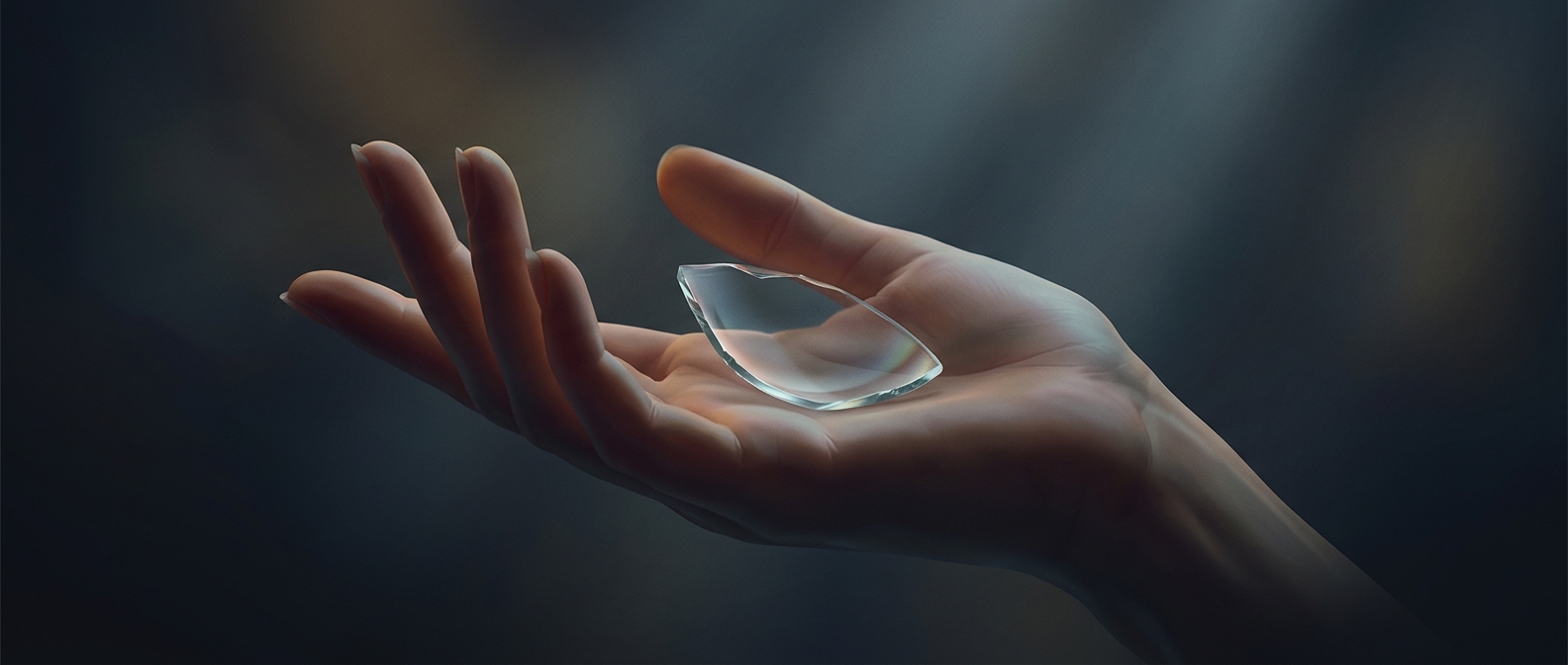
When contact lenses were made of glass
Early glass contact lenses covered nearly the whole visible front of the eye. Because the rigid glass had to sit against a sensitive surface, wearing the…
Discover more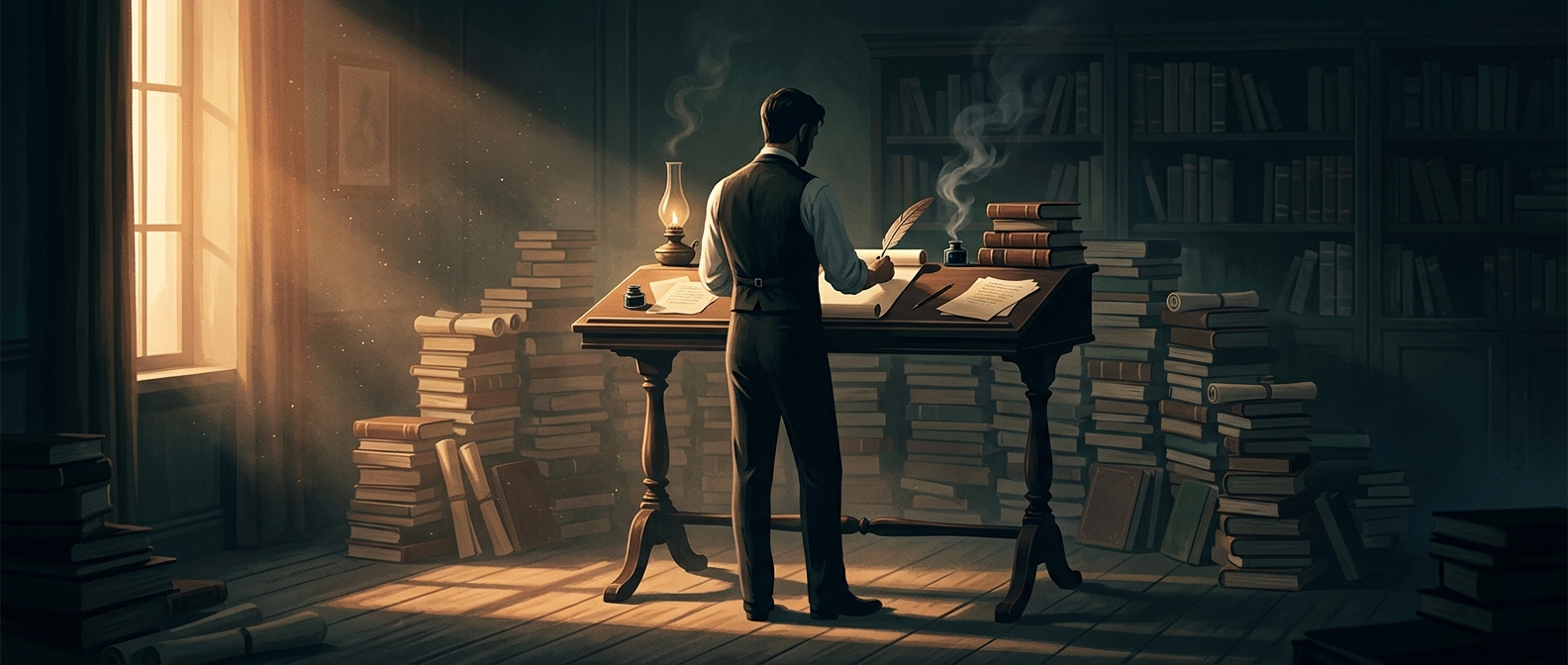
Charles Dickens wrote masterpieces at a standing desk
Standing to write was not invented by modern office designers: Charles Dickens and Ernest Hemingway both did it. Their writing routines make today’s standing…
Discover more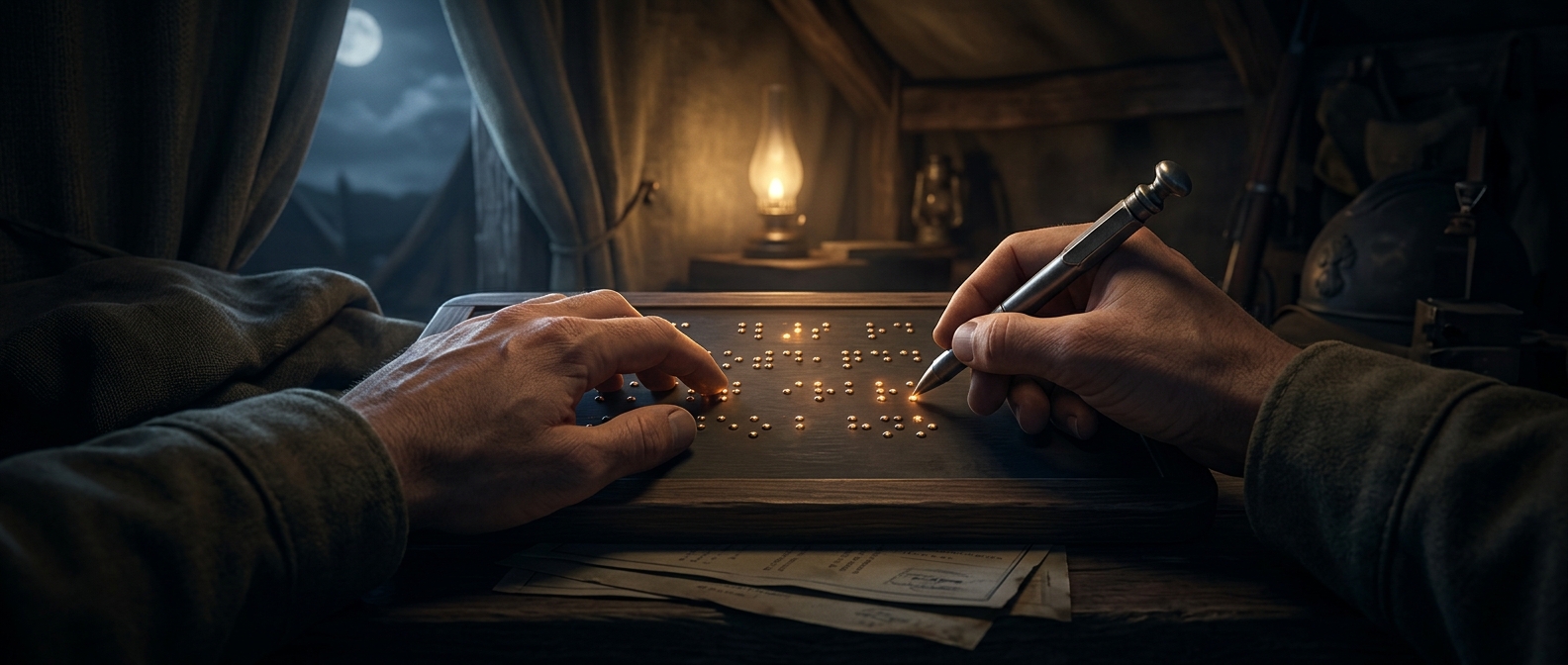
Braille began as a military system for reading in the dark
The original problem was practical: how to read a message in the dark without shining a revealing light. The military’s answer was a code of raised dots;…
Discover more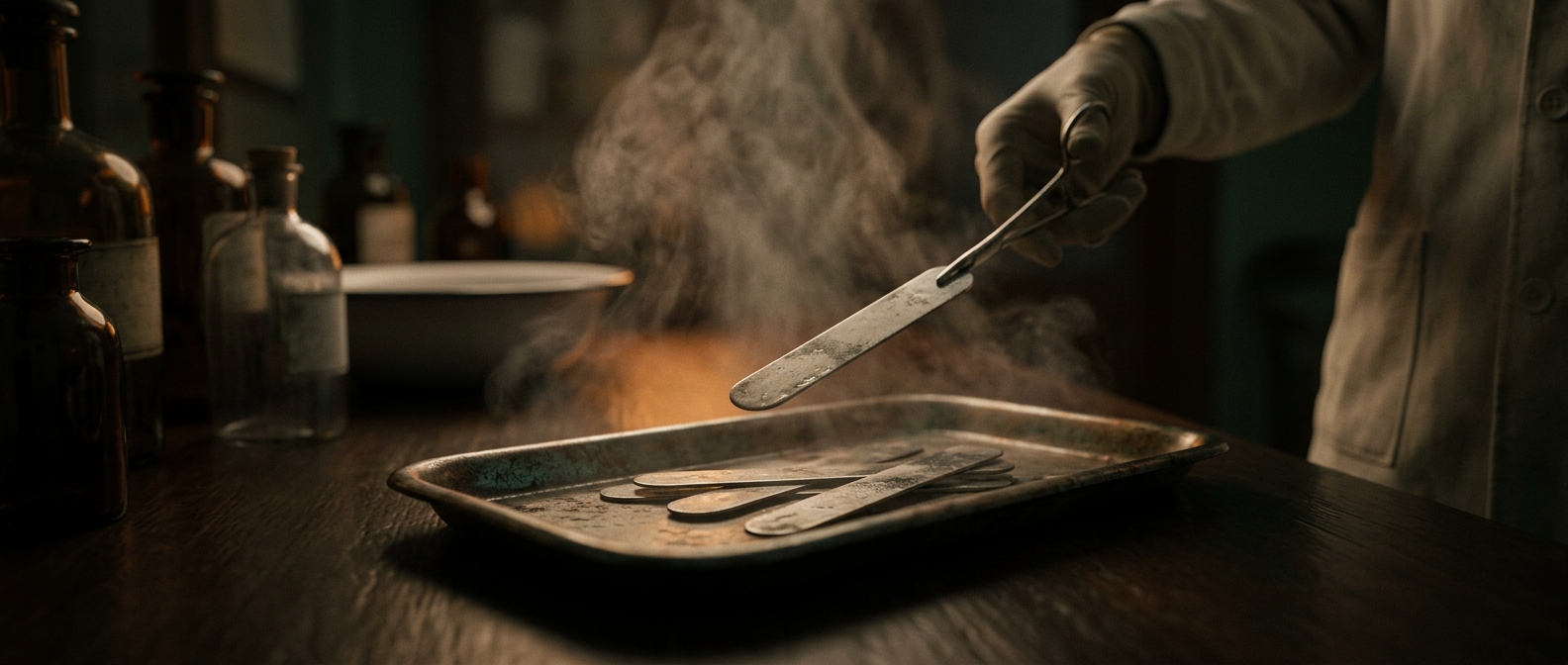
A doctor's tongue depressor could be made of glass
The Science Museum preserves a glass example from an English doctor's bag dated 1890–1930. It performs the familiar job of holding the tongue down for an…
Discover more
Why surgeons wear green instead of red
After staring at red tissue, the eyes can become less sensitive to subtle differences in red. Green is across from red on the color wheel, so looking at green…
Discover more
Why sailors wore heavy gold earrings
Sailors wore gold earrings to show wealth and mark their travels. A larger hoop could signal a more successful voyage—a tiny piece of jewelry doing the work…
Discover more