Health
Discover facts about health. Small discoveries that change the way you see familiar things.
Health
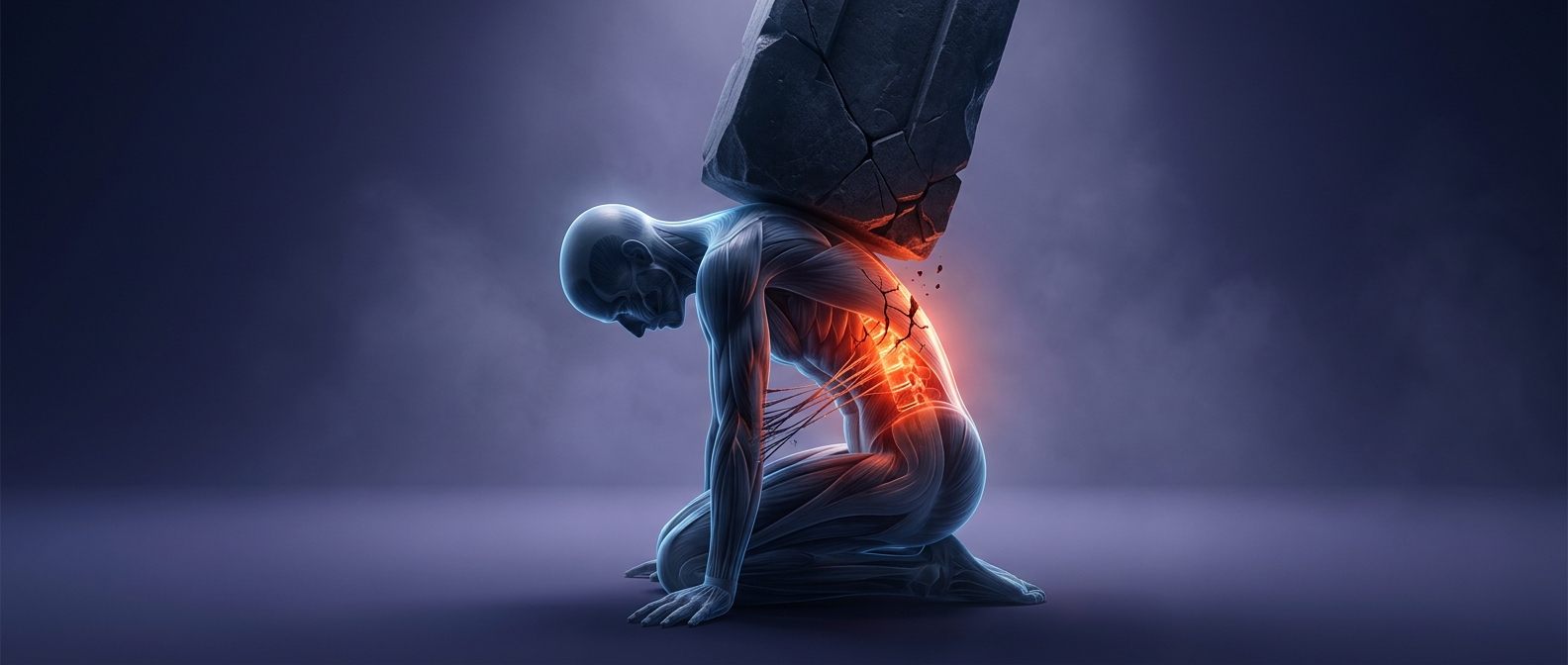
How slouching strains your spine
When you slump, your upper body’s weight sits farther out of line over your lower back. The muscles and joints there must work against that leverage, so a…
Discover more
What repetitive clicking can do to your hand
Each click is a small motion, but thousands of repetitions can irritate tendons and other tissues in the hand. When those tissues get sore, an ordinary…
Discover more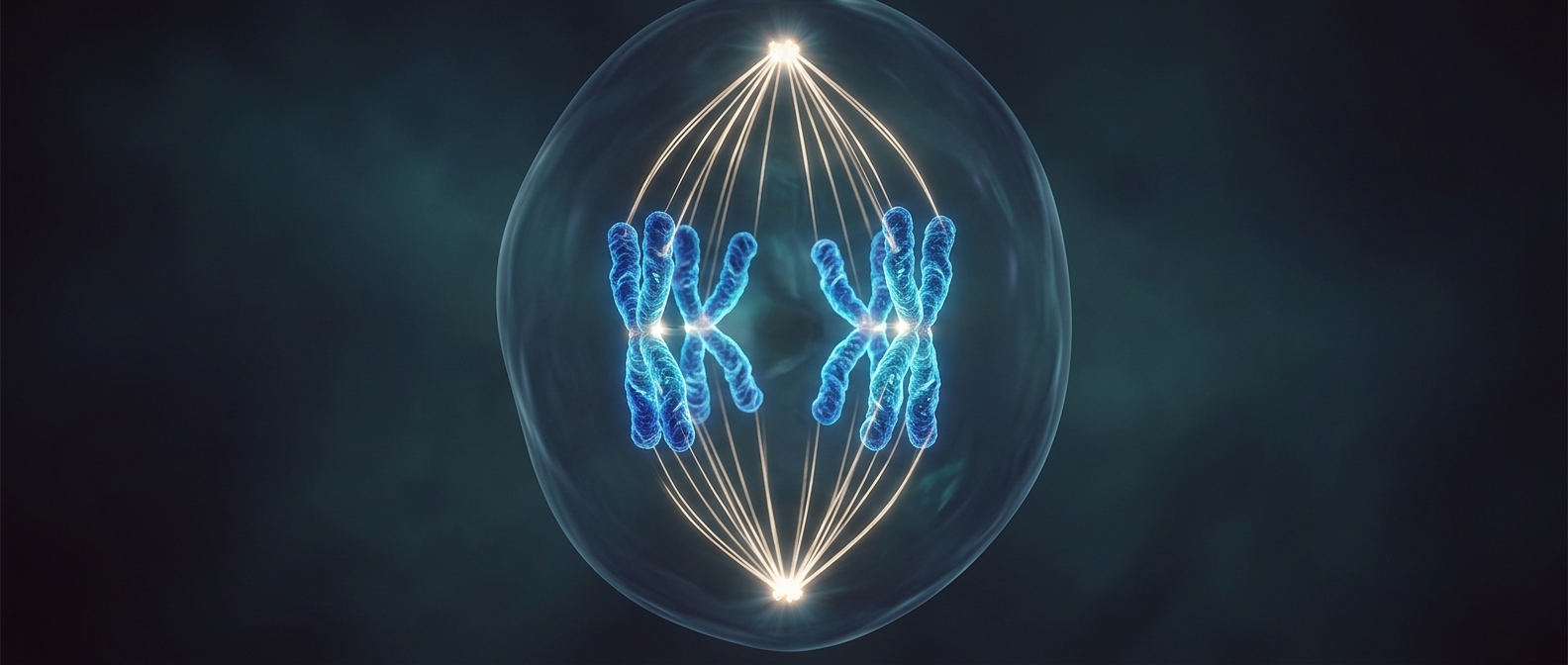
Cell fibers pull chromosome copies to opposite ends
Before a cell splits, it copies its chromosomes. Spindle fibers latch onto the copies and pull one set toward each end of the cell, so the new cells can…
Discover more
Black hair reigns as the most common hair color globally
Hair gets much of its color from melanin. High levels of the dark pigment eumelanin produce black or dark brown shades, which are the most common hair colors…
Discover more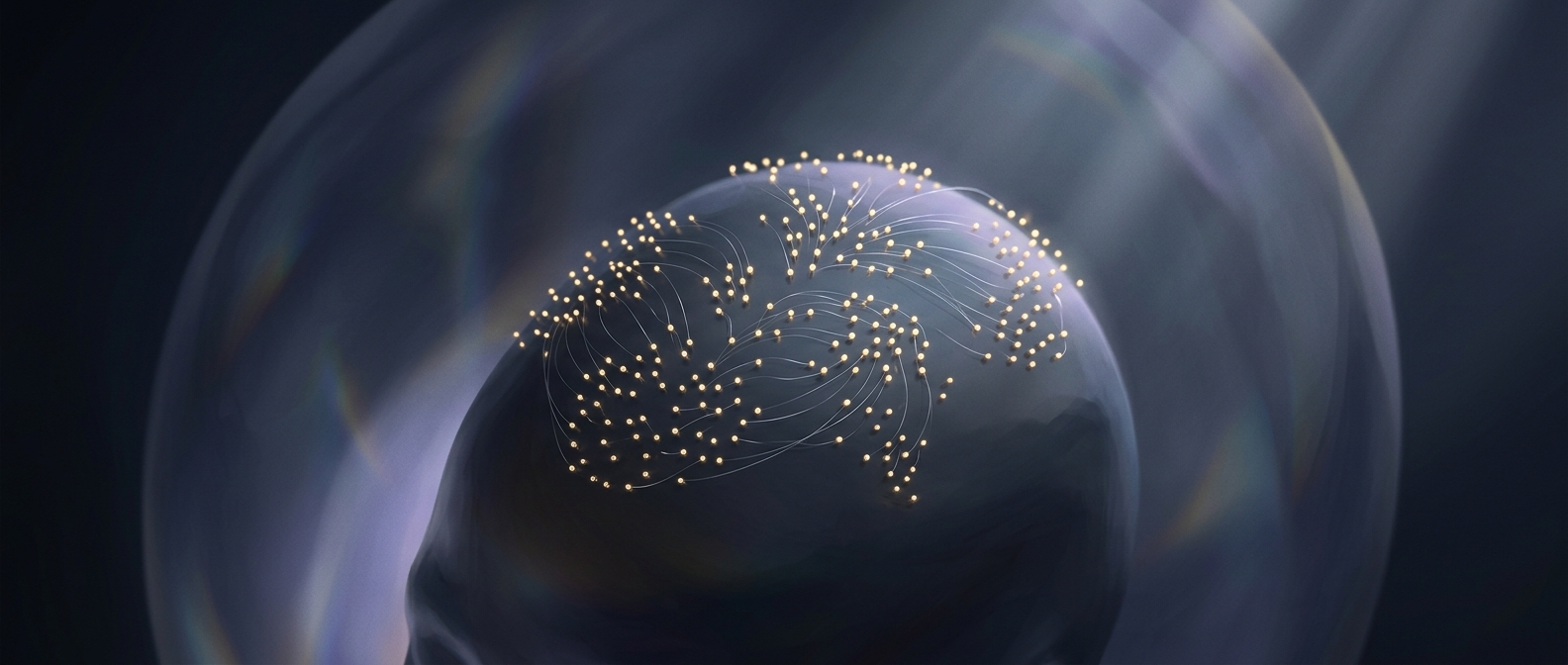
You have all your hair follicles before birth
The follicles that grow your hair are established before birth—roughly five million of them. Later, hair shafts grow from those existing follicles rather than…
Discover more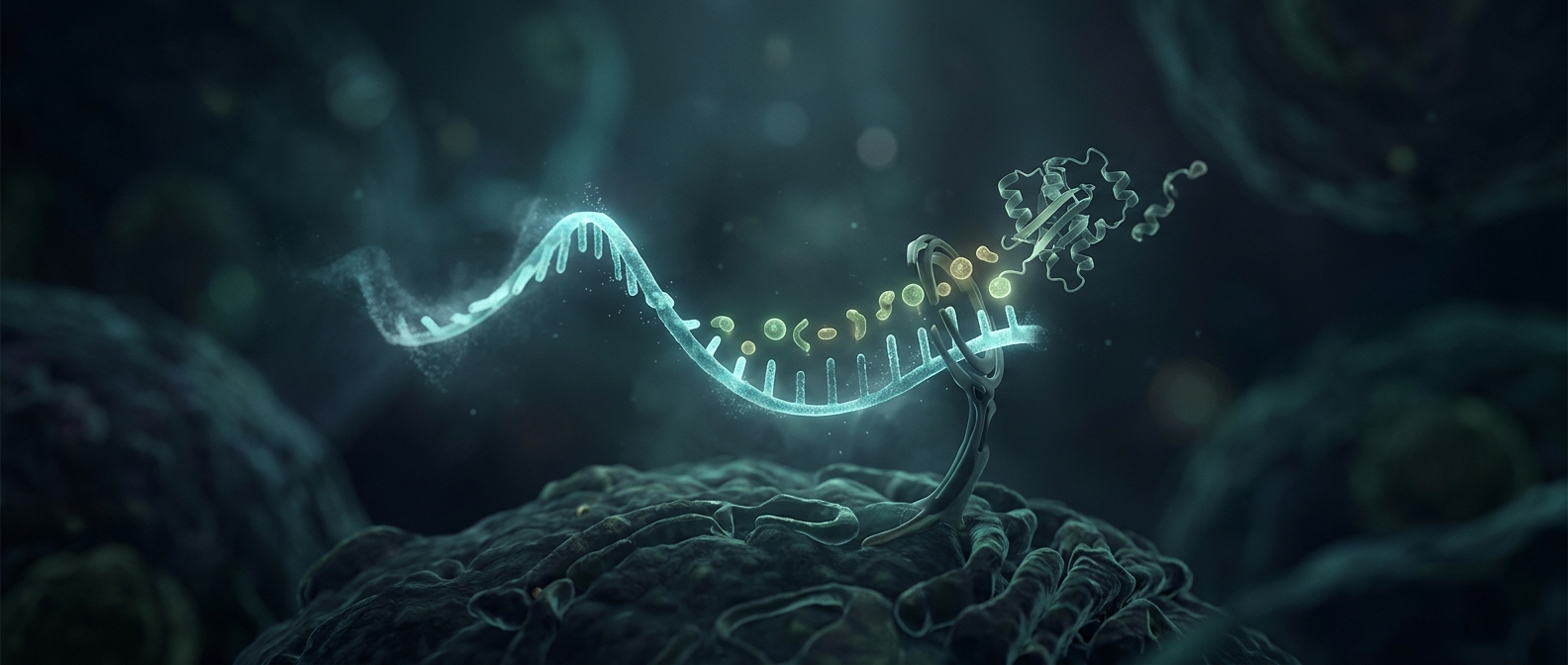
Ribonucleic acid acts as a temporary blueprint for proteins
A cell copies only the genetic instructions it needs into RNA, then its protein-making machinery reads that copy. Once the protein is made, the temporary…
Discover more STACKY FOR IPHONE
A bigger world.
One discovery
at a time.
Keep discovering with Stacky. Interesting facts in an app that is always within reach.
Trace amounts of elemental iron reside in every human cell
Iron is more than the metal in a nail: in small amounts, it helps enzymes run reactions cells need, including energy production. Its importance comes from…
Discover more
Thallium toxicity directly halts hair follicle growth cycles
Thallium interferes with potassium-dependent jobs inside cells, and hair follicles rely on those processes as they rapidly make new cells. When that growth…
Discover more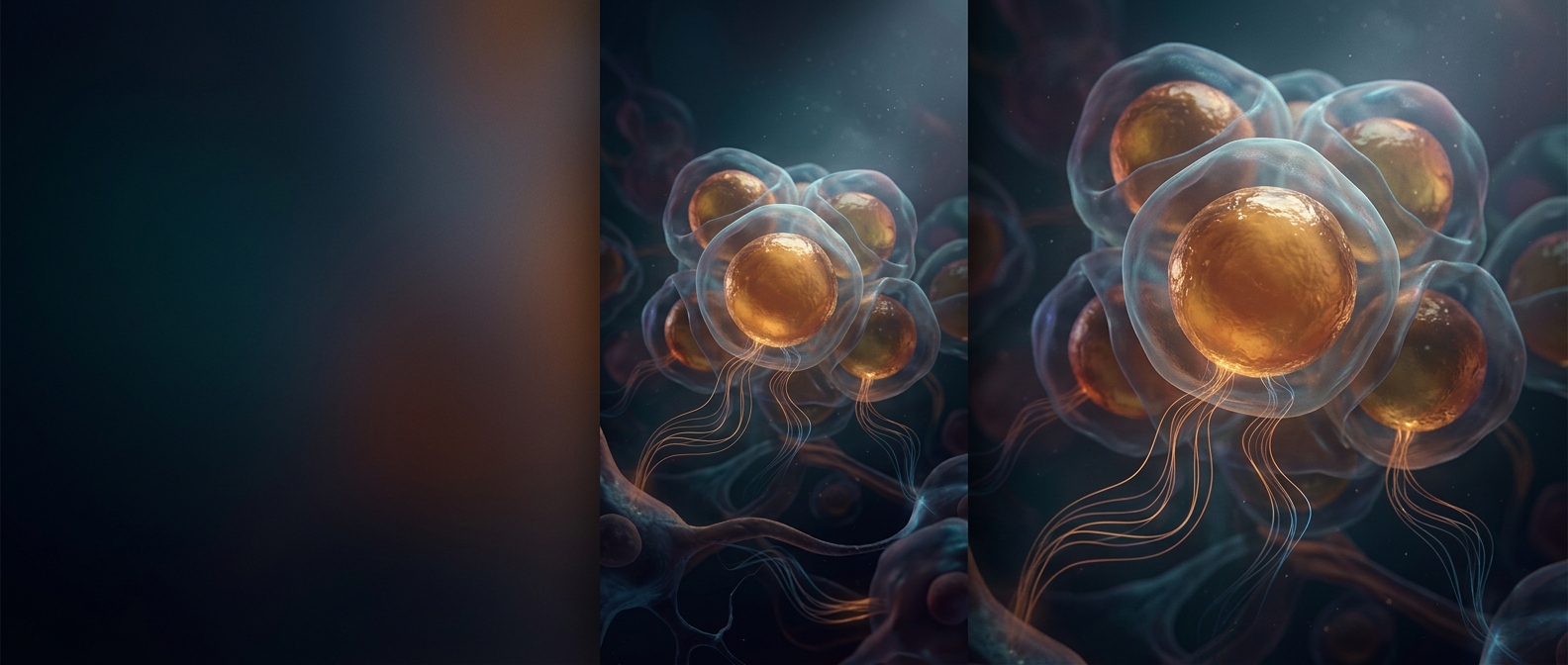
Adipose tissue stores energy using complex triglycerides
When you take in more energy than you use right away, fat cells pack some of the surplus into triglycerides. These molecules store a lot of chemical energy in…
Discover more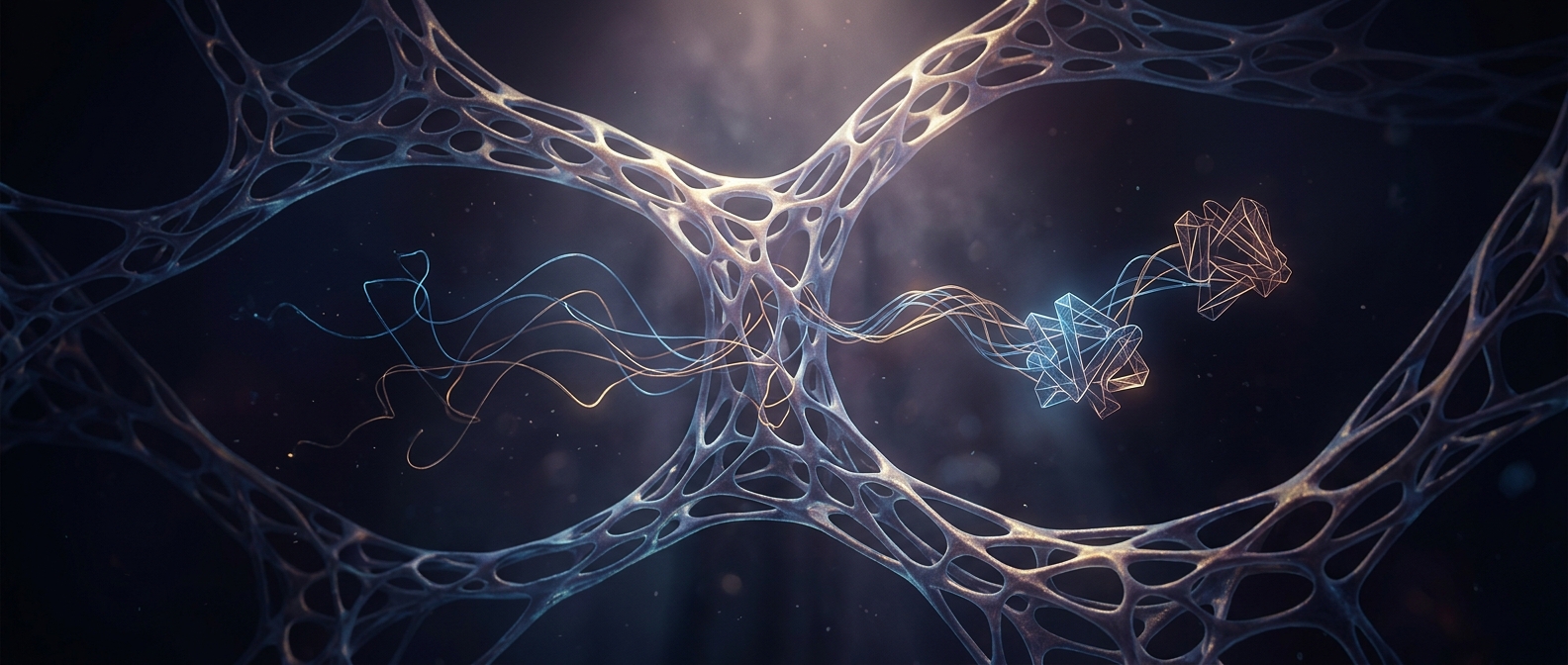
Cellular reticula strictly fold proteins into specific forms
A protein starts as a chain of linked building blocks, but it has to fold into the right three-dimensional shape to work. The endoplasmic reticulum helps fold…
Discover more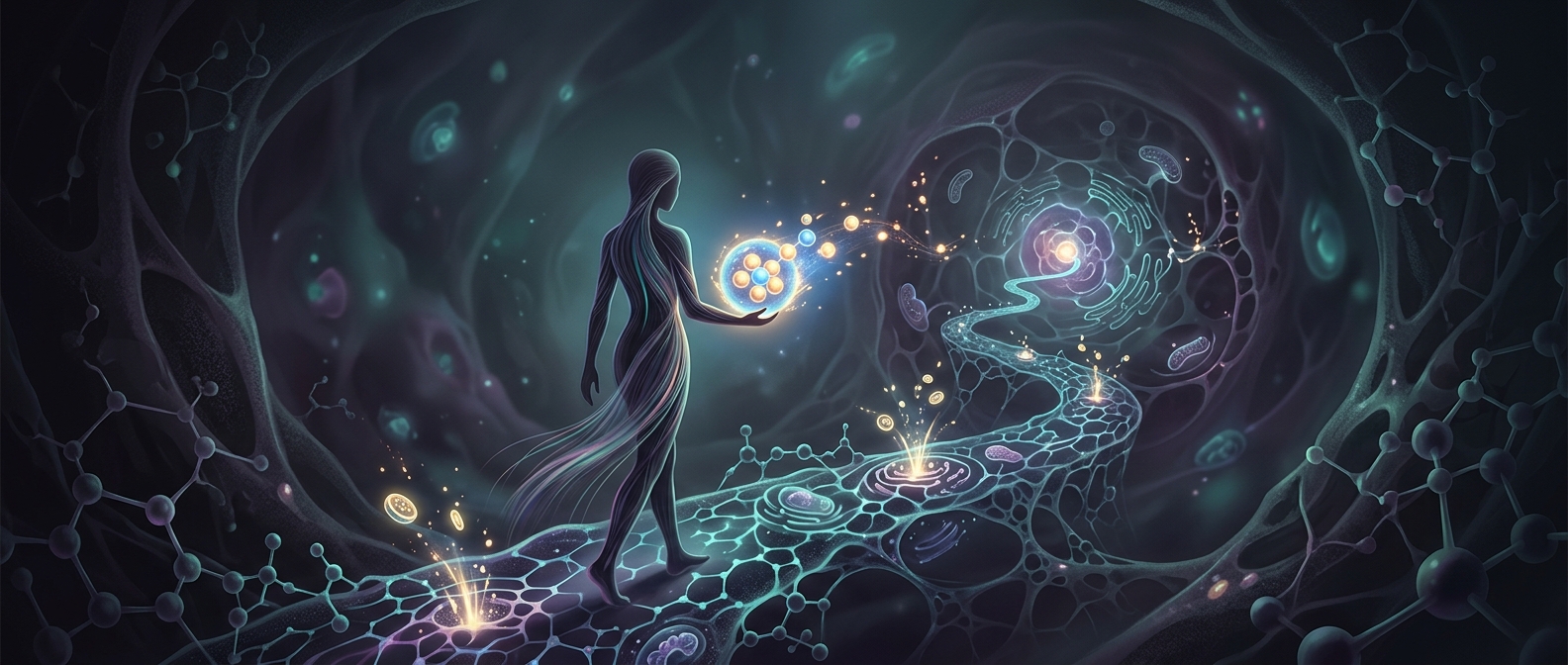
Adenosine acts as the universal energy currency for cells
The spendable molecule is ATP. Cells release energy by clipping off its terminal phosphate, then regenerate ATP from its components—so the same molecule is…
Discover more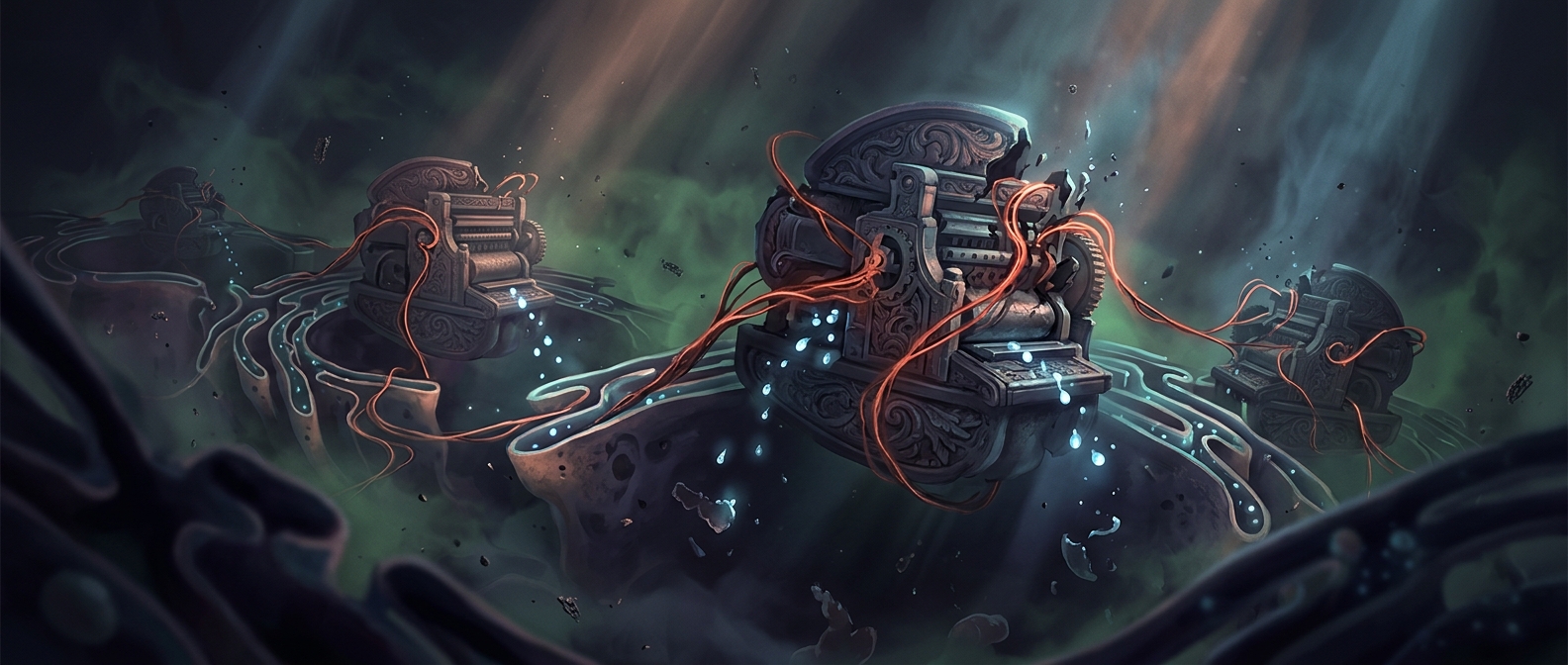
How ricin shuts down your cells
Ribosomes are the cell’s protein-making machinery, and ricin disables them. Without new proteins, cells lose the tools they need to carry out essential…
Discover more
Cross sections of perfectly straight hair appear circular
The shape of the hair’s root helps set the shape of the strand: a round follicle tends to grow a cylindrical, straight hair, while a more oval or flattened…
Discover more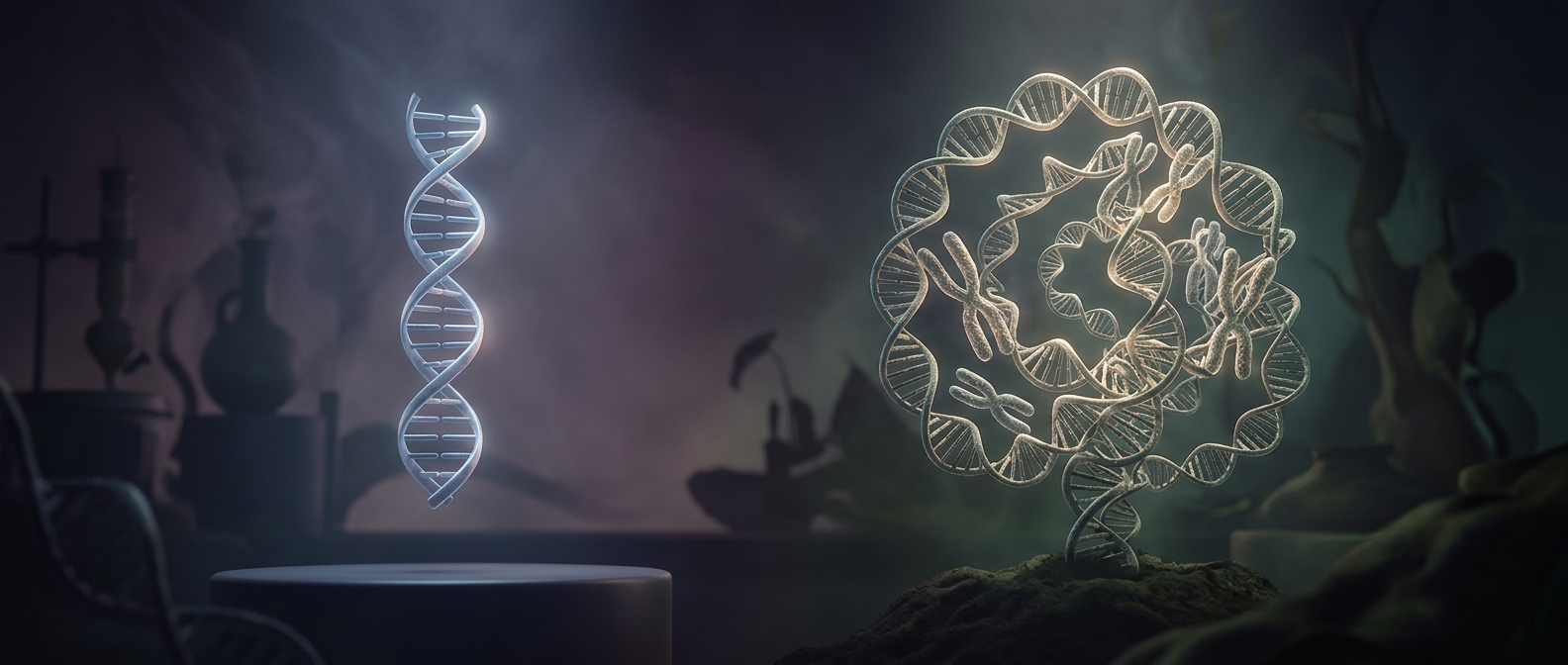
A potato has more chromosomes than you do
A potato can have more chromosomes than a person because chromosome number is just a count of DNA packages. A typical potato has 48 and human cells have…
Discover more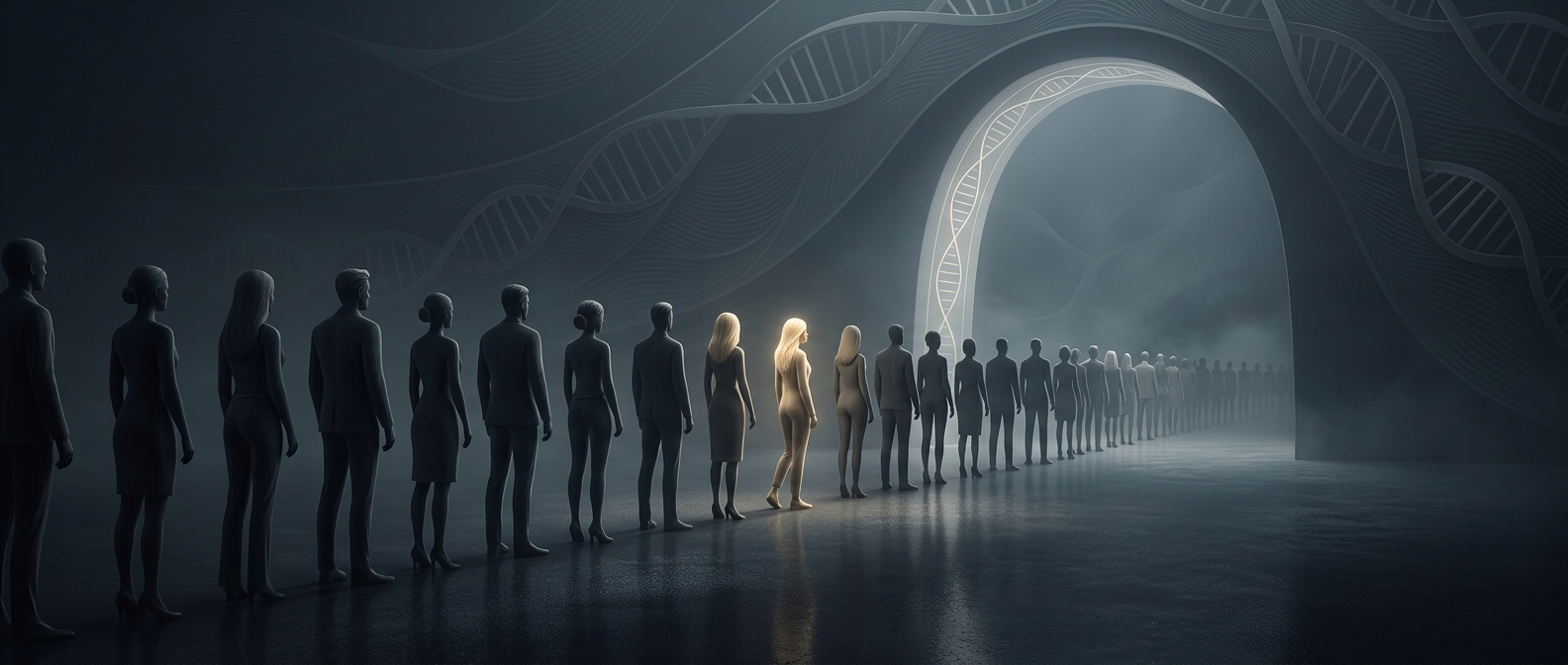
Blond childhood hair can darken without a dye job
Hair follicles can produce more dark pigment as a child grows. The new strands then emerge darker than the earlier ones, so a blond child can become a…
Discover more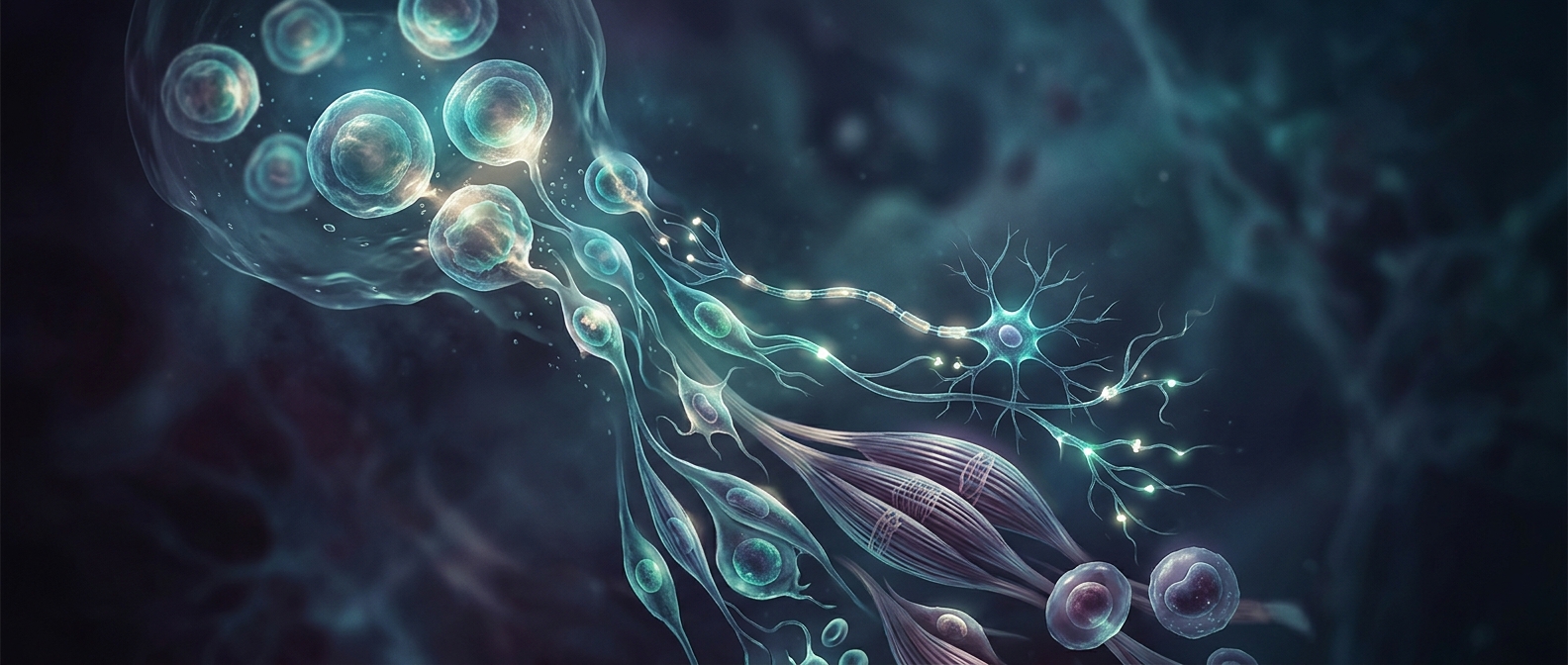
Stem cells morph directly into specialized biological forms
A stem cell doesn't simply turn into any cell on command. Chemical signals can change which genetic instructions it uses, steering it toward a specialized…
Discover more
Nitrogen naturally dictates three percent of human body mass
Nitrogen is built into amino acids, the small units that join together to make proteins. Since proteins form and support the body’s tissues, nitrogen is part…
Discover more
Melanin production directly dictates natural hair color
Hair follicles combine two forms of melanin: one contributes dark brown or black shades, and the other adds red or yellow tones. The mix and proportion create…
Discover more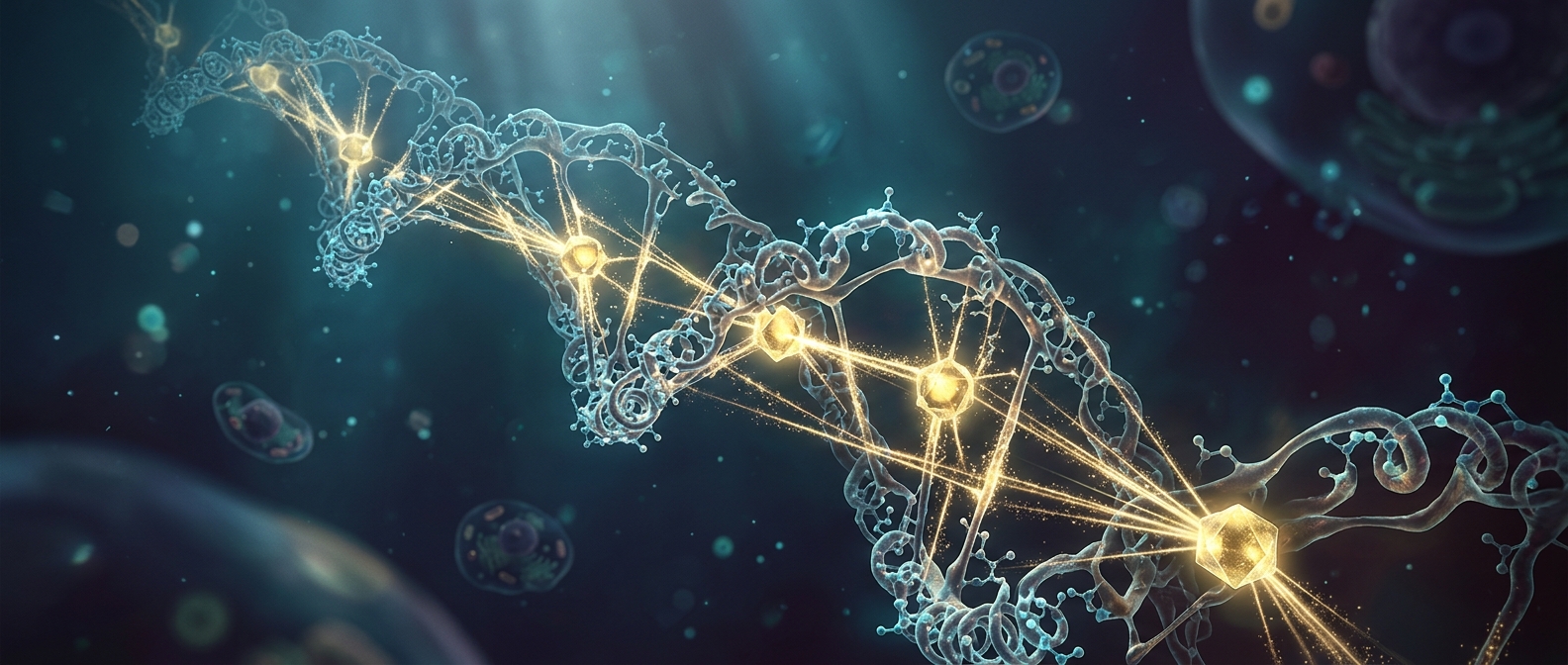
Sulfur securely anchors complex cellular protein structures
Some proteins hold their shape with links between sulfur atoms. Those links act like tiny fasteners, helping a complex protein keep the form it needs to do…
Discover more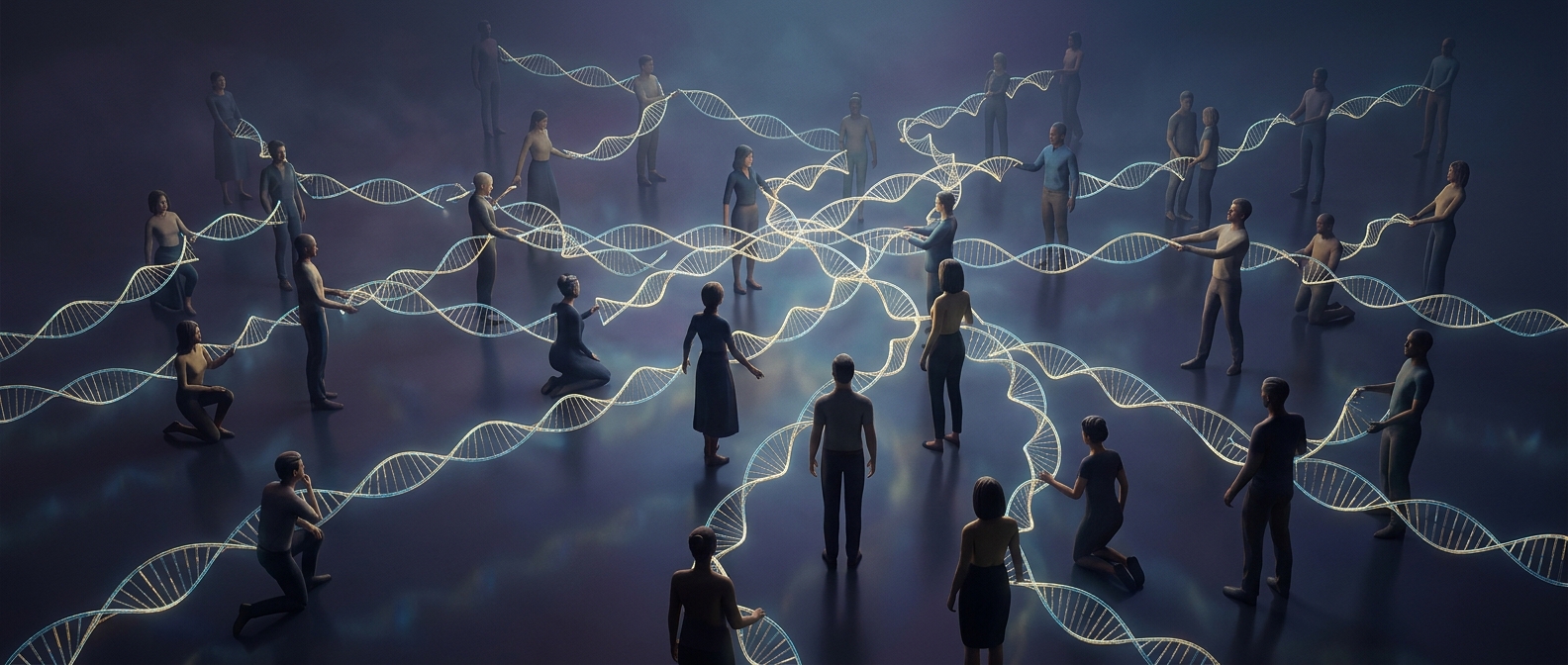
Humans share almost all genetic code with one another
Any two people share roughly 99.9% of their genetic makeup, so most of the DNA instructions are common to both. Many of the differences between individuals…
Discover more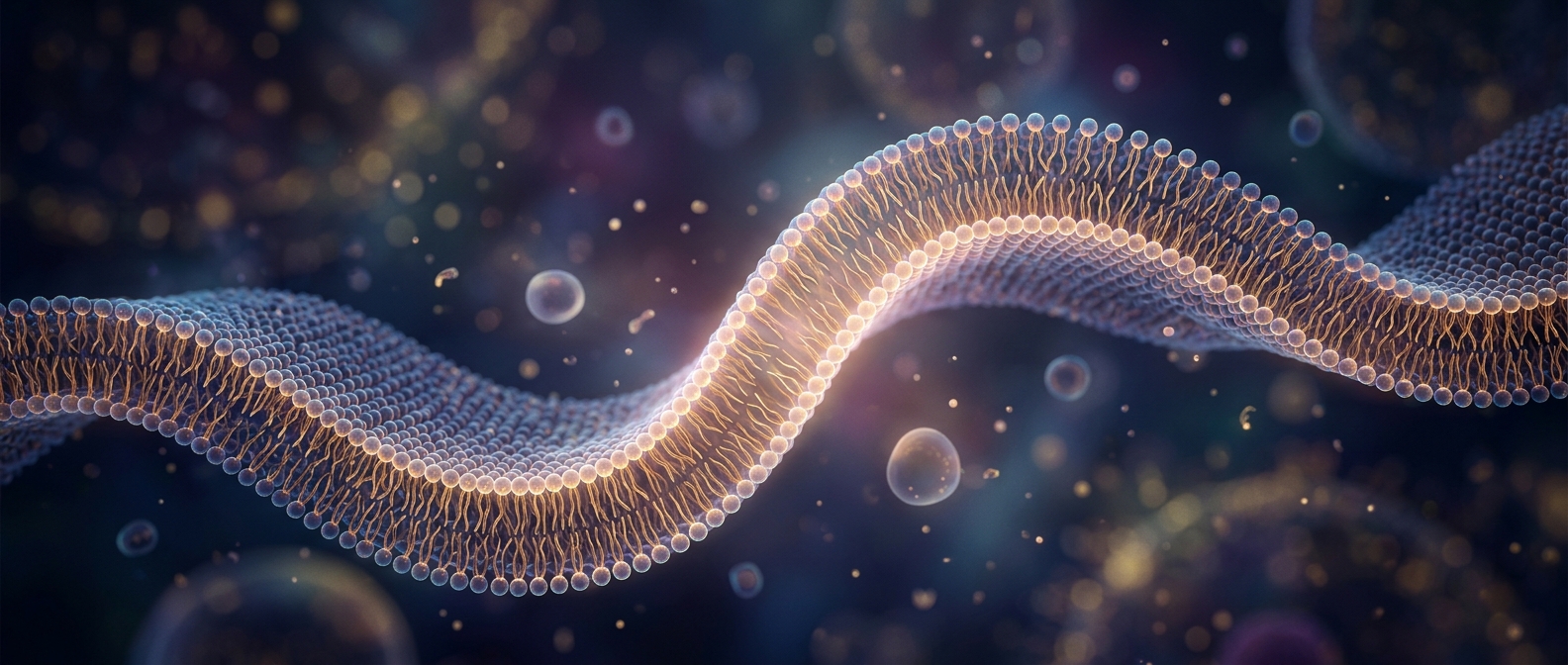
Cellular walls consist entirely of flexible lipid bilayers
Each phospholipid has a water-attracting head and water-repelling tails. The heads face the watery surroundings inside and outside the cell while the tails…
Discover more
Nasal passages actively filter out microscopic dust
Your nose intercepts dust and pollen before they get farther into the respiratory system. Mucus catches the particles, and tiny cilia move the loaded mucus…
Discover more
This gene variant can make armpits odorless
A genetic variant can reduce the underarm secretions that bacteria break down into odor, leaving some people with little or no armpit smell. The sweat is not…
Discover more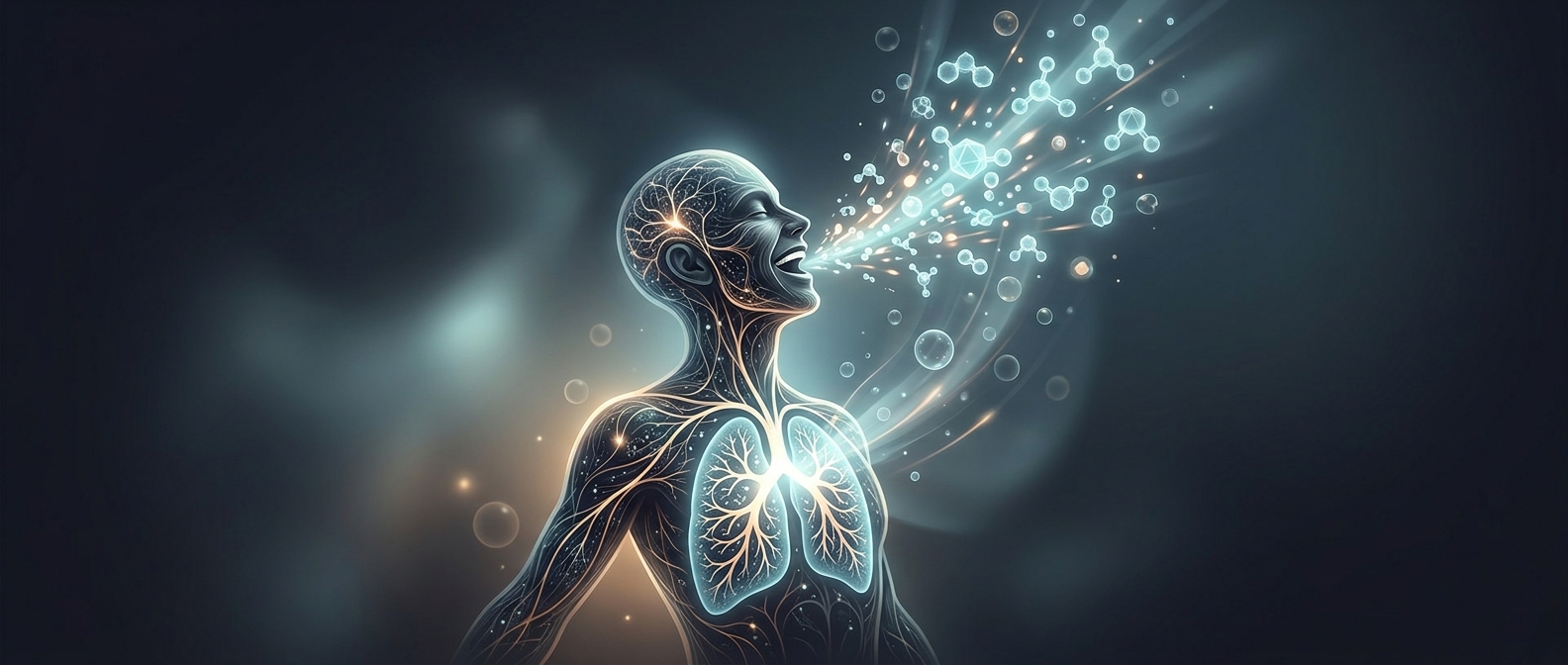
Laughter can push air out faster than you expect
Researchers measuring people during laughter found rapid, repeated expiratory efforts and a marked fall in lung volume. The familiar ha-ha-ha is built from…
Discover more