Health
Discover facts about health. Small discoveries that change the way you see familiar things.
Health

A twisted testicle can lose its blood supply
Testicular torsion twists the spermatic cord, restricting blood flow. Sudden severe testicular pain needs immediate emergency care; waiting can mean losing…
Discover more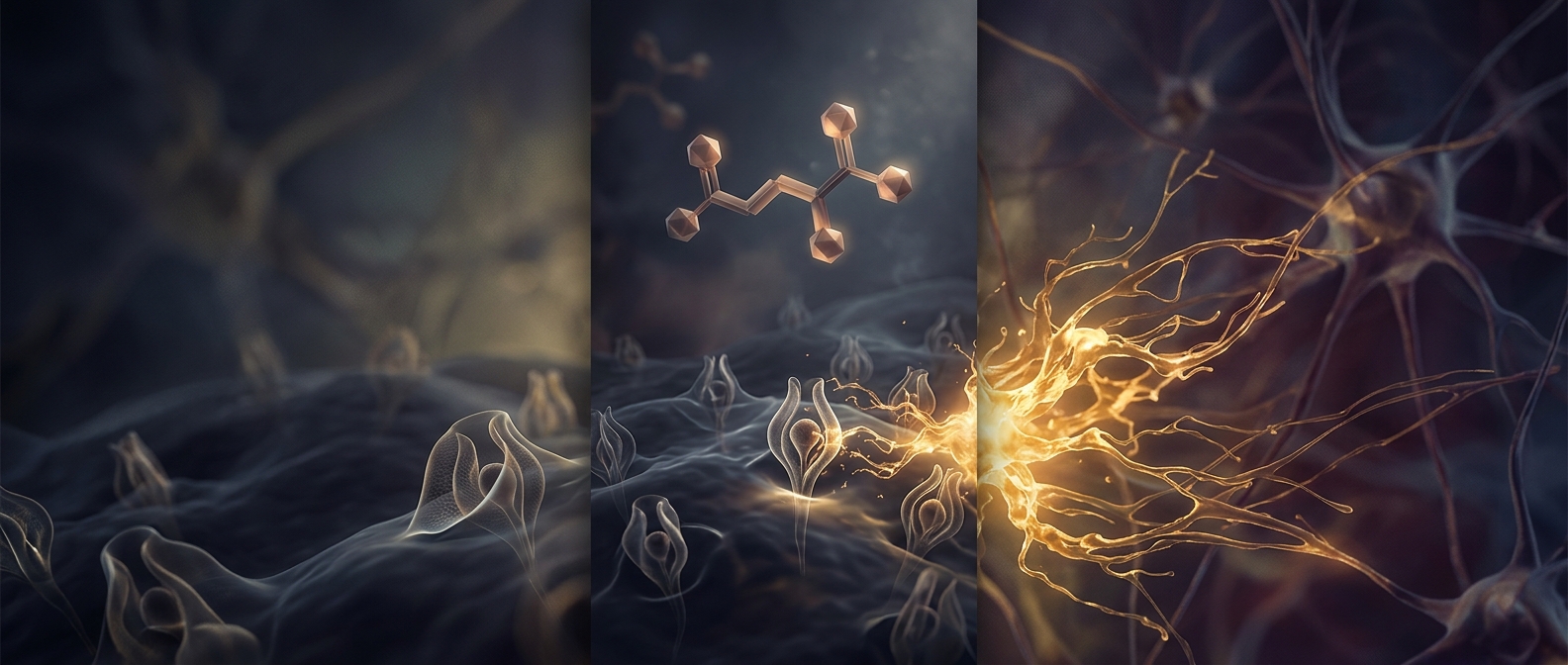
Umami taste receptors intensely detect savory amino acids
Umami receptors respond to glutamate, a savory-tasting molecule in foods such as meat, cheese, and soy sauce. Add that signal to a plain potato and the flavor…
Discover more
Why antique glassware sets off Geiger counters
Uranium in some antique glass gives it a green glow, and the uranium’s atoms slowly decay, releasing radiation. A Geiger counter detects that radiation—so the…
Discover more
Metastasis allows rogue cancer to violently invade distant tissues
Cancer becomes metastatic when cells break away from the first tumor, travel through blood or lymph, and take hold in another organ. That distance matters:…
Discover more
Why the prostate keeps growing with age
The prostate surrounds the tube that carries urine out of the bladder. As it enlarges with age, it can press on that tube and make urine flow less freely,…
Discover more
How eating deceased relatives spread kuru
Eating infected tissue could pass prions into the body. Unlike bacteria or viruses, prions are misfolded proteins; they can make the body’s own versions fold…
Discover more STACKY FOR IPHONE
A bigger world.
One discovery
at a time.
Keep discovering with Stacky. Interesting facts in an app that is always within reach.

Anthrax can sleep in soil for decades
When conditions are harsh, anthrax bacteria can form durable spores that stay dormant in soil for decades. If a grazing animal swallows one, it can reactivate…
Discover more
Neanderthal DNA still shapes modern humans
Neanderthal DNA didn’t disappear when Neanderthals did: some people inherited pieces of it from ancestors who had children with them. Those gene variants can…
Discover more
Skin tags are entirely harmless fleshy overgrowths
A skin tag is a benign overgrowth that often appears in places where skin rubs against skin or clothing. So “harmless” doesn’t always mean “unnoticeable”:…
Discover more
Why the five-second rule does not work
Germs can move from a surface to food the instant the two touch; the clock does not make that transfer wait. Moist food may pick up contaminants readily, so…
Discover more
Lips dry out because they lack protective oil glands
Sebaceous glands supply skin with oils that help slow water loss, but your lips don’t have them. In wind, they have less of that built-in barrier to hold…
Discover more
Why fat-free foods often need extra sugar
Fat helps give food a rich, smooth mouthfeel, so taking it out can leave a product tasting thinner. Manufacturers may add sugar to help make up for some of…
Discover more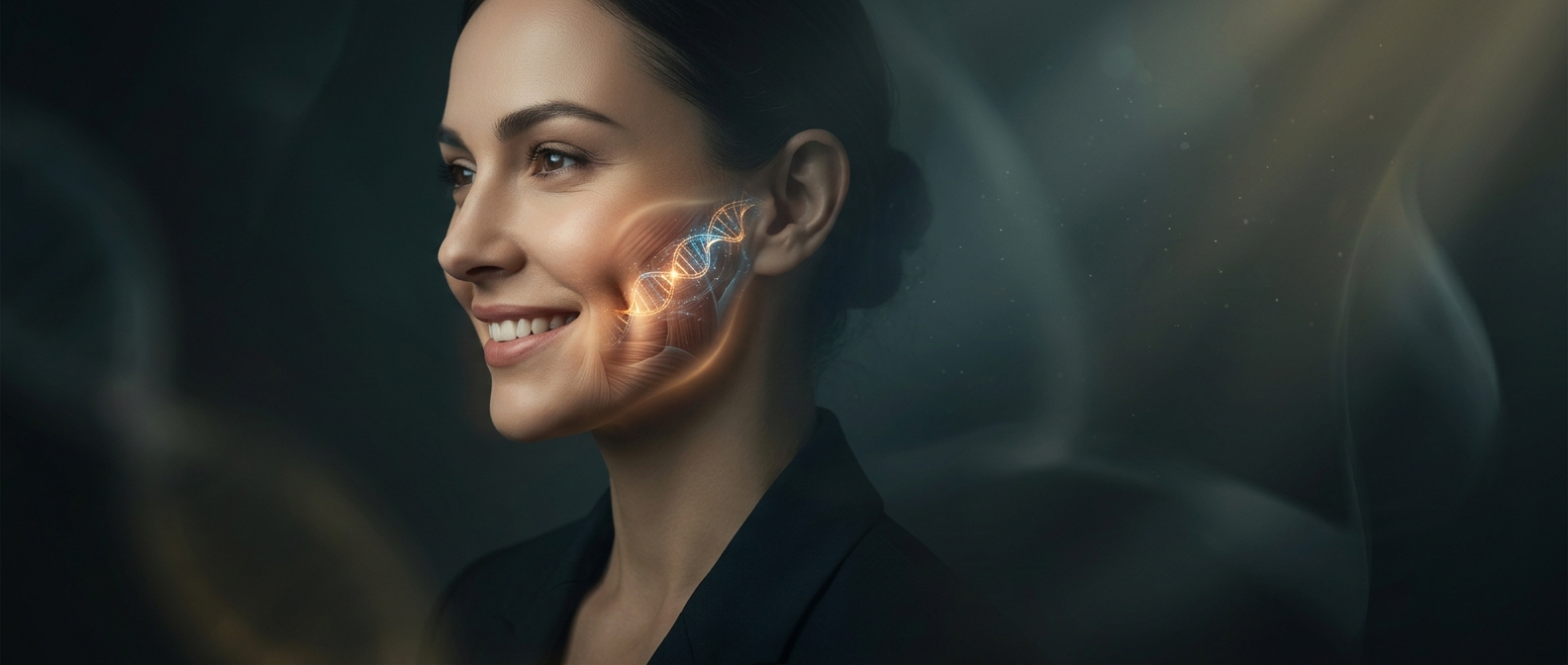
A cheek dimple can come from a variation in a smiling muscle
An anatomical study linked some dimples to a split in the zygomaticus major, which helps lift the corner of the mouth. An attachment to the skin can pull a…
Discover more
Dairy operates as a completely nonessential adult option
Milk can be a starting point for cheese, but your body does not need dairy itself: it needs nutrients such as calcium, which also occur in other foods. Dairy…
Discover more
An ear candle can leave more wax behind
A burning ear candle does not reliably draw earwax out by suction. Melted candle wax can instead enter the canal, and the heat can cause burns. The visible…
Discover more
Why most people don’t need to avoid gluten
Gluten is a protein in wheat and some other grains, and most people can eat it without harm. Avoiding it unnecessarily can mean giving up ordinary foods like…
Discover more
A calorie label comes with a testing margin
U.S. labeling rules generally allow a tested composite sample to contain up to 20% more calories than declared before exceeding the compliance threshold. That…
Discover more
Your cuticles are your nails’ security seal
The cuticle seals the narrow gap where the nail meets the skin at its base. That barrier helps keep germs away from the cells making new nail, so pushing it…
Discover more
A base tan offers only about SPF 3
The color of a base tan can look like armor, but it blocks only a small amount of UV—about SPF 3. That means the exposure needed to get the tan has already…
Discover more
Can romance really make your beard grow faster
Anticipating romance may cause a small hormonal shift, and facial-hair follicles can respond to hormones involved in hair growth. If that response happens, it…
Discover more
Why rapid growth can leave stretch marks
When skin stretches faster than its supporting tissue can keep up, connective fibers beneath the surface can tear. Those tiny breaks leave streaks behind as…
Discover more
Your scalp runs thousands of separate hair schedules
Each follicle cycles through growth, transition, and rest. A scalp hair can grow for several years before shedding, while neighboring hairs are at different…
Discover more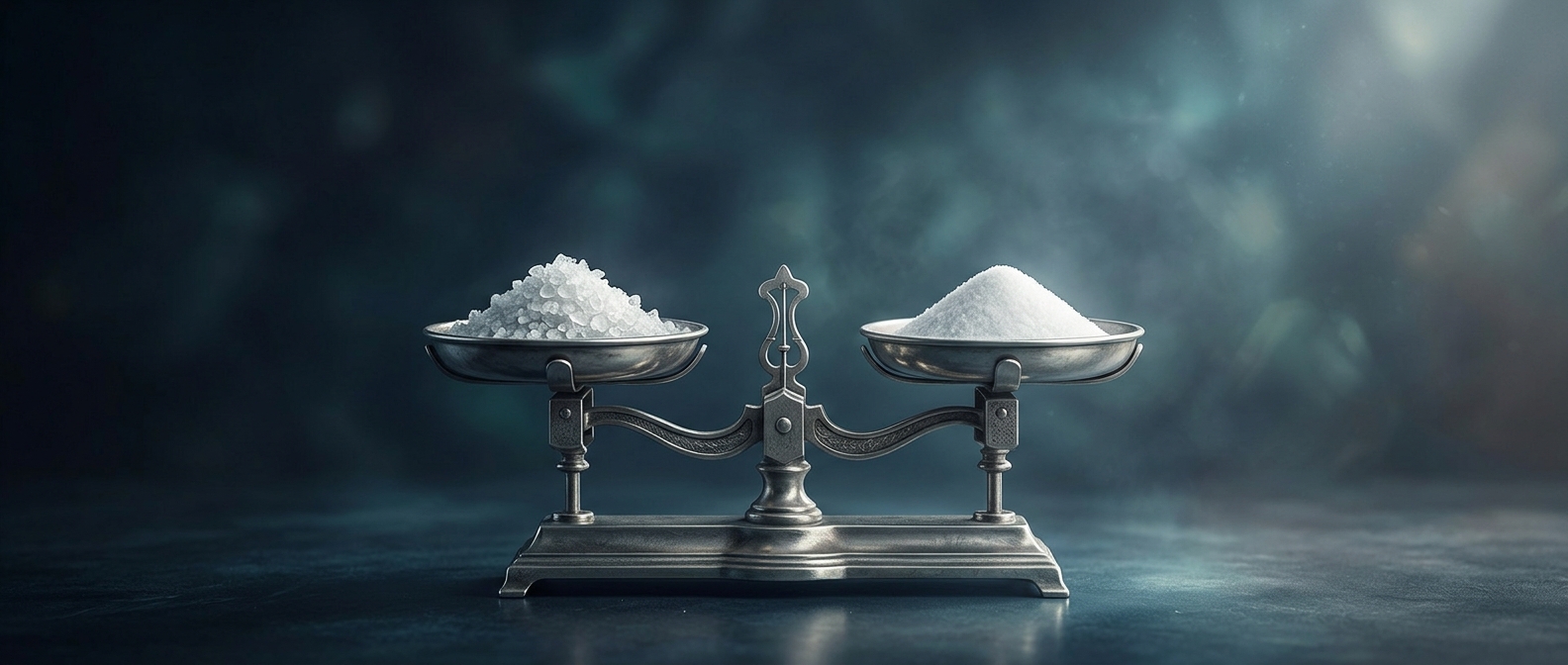
Fancy salt changes the crunch, not the sodium content
Sea salt and table salt are both mostly sodium chloride. Crystal size changes how much fits in a teaspoon, and texture can change how a bite tastes. Compare…
Discover more
Coconut oil isn't as healthy as it sounds
The word “coconut” may conjure something light and wholesome, but the oil is calorie-dense and high in saturated fat. Its flavor can be great in baking—the…
Discover more